Game review
Middle-earth: Shadow of War
7.5 / 10
- Developer
- Monolith Productions
- Publisher
- WB Games
- Released
- 9 October 2017
- Platforms
- Windows
- Genre
- Action RPG
- Monetisation
- One-time purchase plus 8 DLC packs; no in-app purchases remain (loot boxes and microtransactions were removed post-launch)
- Players
- Single-player only (an early online "Shadow War" mode was later removed)
The short version
Middle-earth: Shadow of War is remembered by its own reviewers for two things that pull in opposite directions. The first is the Nemesis System — orc captains who remember and evolve from every encounter with the player, generating genuinely unique, often absurd personal rivalries reviewers describe in the kind of detail usually reserved for tabletop campaigns. The second is what WB Games did with it afterward: the system is patented, meaning no other studio can legally build anything similar, a decision that became a live grievance again in February 2025 when Warner Bros. shut down Monolith Productions, the studio that invented it, without ever licensing the technology elsewhere. Reviewers post grief-tinged tributes to Monolith alongside frustration that a genuinely great idea is now locked away with nobody left to use it. The game also launched with loot boxes and microtransactions attached to its endgame — a rare case in this library's coverage of a publisher actually removing them entirely, in a 2018 update, rather than defending the system. Recent sentiment (87%) sits essentially level with the 88% lifetime score, suggesting neither controversy has meaningfully hurt the underlying game's standing.
Biggest strengths
- The Nemesis System generates genuinely unique, often hilarious personal rivalries with orc captains, widely regarded as one of the most original systems in modern action RPGs
- A rare reversal in this library's coverage — loot boxes and microtransactions tied to the endgame grind were removed entirely in a 2018 update rather than defended or left in place
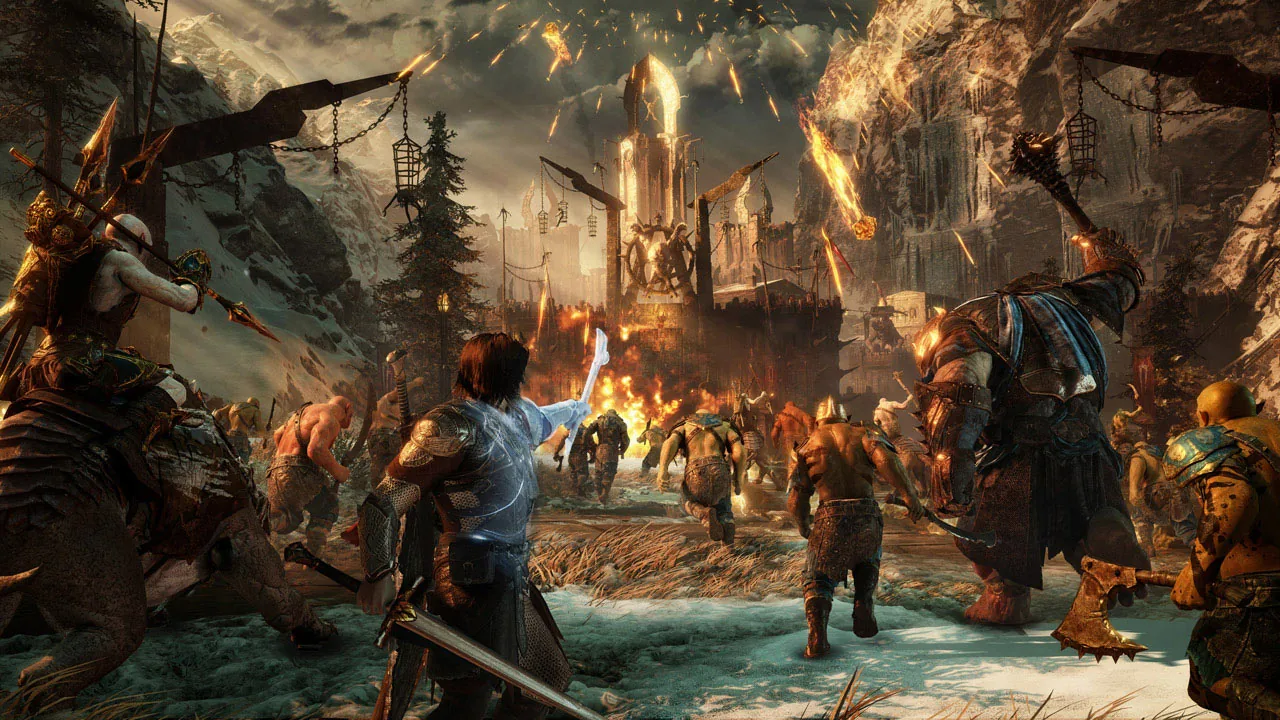
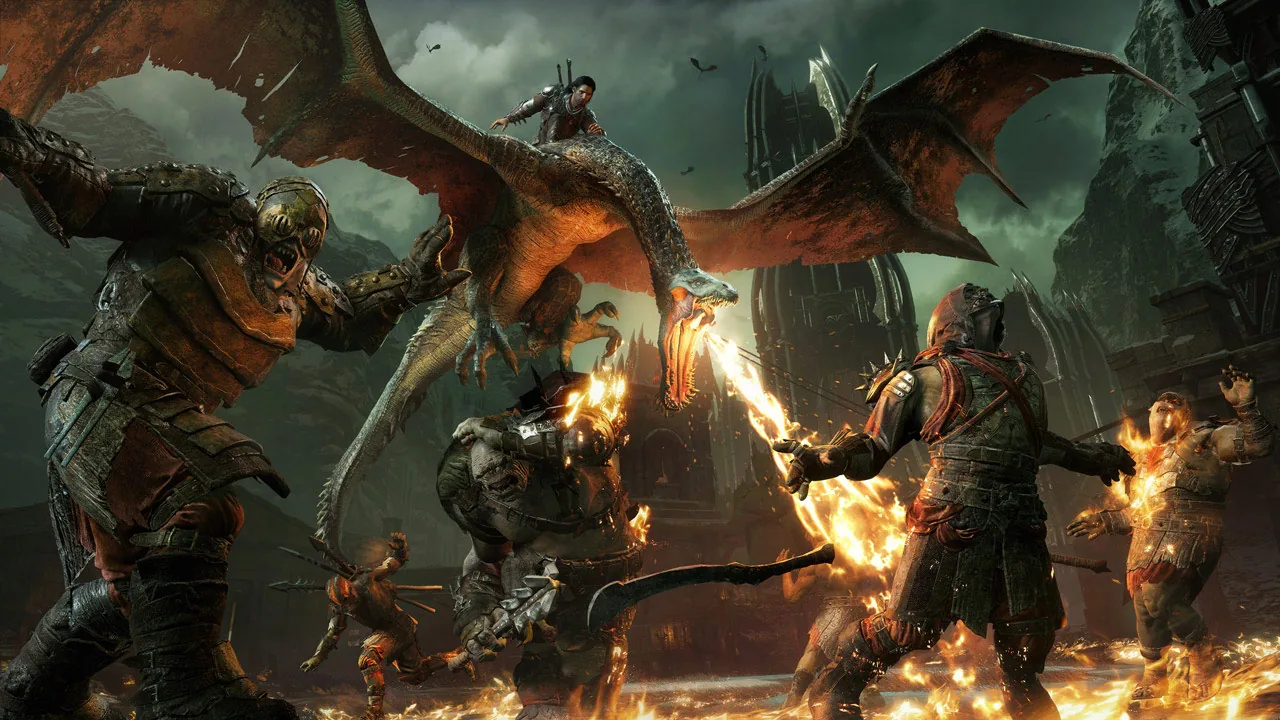
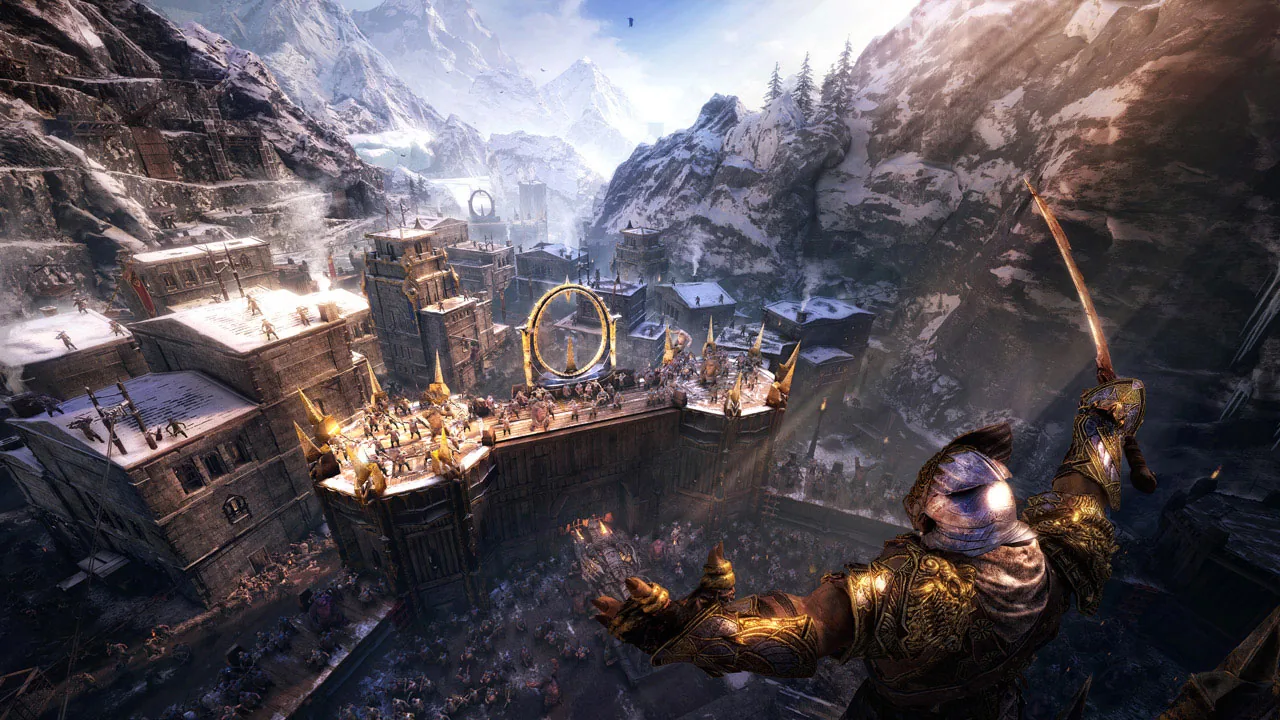
- Large, well-reviewed open-world combat systems (stealth, mounted combat, siege battles) that build meaningfully on the original Shadow of Mordor
Biggest weaknesses
- WB Games holds a patent on the Nemesis System, preventing any other studio from building something similar — a decision reviewers describe as increasingly indefensible since Warner Bros. shut down Monolith Productions, the system's creator, in February 2025
- A widely-reported endgame grind, originally tied to now-removed microtransactions, still draws complaints about padding and pacing even with the loot boxes gone
- Story and pacing draw more mixed reactions than the combat systems, with several reviewers describing a strong opening and middle followed by a tedious final act
Who it's for: Action RPG and open-world fans who want to see the Nemesis System at its most refined — go in aware you're playing what may be the last game to ever legally use it.
Our recommendation: Buy. The core game holds up regardless of the surrounding controversies, and the predatory monetisation that damaged its launch reputation is long gone.
7.5 / 10
The pitch
Middle-earth: Shadow of War is Monolith Productions' sequel to Shadow of Mordor, an open-world action RPG set between The Hobbit and The Lord of the Rings, built around the Nemesis System — a mechanic where orc captains individually remember, adapt to and escalate their rivalry with the player across an entire playthrough.
A system reviewers still can't stop telling stories about
Across years of reviews, the Nemesis System is treated less like a game mechanic and more like a storytelling engine. "When I first died in this game I was killed by a savage grunt called Krosh the Chop. He killed me in an outpost when I was fighting 4 captains at the same time. So he became a captain. I was mad so I decided to hunt him down," reads a 1,637-vote review that continues for several more paragraphs of escalating personal rivalry. Another, with 635 votes, describes shaming a captain into psychological breakdown across multiple encounters. "To this date, I have yet to encounter anything as dynamic, fun, unpredictable, and exciting in a story driven combat game," reads a third. This isn't a minority opinion — it's close to the default way reviewers, positive and negative alike, describe what makes this game distinctive.
The controversy that got walked back
This game launched in 2017 with loot boxes and real-money microtransactions tied to its endgame, and the backlash was immediate and severe: "DO NOT ACCEPT THE TOS! If you just click the accept button without clicking the check box it turns off the Microtransactions, marketplace, and people attacking your base while you are offline," reads the most-upvoted negative review, with over 3,800 votes, from launch week. What sets this game apart from most monetisation controversies in this library's coverage is what happened next: WB Games removed loot boxes and microtransactions entirely in a 2018 update. "All microtransactions has been removed," reads a 2,077-vote review tracking the change directly — a genuinely rare case of a publisher reversing course rather than defending or quietly walking back a predatory system.
The controversy that didn't get walked back
What replaced it as this game's dominant grievance is the Nemesis System patent itself. WB Games holds intellectual property protection over the mechanic, meaning no other studio can legally build anything functionally similar — reviewers report the patent runs until the mid-2030s. That was already a sore point before February 2025, when Warner Bros. shut down Monolith Productions entirely, alongside Player First Games and WB Games San Diego, as part of a broader restructuring — a closure independently reported at the time. Reviewers reacted with a mix of grief and anger: "R.I.P. Monolith Productions 1994 - 2025. Killed by the Corporate [...] at WB," reads a 601-vote review posted after the closure. "WB should be slapped in the face with a lawsuit to have the Nemesis patent revoked from them for closing down the only studio that ACTUALLY used it," reads another. The specific complaint — a landmark system now sitting unused, legally unavailable to any other studio, with its creator gone — is distinct from ordinary "publisher bad" grumbling and appears repeatedly across both positive and negative reviews.
The part that's just about pacing
Beneath both controversies, the most common ordinary gameplay complaint concerns the back half of the campaign. "So torn on this game. I loved it maybe 75% of the way through... once you reach the last act though it's just the worst grind," reads one representative review. Another describes an endgame conclusion "hidden behind a grind that is just not worth it." This predates and outlasts the loot box removal — reviewers distinguish clearly between the now-fixed monetisation issue and a structural pacing problem in the story's final stretch that a patch didn't touch.
Where sentiment sits now
Recent English review sentiment — the 100 most recent reviews, spanning late July to mid-August 2026 — runs 87% positive, essentially level with the 88% lifetime score. Neither the historical loot-box controversy nor the ongoing Nemesis patent grievance has measurably dented how this game is received nearly a decade after launch. Achievement data shows healthy engagement: the median across 72 achievements is 19.8%, with top milestones over 60%, consistent with a large open-world game a solid share of buyers see well into.
Value
At NZ$67.95 with the predatory monetisation permanently removed, this is a straightforward value proposition for a large, systems-rich open-world action RPG; the main content-related complaint in this corpus is pacing rather than price or paywalling.
Verdict
Middle-earth: Shadow of War holds up as a genre highlight almost entirely on the strength of the Nemesis System — a mechanic reviewers still describe in loving, story-length detail years after launch. Its monetisation controversy is unusually resolved, having been removed rather than defended; its patent controversy is not, and Monolith Productions' 2025 closure has only sharpened reviewers' frustration that nobody else will ever get to build on this idea. Buy it for what may be the high-water mark of a system the industry won't be allowed to repeat.
Pros and cons
Pros
- The Nemesis System generates genuinely unique, often hilarious personal rivalries with orc captains, widely regarded as one of the most original systems in modern action RPGs
- A rare reversal in this library's coverage — loot boxes and microtransactions tied to the endgame grind were removed entirely in a 2018 update rather than defended or left in place
- Large, well-reviewed open-world combat systems (stealth, mounted combat, siege battles) that build meaningfully on the original Shadow of Mordor
- Recent English sentiment (87% over the last 100 reviews) sits essentially level with the 88% lifetime score, showing durable, stable reception years after launch
Cons
- WB Games holds a patent on the Nemesis System, preventing any other studio from building something similar — a decision reviewers describe as increasingly indefensible since Warner Bros. shut down Monolith Productions, the system's creator, in February 2025
- A widely-reported endgame grind, originally tied to now-removed microtransactions, still draws complaints about padding and pacing even with the loot boxes gone
- Story and pacing draw more mixed reactions than the combat systems, with several reviewers describing a strong opening and middle followed by a tedious final act
- At least one specific, years-old quest bug is still reported unfixed by recent reviewers
Screenshots
-
Middle-earth™: Shadow of War™Image: WB Games via Steam -
Middle-earth™: Shadow of War™Image: WB Games via Steam -
Middle-earth™: Shadow of War™Image: WB Games via Steam -
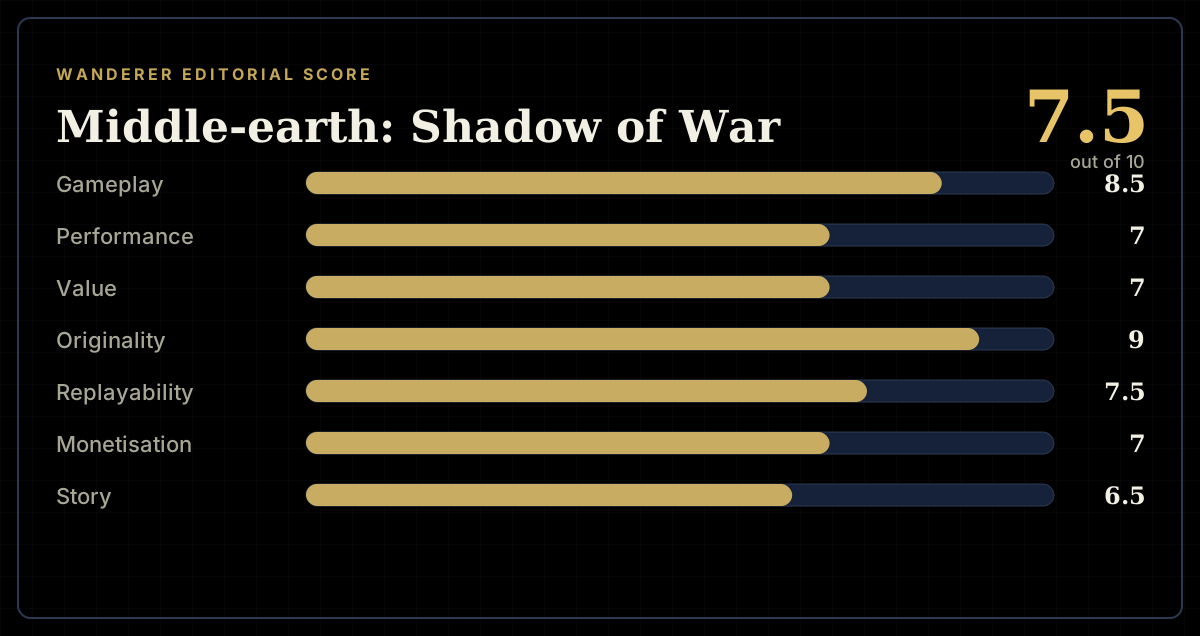
How the review scores each part of the gameWanderer Editorial -
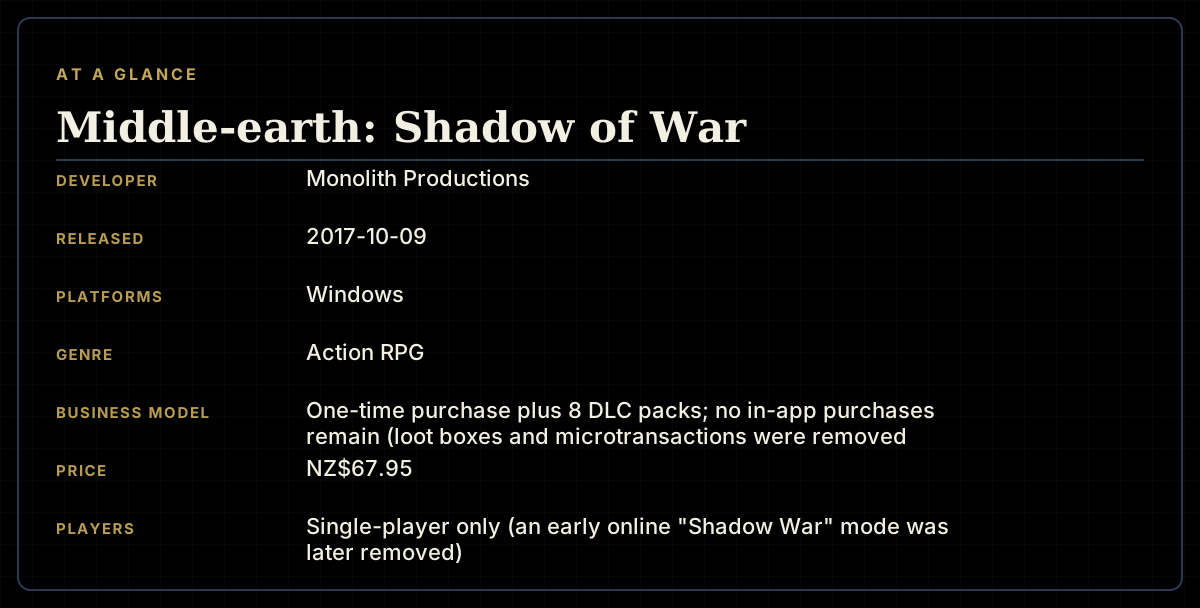
The game at a glanceWanderer Editorial -
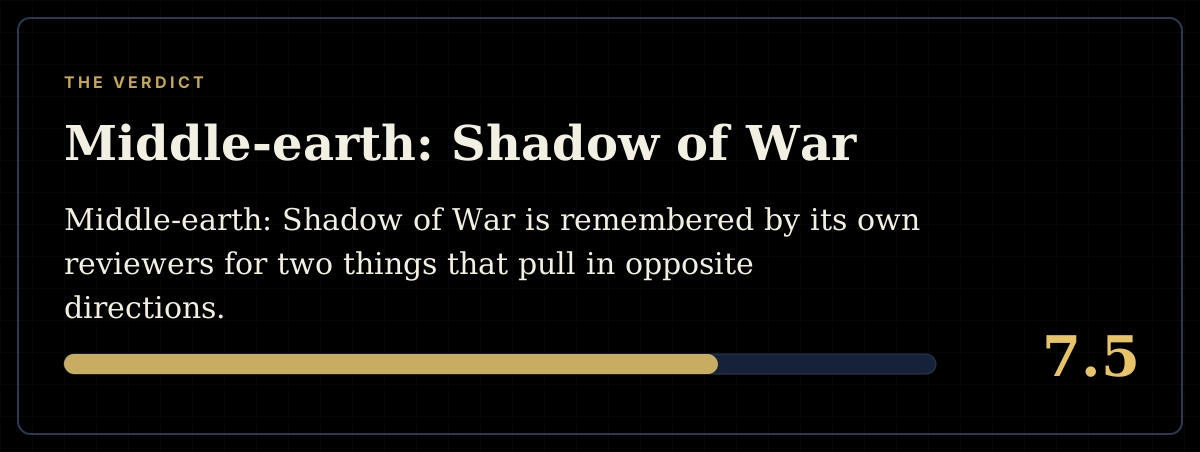
The short versionWanderer Editorial