Game review
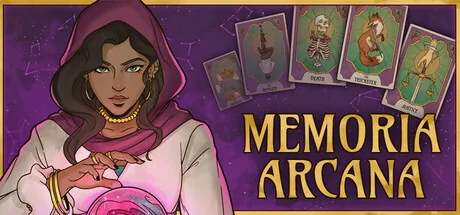
Memoria Arcana
6.5 / 10
- Developer
- Reija
- Publisher
- Reija
- Released
- 1 May 2026
- Platforms
- Windows
- Genre
- Casual, Indie, Strategy
- Monetisation
- Paid, one-time purchase.
- Players
- Single-player only.
The short version
Memoria Arcana is a mystical memory roguelike from solo studio Reija, blending the classic pair-matching game with a Balatro-style poker hand-building system, wrapped in strange Curses and Zodiac combos across endlessly repeatable runs. Its small, uniformly positive English review sample praises striking Art Nouveau visuals and a genuinely clever hybrid of mechanics, tempered by heavily corroborated complaints about a steep, under-explained learning curve and some missing quality-of-life features.
Biggest strengths
- Praised repeatedly and independently for its Art Nouveau, Mucha-inspired art style, with reviewers describing it as one of the prettiest games they have played.
- Praised for a genuinely inventive core mechanic, with multiple reviewers independently comparing it to Balatro while crediting the addition of memory-based pair matching as a fresh, complementary twist rather than a gimmick.
- Praised for a relaxing, meditative overall mood, with reviewers crediting the game's atmosphere and pacing as letting them learn its systems without feeling rushed or punished for mistakes.
Biggest weaknesses
- A fair, heavily corroborated complaint from multiple reviewers is that the game throws most of its systems at players at once with too little upfront explanation, leaving several to rely on an in-game handbook that isn't obviously signposted from the tutorial.
- A fair complaint from more than one reviewer is that the game lacks quality-of-life features, such as a way to concede a run that is clearly unwinnable rather than playing it out to the end.
- A fair complaint from one reviewer is that the handbook explaining card combinations and multipliers isn't accessible from the in-game shop, making it harder for new players to make informed purchase decisions with their limited in-run currency.
Who it's for: Fans of memory games or score-chasing card roguelikes like Balatro who want a fresh, meditative twist on both, and who don't mind reading an in-game handbook to get the most from it; players wanting a gentle, well-taught tutorial or a large amount of tracked content should temper expectations.
Our recommendation: A gorgeous, genuinely inventive memory-meets-poker roguelike let down by a steep learning curve the game does too little to smooth.
6.5 / 10
Flip pairs, build hands, and outlast a Curse
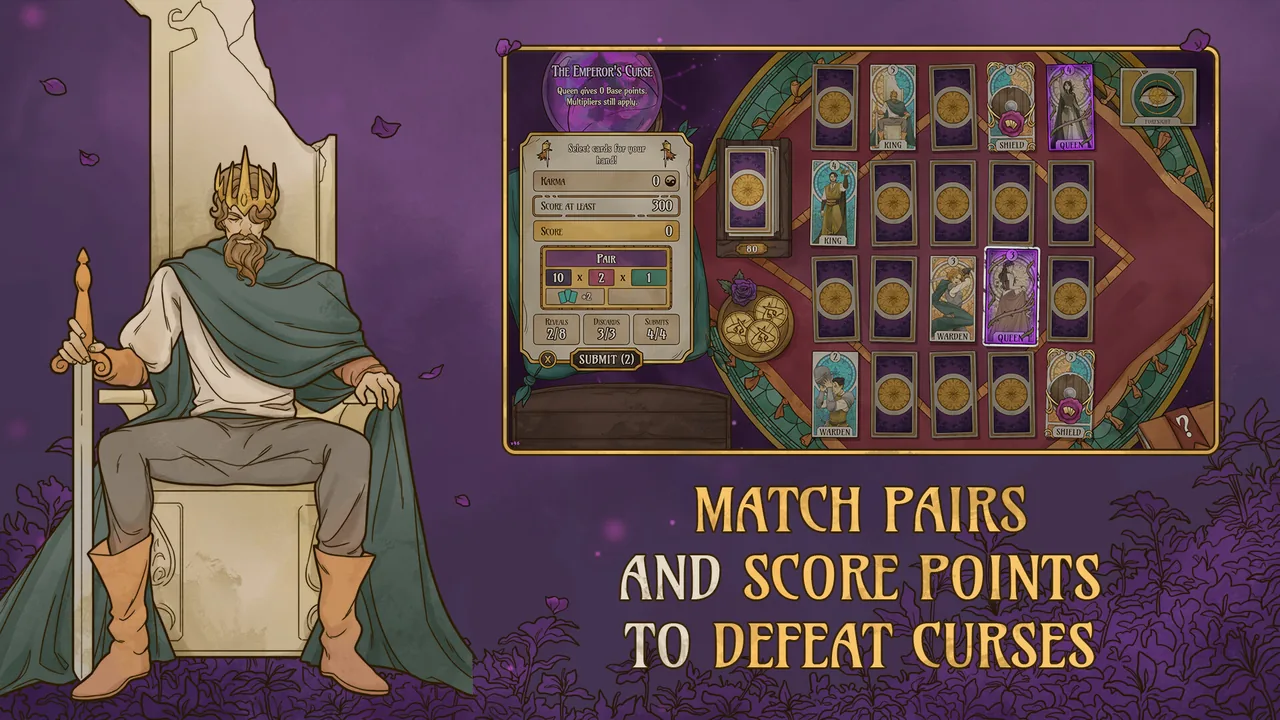
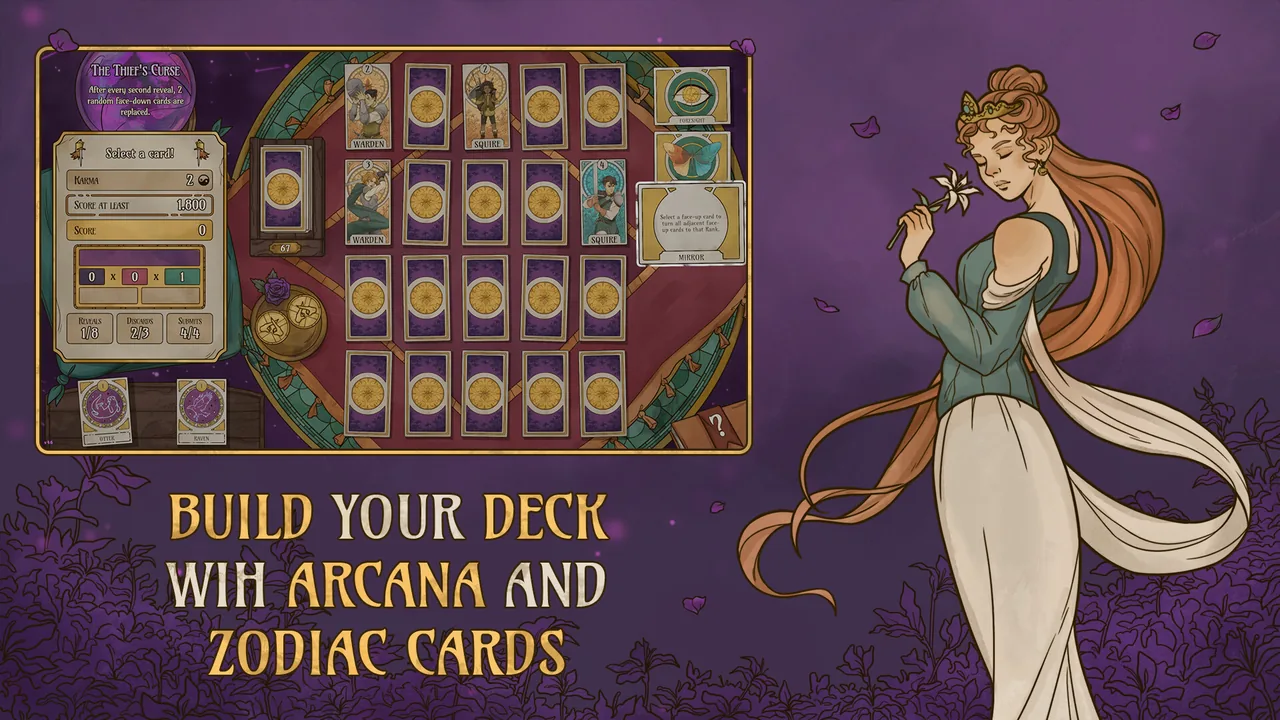
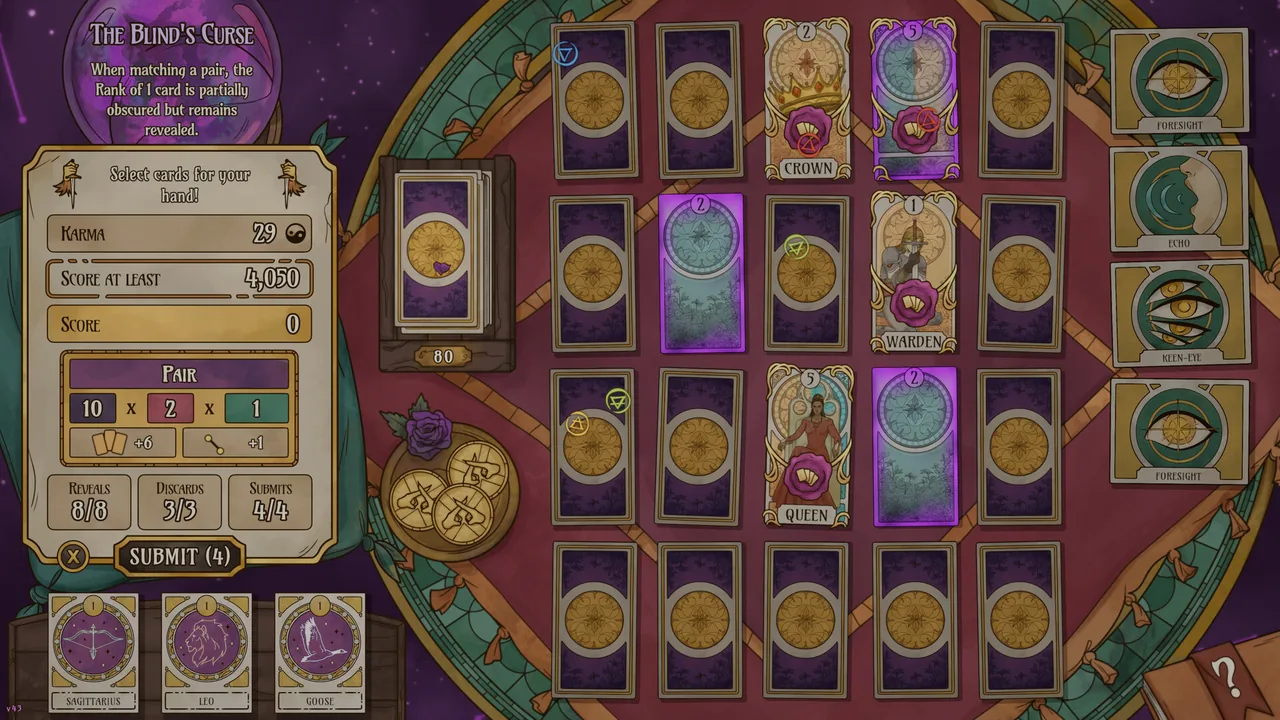
Memoria Arcana is a mystical memory roguelike from solo studio Reija, reworking the classic childhood pair-matching game into a scoring system built around poker-style hands, powered by Arcana cards, Zodiac combos, and strange Curses that reshape each run. This review draws on an English review sample, 22 reviews at the time of research, entirely positive.
Praised for striking Art Nouveau visuals
Reviewers consistently credit the game for its distinctive visual identity. "One of the prettiest games I've ever played," reads one review. A separate reviewer names the specific inspiration: "I was initially drawn in by the beautiful Art Nouveau style, but the gameplay is what kept me hooked." A third reviewer independently echoes the same reference point: "I'm a big fan of the art deco/Mucha style!" This review treats that as fair: three independent reviewers converging on the same specific artistic influence, rather than vague praise for "nice graphics," is credible, corroborated evidence of a genuinely distinctive visual identity for a solo-developed game at this price.
Praised for a genuinely inventive hybrid mechanic
This review also found consistent, specific praise for the game's core hook. "Love this Balatro X Memory game! I keep telling myself that I'm sharpening my mind, but honestly I'm just addicted to this game," reads one review. A separate reviewer describes the blend in more technical detail: "the combination of memory game and building hands like in poker is not only creative but also incredibly engaging... neither feels out of place and they complement each other perfectly." This review treats that as fair: multiple reviewers independently praising the specific way two familiar genres are combined, rather than either element in isolation, is credible evidence of a genuinely well-executed hybrid design rather than a shallow mashup.
Praised for a relaxing, meditative mood
This review also found reviewers crediting the game's overall pacing and atmosphere. "The overall mood of this game is very relaxing, so I can take all the time to learn the mechanics of the game without feeling frustrated," reads one review. A separate reviewer frames a similar quality more briefly: "great little brain workout with a nice twist! The game mechanics are well explained, and the overall game flow feels very relaxing." This review treats that as fair: reviewers independently crediting the same calm, unhurried pacing as central to their enjoyment is credible evidence the game achieves the meditative tone its mystical framing suggests, even for players still learning its systems.
A fair, heavily corroborated complaint about a steep learning curve
Set against that praise, this review found the sample's most consistently repeated complaint. "I was a bit confused with the first few games, but everything got clearer after reading the handbook, which contains more detailed instructions than the tutorial: I should probably have done that from the get go," reads one detailed review. A separate reviewer reaches the same conclusion more bluntly: "needs a bit of a tutorial mode, since the game throws all the systems at once at you which feels a bit like being thrown in the deep end." A third reviewer independently confirms the pattern even while ultimately recommending the game: "I'm not sure if I'd want it to have an even more detailed tutorial. It's a tad frustrating at times." This review treats that as fair: three independent reviewers converging on the same specific onboarding weakness, even while all still enjoying the game overall, is strong, corroborated evidence the tutorial genuinely under-explains systems that the handbook covers more thoroughly.
A fair complaint about missing quality-of-life features
This review also found a specific, corroborated complaint about the game's polish around its edges. One detailed reviewer writes: "I do wish it had some more quality of life features like giving up on a game when it clearly can't be won anymore, happened to me a few times." A separate reviewer raises a related, more specific frustration: "I would appreciate to be able to access the handbook from the shop, so that I can refer to it before buying a card: as a new player, I'm not yet familiar enough with all the contents and mechanics to always make the best decision with my karma." This review treats that as fair: two reviewers independently identifying different but related gaps, no way to concede a lost run and no reference material at the point of purchase decisions, is credible evidence the game's systems are ahead of its current interface support for learning them.
A note on this review's small, uniformly positive sample
This review draws on 22 English reviews at the time of research, all of them positive, and this review's own check of Steam's global achievement data for Memoria Arcana returned no tracked achievements at all, a gap one reviewer explicitly raised as a complaint about perceived lack of content. The absence of achievement data removes a normal way of independently corroborating how far players typically progress or how many bounce off the steep early learning curve documented above, so this review treats the recommendation with some caution appropriate to a small, entirely favourable sample.
Final verdict
Memoria Arcana is a gorgeous, genuinely inventive memory-meets-poker roguelike that earns real, corroborated credit for its distinctive Art Nouveau art style, a well-blended hybrid mechanic, and a relaxing overall mood. This review found that praise tempered by a heavily corroborated complaint that the game under-explains its own systems relative to what its handbook covers, alongside some missing quality-of-life features around conceding lost runs and referencing card information while shopping. For fans of memory games or score-chasing roguelikes who don't mind reading up before they play, it's a striking, worthwhile pickup at a modest price; players wanting a gentler, better-taught introduction should temper expectations.
Pros and cons
Pros
- Praised repeatedly and independently for its Art Nouveau, Mucha-inspired art style, with reviewers describing it as one of the prettiest games they have played.
- Praised for a genuinely inventive core mechanic, with multiple reviewers independently comparing it to Balatro while crediting the addition of memory-based pair matching as a fresh, complementary twist rather than a gimmick.
- Praised for a relaxing, meditative overall mood, with reviewers crediting the game's atmosphere and pacing as letting them learn its systems without feeling rushed or punished for mistakes.
Cons
- A fair, heavily corroborated complaint from multiple reviewers is that the game throws most of its systems at players at once with too little upfront explanation, leaving several to rely on an in-game handbook that isn't obviously signposted from the tutorial.
- A fair complaint from more than one reviewer is that the game lacks quality-of-life features, such as a way to concede a run that is clearly unwinnable rather than playing it out to the end.
- A fair complaint from one reviewer is that the handbook explaining card combinations and multipliers isn't accessible from the in-game shop, making it harder for new players to make informed purchase decisions with their limited in-run currency.
- This review's own check of achievement data returned no tracked achievements at all, matching a specific complaint from one reviewer about a perceived lack of content, and removing a normal way of independently corroborating how players actually progress through runs.
Screenshots
-
Memoria ArcanaImage: Reija via Steam -
Memoria ArcanaImage: Reija via Steam -
Memoria ArcanaImage: Reija via Steam -
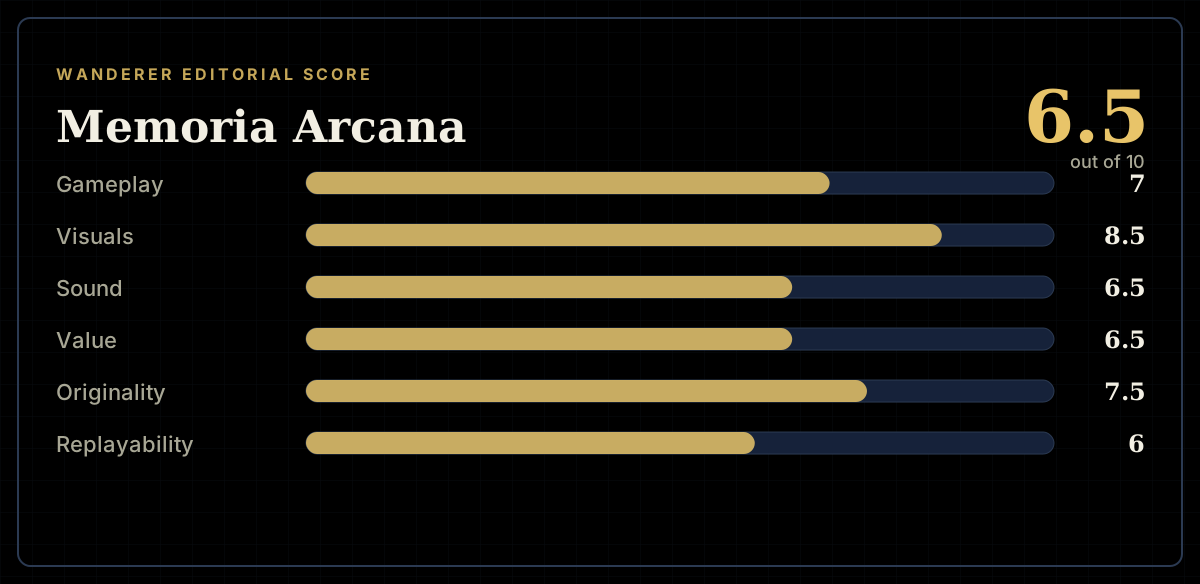
How the review scores each part of the gameWanderer Editorial -
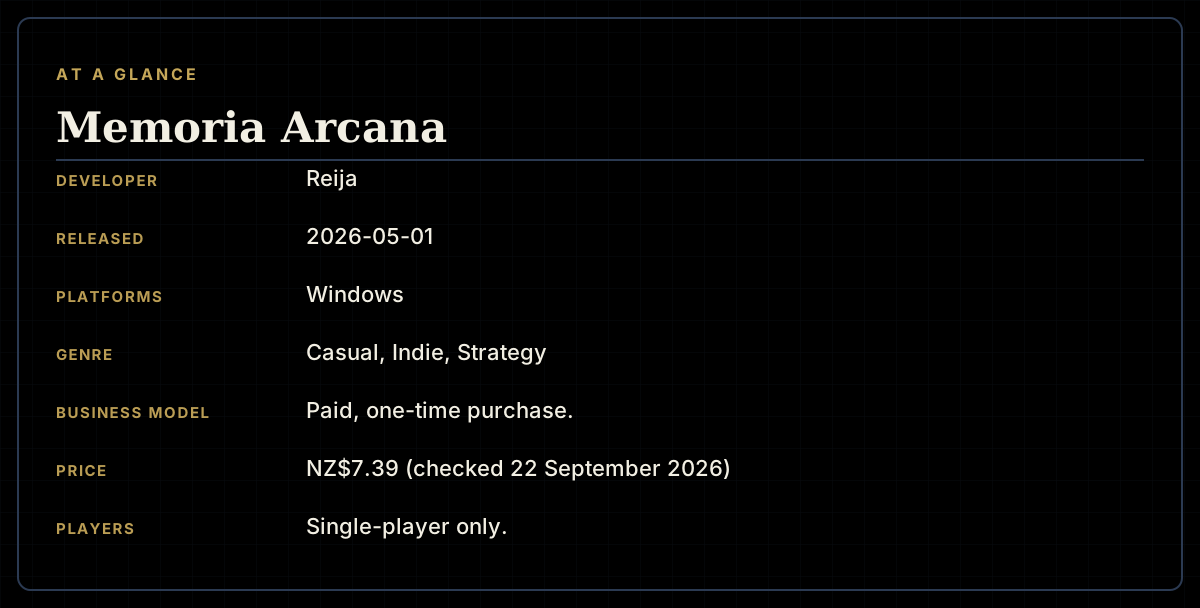
The specs at a glanceWanderer Editorial -
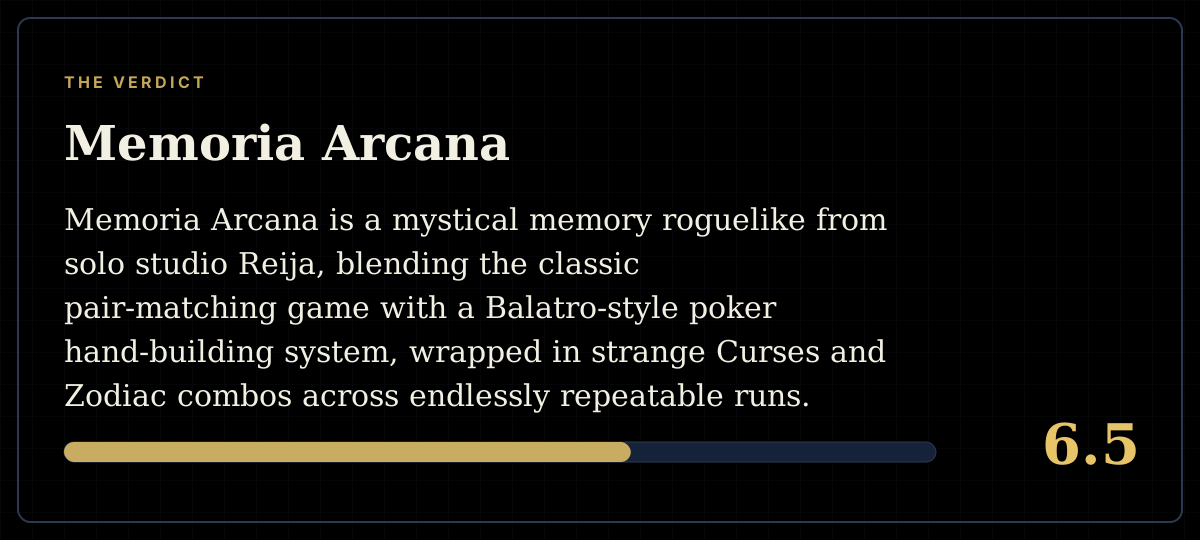
The short versionWanderer Editorial