
Game review
MAINLINE Review
7 / 10
- Developer
- Bakuevo
- Publisher
- Bakuevo
- Released
- 13 September 2026
- Platforms
- ["Windows"]
- Genre
- Action
You Are the Drug
MAINLINE opens with a premise so committed to its bit that it takes a moment to process: you are a dose of caffeine, injected into the arm of an exhausted human, and your job is to race through the bloodstream, peripheral vein to heart to lung to aorta to the blood-brain barrier and finally the brain itself, killing everything in your path before you get metabolized out of existence. It's a roguelike FPS built entirely around forward momentum, no health bar, just a four-second survival timer that only refills when you land a kill, and it commits to that conceit with a straight face all the way through six increasingly hallucinatory chapters. Few $2.99 indie shooters arrive with a pitch this specific, and fewer still actually build the entire mechanical structure of the game around making that pitch literal.
No Health Bar, Just Momentum
The central hook here is genuinely clever: rather than a traditional health pool, MAINLINE tracks a constantly-draining survival timer that isn't even displayed as a bar, it's communicated entirely through darkening vision and an accelerating heartbeat sound as metabolism closes in. Every kill buys time back; every hit taken drains it faster. Critically, every kill also permanently raises your movement speed for the remainder of the run, so a good run doesn't just feel successful, it visibly accelerates, view widening and speed lines stretching as the kill chain extends. One reviewer nails the reference point precisely, comparing the sensation to the film Crank, where the protagonist has to keep his adrenaline up to stay alive: "there's no health, just time... the more you kill, the faster the game gets." That's an unusually well-realized marriage of theme and mechanics for a solo or small-team roguelike shooter.
A Setting That Doubles as a Difficulty Curve
The bloodstream setting isn't just flavor text either; it directly shapes the six-chapter structure. Peripheral vein, heart, lung, aorta, blood-brain barrier, and the brain itself each get their own color palette, shifting from dark venous red through to the electric hues of nerve tissue by the finale, and each stage introduces enemy types themed to its location: platelet walls that block shots outright, clot lasers that sweep the vessel, and adenosine receptors standing in the way like biological checkpoints. A mutant boss guards the exit of every chapter, and losing to one wipes every card and gun upgrade earned that run, restarting the chapter from scratch. That's a harsh, classic-roguelike severity that fits the frantic, no-safety-net tone the rest of the design is going for, even if it will frustrate players expecting a gentler checkpoint system.
Cards, Guns, and a Single-Weapon Rule
Between chapters, MAINLINE hands players one of three upgrade cards, either a new gun or an upgrade to the one currently held, and importantly, you only ever carry exactly one weapon at a time. Magazine size, damage, fire rate, and reload speed upgrades stack even across weapon swaps, which gives runs a real sense of build identity despite the single-weapon restriction, you're not hoarding an arsenal, you're sculpting one gun into whatever the run demands. The one soft spot flagged in early feedback is weapon feel consistency: the same reviewer who drew the Crank comparison notes that "weapons are hit-and-miss but everything else is awesome," suggesting some guns in the current pool land more satisfyingly than others, a fixable balance concern rather than a structural one.
A Fast Response to a Rough First Impression
To the developer's credit, MAINLINE didn't sit still after launch. A version 1.1.0 patch arrived quickly, explicitly acknowledging that the difficulty curve in the opening stages was too steep and was causing first-time players to bounce off before they'd had a chance to learn the systems, and reducing the number of Normal-mode stages on a first run from seven down to four in response. That's exactly the kind of responsive, humble post-launch adjustment a tightly-scoped roguelike benefits from, trading a slightly shorter first-run ladder for a much gentler on-ramp into a game whose central mechanic (never stopping, ever) genuinely does need some runway to click.
Four Ways to Chase the High
Beyond the core Normal stages, MAINLINE offers EX1, EX2, and an Endless mode with Steam leaderboard support, giving the roguelike structure real replay legs despite an expected total playtime of just one to three hours for the base content. That leaderboard-chasing Endless mode is clearly where the genre-faithful, high-score-hunting audience is meant to live longest, and it's a sensible way to stretch a tight, focused core loop without artificially padding the base campaign with filler stages. Players sensitive to flashing lights and rapid color inversion should take the game's own content warning seriously, though, since the escalating-speed visual design leans hard into exactly that kind of intensity by its later chapters.
Verdict
MAINLINE takes an absurd, high-concept premise, you are caffeine, racing to wake up a dying brain, and builds a genuinely coherent, mechanically clever roguelike FPS around it, with a no-health, kill-to-survive timer system that ties theme and gameplay together tighter than most games ten times its budget manage. Some weapon-feel inconsistency and a since-patched punishing opening curve keep it from being a flawless recommendation, but the developer's fast, humble response to early feedback is a good sign for where this $2.99 shooter goes from here. For anyone who wants a short, intense, mechanically inventive shooter to burn an evening chasing a leaderboard spot, MAINLINE is well worth the price of an actual energy drink.
Screenshots
-
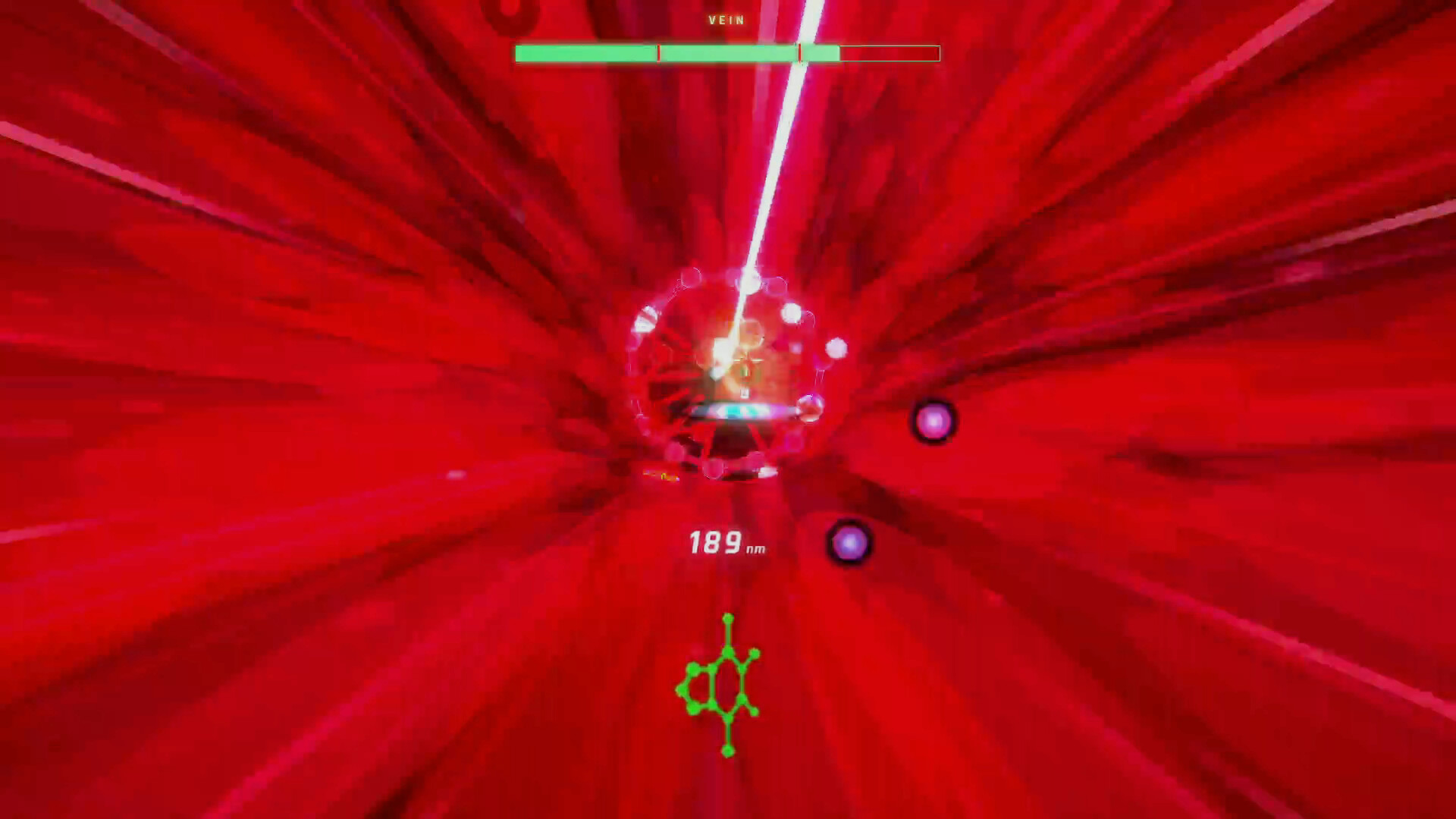
The Vein stage HUD shows the survival timer instead of a health bar, refilled only by kills.Image: Bakuevo via Steam -
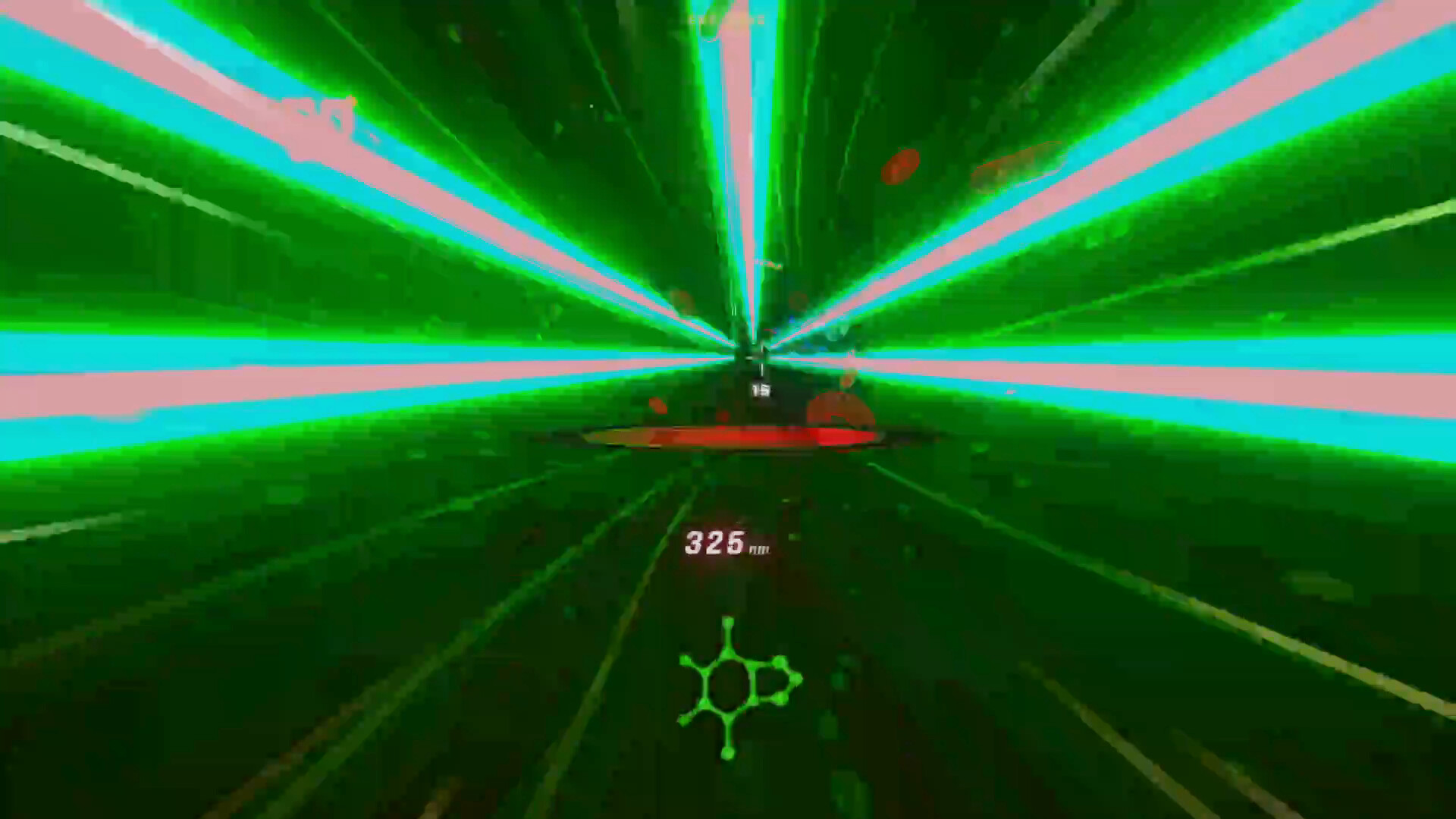
Speed and color palette escalate together as a run's kill chain extends.Image: Bakuevo via Steam -
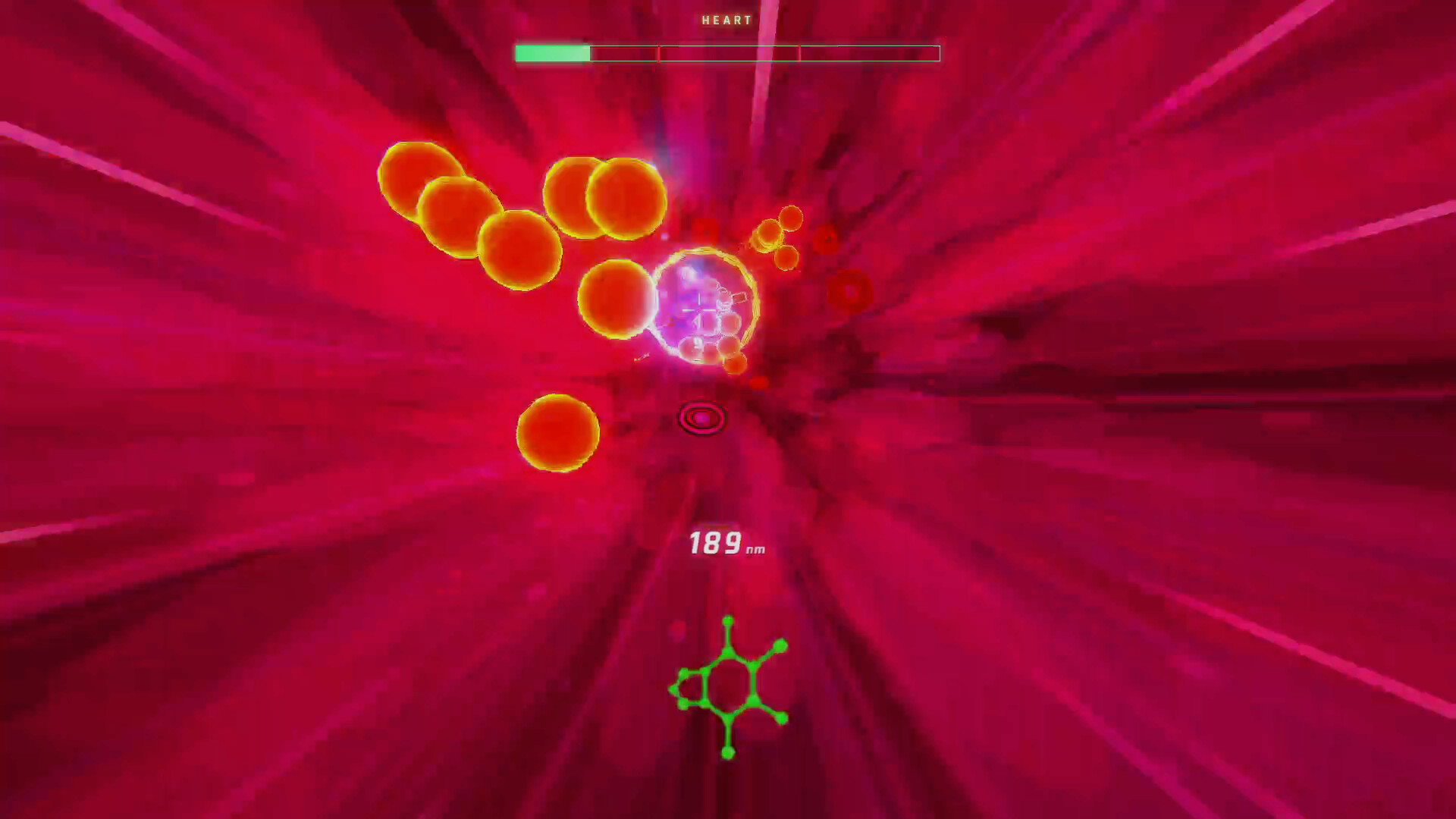
Clustered enemies in the Heart chapter, one of six bloodstream locations with its own hazards.Image: Bakuevo via Steam