
Game review
Layers of Fear (2023)
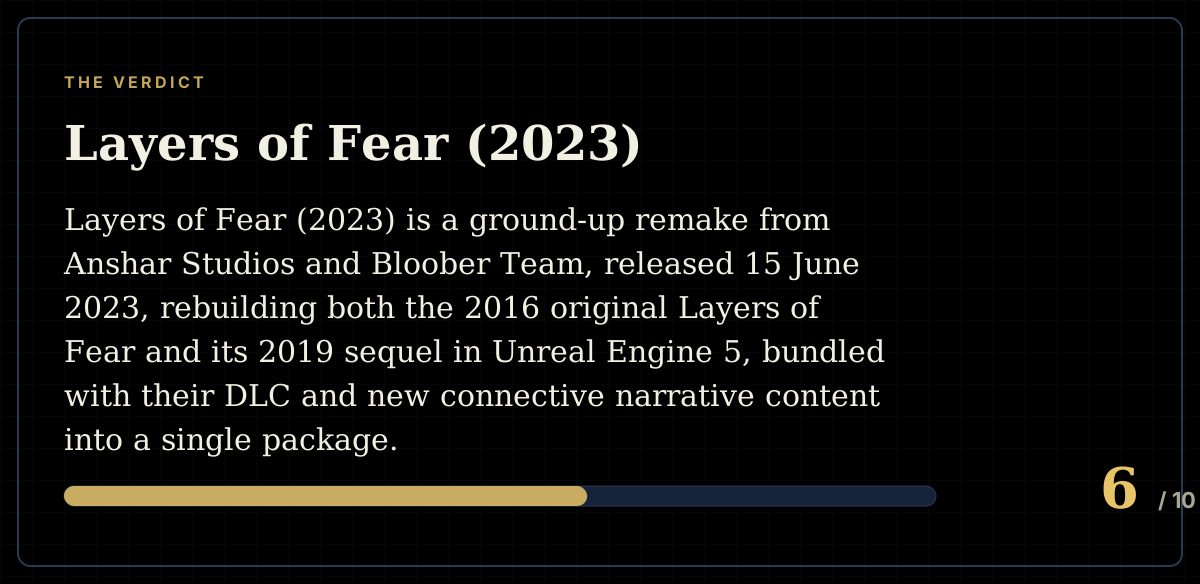
6 / 10
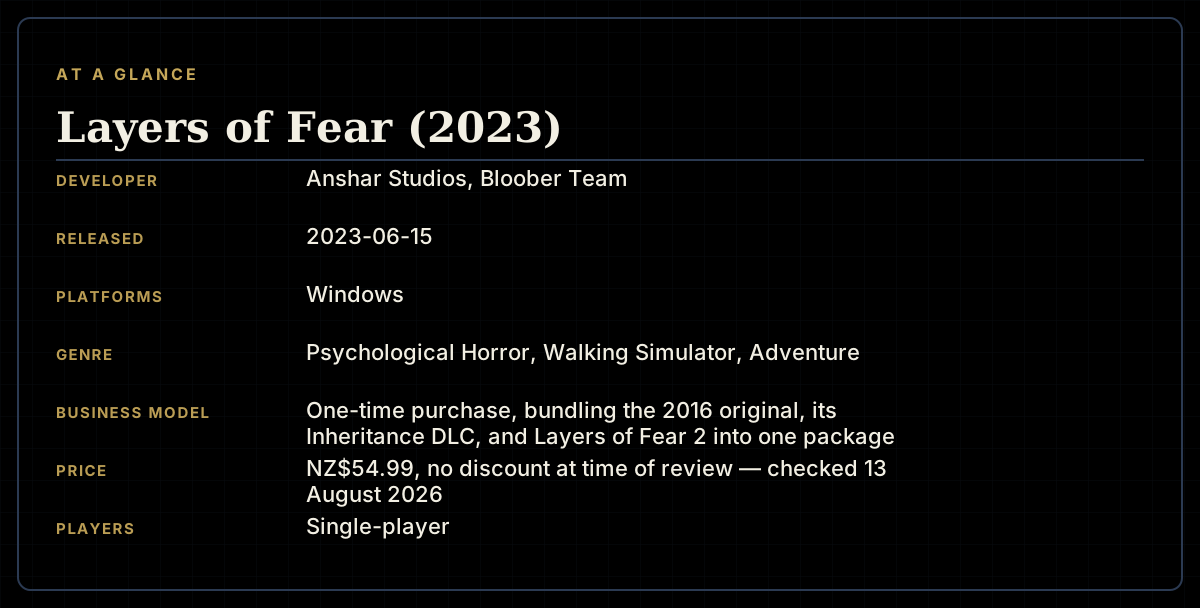
- Developer
- Anshar Studios, Bloober Team
- Publisher
- Bloober Team SA
- Released
- 15 June 2023
- Platforms
- Windows
- Genre
- Psychological Horror, Walking Simulator, Adventure
- Monetisation
- One-time purchase, bundling the 2016 original, its Inheritance DLC, and Layers of Fear 2 into one package with new connective content.
- Players
- Single-player
The short version
Layers of Fear (2023) is a ground-up remake from Anshar Studios and Bloober Team, released 15 June 2023, rebuilding both the 2016 original Layers of Fear and its 2019 sequel in Unreal Engine 5, bundled with their DLC and new connective narrative content into a single package. It sits at a lifetime Mostly Positive 79.0% across 1,700 reviews. This review reads a substantial share of both samples, plus the 2016 original's current standing for comparison, and finds a consistent, well-corroborated pattern: a meaningful share of the negative sample comes from players who loved the original and specifically prefer it, and the gap isn't just a feeling — the 2016 Layers of Fear currently holds a stronger Very Positive 88.4% against this remake's Mostly Positive 79.0%, a real, measurable nine-point difference on the same storefront.
Biggest strengths
- Genuinely substantial content for the price — the original Layers of Fear, its Inheritance DLC and Layers of Fear 2 are all included alongside new connective narrative material
- Visual presentation benefits clearly from the Unreal Engine 5 rebuild, with reviewers on both sides of the verdict crediting the graphical upgrade
- New overarching narrative connecting the previously separate games is praised by some reviewers as an ambitious, if divisive, structural choice
Biggest weaknesses
- A meaningful, specific share of this review's negative sample comes from players who experienced the 2016 original directly and describe this remake as losing what made it distinctive, with new voice acting and writing singled out repeatedly as weaker than the original's more ambiguous, unvoiced approach
- The 2016 original currently holds a stronger Very Positive 88.4% rating against this remake's Mostly Positive 79.0% on the same storefront — a real, checkable gap rather than just a vocal minority's impression
- Several reviewers report the game marketed ambiguously, expecting a straightforward remaster and feeling misled by how much of the experience is reworked or newly written rather than faithfully restored
Who it's for: Newcomers to the series who want all of its content — two games, DLC and new material — in one modern-looking package; existing fans of the 2016 original should know the returning consensus favours the source material over this retelling.
Our recommendation: A reasonable value proposition for series newcomers given how much content is bundled together, but existing fans of the original are better served seeking that game out directly rather than buying this remake expecting an improvement.
6 / 10
Introduction
Layers of Fear (2023) rebuilds Bloober Team's psychological horror series from the ground up in Unreal Engine 5, bundling the 2016 original, its Inheritance DLC, and 2019's Layers of Fear 2 into one package alongside new content connecting them under an overarching narrative. Developed by Anshar Studios in collaboration with Bloober Team, it released 15 June 2023 and sits at a lifetime Mostly Positive 79.0% across 1,700 reviews. This review reads a substantial share of both the negative and positive samples, plus the original 2016 game's current standing for direct comparison, and finds a genuinely useful case study in what happens when a remake meets a beloved original's most devoted fans.
The old one was better — and the numbers agree
A large, specific share of this review's negative sample comes from players who experienced the 2016 original directly and describe the remake as a step down rather than an improvement. "The original layers of fear was amazing," writes one reviewer. "This remake is just terrible... The voice acting is criminal. The new writing is so basic." Another, a self-described long-time fan of Bloober Team's catalogue, calls the remake "a deception compared to the original" and states plainly they would no longer buy from the studio without hesitation. This isn't just a vocal minority's impression — checking the 2016 original's current Steam standing confirms a real, measurable gap: it holds Very Positive 88.4% across 27,632 reviews, against this remake's Mostly Positive 79.0% across 1,700. A nine-point difference on the same storefront, for what is substantially the same underlying content, is a genuinely useful and checkable data point rather than nostalgia talking.
What changed, and why it bothers returning fans
The specific complaint driving that gap centres on voice acting and rewritten narrative content. The original Layers of Fear built its unease partly through ambiguity and a largely unvoiced, text-and-environment-driven story; the remake adds voice acting and new connective writing that several reviewers feel undercuts that restraint. One detailed review argues Bloober Team "understands little of what made some of their games so special," describing set pieces from the original as "ruined or removed" rather than enhanced. A separate, more measured complaint concerns marketing: some reviewers report expecting a straightforward remaster and feeling misled by how much of the experience was rewritten rather than faithfully restored — "if your game is a remaster, market it as a remaster," as one puts it.
The case for it, especially for newcomers
None of this means the package has no merit, and this review's sample includes real, substantive defence worth reporting fairly. Several reviewers specifically frame the value proposition well: this is two full games, their DLC, and new material in one release, which is a reasonable amount of content for players who never experienced either original. One reviewer clarifies confusion in other reviews directly, noting the package includes "2016, 2016 DLC, and 2, and another narrative, AND an overarching narrative" tying it together — a genuinely ambitious structural attempt, even if its execution divides opinion. For a newcomer with no attachment to the originals, the visual upgrade and consolidated content are real, tangible benefits the comparison to the 2016 game doesn't erase.
Final Verdict
Layers of Fear (2023) is a case where checking the predecessor settles more than opinion alone could: a large, specific share of critical reviewers are returning fans with a direct point of comparison, and the original's own current Steam standing — nine points higher — backs their read. For newcomers wanting the whole series' content in one modern-looking package, this remains a reasonable buy. For anyone who already loved the 2016 original, this review's sample says clearly: seek that game out directly rather than expecting this remake to improve on it.
Pros and cons
Pros
- Genuinely substantial content for the price — the original Layers of Fear, its Inheritance DLC and Layers of Fear 2 are all included alongside new connective narrative material
- Visual presentation benefits clearly from the Unreal Engine 5 rebuild, with reviewers on both sides of the verdict crediting the graphical upgrade
- New overarching narrative connecting the previously separate games is praised by some reviewers as an ambitious, if divisive, structural choice
- A reasonable entry point for players who never experienced either original game and want the full series content in one modern release
Cons
- A meaningful, specific share of this review's negative sample comes from players who experienced the 2016 original directly and describe this remake as losing what made it distinctive, with new voice acting and writing singled out repeatedly as weaker than the original's more ambiguous, unvoiced approach
- The 2016 original currently holds a stronger Very Positive 88.4% rating against this remake's Mostly Positive 79.0% on the same storefront — a real, checkable gap rather than just a vocal minority's impression
- Several reviewers report the game marketed ambiguously, expecting a straightforward remaster and feeling misled by how much of the experience is reworked or newly written rather than faithfully restored
- Specific traversal and puzzle-logic complaints recur across the sample, including doors that fail to close properly and level-geometry issues that can strand players
Screenshots
-
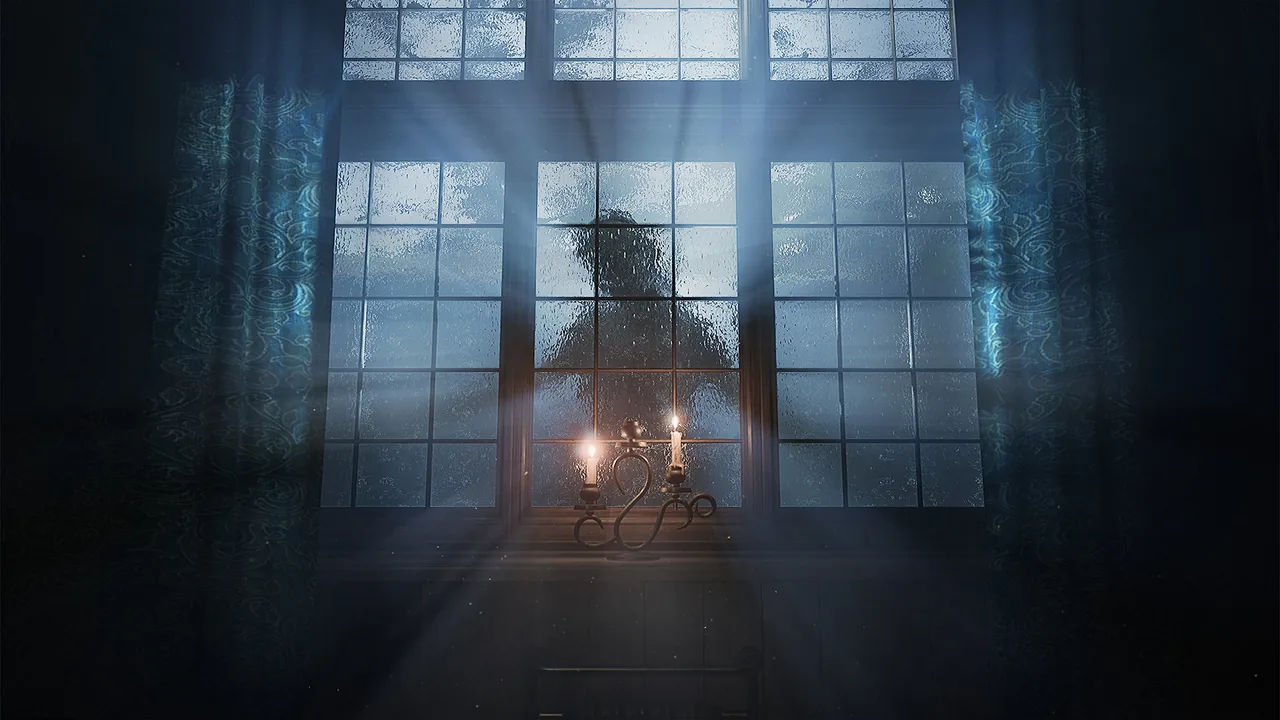
Layers of FearImage: Bloober Team SA via Steam -
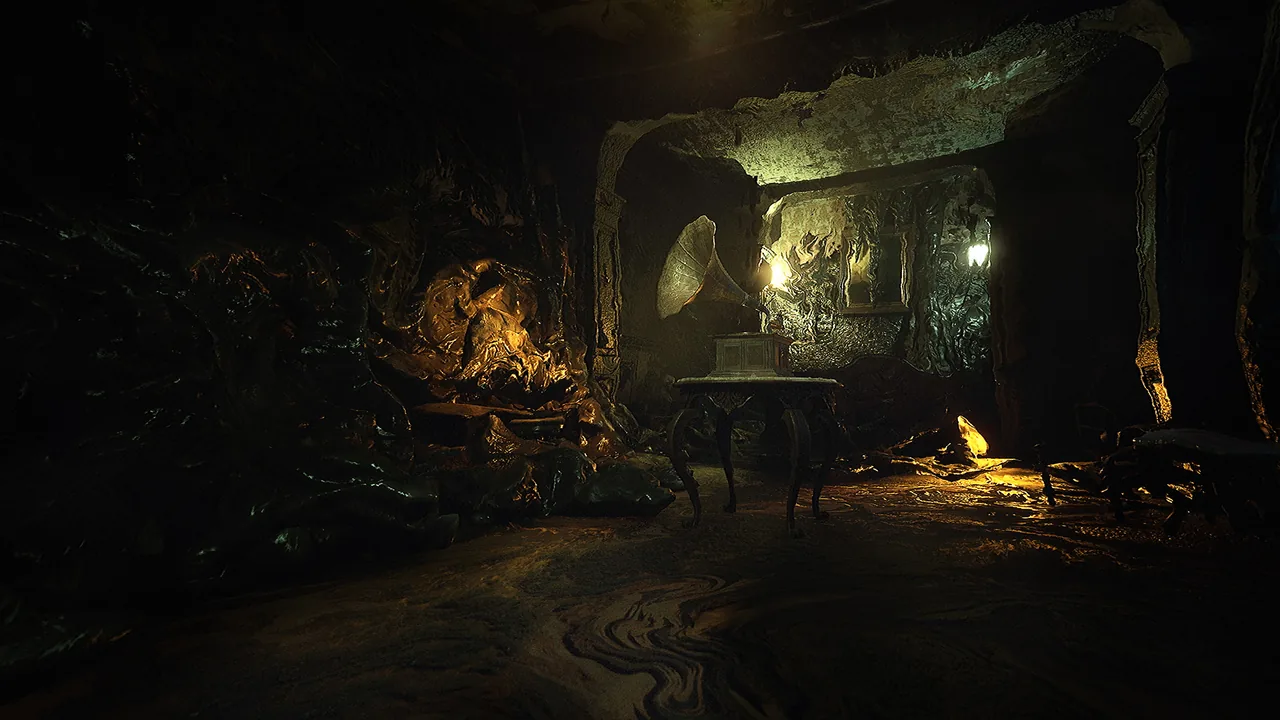
Layers of FearImage: Bloober Team SA via Steam -
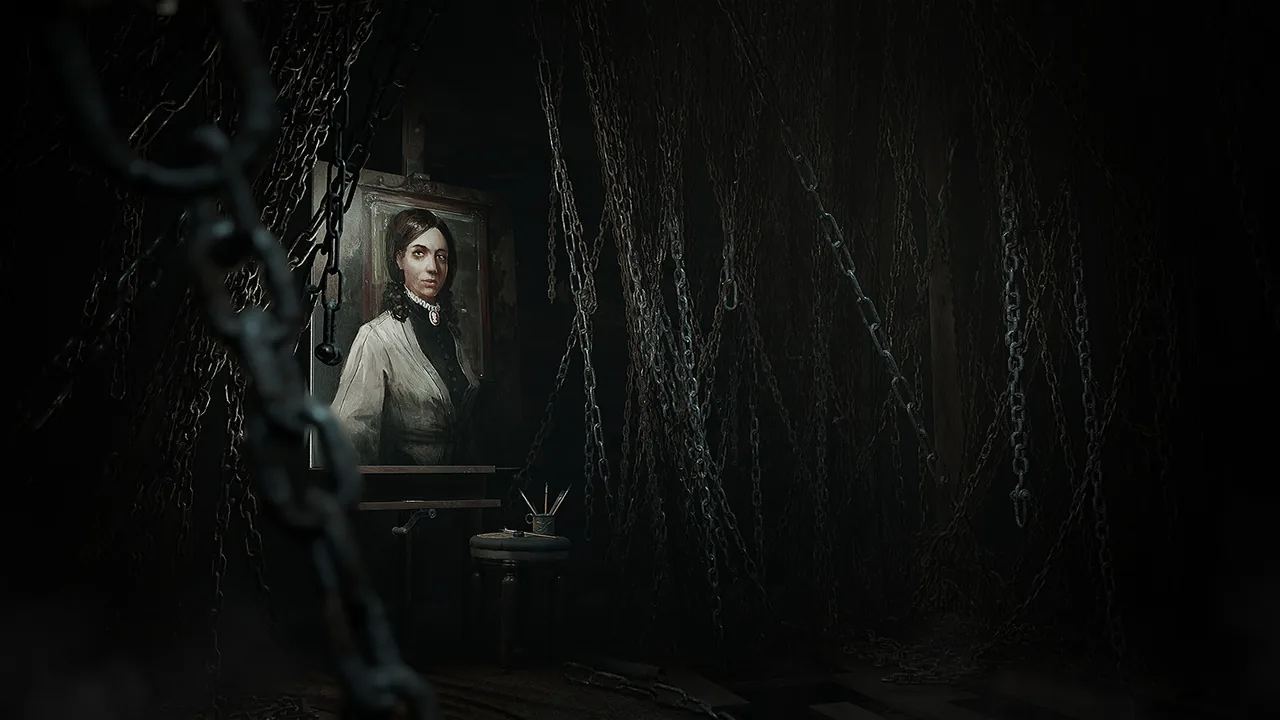
Layers of FearImage: Bloober Team SA via Steam -
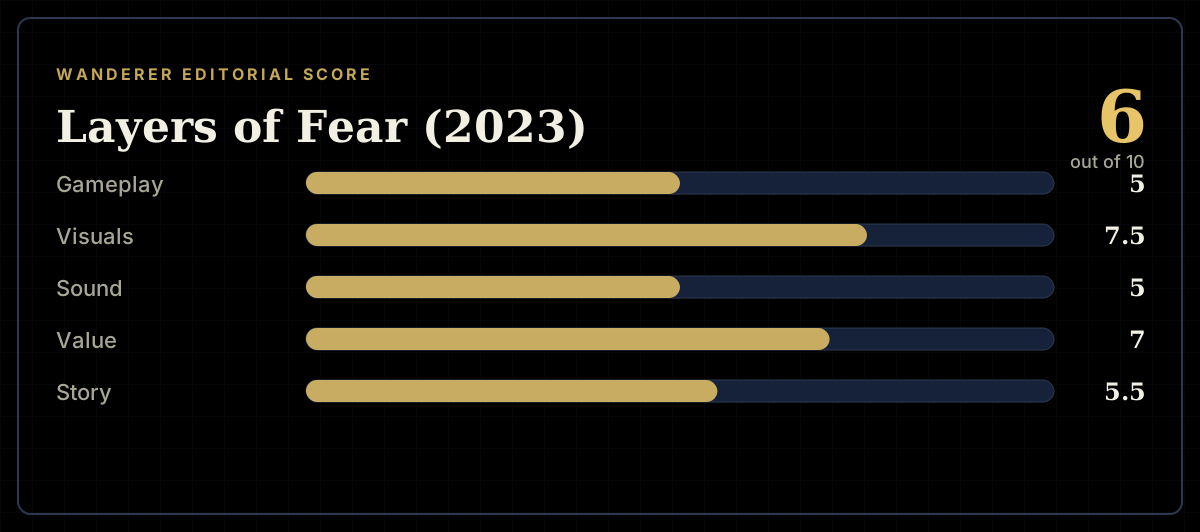
How the review scores each part of the gameWanderer Editorial -
The essentials at a glanceWanderer Editorial -
The short versionWanderer Editorial