
Game review
Kugayama Shiori's Death Diary Review: A Tearjerking Mystery With One Ugly Flaw
8.3 / 10
- Developer
- Laplacian
- Publisher
- Laplacian
- Released
- 29 April 2026
- Platforms
- Windows
- Genre
- Adventure
- Monetisation
- $24.99
- Players
- false
The short version
Kugayama Shiori's Death Diary tells a genuinely gripping, twist-heavy ghost mystery with a true ending that reduces most players to tears, and even a real, recurring complaint about generative AI background art hasn't stopped it from becoming one of the best-reviewed visual novels of the year.
Biggest strengths
- A genuinely gripping mystery structure with well-planted twists and misdirection that a large majority of reviewers say pays off by the true ending
- A devastating, widely-praised true ending that reviewers repeatedly describe in strongly emotional terms, several naming it among their favourite visual novels of the year
- Strong voice acting and a well-realized cast, including a title character reviewers say grows from a deliberately blank slate into someone worth caring about
Biggest weaknesses
- A recurring, independently-raised complaint that generative AI was used for background art throughout much of the game, which multiple reviewers, including ones who otherwise loved the story, single out as a genuine detractor
- A slow, deliberately flat opening stretch built around the amnesiac protagonist's blank personality, which at least one reviewer says nearly caused them to give up before the story picked up
- Choices can feel sparse for a branching mystery, with the sheer number of endings doing more of the structural work than moment-to-moment decision density
Who it's for: A strong fit for visual novel and mystery fans who want a dark, emotionally intense story with real narrative payoff across roughly ten hours and multiple endings; a weaker fit for players with a hard line against any generative AI use in commercial art, since that complaint applies to a meaningful portion of the game's backgrounds.
Our recommendation: Buy it
8.3 / 10
A ghost who keeps dying and can't remember why
Kugayama Shiori's Death Diary opens with a premise that sounds almost like a joke and quickly reveals itself as anything but: Shiori is a ghost who dies over and over, retaining almost nothing of her former life except her name, trapped in this world by regrets she can't recall. Paired with the player, the only living person who can hear her, she sets out to piece together her lost memories and, eventually, the truth behind her actual death. It's a mystery-first structure wrapped in horror-adjacent trappings, and developer Laplacian leans into the occult-comedy tone the store page promises without losing the story's emotional stakes.
At $24.99 for an estimated ten-hour playtime, the game asks for a meaningful commitment, and reviewers overwhelmingly say it earns that investment. The narrative unfolds through player choices that shape which of several endings a given playthrough reaches, with an in-game Urban Legend Encyclopedia rewarding players who dig into optional ghost encounters and archive entries along the way.
A mystery that actually pays off
The single most consistent praise across the review base is for the mystery itself: reviewers repeatedly describe well-planted twists, effective misdirection, and a structure that rewards patience. One reviewer called it "AN ABSOLUTE GEM" citing "fantastically written twists" and "perfect misdirections," language echoed across dozens of otherwise-independent reviews. That's a difficult needle to thread in a genre where mystery-VN twists can easily feel either telegraphed or unearned, and the strength of the consensus here suggests Laplacian largely got the balance right.
Not every reviewer found the twists flawless, however. A smaller number specifically call out the game's climactic revelation as arriving with too little earlier foreshadowing, with one writing that "there was no buildup about the mc's identity in the end" and wishing for more hints along the way. This is a minority view relative to the overwhelming praise for the mystery's construction, but it's a real crack worth flagging for players who prioritize airtight plotting above emotional payoff.
An ending that reviewers can't stop crying about
If the mystery is the game's structural achievement, its emotional achievement is the true ending, which comes up again and again in reviews as the reason the game leaves such a lasting impression. Multiple reviewers describe crying, one saying the game "made me emotionally cry... 10/10," another admitting to tears "like a baby" after finally reaching it. Notably, several reviewers report that the true ending has one of the lowest completion percentages among the game's multiple conclusions, meaning a first playthrough is likely to land on a different, less satisfying ending, one reviewer specifically needed a guide to find the true path after landing on a "False Ending" first.
That structural quirk cuts both ways. It rewards replay and exploration for players willing to dig deeper, but it also means players who stop after a single playthrough may walk away with a meaningfully weaker impression of the game than the overwhelmingly positive review score would suggest. Anyone going in should know upfront that chasing the true ending is close to essential to getting what most reviewers are actually praising.
The generative AI question, addressed honestly
Alongside the acclaim sits a real and recurring complaint: multiple, independent reviewers report that generative AI was used for background art throughout much of the game, and several frame this as a genuine detractor even while otherwise loving the experience. One reviewer, in an otherwise glowing review, wrote bluntly, "hate that they used ai cuz like bro... so much good art talent and u still chose too," while a rare negative review went further, calling the AI assets "the ugly blemish" undermining otherwise "fun and engaging characters" and a "well paced story." A third reviewer suggested the developer could have used lightly edited real photographs instead, citing Katawa Shoujo as a precedent for that approach.
This isn't a complaint invented by a hostile minority, it surfaces independently across both positive and negative reviews, which lends it real weight. At the same time, it doesn't appear to have meaningfully dented the game's overall reception; the vast majority of reviewers still rate the game highly despite raising the issue, treating it as a disappointing blemish on an otherwise excellent product rather than a dealbreaker. Players with a firm stance against generative AI in commercial games should weigh this seriously before buying; those less strict about it will likely find, per the review consensus, that the writing and voice work carry the experience regardless.
A slow start built around a blank protagonist
Shiori's amnesia is a deliberate storytelling choice, but it comes with a real cost in the opening hours. At least one reviewer described disliking the experience "for the first hour" specifically because Shiori "felt like such a neutral character that didn't feel like she had any strong personality quirks," only to be won over as the story developed her further. This tracks with the broader shape of the reception: reviewers consistently frame the game as a slow burn that rewards patience, with the emotional and mechanical payoff concentrated in the back half rather than distributed evenly throughout.
The game supports Steam Achievements, Steam Cloud saves, and Family Sharing, is Windows-only with no word yet on Mac or Linux support, and includes an optional Blood Filter that mutes the game's bloodier imagery for players or streamers who prefer to avoid it without removing any of the underlying horror writing or story beats.
Verdict: an emotional gut-punch with a genuine asterisk
Kugayama Shiori's Death Diary earns its Overwhelmingly Positive standing through a mystery that reviewers describe as genuinely well-constructed and a true ending that leaves a real emotional mark on nearly everyone who reaches it. Its generative AI background art is a legitimate, independently-corroborated flaw that the developer hasn't publicly addressed, and it's fair for that to factor into a purchase decision. But judged as a piece of storytelling, which is ultimately what a visual novel lives or dies by, it's hard to argue with a review base this consistent in calling it one of the year's standout mystery VNs.
Pros and cons
Pros
- A genuinely gripping mystery structure with well-planted twists and misdirection that a large majority of reviewers say pays off by the true ending
- A devastating, widely-praised true ending that reviewers repeatedly describe in strongly emotional terms, several naming it among their favourite visual novels of the year
- Strong voice acting and a well-realized cast, including a title character reviewers say grows from a deliberately blank slate into someone worth caring about
- Multiple distinct endings including a lower-completion-rate 'true' path, giving the roughly ten-hour story real incentive to dig deeper rather than stop at the first conclusion
Cons
- A recurring, independently-raised complaint that generative AI was used for background art throughout much of the game, which multiple reviewers, including ones who otherwise loved the story, single out as a genuine detractor
- A slow, deliberately flat opening stretch built around the amnesiac protagonist's blank personality, which at least one reviewer says nearly caused them to give up before the story picked up
- Choices can feel sparse for a branching mystery, with the sheer number of endings doing more of the structural work than moment-to-moment decision density
- A late-game plot twist that a couple of reviewers felt arrived without enough earlier foreshadowing to feel fully earned
Screenshots
-
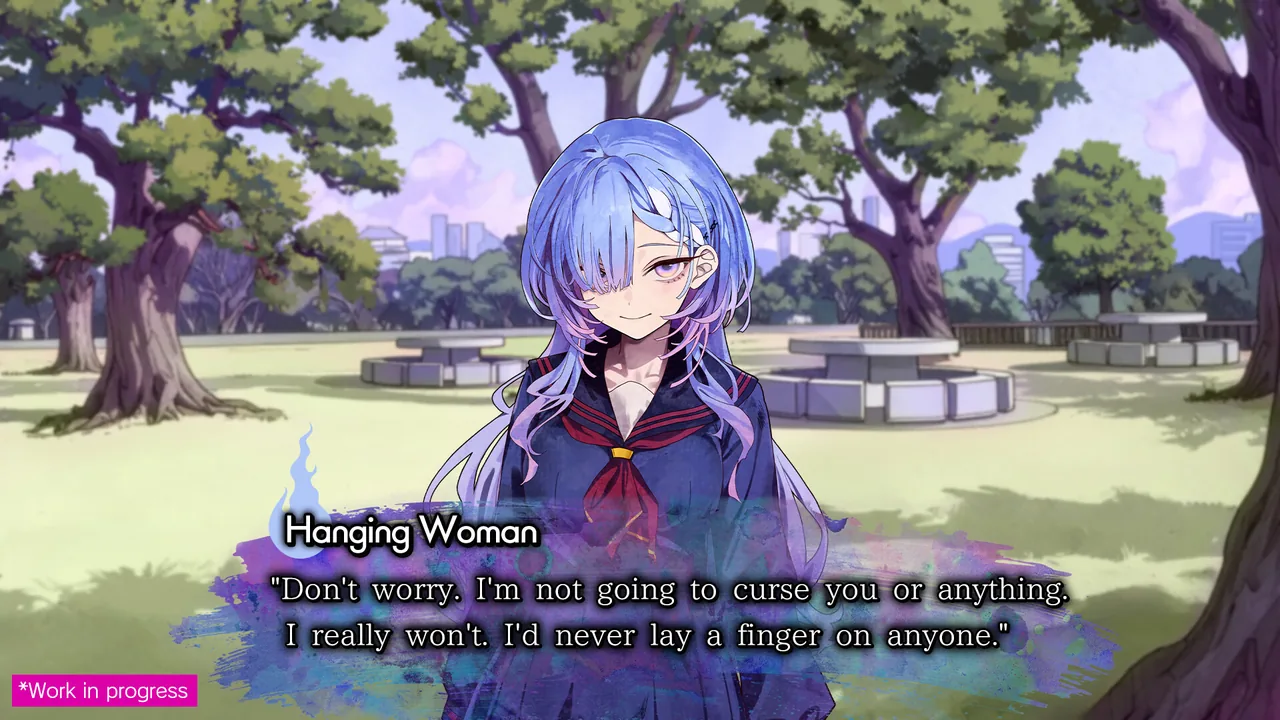
Kugayama Shiori's Death DiaryImage: Laplacian via Steam -
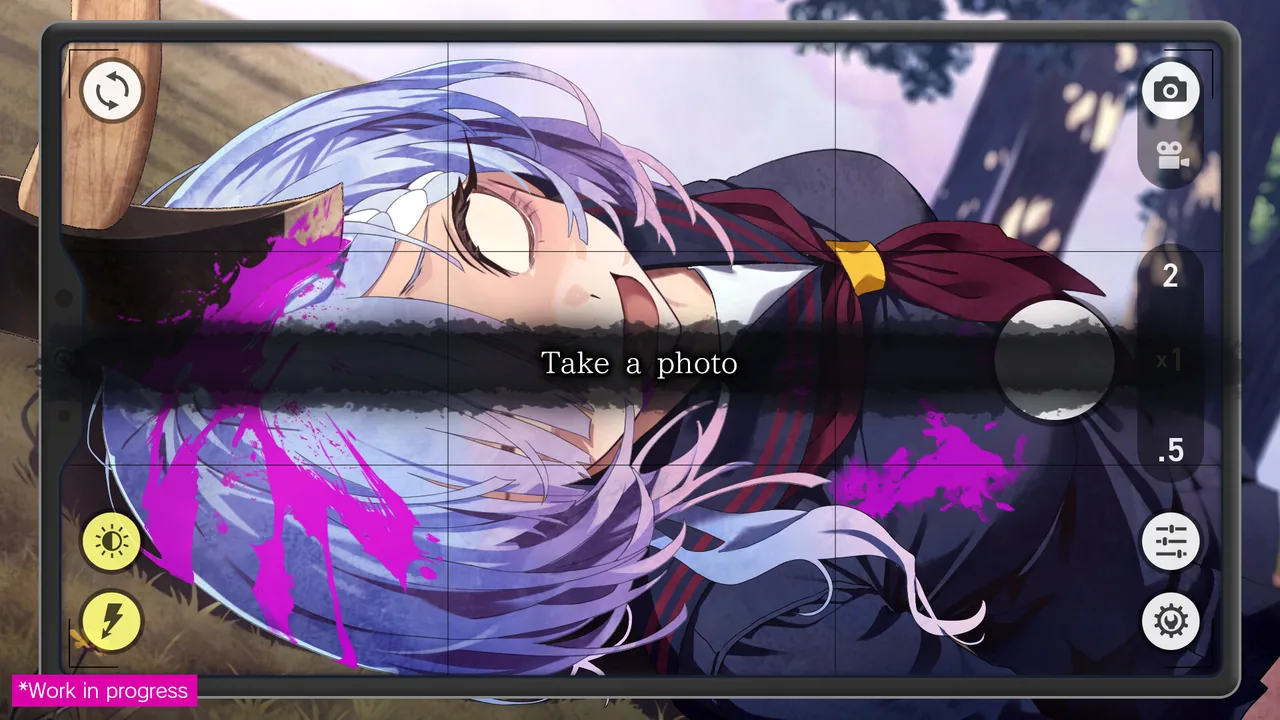
Kugayama Shiori's Death DiaryImage: Laplacian via Steam -

Kugayama Shiori's Death DiaryImage: Laplacian via Steam -
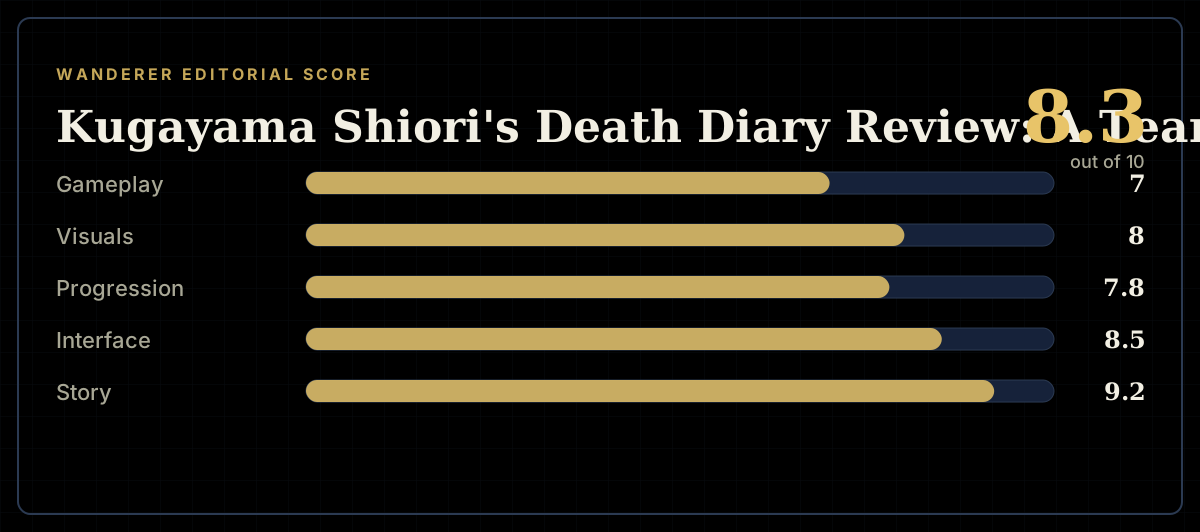
How the review scores each part of the gameWanderer Editorial -
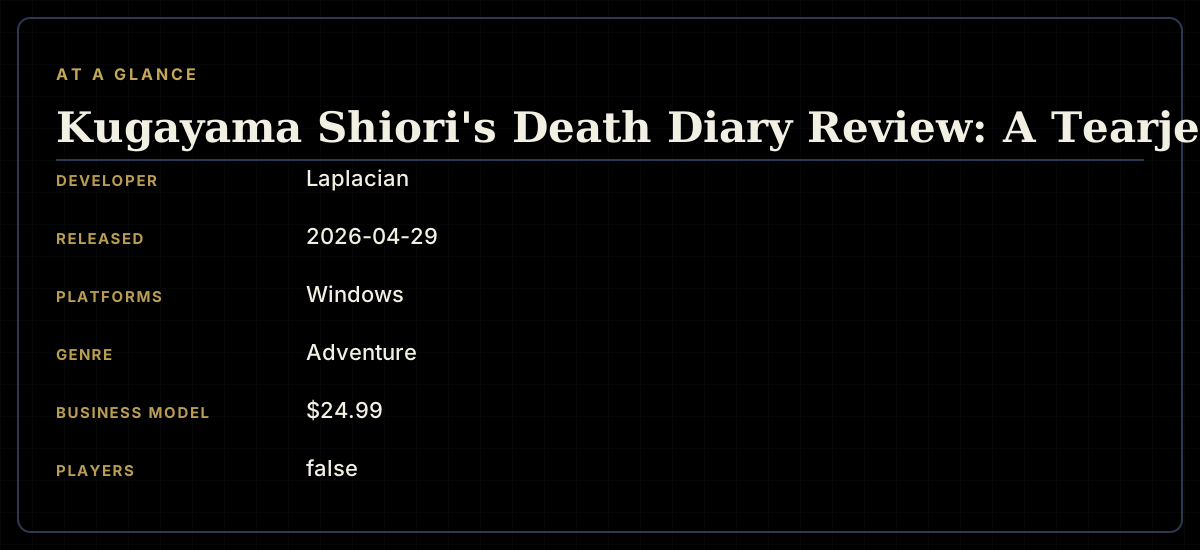
Platform and release detailsWanderer Editorial -
The short versionWanderer Editorial