Game review
Kinetype
6.5 / 10
- Developer
- Morlytic
- Publisher
- Morlytic
- Released
- 5 June 2026
- Platforms
- Windows
- Genre
- Casual, Strategy, Early Access
- Monetisation
- paid
- Players
- false
The short version
Biggest strengths
- A genuinely novel core concept, using the keyboard and typed commands as the actual interface for movement and survival, that reviewers repeatedly called unlike anything else they'd played
- Satisfying to learn, with a real sense of flow and skill progression once the typing-based movement clicks
- Runs extremely lightly on hardware, an explicit plus for a game built around ASCII terminal visuals
Biggest weaknesses
- A minimal, opaque tutorial that leaves core mechanics, enemy types, and commands largely undocumented, forcing players to consult Discord or Steam discussions
- Missing basic quality-of-life options, including simple settings like SFX volume and theme selection
- Limited content at this stage of Early Access, with some reviewers finding the loop repetitive once mastered
Who it's for: Players drawn to genuinely novel, mechanically distinctive roguelites who don't mind rough documentation and an evolving Early Access feature set
Our recommendation: recommended
6.5 / 10
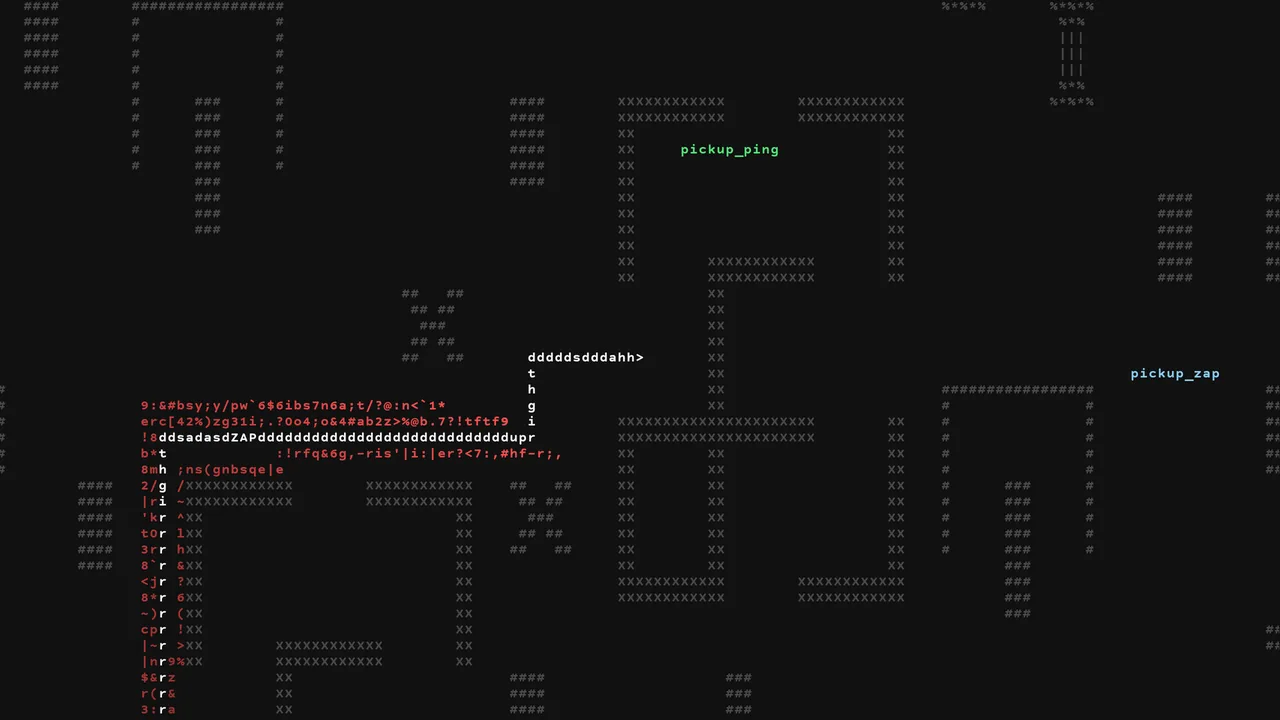
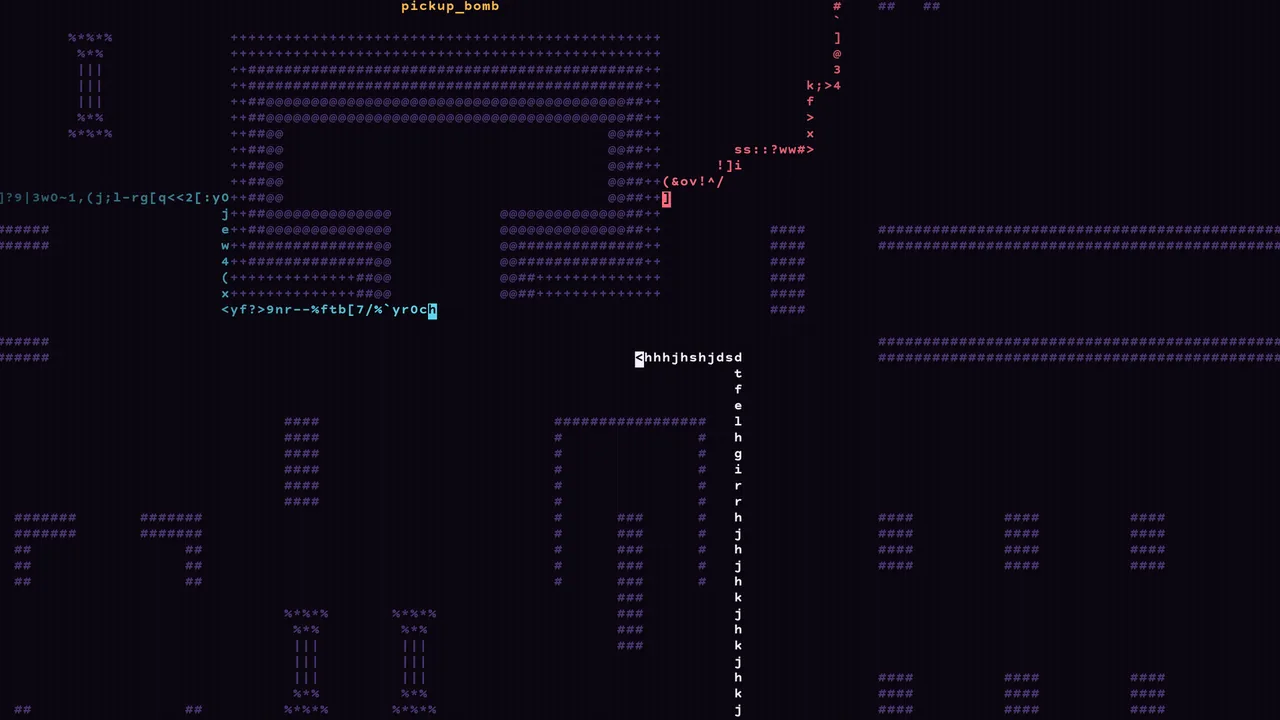
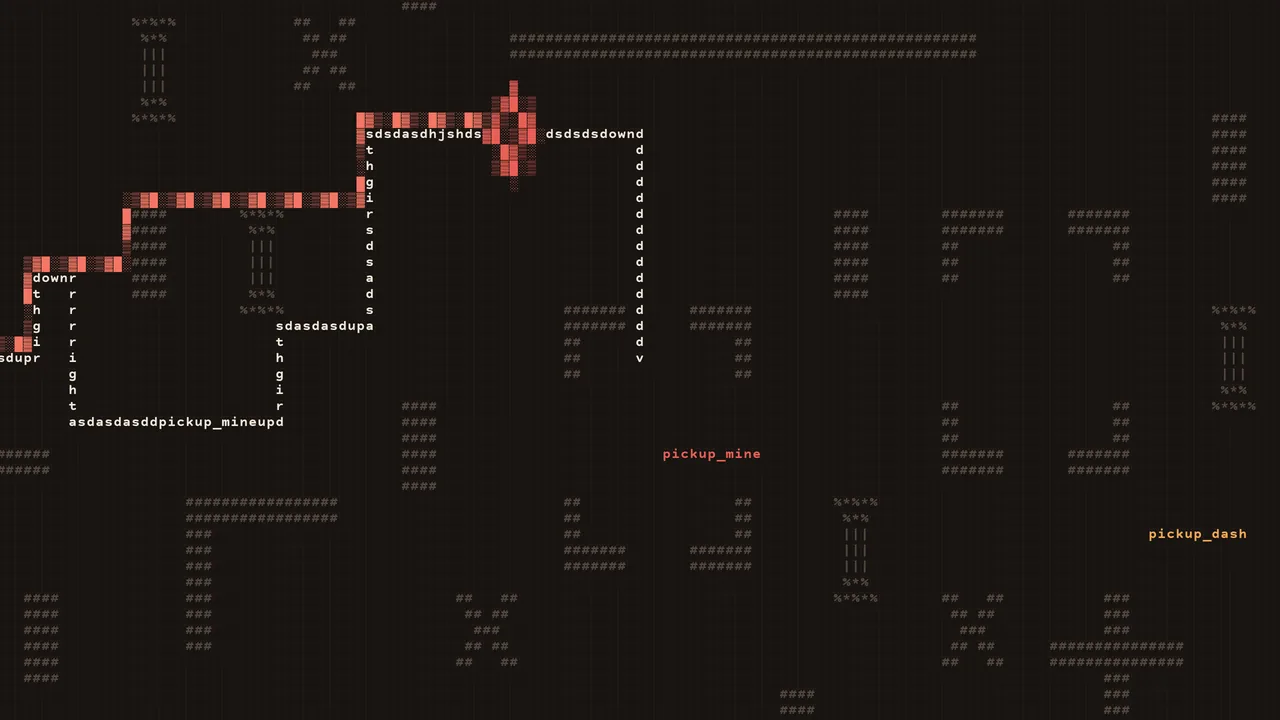
Kinetype entered Steam Early Access on June 5, 2026, from solo developer Morlytic, a minimalist, ASCII terminal roguelite in which the keyboard is quite literally the interface for survival: players navigate procedural terminal grids by typing commands to move, extract to bank currency called Bytes for permanent upgrades, or lose their run's progress to the system entirely. Its 32-review English pool lands at Positive (27 up, 5 down, 84%), with reviewers converging heavily on the same two conclusions: the core idea is genuinely novel and well-executed, and the current Early Access build badly needs better documentation.
The concept itself draws the pool's most enthusiastic and consistent praise, often explicitly framed as something reviewers haven't encountered before. One reviewer called it "a truly unique take on the formula," adding "hope it finds a wider audience cause it absolutely deserves it," while another described it more directly: "I havent seen a game based on typing that is actually fun. this was the first of its kind and a strategy too." A third reviewer, clearly a longtime player of text-based games, wrote "I have not played a game made entirely of text for... decades," framing their return to the format specifically because of how well Kinetype executes it. Several reviewers also praised how satisfying the mechanic feels once it clicks, with one reporting they "got more used to it" after about three hours and managed a ten-run streak on Hardcore difficulty, describing the growing sense of mastery as the game's biggest draw.
That said, the game's tutorial and documentation gaps are by far the pool's most frequently repeated complaint, appearing in some form across the large majority of both positive and negative reviews. One especially detailed critical review, while praising the underlying concept, listed a series of specific gaps: "Tutorial needs a rework, I get the fun of discovering the mechanics yourself, but basic controls shouldn't be part of that mistery," along with missing basic options like SFX volume, and features like zoom controls that "aren't documented anywhere in the game or even the store page." Another reviewer described having to actively hunt down information elsewhere just to understand the systems: "I had to check Discord, or check the Discussions tab on Steam to find out about certain commands, such as how to zoom out," a complaint echoed almost word-for-word by a separate reviewer who "had to find guides that explained things to me" for mechanics the in-game help menu simply doesn't cover.
A few reviewers reported the documentation gap crossing over into apparent translation or copy-editing issues, which compounds the confusion for new players. One reviewer flagged a specific example: the tutorial's only guidance for a pickup mechanic read "trace over a powerup to pick it up," which the reviewer called "a critically bad translation of something you actually need to play the game," reasonably asking "how do you trace something with a keyboard?" That's a small but telling detail, since it suggests some of the confusion reviewers report isn't just about missing information, but about existing guidance that doesn't actually match how the keyboard-driven controls work.
Directional controls draw a more mixed, but still fairly consistent, set of complaints from reviewers who otherwise enjoyed the core loop. One reviewer requested simpler directional shortcuts and a clearer indicator of the eventual movement path, explaining that with the current system "it takes a lot of turns to rotate right and sometimes I can miss target by 1 row because it was far away," turning what should be tactical positioning into something that felt "more annoying than difficult." Another reviewer raised a related concern about the risk of losing an entire streak to bad luck rather than a mistake, suggesting the addition of a one-time upgrade to reveal extraction points earlier, since currently "pings are basically required to find the extraction" and a poorly timed enemy spawn near the player's starting position can end a run before it meaningfully begins.
It's worth being fair about what these complaints mean in context, since a clear thread running through even the most critical reviews is an acknowledgment that the game is still early in its Early Access cycle. One reviewer who flagged missing settings-menu polish added, "it's still in Early Access, so it's understandable," a sentiment echoed by another who said they were "excited to see where this goes through the rest of early access." That's a meaningfully different pattern than criticism of a finished product with the same gaps would represent, and it suggests most of the pool's frustration is aimed at fixable, near-term issues, documentation, settings, control clarity, rather than anything wrong with the underlying design.
A smaller cluster of reviewers found the game's early difficulty spikes genuinely unwelcoming rather than merely rough around the edges, which is worth weighing against the more forgiving majority view. One reviewer wrote simply that the game "doesn't feel fair or possible at all," while another flagged a lack of content as the deciding factor in their negative review: "honestly just not much content or things to do, not a fun game." Those complaints sit at odds with the pool's dominant narrative of a genuinely engaging concept held back mainly by documentation, and they're a useful reminder that a roguelite built around precise, punishing input has a real ceiling for players who bounce off difficulty early rather than pushing through the learning curve the way the majority of positive reviewers describe doing. Anyone considering the $6.99 asking price should weigh that split honestly: most reviewers who stuck with it past the first hour or two came away enthusiastic, but a meaningful minority didn't get that far.
At $6.99 and clearly still evolving, Kinetype is a reasonable recommendation specifically for players who value genuine mechanical novelty and don't mind rough edges typical of early Early Access releases, especially given how lightly it reportedly runs even on modest hardware. Players who need a polished onboarding experience or a large amount of current content should probably wait for a few more updates, but for anyone curious about a roguelike that asks players to actually type their way through danger, this is a distinctive, well-received starting point worth checking in on as it develops.
Pros and cons
Pros
- A genuinely novel core concept, using the keyboard and typed commands as the actual interface for movement and survival, that reviewers repeatedly called unlike anything else they'd played
- Satisfying to learn, with a real sense of flow and skill progression once the typing-based movement clicks
- Runs extremely lightly on hardware, an explicit plus for a game built around ASCII terminal visuals
- A compelling extraction-roguelike loop, banking currency for permanent upgrades or losing a streak to risk
Cons
- A minimal, opaque tutorial that leaves core mechanics, enemy types, and commands largely undocumented, forcing players to consult Discord or Steam discussions
- Missing basic quality-of-life options, including simple settings like SFX volume and theme selection
- Limited content at this stage of Early Access, with some reviewers finding the loop repetitive once mastered
- Precise directional controls that several reviewers found more frustrating than genuinely challenging
Screenshots
-
KinetypeImage: Morlytic via Steam -
KinetypeImage: Morlytic via Steam -
KinetypeImage: Morlytic via Steam