
Game review
Swarm Survivor: Endless Siege Review: A Bullet-Hell You Can Leave Running
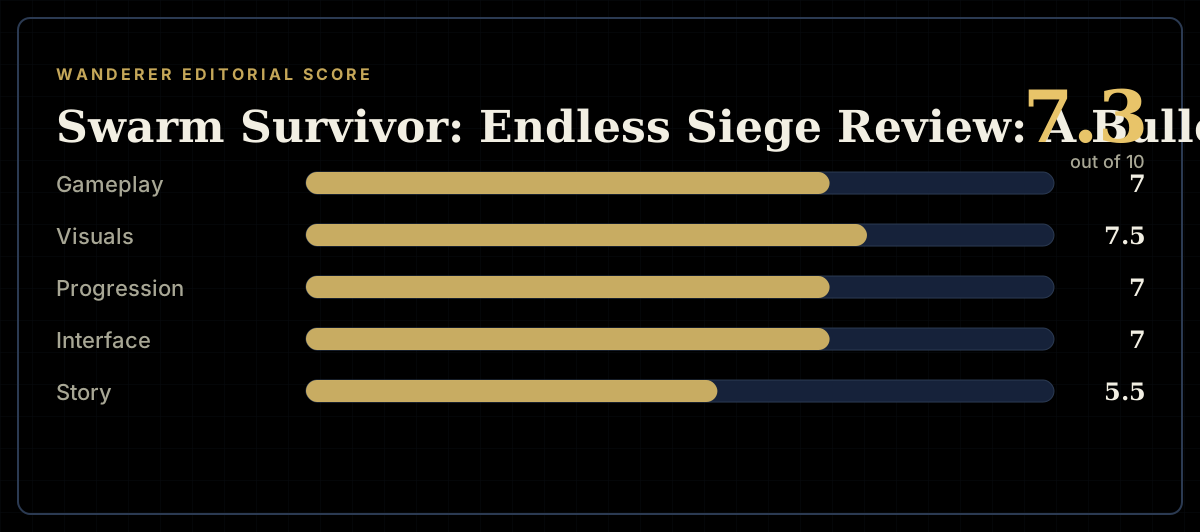
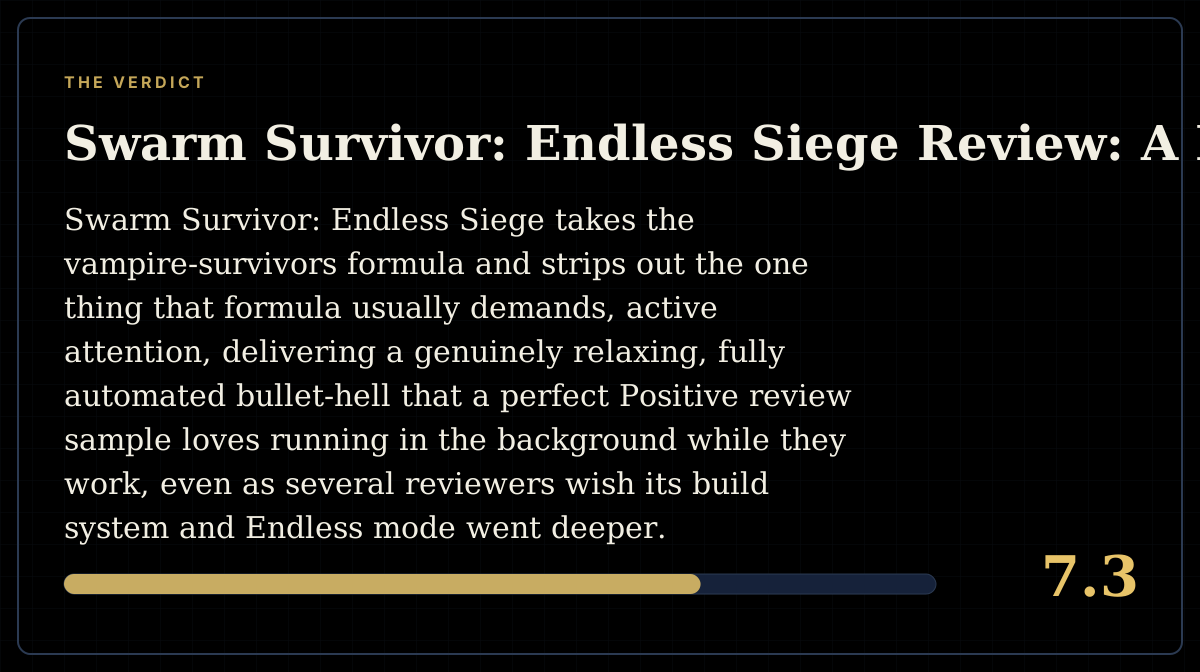
7.3 / 10
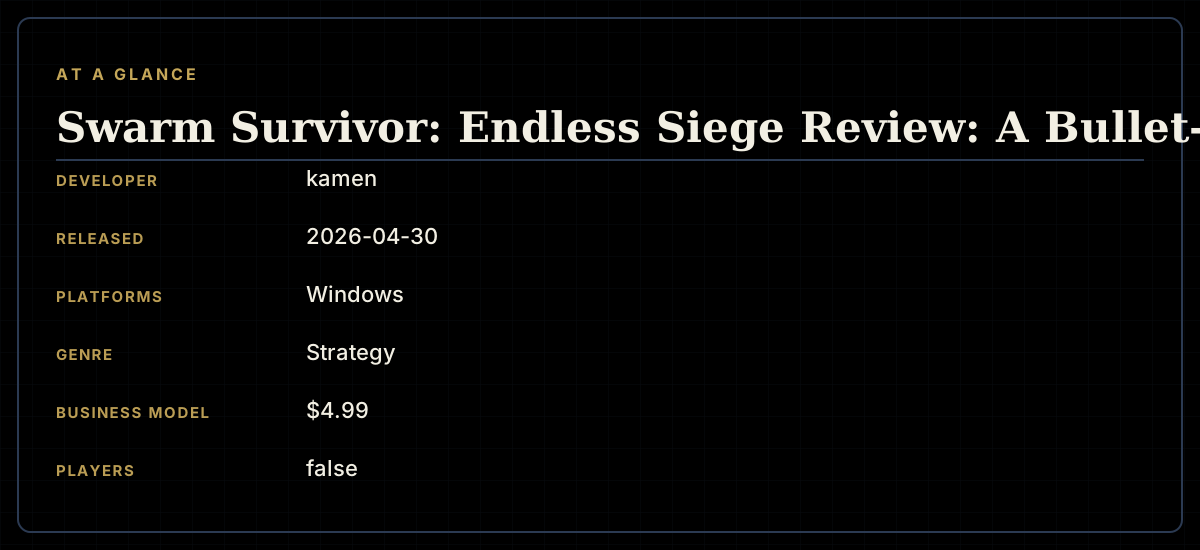
- Developer
- kamen
- Publisher
- kamen
- Released
- 30 April 2026
- Platforms
- Windows
- Genre
- Strategy
- Monetisation
- $4.99
- Players
- false
The short version
Swarm Survivor: Endless Siege takes the vampire-survivors formula and strips out the one thing that formula usually demands, active attention, delivering a genuinely relaxing, fully automated bullet-hell that a perfect Positive review sample loves running in the background while they work, even as several reviewers wish its build system and Endless mode went deeper.
Biggest strengths
- A dedicated desktop mini-window mode that reviewers overwhelmingly describe as the game's defining feature, letting it run in the corner of the screen while working, browsing, or multitasking
- Fully automated combat and skill selection, including an optional auto-pick toggle for skill upgrades, that reviewers repeatedly praise as making the game genuinely relaxing rather than just another twitchy bullet-hell
- Smooth performance even with dense, screen-filling bullet patterns at up to 4x speed, which multiple reviewers specifically call out as impressively optimized, including on Steam Deck
Biggest weaknesses
- The game's Endless mode is criticized by at least one detailed reviewer for automatically ending survival runs after about an hour, which they argue makes the mode's name a misnomer rather than delivering on true endless play
- Multiple reviewers, across Japanese, Korean, and French-language reviews, describe the build and stat system as comparatively shallow, saying optimizing gear and skills doesn't meaningfully change outcomes the way it does in similar survivor-likes
- A French-language reviewer specifically flags the progression curve as poorly balanced, noting the entire game can be cleared using only about half of the available upgrades, leaving relics and gems feeling unnecessary
Who it's for: Best for players who want a low-effort, screen-corner bullet-hell to run alongside work or browsing, especially fans of idle and incremental games; a poor fit for players wanting the deep, hands-on build theory-crafting of a typical survivor-like.
Our recommendation: Buy it
7.3 / 10
The last defender of the Swarm
Swarm Survivor: Endless Siege puts players in command of the last survivor of an insectoid Swarm, defending against wave after wave of alien fleets across a series of orbiting planets. It sits in the crowded vampire-survivors genre lineage, complete with automated attacks, skill upgrades every level, and relic drops between runs, but its defining twist is how little it asks of the player to actually keep playing.
Built to be ignored, in the best way
The game's most talked-about feature by far is its dedicated desktop mini-window mode, which shrinks the game down into a small, unobtrusive window that reviewers describe parking in a corner of their screen while working, browsing, or otherwise not paying attention. Combined with fully automated combat, no manual movement or pickup collection required, reviewers repeatedly frame the game less as a bullet-hell to master and more as a low-effort companion app that quietly ticks along in the background of a workday.
Automation that goes all the way down
Beyond movement and attacking, players can toggle an auto-pick option for the level-up skill choices offered every few seconds, letting a run progress entirely hands-off if desired. Reviewers who tested this extensively say it works well enough to treat the game as a genuine incremental or idle title rather than a traditional action game, though a few note that active skills specifically still require either manual input or a short automatic-cast delay, something more than one reviewer wishes were also fully automated.
Smooth even when the screen fills with bullets
Multiple reviewers specifically praise the game's technical performance, noting that even during late-game waves with the screen packed edge-to-edge with enemy projectiles, the game runs smoothly at up to 4x speed without stutter, including on Steam Deck. That polish extends to visual clarity as well, with one detailed review calling out the bullet-hell presentation as unusually easy on the eyes compared to genre peers prone to overwhelming visual clutter.
A reasonable amount of content for the price
At roughly $4.99, reviewers consistently frame the game as good value, citing 20+ skills, multiple playable heroes and planets, and a relic-and-gem meta-progression system layered on top of standard run-to-run upgrades. One detailed achievement-hunting review reports fully completing every achievement, planet, and difficulty in under ten hours of active, non-idle play, framing that as a reasonable amount of content for the asking price.
"Endless" mode that isn't quite endless
The sample's most pointed criticism targets the game's Endless mode specifically: one detailed Korean-language review reports that runs automatically terminate after roughly an hour regardless of how well the player is doing, arguing this undercuts the mode's name and its promise of open-ended survival. That same reviewer also flags relic collection as requiring manual pickup at launch, though notes an automatic-collection toggle was added in a later settings update.
Build depth doesn't always reward the effort
Several reviewers, independently and across different languages, raise a related concern about how shallow the build and stat system feels relative to genre peers. A Japanese-language reviewer says the loot-hunting loop is enjoyable but that thin build variety limits any real incentive to replay for different combinations, while a French-language reviewer goes further, noting the entire game can be fully cleared using only about half of the available permanent upgrades, making relics and gems feel unnecessary rather than essential to success.
Rough edges reviewers are willing to overlook
A handful of smaller launch-window issues come up across the sample: untranslated or typo-riddled menu text, an empty tester-credits list, small UI font sizing that's hard to read on Steam Deck, and requests for more detailed tooltips explaining exactly which relics affect which skills. None of these are treated as dealbreakers, and reviewers frame them as the kind of fixable polish issues a small, actively updating solo project is expected to iron out over time.
A planet-orbiting spin on a familiar formula
Where most survivor-likes drop the player onto a flat arena and have them dodge outward, Swarm Survivor: Endless Siege frames combat around defending a fixed position on an orbiting planet, with enemy fleets converging from all sides rather than the player weaving through open space. One reviewer specifically calls this presentation angle unusual for the genre, comparing the player's stationary defender role to a mythological guardian figure fending off waves from a fixed post. Combined with the ability to swap between several playable heroes and insect-themed "swarm" characters, each with different starting kits, reviewers say the planet-hopping structure gives an otherwise familiar formula a fresh enough coat of paint to stand out from the genre's increasingly crowded field.
A developer already iterating fast post-launch
The game's news history shows a steady stream of updates in the weeks immediately following its April 30 release, including balance and optimization patches, and reviewers who mention the studio's responsiveness frame it as reassuring for a small, single-developer project. One reviewer explicitly says they're glad to finally see the game out of its long demo period, having followed its development for months beforehand, a sentiment echoed by others who describe the finished release as a clear improvement on the pre-launch demo builds they'd previously tried.
Verdict
Swarm Survivor: Endless Siege succeeds at a genuinely different pitch than most of its genre peers, building a bullet-hell around being watched occasionally rather than played intensely, and a perfect Positive review sample rewards that idea with real enthusiasm. A misleadingly named Endless mode and build depth several reviewers found thinner than expected are worth knowing going in, but for anyone who wants a relaxing, screen-corner companion game rather than another demanding survivor-like, it's an easy recommendation at its price.
Pros and cons
Pros
- A dedicated desktop mini-window mode that reviewers overwhelmingly describe as the game's defining feature, letting it run in the corner of the screen while working, browsing, or multitasking
- Fully automated combat and skill selection, including an optional auto-pick toggle for skill upgrades, that reviewers repeatedly praise as making the game genuinely relaxing rather than just another twitchy bullet-hell
- Smooth performance even with dense, screen-filling bullet patterns at up to 4x speed, which multiple reviewers specifically call out as impressively optimized, including on Steam Deck
- A generous, well-received amount of content for the roughly $4.99 price, including 20+ skills, multiple playable heroes, several planets, and a relic and gem-driven meta-progression layer
Cons
- The game's Endless mode is criticized by at least one detailed reviewer for automatically ending survival runs after about an hour, which they argue makes the mode's name a misnomer rather than delivering on true endless play
- Multiple reviewers, across Japanese, Korean, and French-language reviews, describe the build and stat system as comparatively shallow, saying optimizing gear and skills doesn't meaningfully change outcomes the way it does in similar survivor-likes
- A French-language reviewer specifically flags the progression curve as poorly balanced, noting the entire game can be cleared using only about half of the available upgrades, leaving relics and gems feeling unnecessary
- Several reviewers note rough edges at launch, including untranslated or typo-riddled menu text, small UI font size on Steam Deck, and active skills that require either a short auto-cast delay or manual input rather than fully automated casting
Screenshots
-
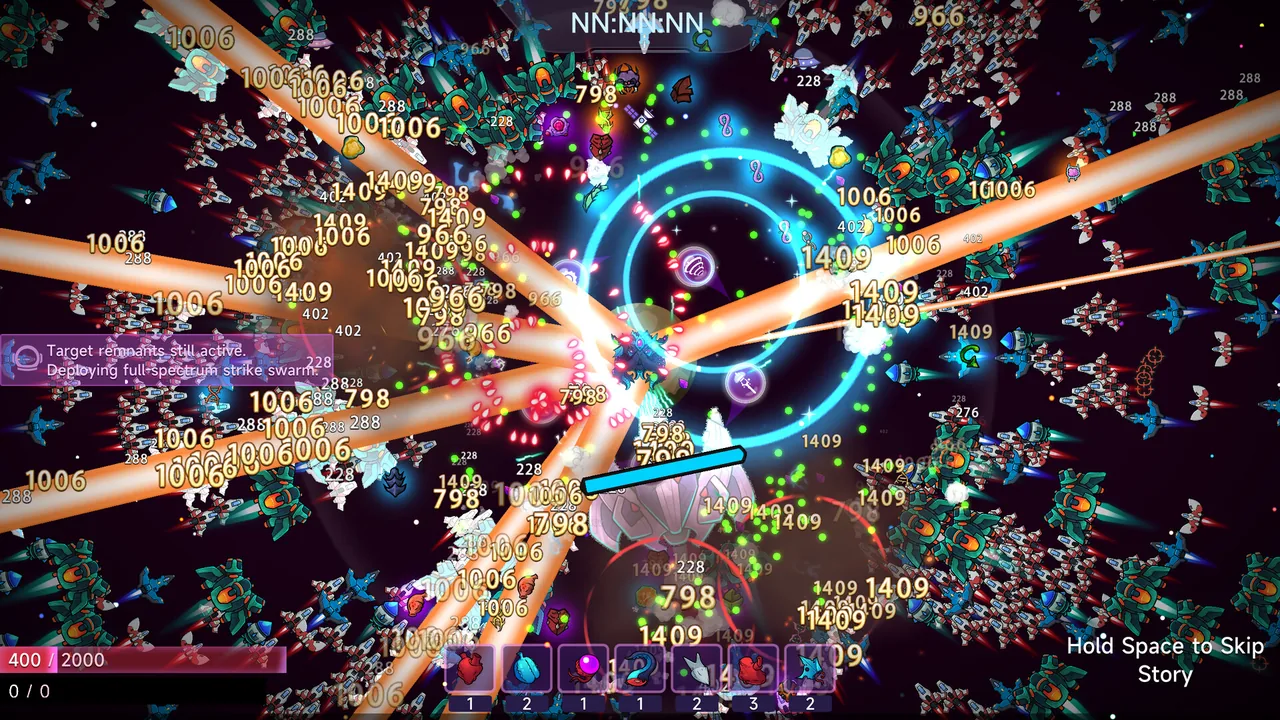
Image: kamen via Steam -
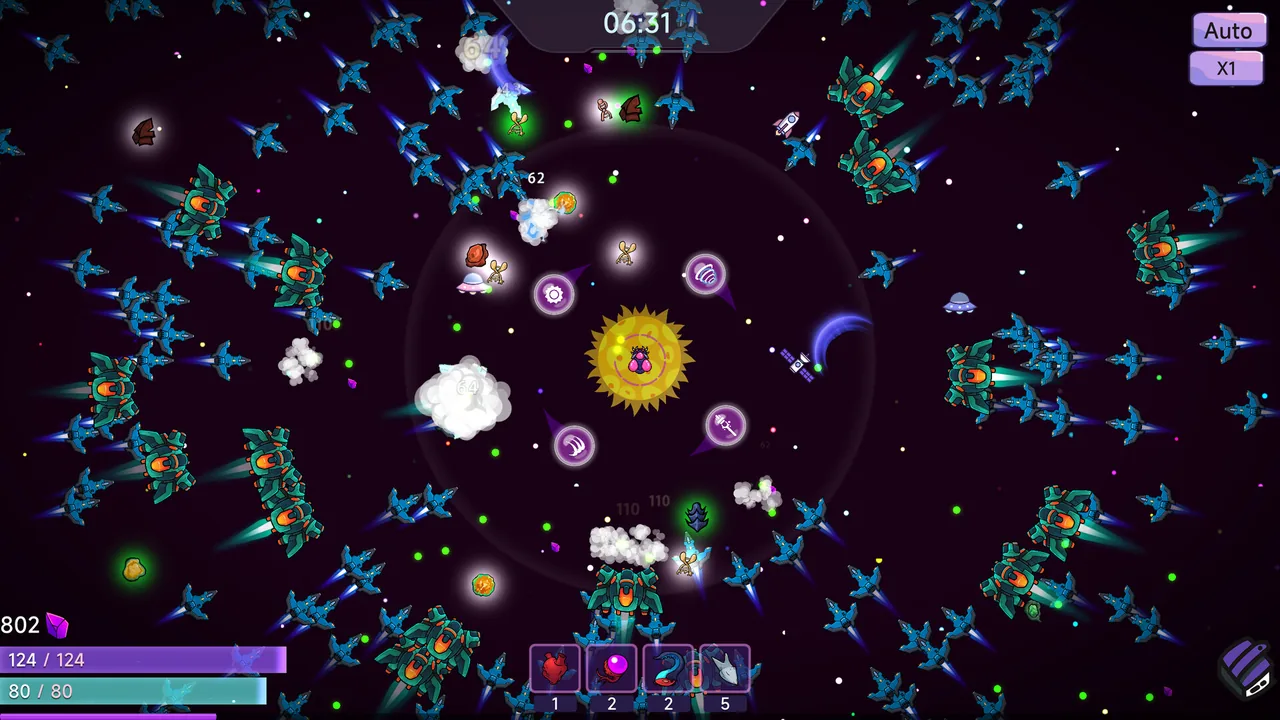
Image: kamen via Steam -
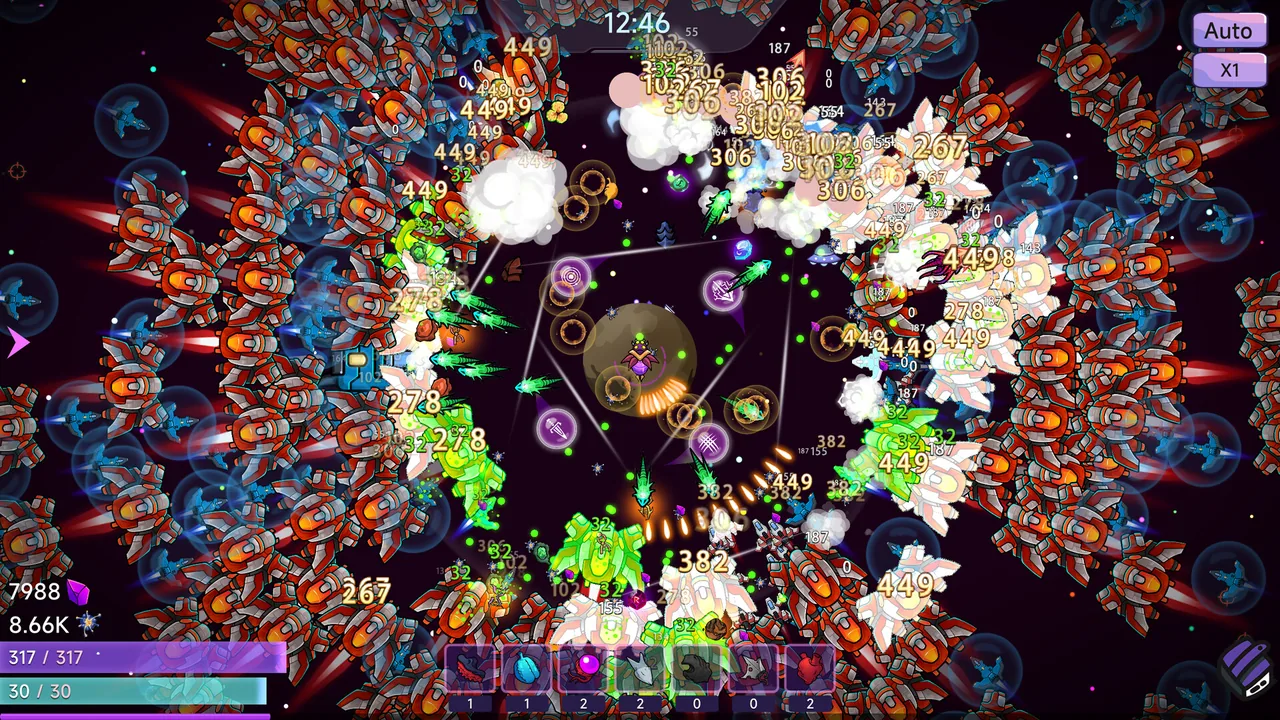
Image: kamen via Steam -
Wanderer Editorial -
Wanderer Editorial -
Wanderer Editorial