Game review
Killing Floor
7.5 / 10
- Developer
- Tripwire Interactive
- Publisher
- Tripwire Interactive
- Released
- 14 May 2009
- Platforms
- Windows, macOS, Linux
- Genre
- Co-op Horde Shooter
- Monetisation
- One-time premium purchase; free map and content updates historically, alongside some later paid weapon-pack DLC that drew specific reviewer criticism
- Players
- Core wave-based co-op for up to 6 players, alongside a fully playable single-player mode
The short version
Killing Floor sends up to six players through escalating waves of grotesque, genetically engineered "Zeds," culminating in a boss fight against the towering Patriarch, and reviewers with genuinely enormous playtime — several in the hundreds of thousands of minutes — describe it as one of the finest cooperative shooters ever made. "In my 40 years of video game experience I feel Killing Floor is one of the best FPS games ever made," one reviewer writes, praising both its multiplayer depth and a surprisingly well-balanced solo mode.
A specific, well-documented dissent runs through a meaningful share of this review sample, focused not on the base game but on how it changed over time. Several detailed reviewers describe Tripwire's later shift toward paid weapon-pack DLC as tilting balance in ways the game's long history of free content updates never did, with more than one longtime player specifically reducing their score as a direct result. A separate, more concrete technical concern recurs too: reports of persistent server-connectivity problems, including an ongoing distributed denial-of-service issue reviewers say Tripwire is aware of but hasn't resolved.
Biggest strengths
- A genuinely deep, well-regarded class and perk system that reviewers say gives real strategic identity to cooperative play rather than treating classes as cosmetic differences
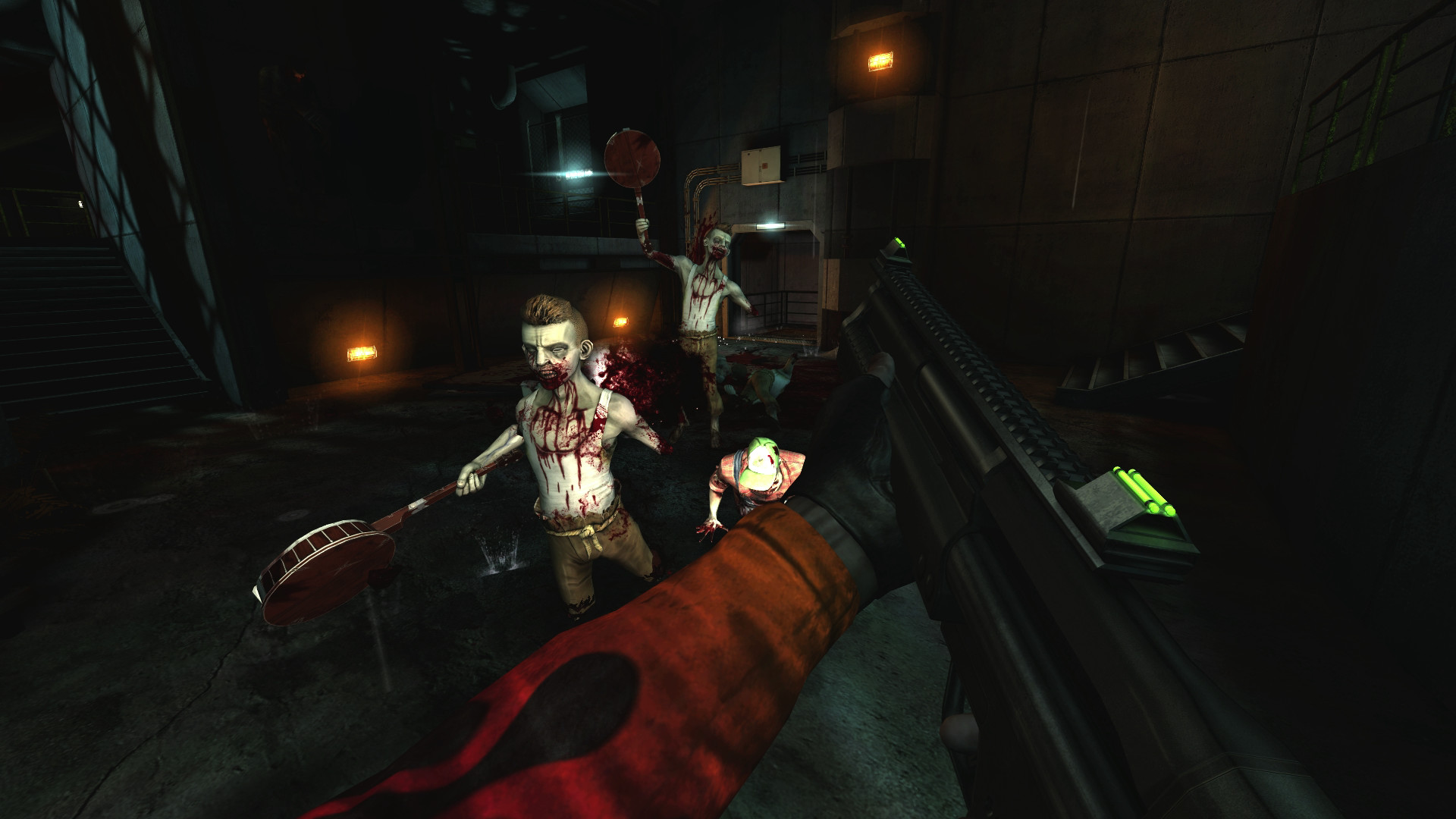
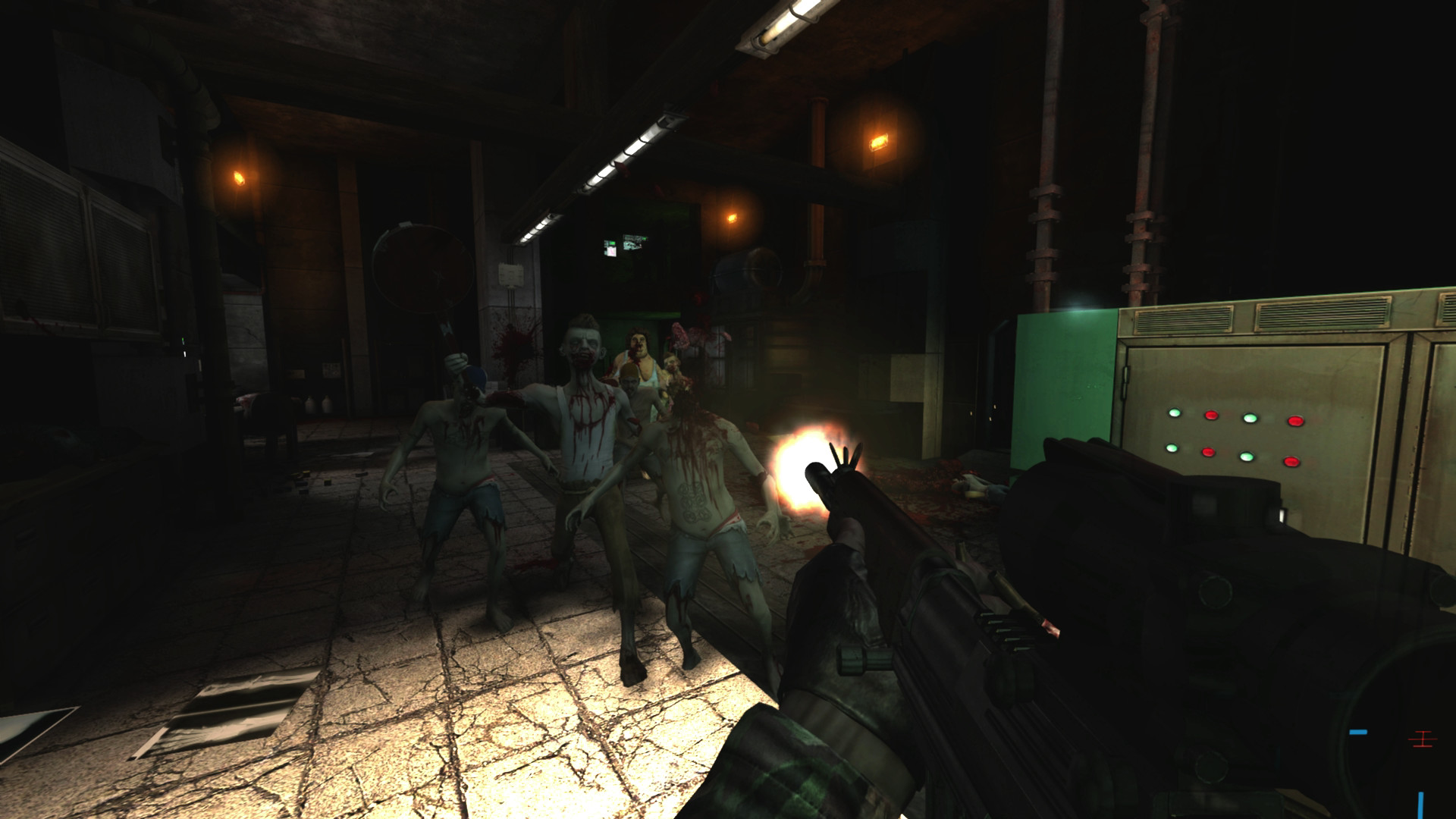
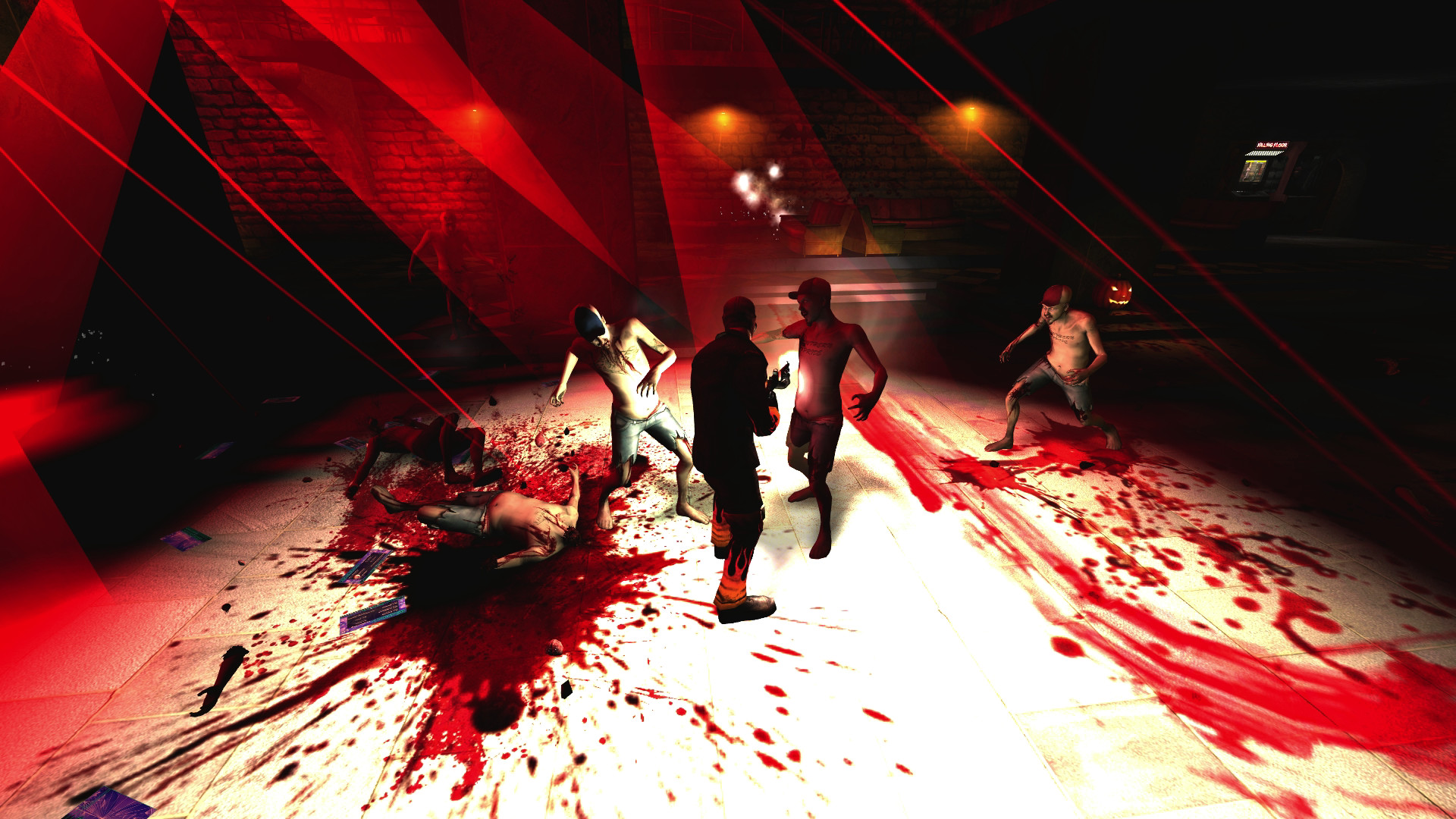
- Satisfying, visceral gunplay and gore effects that reviewers consistently praise even years after release, crediting the sound design specifically
- A surprisingly well-balanced, fully playable solo mode alongside the primary co-op experience, rare among games this focused on multiplayer
Biggest weaknesses
- A specific, well-corroborated complaint: later paid weapon-pack DLC is described by multiple reviewers as tilting game balance in ways the earlier free content updates never did, with more than one longtime fan explicitly lowering their recommendation as a direct result
- Reports of persistent server-connectivity issues, including an attributed but unverified claim from one reviewer describing an ongoing denial-of-service problem Tripwire is said to be aware of but hasn't resolved
- A long, demanding grind is required to reach max level and access the game's higher difficulties, which some reviewers describe as excessive even for a game built around long-term replay
Who it's for: Co-op shooter fans who want a genuinely deep, still-active horde shooter with a devoted community, playable solo or with friends. Less suited to players specifically averse to purchased weapon DLC, or anyone who needs guaranteed stable server connectivity.
Our recommendation: A genre landmark well worth playing solo or with friends — just budget carefully around the paid weapon DLC if balance purity matters to you, and check current server stability reports given the persistent connectivity complaints.
7.5 / 10
Killing Floor began life in 2005 as a mod for Unreal Tournament 2004 before Tripwire Interactive turned it into a standalone release in 2009, and this review sample makes clear the game's reputation has only deepened with age. Six players (or one, solo) face down escalating waves of genetically engineered horrors in a near-future London overrun by a bioweapons project gone wrong, building toward a boss encounter with the towering Patriarch.
A game reviewers describe with genuine, lasting personal attachment
What stands out most in this sample isn't generic praise but specific, deeply personal accounts of what this game has meant to individual players over years of play. One reviewer describes being mentored as an eleven-year-old by patient adult players who taught them the game's systems rather than mocking their inexperience — "you're not required to be good," they were told — and still plays the game to this day as a result. Another dedicates their purchase to a close friend who passed away, describing years of shared, often pirated play together in college before finally being able to afford the legitimate purchase. On the mechanical side, one veteran reviewer credits the game's class and perk system directly: "The class and perk system is incredibly robust: classes have unique roles, pros/cons, levelling is addictive."
A specific complaint about how paid DLC changed the balance over time
Set against that warmth, a specific and well-corroborated critique recurs across a meaningful share of this review sample, and it concerns not the base game but its evolution. "This used to be a great game until TWI 'updated' and 'DLC'd' it to death," one longtime player with 2,000 hours logged in the game's first two years writes, describing a marked decline since. A separate reviewer agrees with the underlying point more bluntly: "Tripwire decided to poop all over that and add pay2win overpowered DLC weapons," while still rating the game above its eventual sequel overall. That's a specific, mechanically grounded complaint about balance rather than generic anti-DLC sentiment, made more credible by coming from reviewers who otherwise clearly love the base game and its long history of free content.
Modding and community-made content extend the game's life
Beyond the developer's own content, several reviewers specifically credit an active, long-running modding scene with adding real longevity to the base game — community-made maps, custom "Zed" enemy types, weapons, and gameplay mutators, alongside straightforward tools for hosting a self-run server with custom rules. One detailed pros-and-cons review lists this modding accessibility as a headline strength in its own right, alongside the base game's replayability, crediting the ease of running a personalized server as a meaningful part of why the community has stuck around this long. That kind of sustained, player-driven content extension is a genuine strength distinct from Tripwire's own official updates.
A specific, attributed connectivity concern
One further, more concrete technical complaint is worth including with appropriate caution: a reviewer describes an ongoing distributed denial-of-service problem affecting servers, attributing it to a specific individual without naming them, and stating that "Tripwire is aware of the issue" without it having been resolved. This review can't independently verify the scope or current status of that specific claim, but it's concrete enough, and corroborated by a separate reviewer's more general complaint about persistent connectivity problems, to flag as a real consideration for anyone planning to rely on public matchmaking specifically.
What the completion data confirms about that difficulty curve
This listing's achievement schema uses readable, map- and mode-specific names, and the resulting curve backs up reviewers' account of a genuinely demanding game. General combat milestones sit in the 45-67% range across the tracked playerbase, but achievements tied to winning specific maps on the hardest "Hell on Earth" or "Suicidal" difficulty tiers consistently sit below 2%. That's a striking, steep drop-off, and it lines up directly with reviewers' description of a long, deliberate grind required before higher difficulties become genuinely accessible, rather than a curve most players naturally climb through simply by playing regularly.
A landmark that helped define its own genre
It's worth noting the wider legacy this game carries. Killing Floor arrived alongside Left 4 Dead as one of the games most credited with establishing the co-op horde-shooter as a recognized genre in its own right, and Tripwire's continued investment in the game — including its eventual sequel and years of free content for this original release — reflects a level of sustained support reviewers say is genuinely rare for a game this old. That history is part of why so many reviewers in this sample frame their praise not just in terms of the moment-to-moment gameplay, but as respect for a developer that kept investing in a community it built well over a decade ago.
Where it lands
Killing Floor earns its status as a genre-defining horde shooter through genuinely deep class-based co-op design and a community that, across this review sample, describes real, lasting personal attachment rather than casual enjoyment. The specific, well-corroborated complaint about paid weapon DLC affecting balance is concrete enough to factor into any purchase decision honestly, and the reported connectivity issues are worth checking on directly if reliable public matchmaking matters to you. For co-op shooter fans, solo or with friends, this remains an easy, well-earned recommendation — and, going by the sheer number of reviewers still returning to it after a decade and a half, one with real staying power behind the praise.
Pros and cons
Pros
- A genuinely deep, well-regarded class and perk system that reviewers say gives real strategic identity to cooperative play rather than treating classes as cosmetic differences
- Satisfying, visceral gunplay and gore effects that reviewers consistently praise even years after release, crediting the sound design specifically
- A surprisingly well-balanced, fully playable solo mode alongside the primary co-op experience, rare among games this focused on multiplayer
- A long history of free map and content updates that reviewers specifically credit as refreshing in an industry increasingly built around season passes and paid content drops
- Genuinely personal, lasting community attachment, with multiple reviewers describing years of shared memories and specific friendships built around the game
Cons
- A specific, well-corroborated complaint: later paid weapon-pack DLC is described by multiple reviewers as tilting game balance in ways the earlier free content updates never did, with more than one longtime fan explicitly lowering their recommendation as a direct result
- Reports of persistent server-connectivity issues, including an attributed but unverified claim from one reviewer describing an ongoing denial-of-service problem Tripwire is said to be aware of but hasn't resolved
- A long, demanding grind is required to reach max level and access the game's higher difficulties, which some reviewers describe as excessive even for a game built around long-term replay
- A shrinking player population in some regions makes finding low-ping servers harder than it once was, according to more than one reviewer
- Static, animation-independent hitboxes are noted by at least one reviewer as a specific, dated shortcoming compared to the more precise systems used in the game's eventual sequel
Screenshots
-
Killing FloorImage: Tripwire Interactive via Steam -
Killing FloorImage: Tripwire Interactive via Steam -
Killing FloorImage: Tripwire Interactive via Steam -
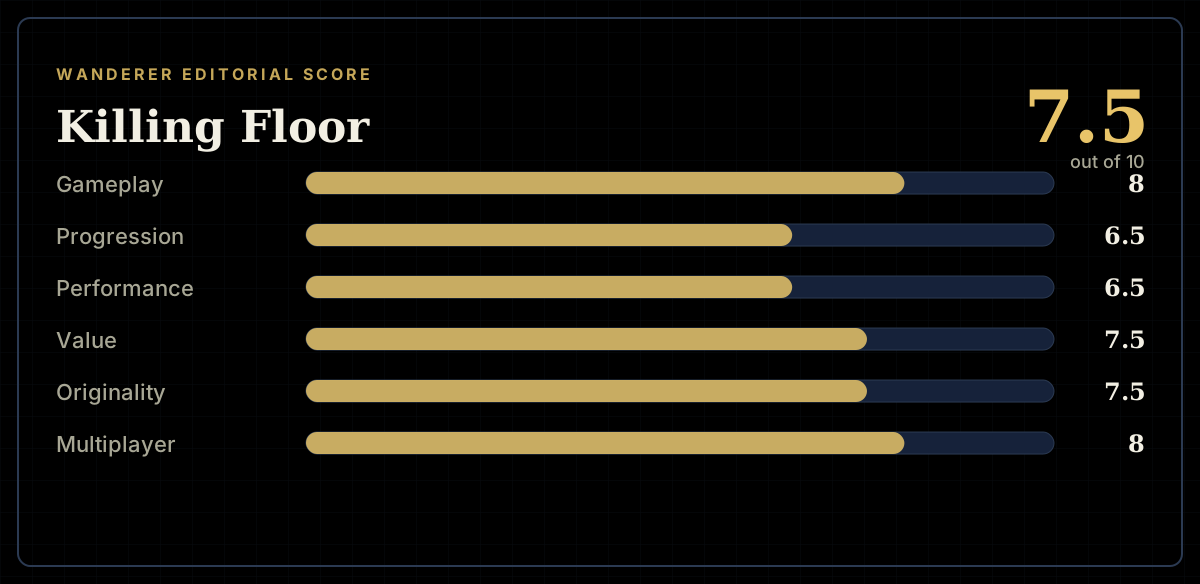
How the review scores each part of the gameWanderer Editorial -
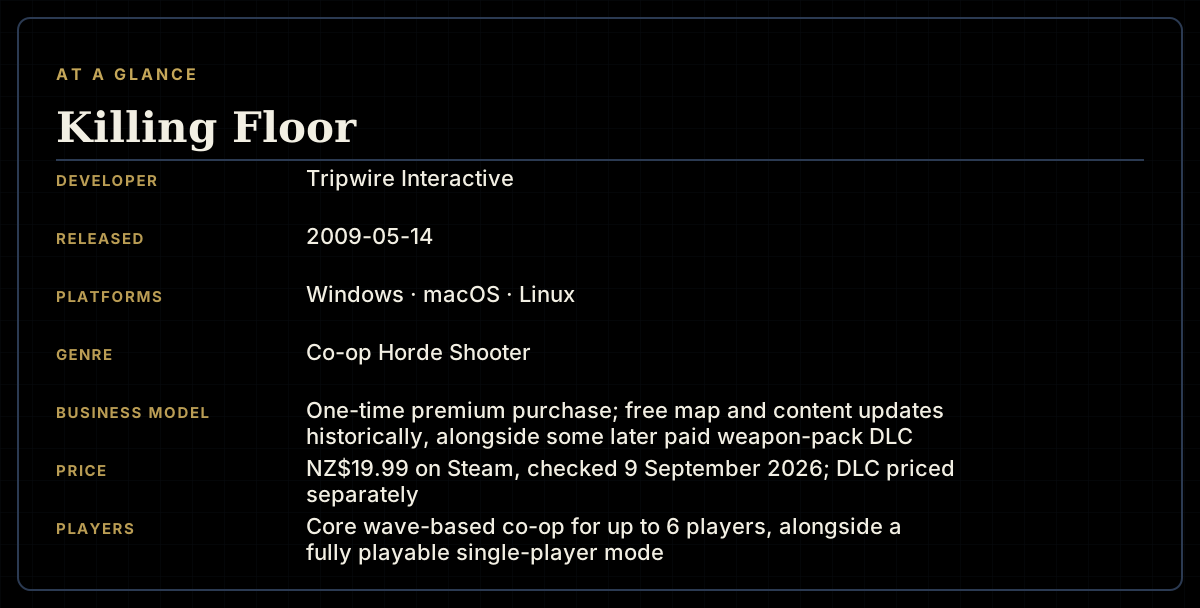
The specsWanderer Editorial -
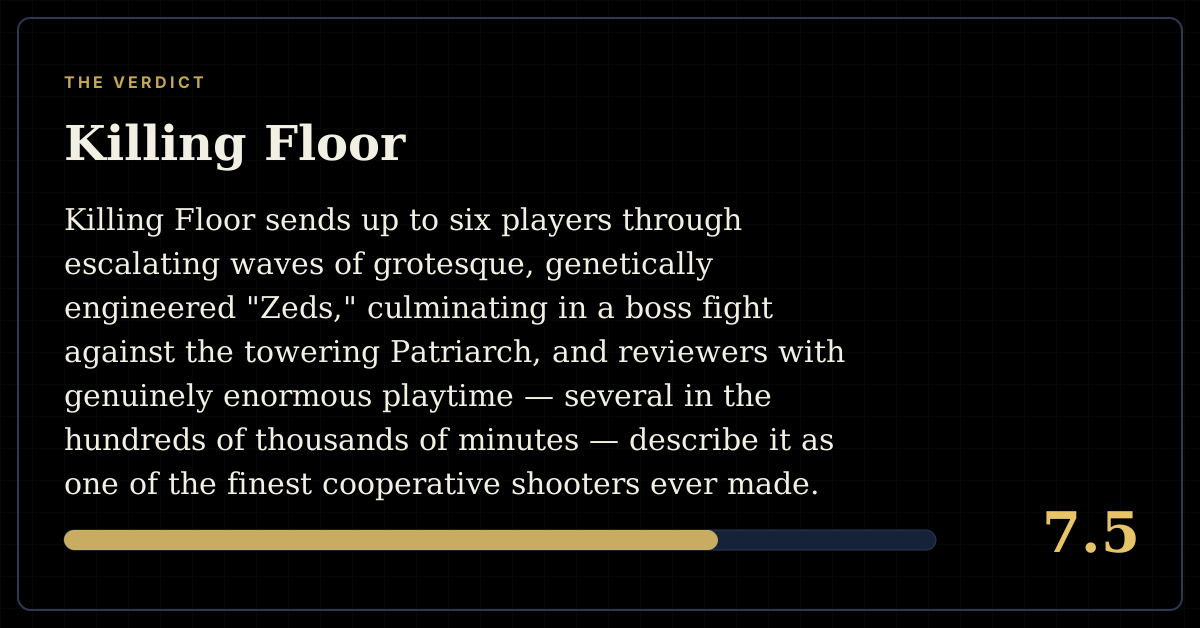
The short versionWanderer Editorial