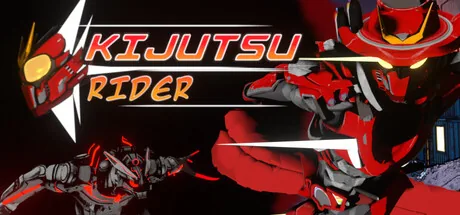
Game review
Kijutsu Rider
5.4 / 10
- Developer
- OmegaMechAnimations
- Publisher
- OmegaMechAnimations
- Released
- 2 April 2026
- Platforms
- [Windows]
- Genre
- Action
- Monetisation
- Premium
- Players
- false
The short version
Kijutsu Rider's combat has real style and speed underneath it, but it launched missing basic options like control rebinding and camera sensitivity, with difficulty spikes and bugs that make it feel like an early access build sold as a finished game.
Biggest strengths
- Fast, stylish third-person combat with fluid animation work that draws consistent praise
- Genuine, well-realized tokusatsu and Kamen Rider fan-service in its character designs and presentation
- A visibly responsive solo developer actively patching based on player feedback
Biggest weaknesses
- Missing basic options at launch, no control rebinding, no camera sensitivity adjustment, broken volume settings
- Steep, poorly telegraphed early difficulty spikes, especially the first boss
- Frequent bugs: out-of-bounds clipping, doubled dialogue, weak hit feedback, graphical glitches
Who it's for: Kamen Rider and tokusatsu fans willing to tolerate real jank in exchange for genuine fan-service passion, ideally after a few more patches.
Our recommendation: Recommended with reservations
5.4 / 10
A solo animator's love letter to tokusatsu
Kijutsu Rider launched on April 2, 2026 from OmegaMechAnimations, a developer widely understood across its review sample to be a solo creator, previously known for animation work, making their first game. It's a fast, third-person hack-and-slash that wears its Kamen Rider and tokusatsu influences openly, casting players as one of five transforming heroes carving through waves of enemies with parries, dodges, counters, and guard breaks in an explosive, momentum-driven combat system clearly indebted to Devil May Cry. It launched to a genuinely Mixed reception, 100 reviews split almost evenly at roughly 56% positive, and reading through the sample, that split makes complete sense: this is a game with real, specific strengths sitting inside a launch state that most reviewers, even the positive ones, describe as unfinished.
The combat has real teeth
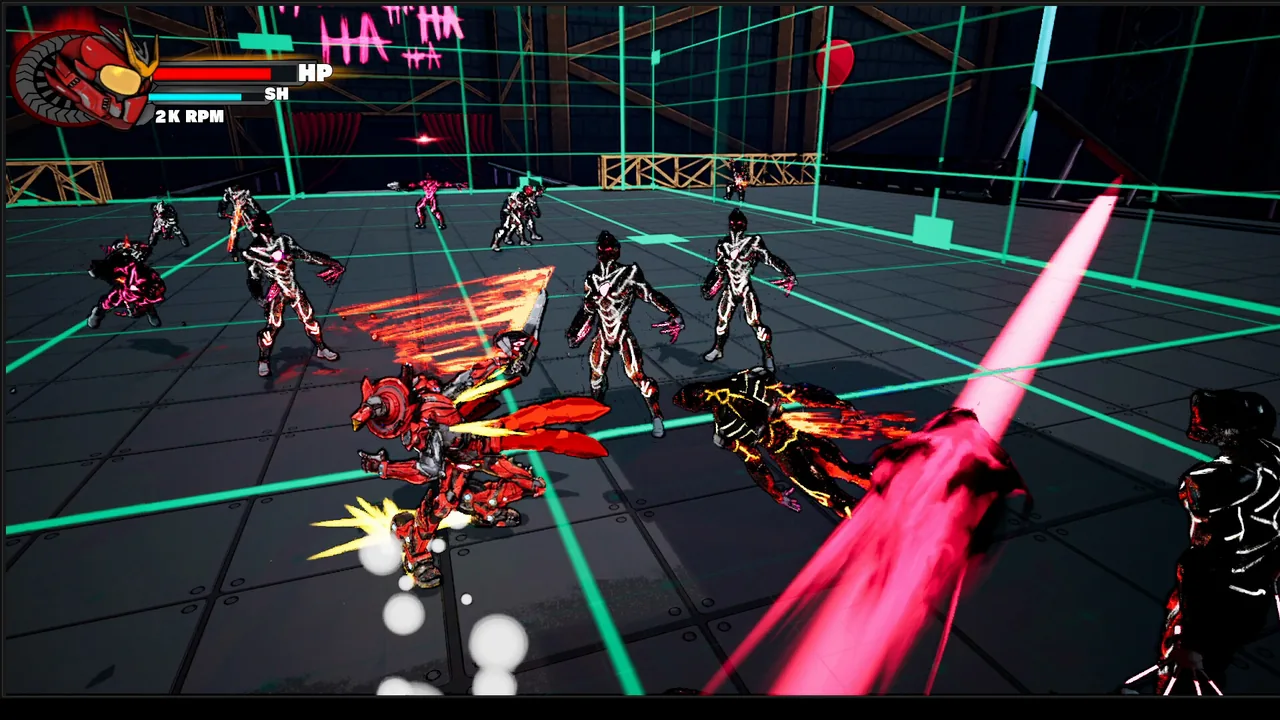
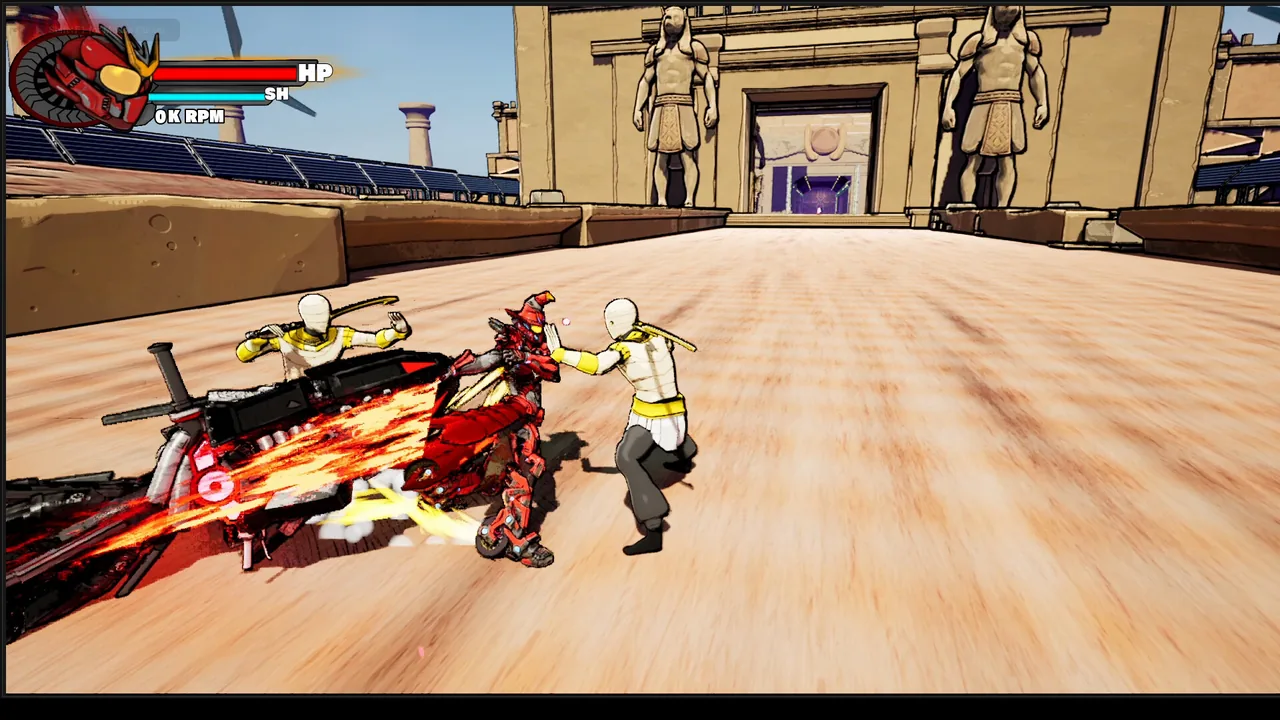
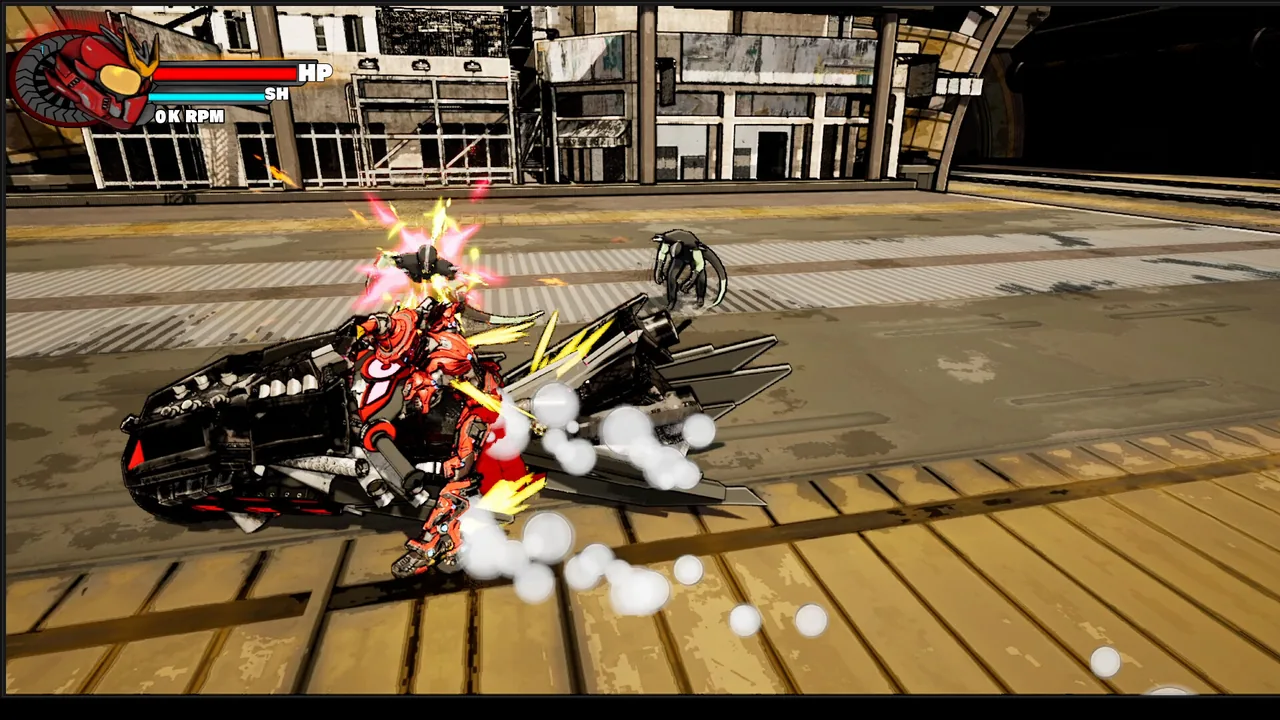
Where the game succeeds, it succeeds clearly. Reviewers across the positive and negative camps alike single out the animation quality, unsurprising given the developer's background, and describe combat that, once its systems click, feels fast, stylish, and genuinely satisfying, with several directly invoking Devil May Cry and Metal Gear Rising as points of comparison the game earns rather than just borrows. The tokusatsu presentation, transformation sequences, "Henshin" callbacks, dramatic finishing-move text, and character designs pulled straight from the Kamen Rider aesthetic, lands specifically and effectively for the genre's fanbase, several reviewers explicitly frame their recommendation around how rare a genuine, passionate toku-inspired action game is on Steam.
A launch missing the basics
The single most common complaint across the sample isn't a bug in the traditional sense, it's the absence of options many players expect as standard. Multiple independent reviews flag no control rebinding, no adjustable camera sensitivity (a particular problem on controller, where several describe the default sensitivity as close to unplayable), and volume sliders reviewers describe as "nonsensical" or simply not functioning as expected. One reviewer bluntly states the game, sold as a full release, feels like it launched in the state of an early access build, a sentiment echoed by several others independently.
A difficulty curve that snaps early
A second consistent thread is a brutal, poorly telegraphed difficulty spike at the first boss specifically, described repeatedly as disproportionate to the tutorial and early stages that precede it, with attacks like a wide-area fire tornado singled out as unfair rather than challenging. Several reviewers report bouncing off the game entirely at this point, while others who pushed through describe the difficulty evening out afterward, and at least a few reviews note the boss was rebalanced in a post-launch patch, a claim consistent with the developer's visible patch cadence in the weeks after release.
Real bugs, real jank
Beyond missing options and balance, the sample describes a wide spread of concrete bugs: out-of-bounds clipping during dash attacks, doubled or overlapping dialogue, weak or missing hit-feedback cues that make it hard to tell whether an attack landed, camera issues during cutscenes revealing things that shouldn't be visible, and reports of getting stuck in level geometry. None of these individually sound catastrophic, but their sheer number and specificity across independent reviewers paints a consistent picture of a game that needed meaningfully more testing and polish time before its full-price launch.
An unusually visible pattern of goodwill
What stands out reading through the sample is how much of the Mixed score comes not from indifference but from reviewers actively rooting for the game despite real frustration. A large number of positive reviews are explicitly framed as investments in a developer's potential rather than endorsements of the current build, several reviewers say outright they're recommending it to support a promising solo project rather than because the game is currently good in an unqualified sense. The developer's responsiveness to bug reports and willingness to implement community feedback quickly is cited repeatedly and appears to be a major reason the score sits at Mixed rather than lower, several reviewers describe updating their own reviews from negative to positive after patches addressed specific complaints.
Worth watching, not necessarily worth buying yet
Taken together, the picture is of a genuinely talented solo developer's first game landing with real identity and a combat foundation reviewers consistently describe as having serious potential, sold at full release before it had the options menus, balance passes, and bug fixes a launch of that kind needs. Given the visible, active patch history since release, this is a title where checking recent reviews before buying is unusually worthwhile, the experience several months post-launch may already look meaningfully different from what shipped on day one.
Where it sits against the character-action genre
Character-action fans have a demanding bar to clear, the genre's best entries pair stylish combat with deep combo systems, readable enemy telegraphs, and tight difficulty tuning built over years of iteration. Kijutsu Rider nails the style half of that equation surprisingly well for a solo first-time effort, but the systems underneath, enemy variety, combo depth beyond mashing two or three attack buttons, and a skill or upgrade system with real texture, are all noticeably thinner than what genre veterans expect. Several reviewers make this comparison explicitly and not unkindly, framing the game less as a failed attempt to compete with established genre giants and more as an ambitious first swing that needs another year or two of iteration to develop the depth its combat foundation is clearly reaching for.
The verdict
Kijutsu Rider is a passion project with a real spark of good, fast, tokusatsu-flavored combat buried inside a launch that was missing options menus most players take for granted and riddled with bugs and balance problems. It earns its Mixed score honestly, there's something here worth rooting for, but it isn't yet the finished, polished action game its combat foundation deserves.
Pros and cons
Pros
- Fast, stylish third-person combat with fluid animation work that draws consistent praise
- Genuine, well-realized tokusatsu and Kamen Rider fan-service in its character designs and presentation
- A visibly responsive solo developer actively patching based on player feedback
- Cheap for what's here, and the core combat skeleton is widely described as having real potential
Cons
- Missing basic options at launch, no control rebinding, no camera sensitivity adjustment, broken volume settings
- Steep, poorly telegraphed early difficulty spikes, especially the first boss
- Frequent bugs: out-of-bounds clipping, doubled dialogue, weak hit feedback, graphical glitches
- Thin content and simple, repetitive combo depth once the initial style wears off
Screenshots
-
Kijutsu RiderImage: OmegaMechAnimations via Steam -
Kijutsu RiderImage: OmegaMechAnimations via Steam -
Kijutsu RiderImage: OmegaMechAnimations via Steam -
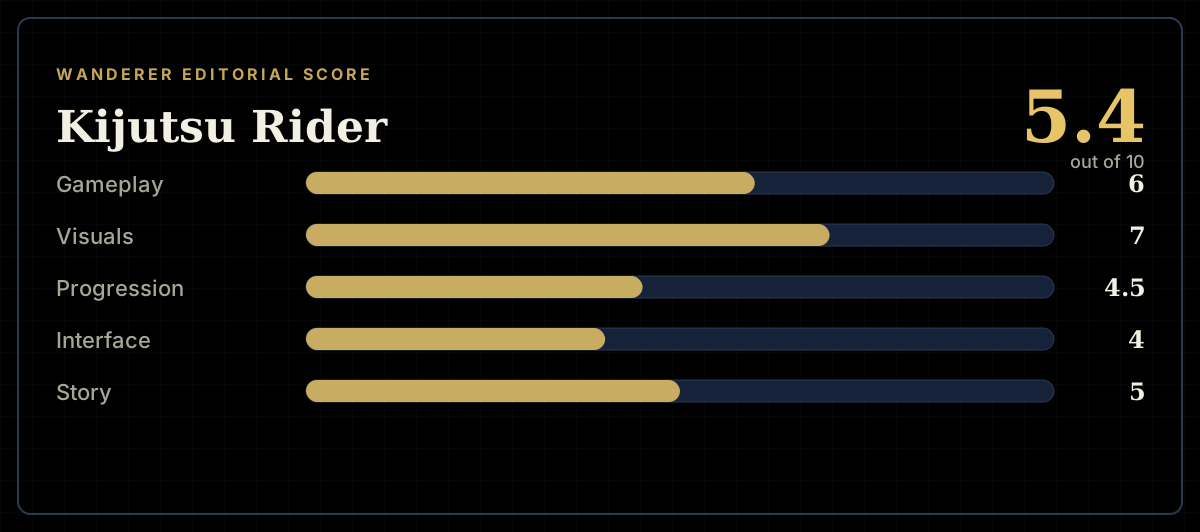
How the review scores each part of the gameWanderer Editorial -
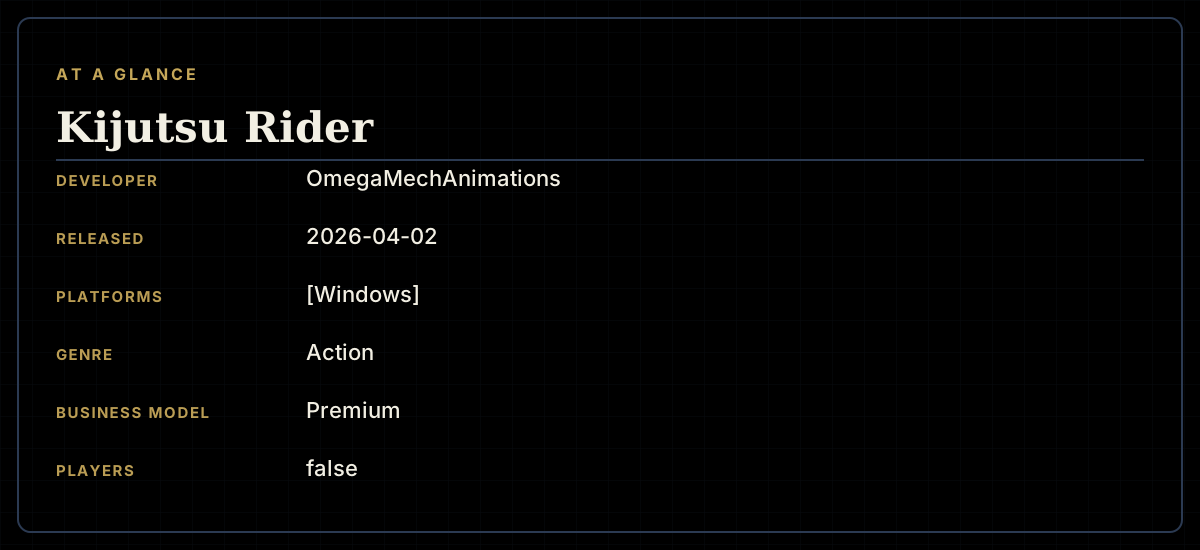
Key facts at a glanceWanderer Editorial -
The short versionWanderer Editorial