
Game review
Ah. Ah. Ah.
5.5 / 10
- Developer
- 育成カードパズル
- Publisher
- 育成カードパズル
- Released
- 27 April 2026
- Platforms
- [Windows]
- Genre
- Action
- Monetisation
- Free to play
- Players
- false
The short version
Ah. Ah. Ah. is a genuinely funny fifteen minutes built on a single, well-executed voice-control gimmick, entertaining exactly once and offering almost nothing beyond that one joke.
Biggest strengths
- A well-implemented voice-control gimmick that reliably reads pitch, volume, and vowel sounds accurately enough to feel responsive rather than gimmicky
- Genuinely funny in the moment, especially played with other people in the room or listening from elsewhere in the house
- Pleasant, unobtrusive music that stays out of the way of the core mechanic
Biggest weaknesses
- Around fifteen minutes of total content across roughly eleven short stages, with nothing resembling a story, characters, or progression beyond difficulty
- The core joke, that shouting vowel sounds into a microphone resembles moaning, is the entire creative idea, and it doesn't extend much beyond the initial laugh
- At least one reviewer raised a legitimate privacy concern about voice data being recorded during play with no stated policy on what happens to it
Who it's for: Anyone looking for a free, extremely short party-game novelty to play with friends listening in the next room, once.
Our recommendation: Free to play
5.5 / 10
One joke, one mechanic, one microphone
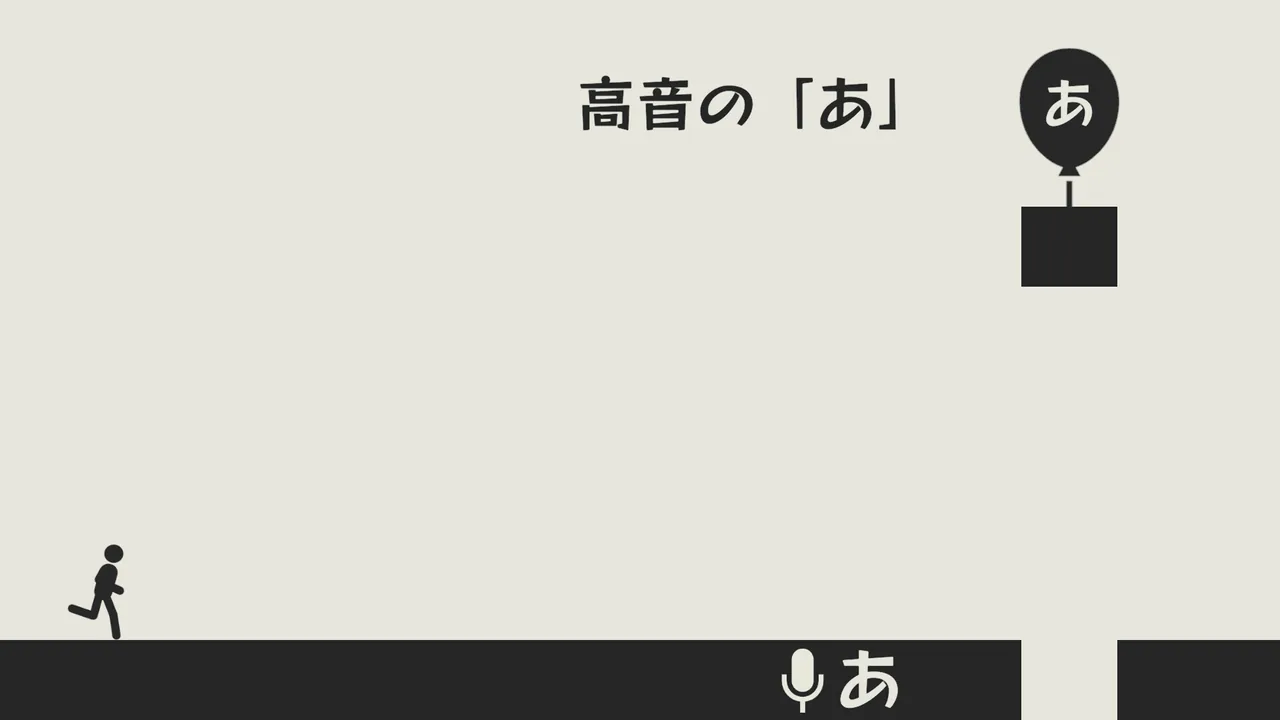
Ah. Ah. Ah., released April 27, 2026, describes itself plainly on its own store page: a wholesome voice-input action game clearable in about fifteen minutes. There's no controller or keyboard input beyond menu navigation, instead a character on screen responds directly to whatever the player vocalizes into a microphone, matching pitch, volume, and vowel sound to a rhythm track to clear roughly eleven brief stages. It launched to a Very Positive reception, 112 reviews and around 95% positive, an emphatic score that, on closer inspection, says as much about the size of the joke as the size of the game.
The gimmick actually works
Credit where it's due: the core voice-recognition mechanic is implemented well enough to hold up under scrutiny. Reviewers across languages, including a detailed Russian write-up, specifically praise how accurately the game distinguishes between low and high pitched "ah," "oh," and "mm" sounds, and describe the rhythm timing as forgiving without feeling broken. That's a genuinely nontrivial technical achievement for what is clearly a tiny, likely solo-developed project, and it's the difference between this being a novelty that actually functions and one that's merely a cute idea on paper. The music sits comfortably in the background, unobtrusive and pleasant enough not to grate across even a single short playthrough, though there's little of it to evaluate.
Where the laughs actually come from
The reason this has a devoted, vocal fanbase despite its tiny scope is obvious from even a quick scan of the reviews: shouting vowel sounds into a microphone in a rhythmic pattern reliably produces noises that sound, to anyone listening, exactly like something considerably less family-friendly than the game's own "wholesome" framing suggests. Reviewers lean into this constantly and with real enthusiasm, several describe neighbors filing noise complaints, one jokes about a talent scout reaching out after overhearing a play session, and the recurring gag across the review sample is less "here's what I thought of the gameplay" and more "here's what happened when someone in my house heard me playing this." It's a legitimately funny premise once, and the game's charm is almost entirely downstream of that single joke landing as well as it does.
Fifteen minutes is exactly fifteen minutes
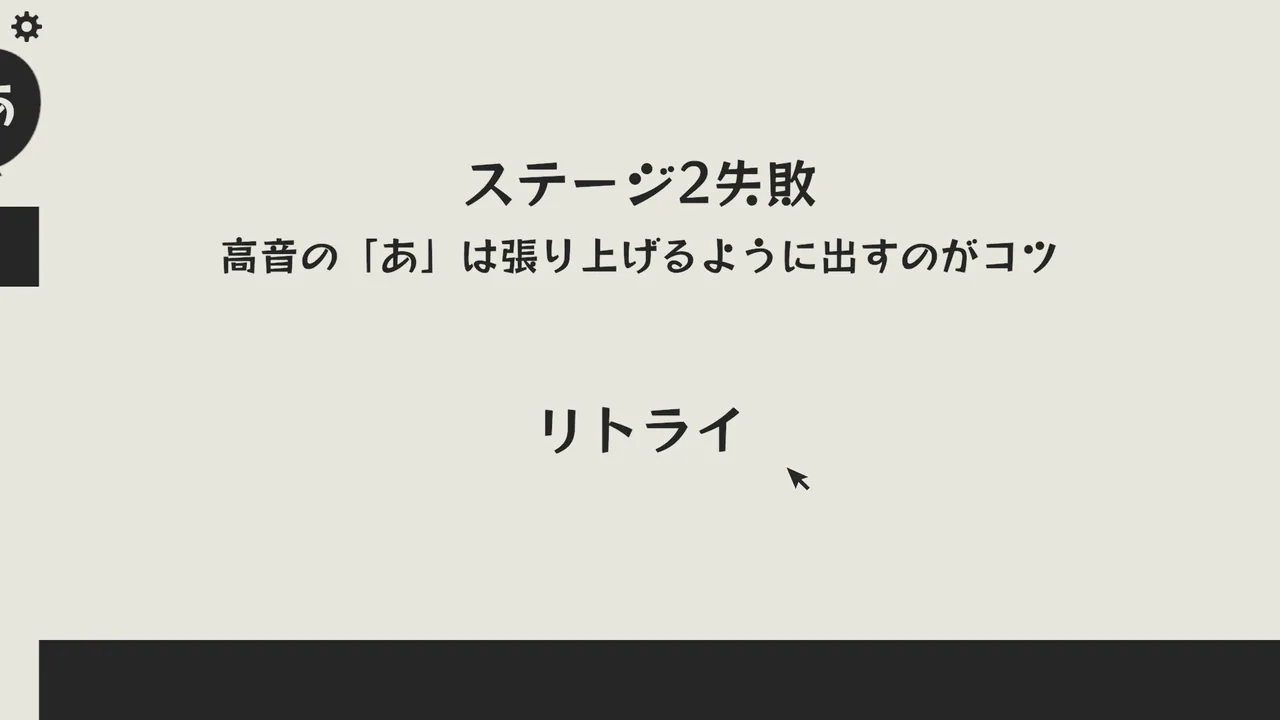
Where this falls down as a game rather than a bit is scope. There is no story to speak of, no characters beyond an unnamed on-screen avatar, and no progression system beyond simply getting through the eleven included stages, several reviewers note directly that the hardest content was later moved out as a separate, opt-in difficulty rather than baked into the main run, making the default experience even shorter and easier than it already was. Once the joke of the voice mechanic has landed and the handful of stages are cleared, there's essentially no reason to return, no unlockables, no alternate content, no meaningful replay hook beyond showing it to someone else for their reaction. That's a defensible choice for a free release built around a single idea, but it means treating this as anything more than a curiosity misreads what it actually is.
A privacy wrinkle worth flagging
Buried in the review sample is one specific, more serious concern: a Russian-language reviewer notes, half-jokingly but not entirely, that the game records the player's full voice during play, and raises the possibility that recording could theoretically be used to create an AI voice clone down the line, warning other players to think about that before shouting personal information or anything identifiable into an open microphone. There's no public statement from the developer, an anonymously named Japanese studio, about what's done with any recorded audio, if it's stored at all, and for a free game whose entire pitch is "yell into your microphone," that's a gap in transparency worth a moment of caution even if nothing sinister is actually happening.
Technical reliability is mostly fine
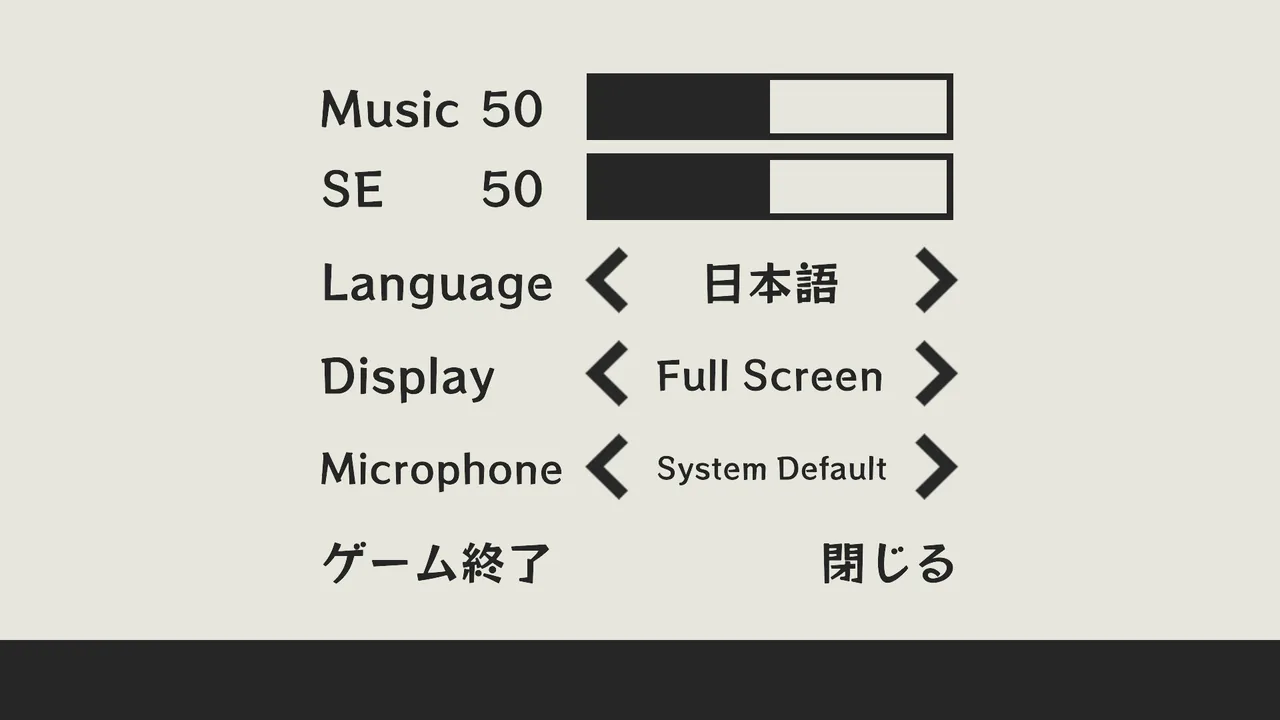
Beyond the joke and its short runtime, technical execution is largely solid: the developer has kept up a steady, if minor, stream of adjustment patches since launch, including a dedicated microphone-selection option added in May 2026 after player feedback, and switched the game to permanent free-to-play status in June 2026 with an apology posted to anyone who'd paid for it originally, a small but decent gesture. A minority of reviews report the voice-detection simply failing to register input correctly, leaving stages unresponsive, which is the kind of bug that would be far more damaging in a longer game but here mostly just shortens an already brief experience further.
A crowded field of one-joke novelties
Free-to-play joke games are a well-established Steam tradition, and Ah. Ah. Ah. sits comfortably in that lineage rather than trying to break new ground beyond its central gimmick. What separates the better entries in that space from forgettable ones is usually execution rather than ambition, and on that count this earns real credit: the voice-input system genuinely works, the presentation is clean rather than slapdash, and the developer has kept quietly supporting it with small fixes for months after release rather than abandoning it the day after launch. That's more care than most fifteen-minute novelties receive, and it shows in how few of the negative reviews complain about the game feeling broken or unfinished, most of the criticism that exists is about scope, not quality.
Judged as a game, not just a bit
The temptation with something this size and this funny is to grade it purely on vibes, a Very Positive score built on a shared joke rather than sustained engagement with what's actually there to play. Stripped of that goodwill, the underlying game is thin by any conventional measure: no story, minimal difficulty curve, a runtime measured in single-digit minutes for most players, and nothing pulling anyone back for a second session beyond showing a friend the joke themselves. None of that makes it a bad use of fifteen free minutes, but it does mean the enthusiasm in the review sample reflects how well the joke landed rather than how much game is underneath it, and a review honest about that distinction has to score the underlying substance separately from the laugh.
The verdict
Ah. Ah. Ah. is exactly as much game as its own store page promises, fifteen minutes built around one well-executed and genuinely funny voice-control joke, and not a minute more. Its Very Positive score reflects real enthusiasm for that joke landing well, not depth this reviewer can find anywhere else in the package. Worth the zero-dollar download for a single sitting, ideally with someone within earshot; not worth returning to once the novelty wears off, which for most players will be somewhere around minute sixteen.
Pros and cons
Pros
- A well-implemented voice-control gimmick that reliably reads pitch, volume, and vowel sounds accurately enough to feel responsive rather than gimmicky
- Genuinely funny in the moment, especially played with other people in the room or listening from elsewhere in the house
- Pleasant, unobtrusive music that stays out of the way of the core mechanic
- Completely free, with no monetization attached at all after an early switch from paid to free-to-play
Cons
- Around fifteen minutes of total content across roughly eleven short stages, with nothing resembling a story, characters, or progression beyond difficulty
- The core joke, that shouting vowel sounds into a microphone resembles moaning, is the entire creative idea, and it doesn't extend much beyond the initial laugh
- At least one reviewer raised a legitimate privacy concern about voice data being recorded during play with no stated policy on what happens to it
- A handful of players report the microphone-input detection failing outright, leading to unresponsive or broken stages
Screenshots
-
Ah. Ah. Ah.Image: 育成カードパズル via Steam -
Ah. Ah. Ah.Image: 育成カードパズル via Steam -
Ah. Ah. Ah.Image: 育成カードパズル via Steam -
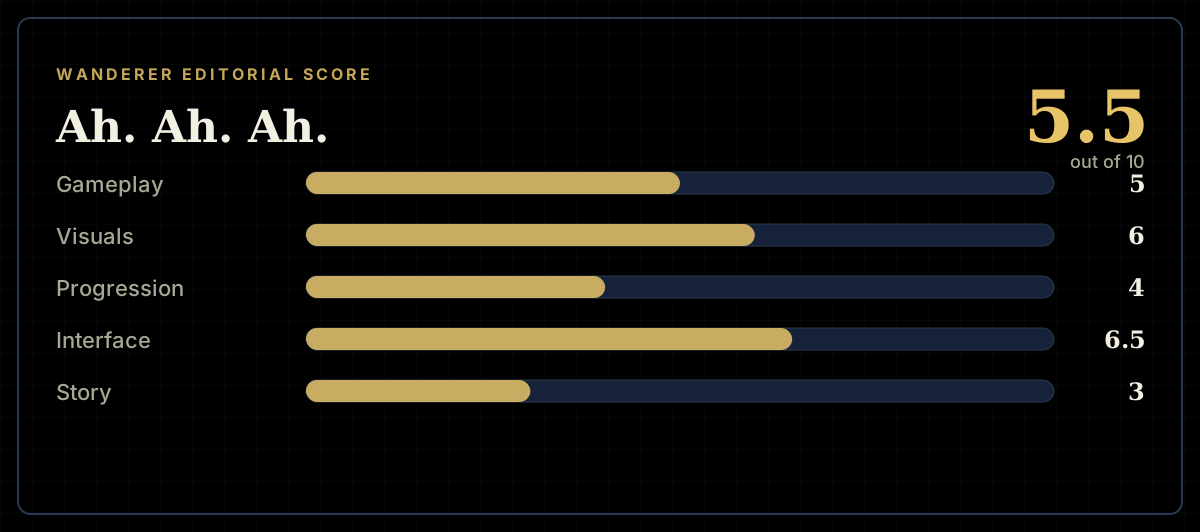
How the review scores each part of the gameWanderer Editorial -
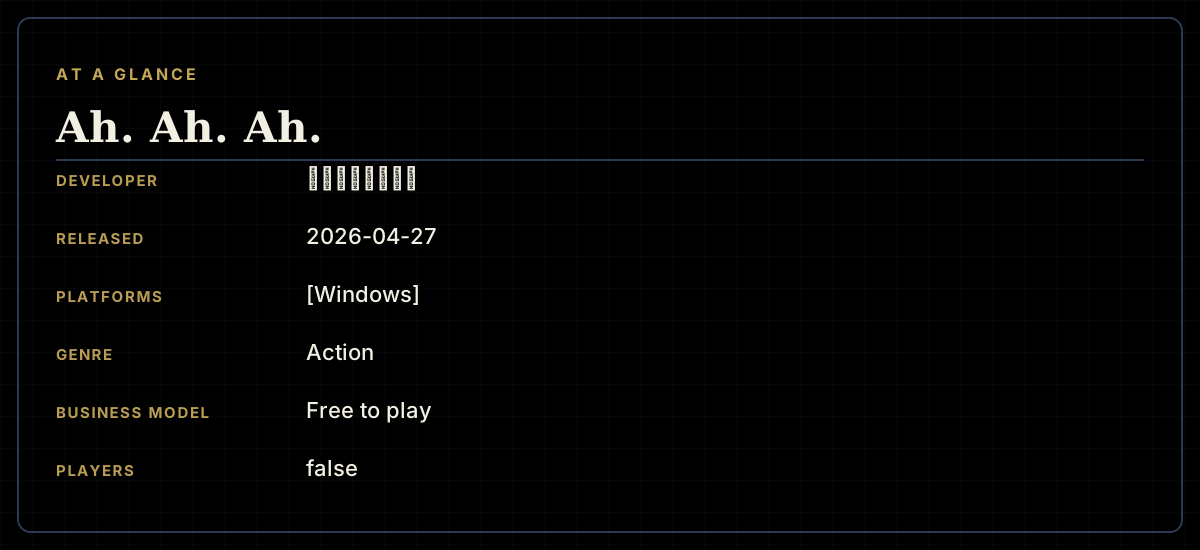
Key facts at a glanceWanderer Editorial -
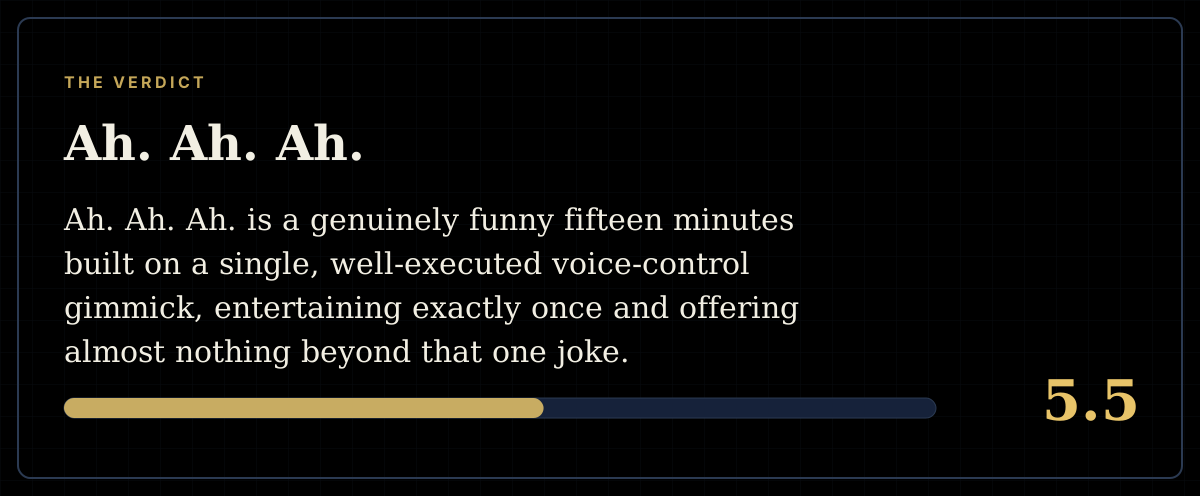
The short versionWanderer Editorial