Game review
BAZOOKA: Rhythm Game Review: A Musician's Passion Project Hits Almost Every Note
7.4 / 10
- Developer
- Gregory Seguru
- Publisher
- Codrin Bradea
- Released
- 27 April 2026
- Platforms
- Windows, Linux
- Genre
- Casual
- Monetisation
- $7.99
- Players
- false
The short version
BAZOOKA: Rhythm Game is a four-lane rhythm game built entirely around the real discography of Romanian hip-hop duo Codrin Bradea and ECHO, and it plays like exactly what it is: a genuine passion project made for an existing fanbase first and a general rhythm-game audience second, one that lands its tutorial and difficulty curve well but ships without a few conveniences, like adjustable arrow speed, that genre veterans will notice.
Biggest strengths
- 29-plus original tracks spanning the artists' real discography, giving the game a musical identity and depth of content that's rare for a passion-project-scale release
- A tutorial that reviewers specifically single out for explaining the game's timing and scoring systems more clearly than many bigger rhythm games manage
- Three clearly separated difficulty tiers, from Baby Mode through Canon to Hell Mode, giving both newcomers and score-chasers a real reason to stick around
Biggest weaknesses
- No option to adjust arrow scroll speed, a near-standard feature in the rhythm genre that at least one detailed reviewer specifically missed
- Reports that some charts don't line up cleanly with their songs, a complaint serious enough that it came from an otherwise enthusiastic player
- A public review record that's overwhelmingly positive but also thin on substantive critical detail, since much of it reads as short messages of support from an already-converted fanbase
Who it's for: Best suited to existing fans of Codrin Bradea and ECHO's music and players who enjoy classic four-lane rhythm games with a strong personal identity; a weaker fit for players who want extensive genre-standard customization options or are coming in with zero familiarity with the artists behind it.
Our recommendation: Buy it
7.4 / 10
A musician's discography, turned into a rhythm game
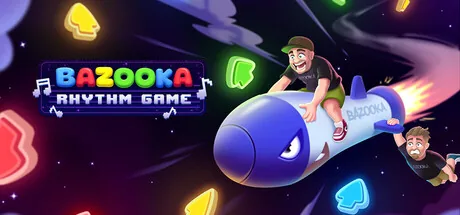
BAZOOKA: Rhythm Game is exactly what its cheerfully chaotic Steam page promises: a classic four-lane rhythm game built entirely around the original music of Codrin Bradea and his musical alter ego ECHO, a Romanian hip-hop act with over a decade of releases behind them. Rather than licensing outside tracks or commissioning generic backing music, the game is structured as a growing archive of the duo's real discography, with the developers noting plans to fold in songs from their upcoming seventh album as it releases. At $7.99, it's priced like the small, personal project it is, and the review base, small as it is, treats it that way too.
Players hit arrows across four lanes in time with 29-plus tracks, choosing between three difficulty tiers labeled Baby Mode, Canon, and Hell Mode, while a points shop lets committed players unlock additional songs and backgrounds as they improve. It's a structure that will be instantly familiar to anyone who's played a four-lane rhythm game before, wrapped around a soundtrack that's anything but generic.
A fanbase that showed up, and a tutorial that earned its keep
The review base for BAZOOKA is overwhelmingly positive, sitting at 99% across nearly 700 reviews, but it reads less like a broad rhythm-game audience weighing in and more like an existing fanbase turning out in force for a passion project by an artist they already follow. Messages of support, in-jokes referencing the developers by name, and requests for the duo's next album show up far more often than detailed mechanical breakdowns. That's not necessarily a weakness, one of the more substantive reviews in the pool specifically credits the tutorial with explaining the game's timing and scoring principles more clearly than other rhythm games manage, a genuinely useful signal buried among the shorter fan messages. The same reviewer described grinding several tracks down toward a perfect, zero-mistake clear, suggesting the scoring system has real depth for players willing to put in the time.
The genre-standard feature that's missing
The most concrete, specific piece of criticism in the entire review pool comes from a single detailed review, and it's worth taking seriously precisely because it stands out from the surrounding noise: the reviewer says they genuinely like the game, but flags the absence of an adjustable arrow-speed setting, a near-universal option in rhythm games that lets players tune how much lead time they get before a note reaches the hit zone. The same review adds that chart timing doesn't always line up cleanly with the song underneath it, a complaint that, if representative, would matter more to competitive or precision-focused players than casual fans just enjoying the soundtrack. A separate, shorter review echoes a related concern, describing some songs as feeling either too easy or too hard with not enough of a middle ground between the three difficulty tiers.
Content that goes further than the branding suggests
Despite its goofy, high-energy branding, BAZOOKA's Steam content descriptors reveal that several of the duo's music videos and songs deal with genuinely heavy subject matter, including alcohol and tobacco use, implied drug references, mentions of abortion, and a depiction of mental illness and suicide in one track. None of this is graphically shown on screen, but it's a reminder that the game is a direct extension of the artists' real, personal discography rather than a soundtrack written to spec, which is likely part of why it resonates so strongly with listeners who already know the music.
Should you check it out without knowing the artists first
The honest answer depends heavily on your starting point. Fans of Codrin Bradea and ECHO's music get a rhythm game built with obvious care around material they already love, complete with a genuinely well-regarded tutorial and a scoring system with room to master. Players coming in with no prior familiarity with the duo are taking more of a gamble, since the review record doesn't offer much outside perspective on whether the game holds up purely as a rhythm game divorced from its soundtrack's personal appeal, and the one detailed critical review on record flags real, if modest, missing functionality.
What a passion project gets right that bigger studios sometimes miss
There's a particular kind of care visible in BAZOOKA that's easy to overlook next to bigger-budget rhythm games. Because the developers are the same people who made the music, every track arrives with a built-in sense of intent, songs aren't slotted in to hit a genre quota or licensing deal, they're placed because the artists behind them wanted players to experience that specific piece of their catalog through the game's mechanics. That shows up in small ways reviewers mention almost in passing: backgrounds and unlockables tied to specific songs, a shop structure that rewards spending time with tracks rather than just buying through them, and a tutorial that multiple accounts describe as clearer than what much larger studios ship. For a $7.99 release built by what appears to be a small team, that level of coherence between soundtrack, presentation, and mechanics is a genuine accomplishment, even if it means the game will always read first as an artist's statement and second as a rhythm game competing on pure feature count.
Verdict: a small, sincere rhythm game worth the price of entry
BAZOOKA: Rhythm Game succeeds at what it clearly set out to do: give an already-devoted fanbase a well-built, well-tutorialized way to engage with an artist's real discography through classic four-lane rhythm gameplay. It's light on some genre-standard conveniences like adjustable note speed, and its review record is thinner on critical detail than its glowing aggregate score suggests, but at $7.99 with 29-plus original tracks and a genuine points-shop progression loop, it's an easy recommendation for anyone even mildly curious about the music behind it.
Pros and cons
Pros
- 29-plus original tracks spanning the artists' real discography, giving the game a musical identity and depth of content that's rare for a passion-project-scale release
- A tutorial that reviewers specifically single out for explaining the game's timing and scoring systems more clearly than many bigger rhythm games manage
- Three clearly separated difficulty tiers, from Baby Mode through Canon to Hell Mode, giving both newcomers and score-chasers a real reason to stick around
- A points shop that unlocks additional songs and backgrounds, giving the overall structure more long-term progression than a simple track-select menu
Cons
- No option to adjust arrow scroll speed, a near-standard feature in the rhythm genre that at least one detailed reviewer specifically missed
- Reports that some charts don't line up cleanly with their songs, a complaint serious enough that it came from an otherwise enthusiastic player
- A public review record that's overwhelmingly positive but also thin on substantive critical detail, since much of it reads as short messages of support from an already-converted fanbase
- Some reports of difficulty spikes feeling uneven between tiers, with at least one reviewer describing songs as either too easy or too hard with little in between
Screenshots
-
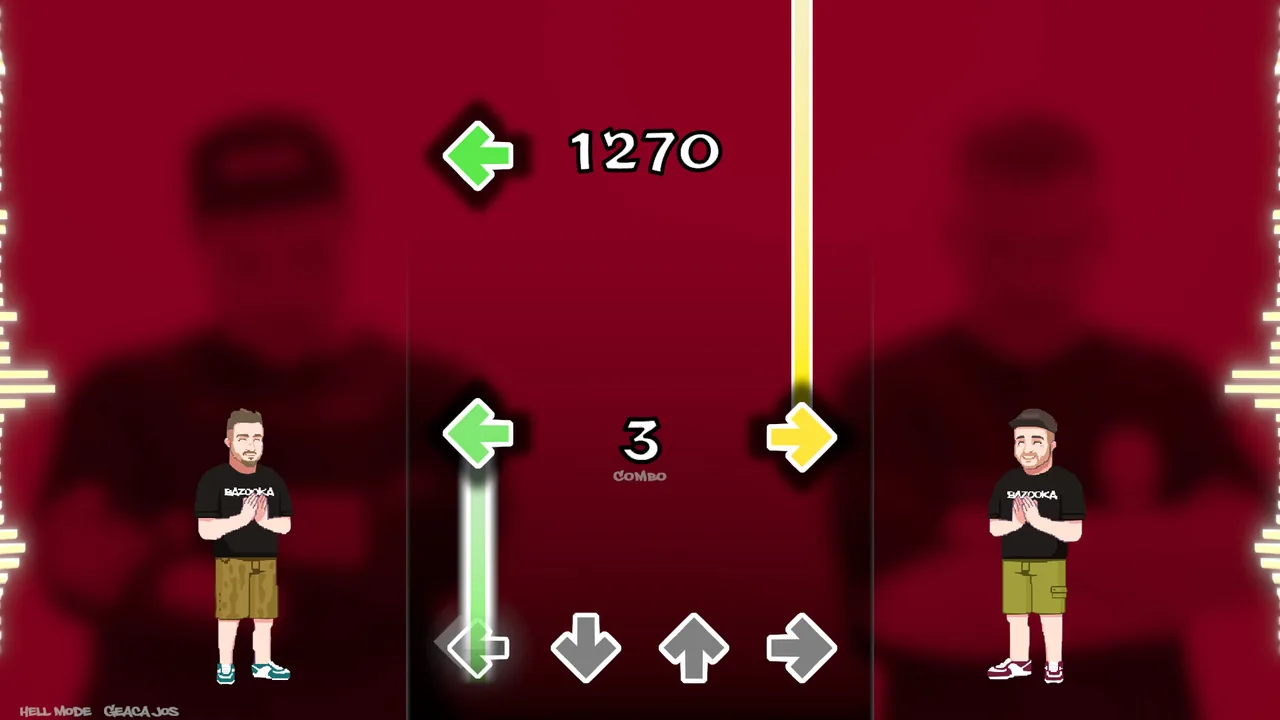
BAZOOKA: Rhythm GameImage: Codrin Bradea via Steam -

BAZOOKA: Rhythm GameImage: Codrin Bradea via Steam -
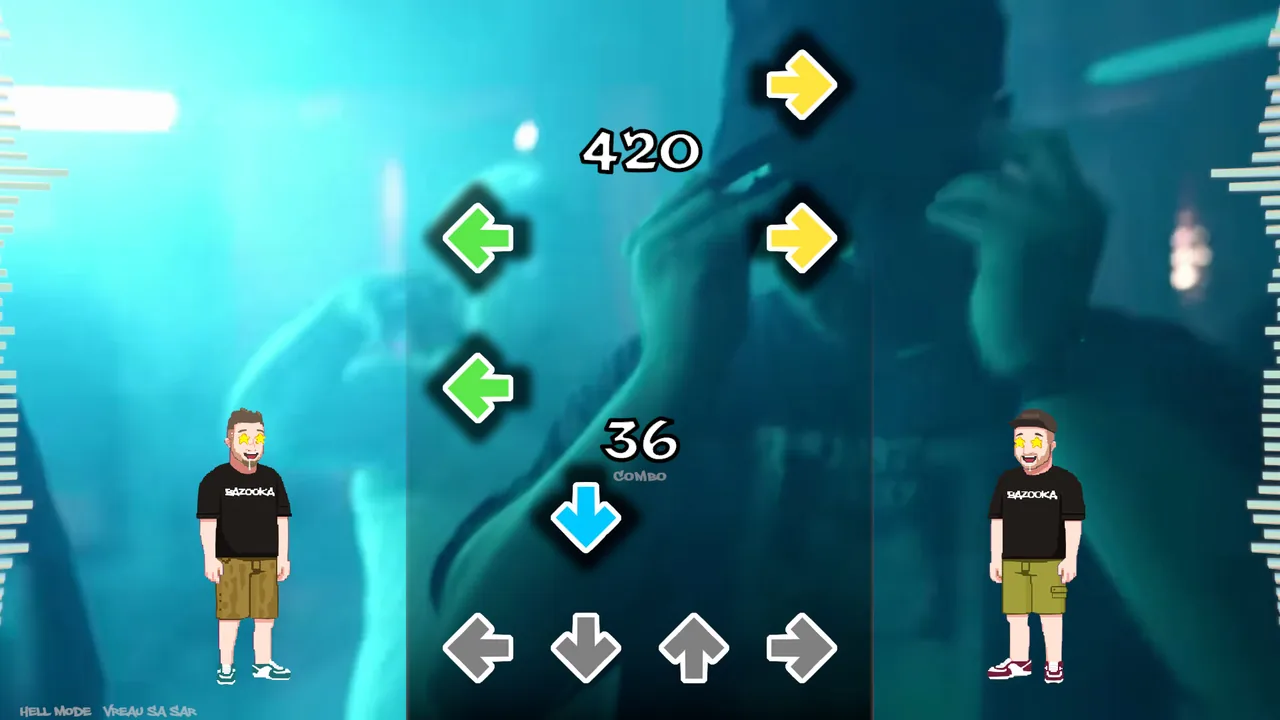
BAZOOKA: Rhythm GameImage: Codrin Bradea via Steam -
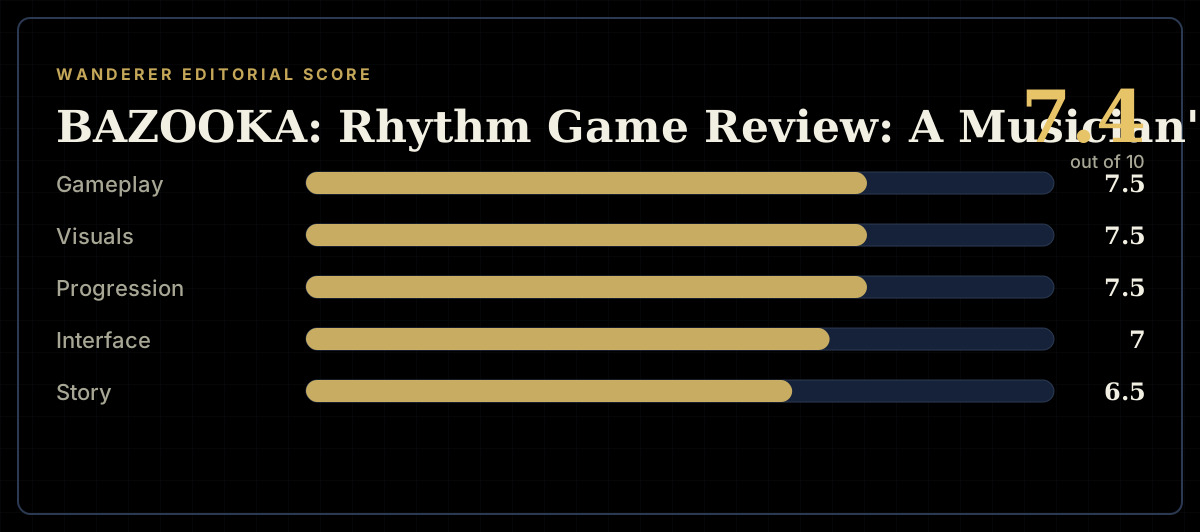
How the review scores each part of the gameWanderer Editorial -
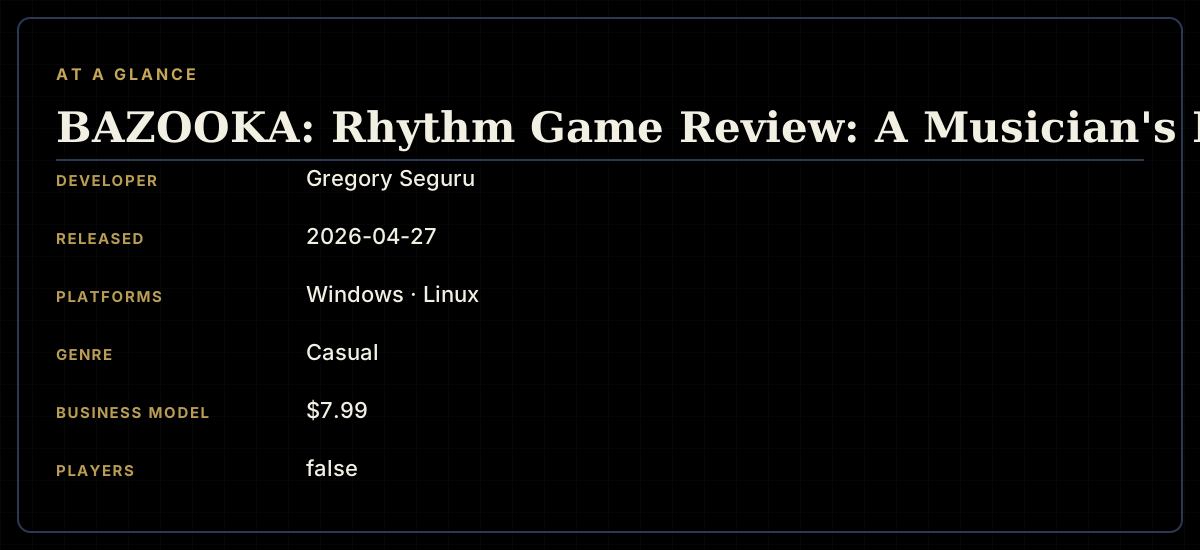
Platform and release detailsWanderer Editorial -
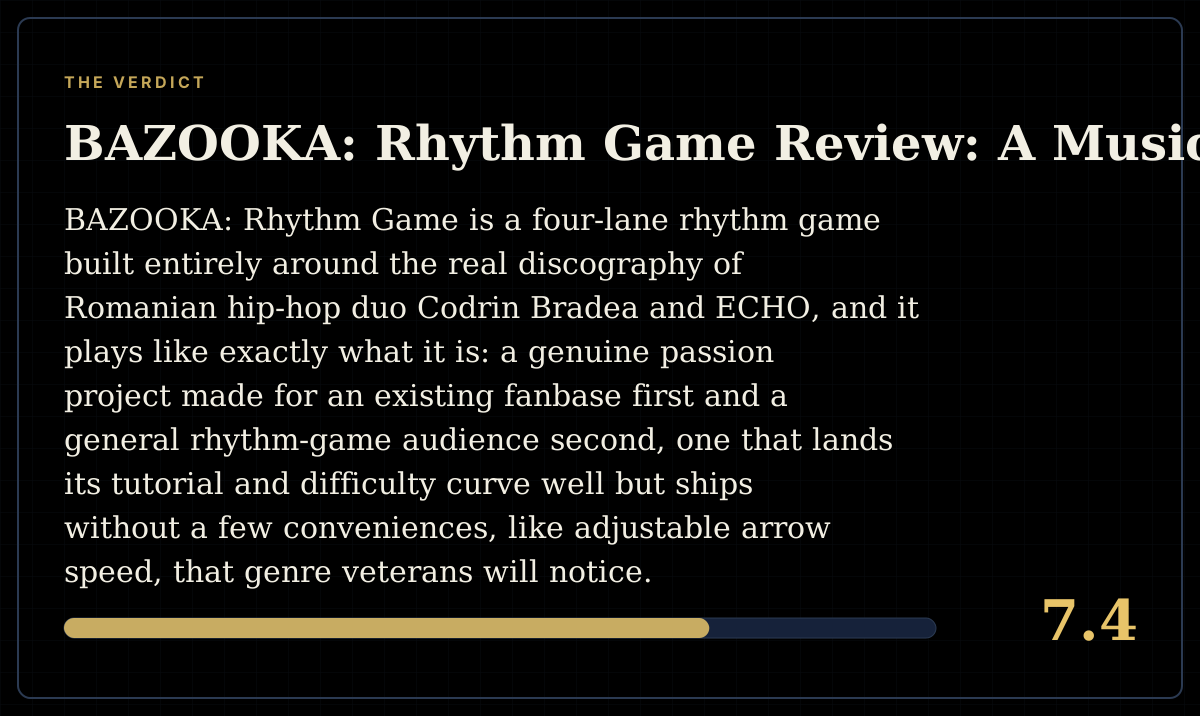
The short versionWanderer Editorial