
Game review
Kalinur
6 / 10
- Developer
- Pixel vs Pixel
- Publisher
- Pixel vs Pixel
- Released
- 18 August 2022
- Platforms
- Windows
- Genre
- Metroidvania
- Monetisation
- One-time premium purchase; no ads, DLC or in-game store found
- Players
- Single-player only; no online, co-op or PvP modes
The short version
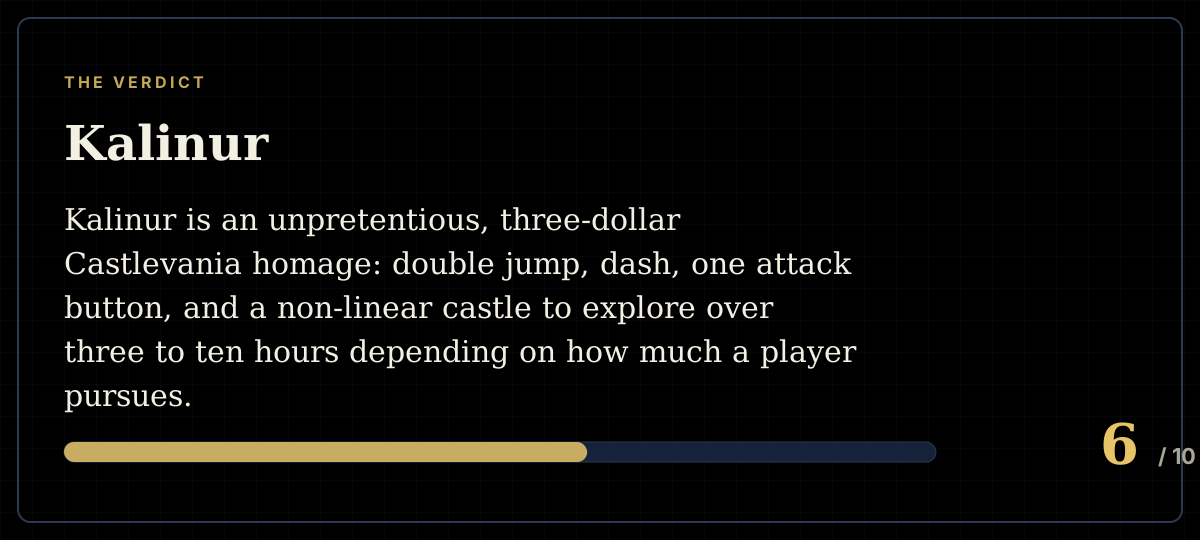
Kalinur is an unpretentious, three-dollar Castlevania homage: double jump, dash, one attack button, and a non-linear castle to explore over three to ten hours depending on how much a player pursues. Reviewers consistently describe it as basic almost to a fault, but charming enough in its simplicity that several call it a useful reminder of what makes the genre's fundamentals work in the first place.
What holds it back from an easy recommendation is a specific, repeated structural complaint: healing exists only at save points, turning ordinary exploration into a slow, careful crawl between checkpoints where any death sends a player back with collected currency lost. Combined with reviewer accounts of a completely unmappable control scheme — no analog stick support and fixed keyboard bindings some call actively uncomfortable — this is a game whose rough edges sit in specific, avoidable places rather than its core design.
Biggest strengths
- A genuinely charming, if simple, homage to classic Castlevania-style metroidvania design, with reviewers praising its non-linear castle layout and gated progression
- Extremely inexpensive, with multiple reviewers specifically calling the asking price more than fair for three to ten hours of straightforward genre entertainment
- A healthy, gradual achievement completion curve, with even late-game boss achievements reaching around a fifth of the playerbase, suggesting the short runtime makes full completion genuinely attainable for most buyers who start it
Biggest weaknesses
- Healing is available only at save points, and reviewers describe this turning routine exploration into a slow, cautious crawl where any death costs all currency collected since the last checkpoint
- No fast-travel system compounds the healing complaint, forcing repeated treks back through already-cleared areas that several reviewers call tedious rather than tense
- At least one reviewer reports no way to remap controls at all, describing the default controller D-pad as too uncomfortable for platforming and the default keyboard bindings as unplayable, leaving no comfortable option for that player's setup
Who it's for: Metroidvania completionists who want a short, cheap, no-frills genre entry and don't mind a punishing lack of mid-level healing. Less suited to players who need remappable controls or fast travel to enjoy backtracking-heavy exploration.
Our recommendation: A fair, low-risk pickup at its price for genre fans specifically chasing a quick, basic Castlevania-style romp — just verify the default control scheme works for your setup before buying, since there's reportedly no way to change it.
6 / 10
Some metroidvanias chase ambition; Kalinur chases fundamentals. A young hero with a sword, a castle full of gated pathways, and a small, familiar toolkit of double jump, dash and air dash — reviewers consistently describe it in exactly these terms, several explicitly framing a return to "the basics" as its own kind of appeal after playing more elaborate genre entries. For a few dollars, that's a fair trade for the audience it's aimed at, provided a couple of specific, avoidable frictions don't get in the way first.
Familiar bones, honestly assembled
The core loop offers little in the way of surprises: one horizontal attack that speeds up the more it's used, standard metroidvania movement upgrades unlocking new areas over roughly the first half of the game, and a non-linear castle with paths of varying difficulty for players to tackle in whatever order suits them. Reviewers describe this as competent rather than exceptional, but genuinely engaging on its own terms — one detailed review frames finishing it as "a useful recap of what makes good Metroidvania games" precisely because it doesn't complicate the formula with anything extraneous. A good and bad ending, along with a set of collectible coins, give completionist players modest additional reasons to fully explore rather than beeline the exit, and achievement data backs up how attainable that full completion actually is: even the later boss-defeat achievements sit around a fifth of the playerbase, a healthy completion rate for a short game most reviewers finish in well under ten hours.
Healing, backtracking, and a punishing rhythm
The most consistently cited complaint concerns how recovery works: healing is available only at save points, meaning ordinary exploration becomes a careful, attritional crawl between checkpoints rather than a confident push forward. Reviewers describe this compounding badly with a second, related gap — no fast-travel system exists, so death sends a player back not just with lost currency but with a trek through already-cleared rooms to get back to where they died. One reviewer sums up the resulting rhythm bluntly: "slowly trying to navigate to the next save point, losing a bit of health in every room, until you die and warp back to the last save point, losing all collected coins. Poor design." That's a harsher read than this game's broadly positive aggregate score suggests is universal, but it's specific and detailed enough, and echoed by enough independent reviewers, to weigh seriously rather than dismiss as one frustrated account.
A related complaint concerns how fairly that attrition is applied: several reviewers describe enemy attacks as poorly telegraphed, producing damage that feels unpredictable and hard to avoid on reaction alone rather than pattern-based challenge a player can learn and master — a meaningful distinction in a genre where clean readability is usually a baseline expectation.
A control scheme reviewers say can't be changed
A smaller but more absolute complaint concerns input configuration. At least one detailed reviewer reports being unable to remap controls at all, describing the default controller D-pad as too uncomfortable to use reliably for the game's platforming, and the default keyboard bindings as unplayable in their own right — leaving that reviewer with no comfortable way to play the game despite otherwise straightforward, simple controls. With no partner events or patch history on the public record for this review to check against, there's no indication whether this has been addressed since that report; buyers with specific control preferences should verify the default scheme works for their setup before purchasing rather than assuming it can be adjusted later.
Exploration without much reward
A quieter complaint worth naming separately concerns what exploration actually earns a player. Multiple reviewers note that collectible coins scattered through the castle appear to serve little functional purpose beyond a completion checklist, undercutting one of the genre's usual pillars: a sense that thorough exploration is meaningfully rewarded rather than just tracked. Combined with the no-fast-travel backtracking already discussed, this leaves the game's non-linear map design — genuinely praised elsewhere in this review's research — carrying less weight than it could, since neither the risk of exploring further from a save point nor the payoff for doing so quite lands the way the genre's best examples manage. It's a smaller complaint than the healing and control issues above, but it's part of the same broader pattern: individually reasonable design choices that compound into more friction than any one of them would cause alone.
A quiet release with little to check against
Unlike most games covered in this lane, Kalinur has no partner-events history on Steam's public record at all — not a single announced patch, sale, or update in over four years since release. That's consistent with a very small, likely one-or-two-person team without the bandwidth for ongoing post-launch support, and it means every specific complaint raised in this review, including the control-remapping gap, should be assumed to reflect the game's current state rather than an issue since resolved. Reviewers don't describe Kalinur as broken or abandoned in the way some games in this lane have been — just modest, quiet, and apparently finished as shipped.
Where it lands
Kalinur delivers exactly what it sets out to be: an inexpensive, straightforward metroidvania built on well-worn but honestly executed fundamentals, backed by an achievement curve that confirms most buyers who start it are able to see it through. Its most serious complaints — a punishing save-point-only healing loop with no fast travel to soften it, and a reportedly unchangeable control scheme that locks at least some players out of a comfortable experience — are specific enough to weigh heavily against an otherwise perfectly serviceable genre entry. At its price, it remains a reasonable pickup for genre completionists prepared for those two frictions specifically, rather than an easy universal recommendation.
Pros and cons
Pros
- A genuinely charming, if simple, homage to classic Castlevania-style metroidvania design, with reviewers praising its non-linear castle layout and gated progression
- Extremely inexpensive, with multiple reviewers specifically calling the asking price more than fair for three to ten hours of straightforward genre entertainment
- A healthy, gradual achievement completion curve, with even late-game boss achievements reaching around a fifth of the playerbase, suggesting the short runtime makes full completion genuinely attainable for most buyers who start it
- Both a good and bad ending along with collectible coins, giving completionists modest additional reasons to fully explore the map
- Full controller support offered out of the box, functional for players not affected by the specific input complaints raised below
Cons
- Healing is available only at save points, and reviewers describe this turning routine exploration into a slow, cautious crawl where any death costs all currency collected since the last checkpoint
- No fast-travel system compounds the healing complaint, forcing repeated treks back through already-cleared areas that several reviewers call tedious rather than tense
- At least one reviewer reports no way to remap controls at all, describing the default controller D-pad as too uncomfortable for platforming and the default keyboard bindings as unplayable, leaving no comfortable option for that player's setup
- Enemy attacks are described by multiple reviewers as poorly telegraphed, leading to unpredictable, hard-to-avoid damage rather than pattern-based challenge
- Collectible coins are reported to serve little functional purpose beyond completion tracking, undercutting the incentive to explore thoroughly that the genre usually rewards
Screenshots
-
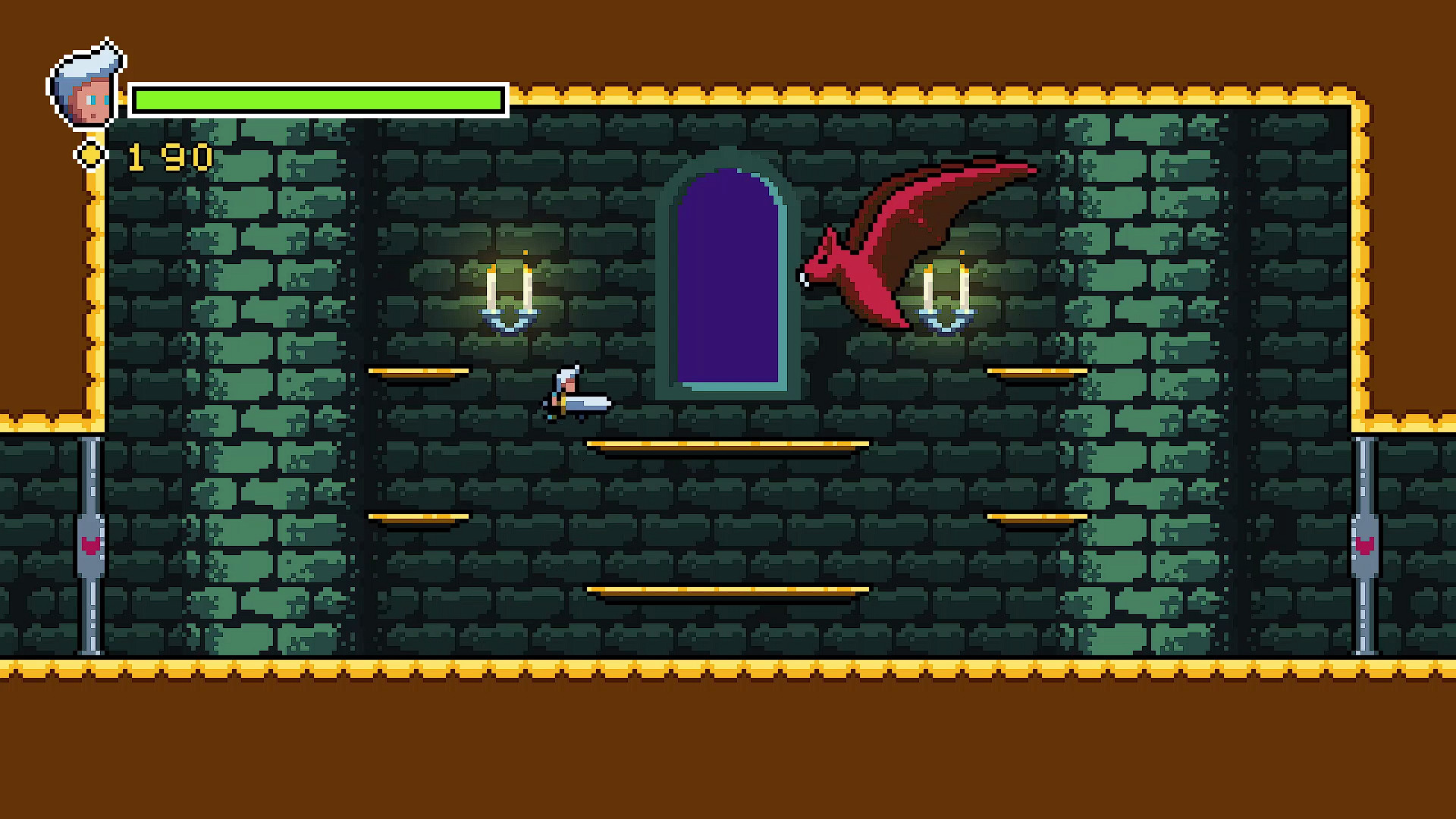
KalinurImage: Pixel vs Pixel via Steam -
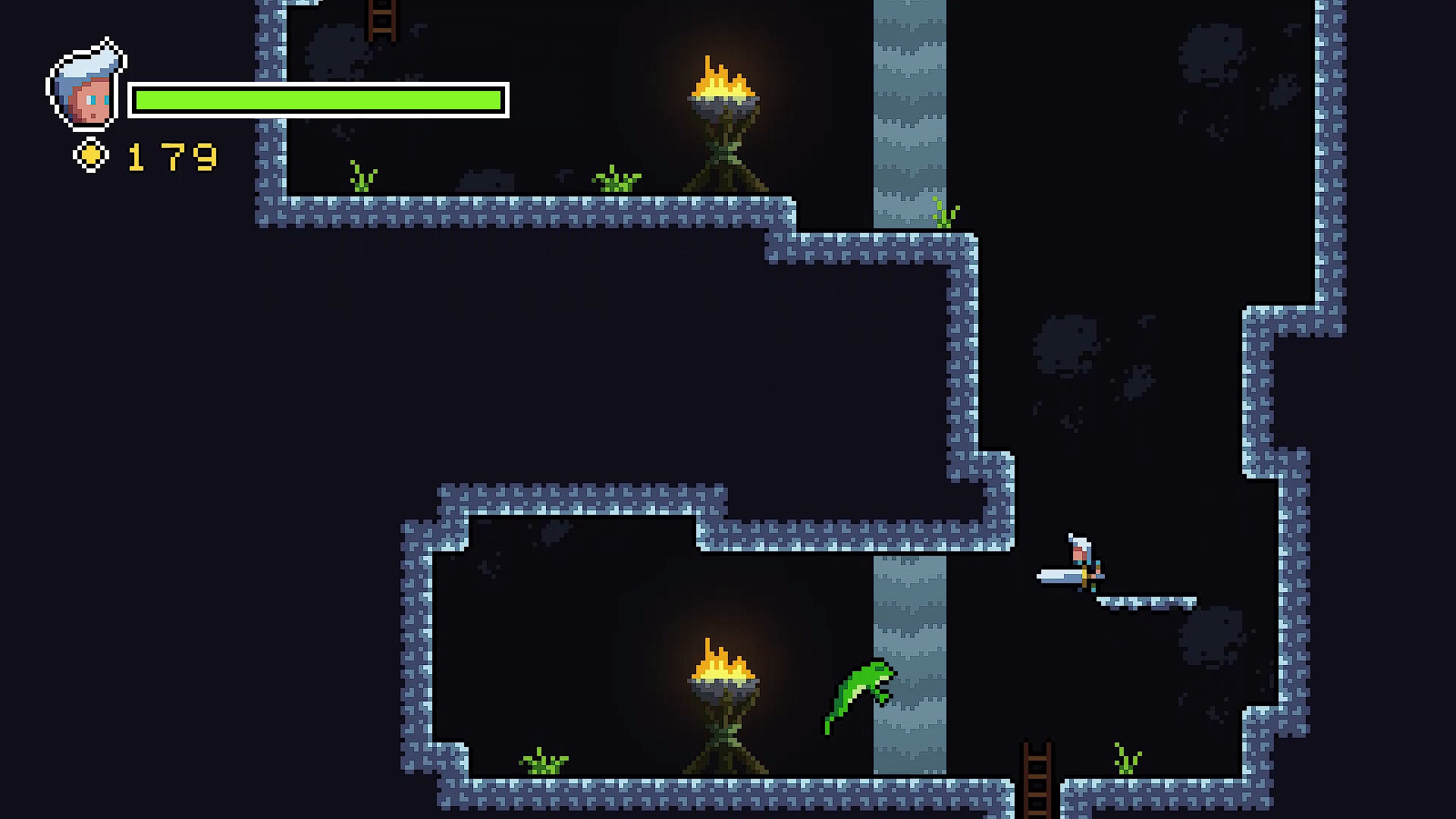
KalinurImage: Pixel vs Pixel via Steam -
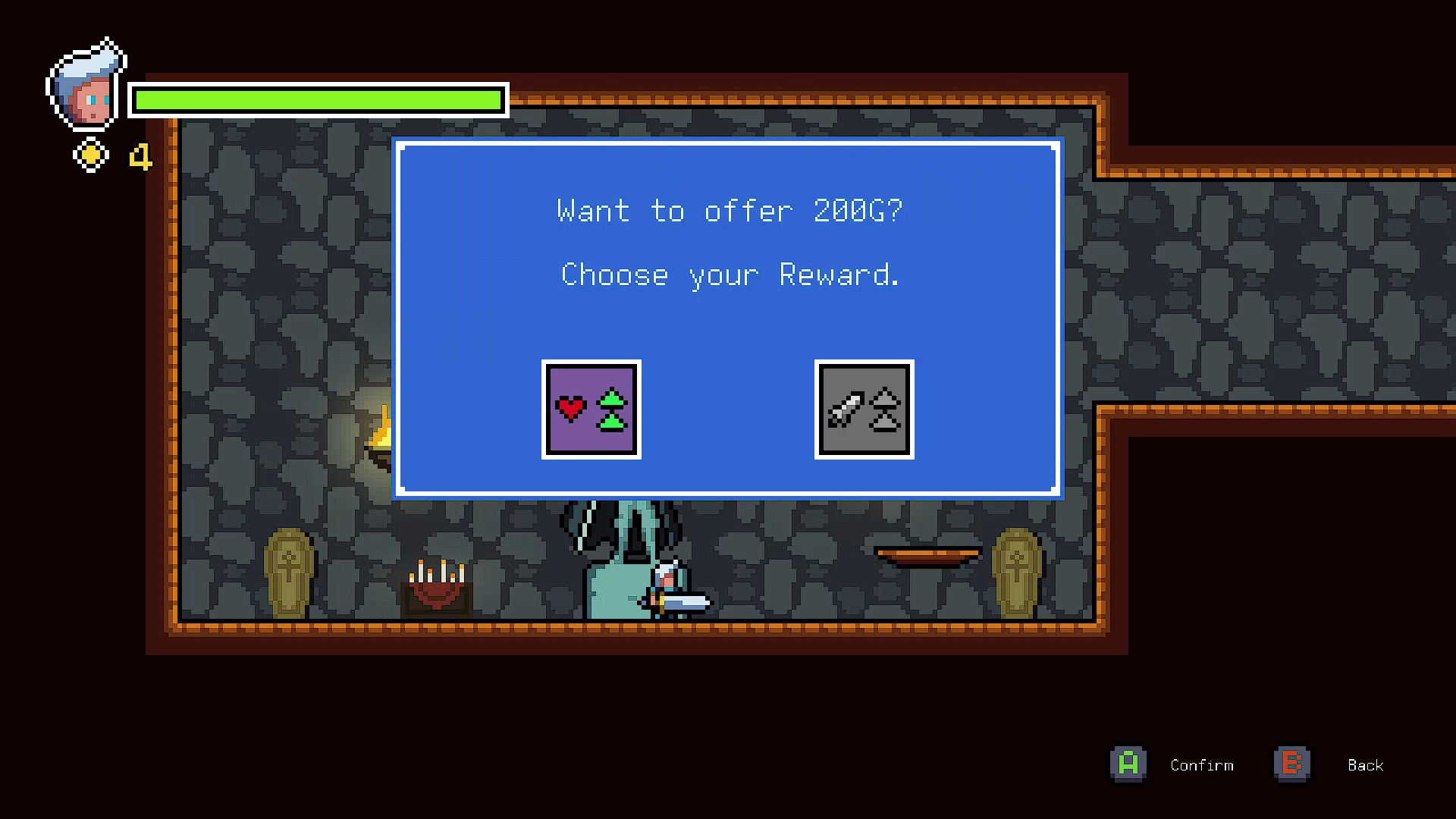
KalinurImage: Pixel vs Pixel via Steam -
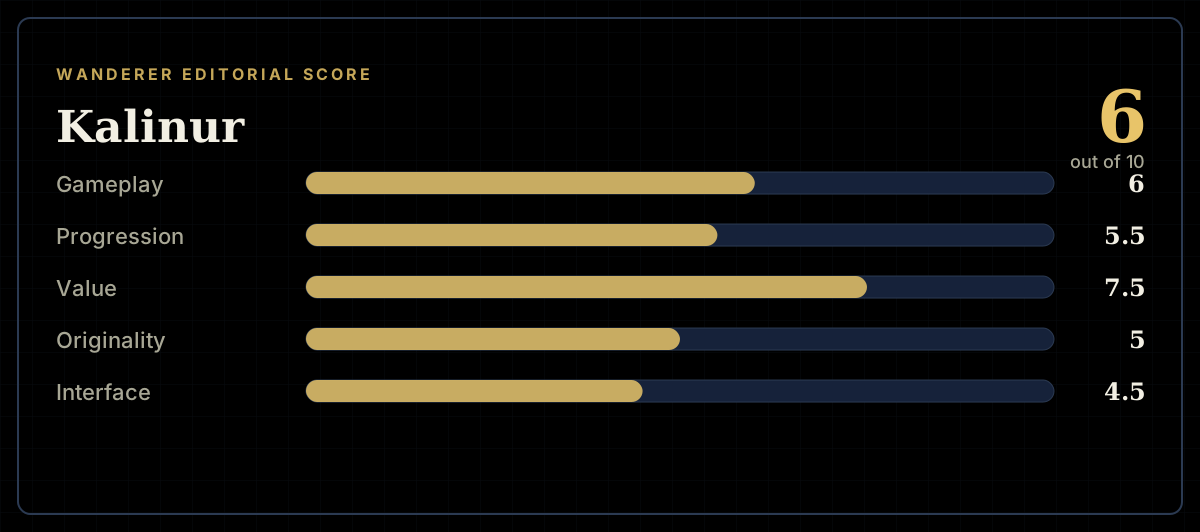
How the review scores each part of the gameWanderer Editorial -

The specsWanderer Editorial -
The short versionWanderer Editorial