Game review
IncreKnight
7.5 / 10
- Developer
- SUPERita
- Publisher
- SUPERita
- Released
- 3 June 2026
- Platforms
- Windows
- Genre
- Incremental Action
- Monetisation
- Premium, one-off purchase, no in-game purchases
- Players
- Single-player
The short version
IncreKnight takes the incremental genre's usual promise — walk away, come back richer — and refuses to let you actually walk away. Each of its twenty rooms is a timed arena where the ceiling is dropping while you farm gold to spend on a talent tree and four wildly different companions, and that tension between idle-style number-crunching and an active, twitchy survival clock is the best idea in the whole package. It's a tight, cheap, good-looking few hours that mostly earns its Very Positive reception.
It doesn't stretch much beyond those few hours, though. The main run is a straight line from room one to a two-stage dragon fight with no difficulty options and little reason to start again, and the optional post-campaign challenge floors that are meant to extend it have picked up a real reputation among players for solving that problem with brute-force stat checks instead of new ideas.
Biggest strengths
- The collapsing-ceiling timer turns what could have been a passive number-watching loop into a genuinely tense arcade survival game
- The four companions (Card Dealer, Blacksmith, Mage, Healer) each change how a run feels rather than just adding a bigger number to the same build
- Boss encounters every five rooms, capped by a two-stage final dragon fight, give the twenty-room structure real pacing landmarks instead of an undifferentiated grind
Biggest weaknesses
- There are no difficulty options and no meaningful reason to run the twenty-room campaign a second time once the credits roll
- Post-launch challenge floors ramp difficulty by demanding heavy stat-grinding and pixel-precise positioning rather than introducing new mechanics, and a real share of the player base finds that frustrating instead of rewarding
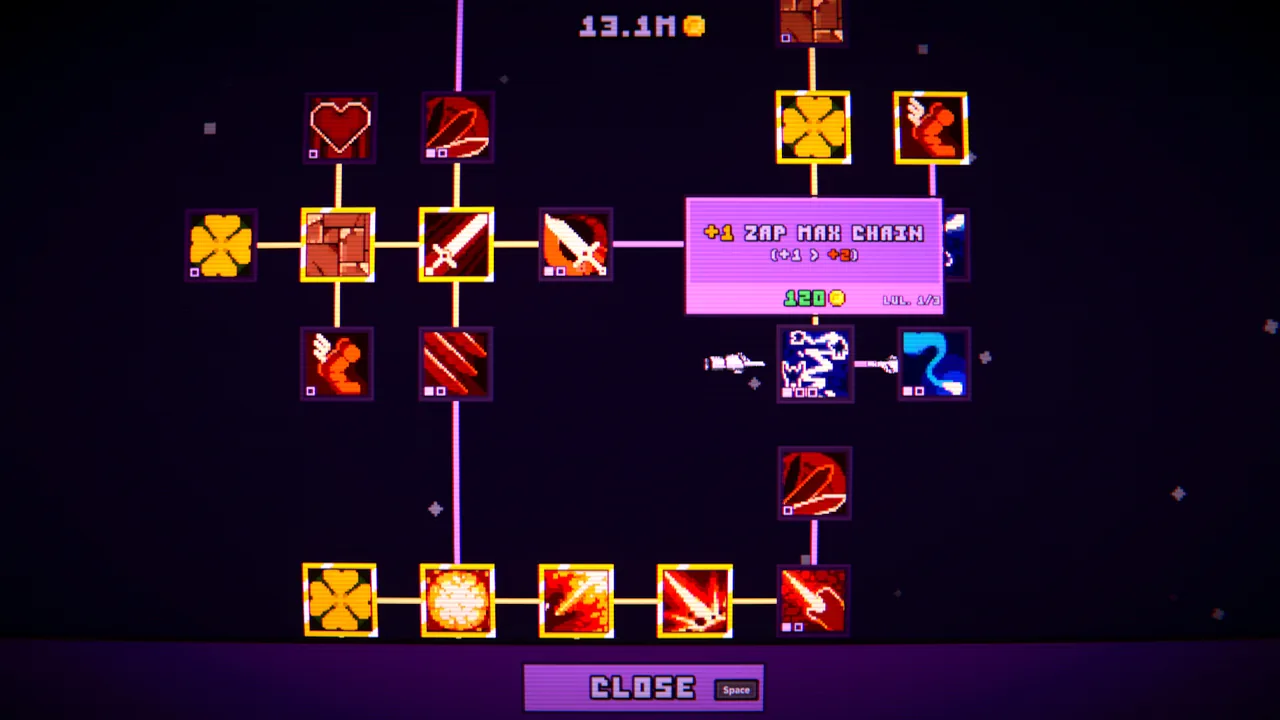
- A handful of skills and upgrades stop mattering once stronger options unlock, leaving the talent tree feeling a little front-loaded with choices that don't stay relevant
Who it's for: Incremental and idle players who want an active arcade loop instead of a screen full of auto-battling numbers, and anyone who wants a short, well-made premium game they can finish in a handful of sittings rather than a live-service time sink.
Our recommendation: Buy it at its five-dollar asking price for a genuinely inventive single-session incremental — just don't go in expecting the post-game challenge content to be as well tuned as the campaign that precedes it.
7.5 / 10
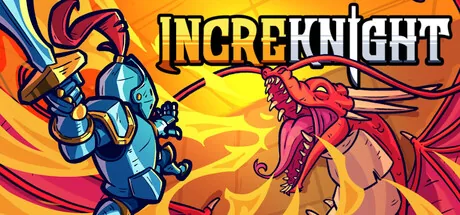
Most incremental games are built around a single promise: leave, and come back to find the numbers have grown without you. IncreKnight spends its entire runtime arguing with that promise. SUPERita's solo-developed debut drops you into a dungeon standing between a knight and a dragon that levelled a town, but instead of an idle timer counting up in the background, every room is a fixed-time arena with the ceiling visibly, audibly closing in while monsters keep spawning. You can't walk away from this incremental game. You can barely look away from the clock.
A shrinking arena instead of a growing number
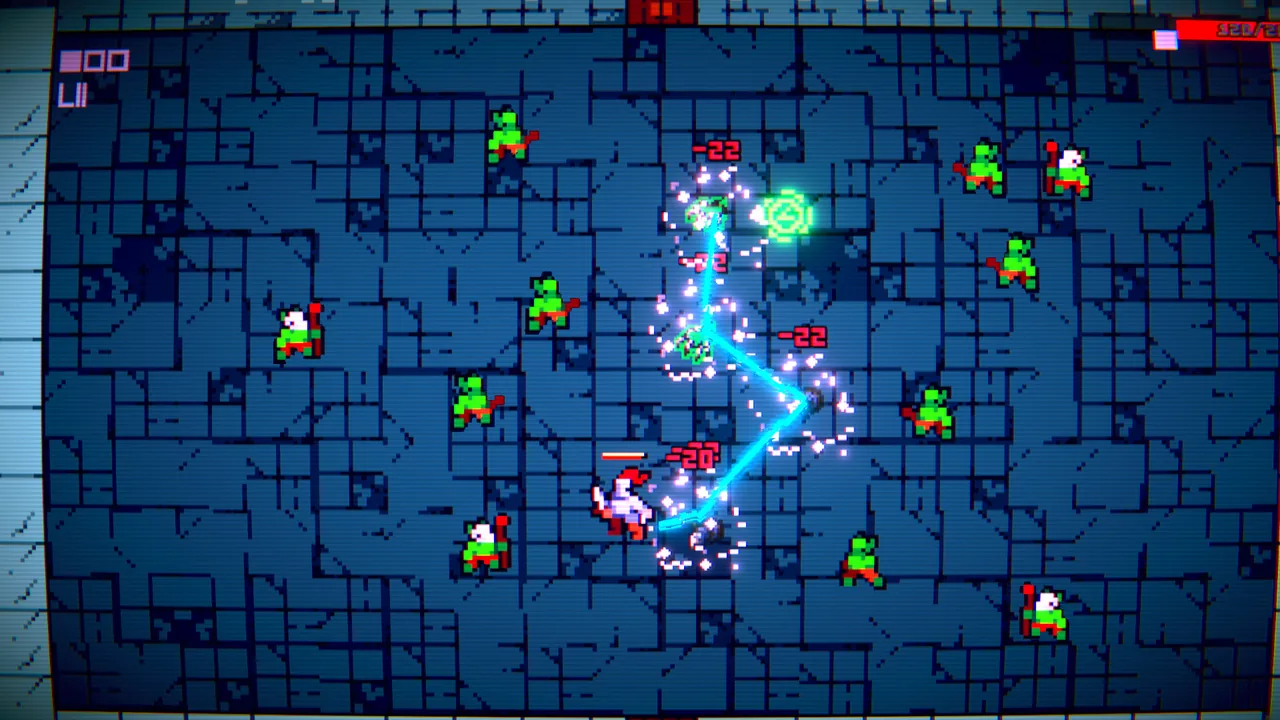
The core loop sounds simple on paper: enter a room, kill enough monsters for enough gold before time runs out, spend that gold on a talent tree and a roster of companions, move to the next room. What makes it work is the pressure the ceiling puts on every other decision. Chase one more kill for a few extra coins and you risk getting caught by a countdown that doesn't pause for looting or menus. That single mechanical choice is what separates IncreKnight from the wall of near-identical click-and-wait incrementals on Steam — it borrows the genre's upgrade-and-spend backbone but bolts it onto something closer to an arcade survival game, and the friction between the two ideas is consistently the most interesting thing happening on screen.
Twenty rooms make up the full run, with a boss waiting every five levels and a two-stage dragon fight as the finale. That's a sensible structure for a five-dollar game: enough landmarks to keep the pacing legible without the campaign overstaying its welcome. Talent priorities settle quickly once you've cleared the early rooms — extending Arena Time reliably matters more than raw damage or health early on, because there's no surviving a fight you don't have time to finish. It's the kind of tight optimisation puzzle incremental fans enjoy chewing on, even if the "correct" build order becomes apparent faster than the genre's best examples usually allow.
Four companions carrying the game's real depth
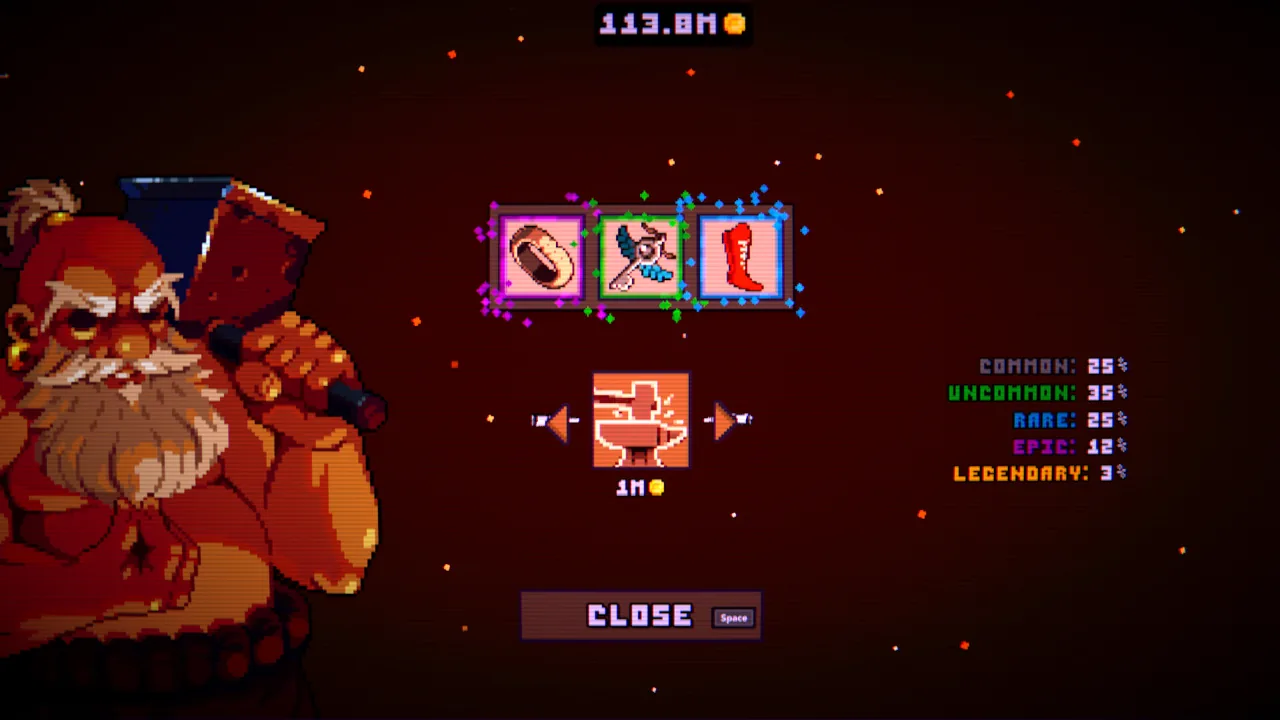
The talent tree alone would make for a fairly shallow arcade incremental. What gives IncreKnight actual build variety is its companion system — four unlockable allies who each pull a run in a different direction rather than simply adding another stat line. The Card Dealer leans into risk-and-reward tarot-style modifiers that can swing a room wildly in either direction. The Blacksmith trades flash for permanent, crafted stat gains that reward patience over a full run. The Mage brings crowd control in the form of chain lightning, which matters enormously once rooms start spawning monsters faster than a single knight can reasonably swing a sword. The Healer offers recovery circles that keep a greedy, timer-chasing playstyle survivable. None of the four is a trap option, and picking between them is the closest thing IncreKnight has to a genuine build decision — it's a small system, but it's a well-considered one, and it does more to keep the middle rooms interesting than the talent tree does on its own.
Presentation that punches above a $5 asking price
Visually, IncreKnight sticks to a colourful, readable pixel-art style that never gets in the way of reading incoming attacks, which matters in a game where a wasted half-second against the clock is a real cost. It won't win points for ambition next to bigger pixel-art releases, but it's clean, consistent and appropriately cheerful for a game about a knight cheerfully grinding a dragon's minions for gold. The soundtrack does more of the heavy lifting than the visuals: it's the element players and outlets alike keep returning to as the game's standout feature, and it earns that attention by staying upbeat and propulsive exactly when a countdown timer might otherwise make a short session feel like a chore rather than a game.
Full controller support is a welcome inclusion for a game this size, and the interface stays out of the way during the timed rooms themselves, where every second of menu-fumbling matters. Between rooms, the talent and companion screens are simple enough not to need much explaining, which suits a game this short and this cheap.
The wall the post-game content builds
IncreKnight's user reviews cluster tightly around "Very Positive" for good reason — the core twenty-room campaign is short, confident and doesn't waste the player's time. Where the sentiment splits is what comes after it. A set of additional challenge floors was added to give finishers a reason to keep playing, and instead of introducing new enemy behaviours or mechanical wrinkles, they mostly raise the difficulty by demanding heavier stat investment and far more precise positioning than the main campaign ever asked for. That's a legitimate design choice for genuinely dedicated players chasing a harder version of the same game, but a consistent thread in player feedback is frustration rather than satisfaction — the challenge floors read less like a victory lap and more like a wall, and a few upgrades that felt exciting during the campaign turn out to be dead weight against the new scaling. A handful of players also report technical hitches specifically on Steam Deck, though without describing any actual loss of progress.
None of that undermines the base campaign, which is what the vast majority of the positive Steam reviews are actually praising. It does mean the "endgame" is a much rougher, more specialised experience than the polished few hours that precede it, and buyers chasing that content should expect a spike in demands rather than a smooth continuation of the pace the game has built up to that point.
Value and who this is actually for
At around five US dollars with no in-app purchases, no premium currency and no energy system to grind against, IncreKnight's monetisation is about as clean as a paid game gets — you buy it once and everything in it is available for that price. The real question is length rather than generosity: this is a game measured in a handful of sittings, not weeks, and there's no difficulty selector to stretch that out on a first playthrough. For an incremental fan looking for something they can actually finish, rather than another live-service number-go-up game demanding daily check-ins, that's a feature rather than a flaw. For a player used to incrementals as long-haul comfort games, it will feel abrupt.
Final verdict
IncreKnight earns its score by doing something the incremental genre rarely attempts: it makes the countdown the point, rather than something you set and ignore. The companion system gives that loop real shape, the soundtrack sells the tension of every timed room, and twenty tightly structured levels never feel padded on the way to a satisfying two-stage boss fight. Where it comes up short is everything after that fight — no difficulty modes make a second run feel worthwhile, and the challenge content built to fill that gap has earned a reputation for demanding grind and precision rather than delivering new ideas.
Buy IncreKnight for what it does in its first few hours: a genuinely clever, good-looking twist on incremental design that respects a player's time and asking price alike. Just treat the post-game challenge floors as an optional, much harder side quest for players chasing a specific kind of punishment, not as the natural next step after the credits roll. Players who like their progression systems to keep running even when they're not actively driving them, rather than stopping the moment the credits do, may also want to take a look at Wanderer.
Price and Steam review figures checked 31 July 2026.
Pros and cons
Pros
- The collapsing-ceiling timer turns what could have been a passive number-watching loop into a genuinely tense arcade survival game
- The four companions (Card Dealer, Blacksmith, Mage, Healer) each change how a run feels rather than just adding a bigger number to the same build
- Boss encounters every five rooms, capped by a two-stage final dragon fight, give the twenty-room structure real pacing landmarks instead of an undifferentiated grind
- The soundtrack is consistently singled out by players as one of the game's strongest elements, doing a lot of work to keep short timed rounds from feeling stressful rather than fun
- A clean one-off price with no in-app purchases, energy timers or premium currency to work around
Cons
- There are no difficulty options and no meaningful reason to run the twenty-room campaign a second time once the credits roll
- Post-launch challenge floors ramp difficulty by demanding heavy stat-grinding and pixel-precise positioning rather than introducing new mechanics, and a real share of the player base finds that frustrating instead of rewarding
- A handful of skills and upgrades stop mattering once stronger options unlock, leaving the talent tree feeling a little front-loaded with choices that don't stay relevant
- Some players report technical hitches running the game on Steam Deck, though without losing save progress
- Windows-only with no Mac or Linux build, so the Steam Deck audience it seems built for has to go through Proton to get there
Screenshots
-
IncreKnightImage: SUPERita via Steam -
IncreKnightImage: SUPERita via Steam -
IncreKnightImage: SUPERita via Steam -
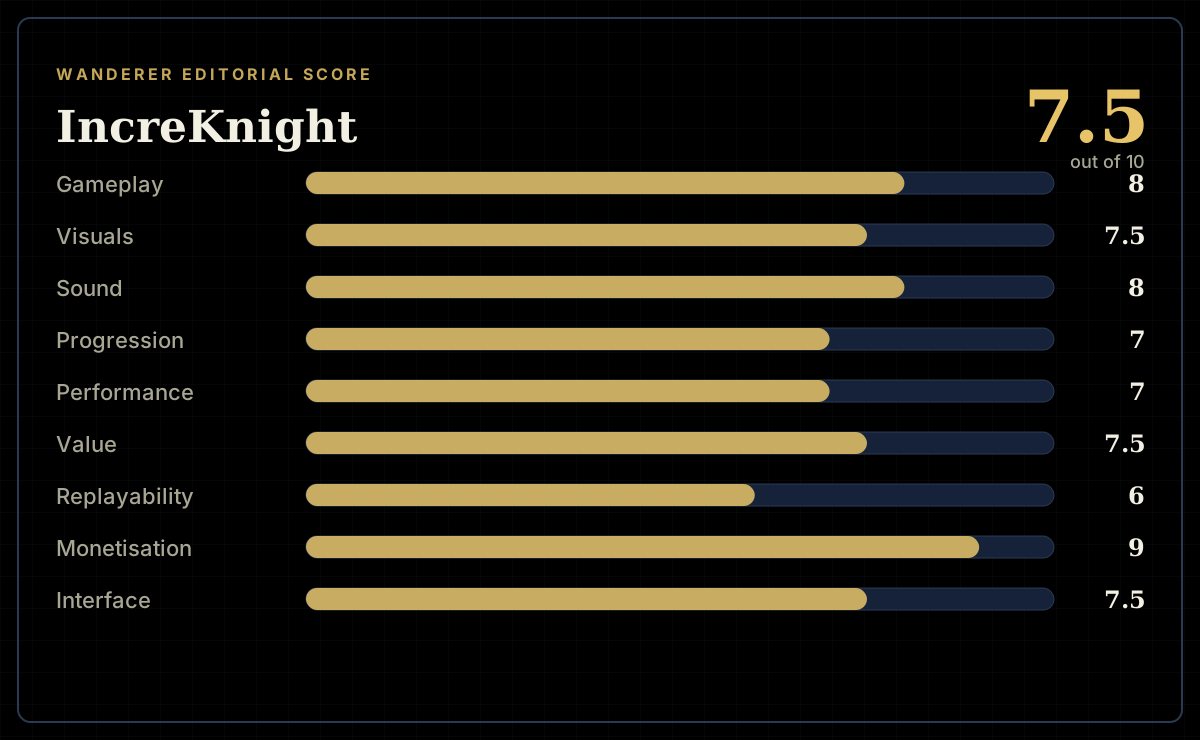
How the review scores each part of the gameWanderer Editorial -
The short versionWanderer Editorial