Game review
HyperLeague Heroes
7 / 10
- Developer
- Siphon Shock
- Publisher
- Siphon Shock
- Released
- 10 November 2022
- Platforms
- Windows
- Genre
- Idle RPG, Dungeon Crawler, Auto Battler
- Monetisation
- One-time purchase, no in-app purchases, no premium currency
- Players
- Single-player only, with online score leaderboards
The short version
HyperLeague Heroes is a superhero-themed idle dungeon crawler from one-person studio Siphon Shock, released 10 November 2022 after a public beta and a Steam Next Fest demo earlier that year. It sits at Mostly Positive across 36 English-language reviews, all of which were read for this review, and the case for it is unusually well-supported by the developer's own record: the Steam news feed shows dozens of substantial updates running from launch through to a final content drop in August 2025, an uncommonly long tail of active support for a NZ$4.49 indie idle game. What holds it back from a stronger score is a genuinely thin starting roster, some rough systems that never quite got smoothed out, and an early-game pace several reviewers describe as clunky before the fusion and dungeon systems open up.
Biggest strengths
- Nearly three years of substantial, near-constant free updates after launch, including new playable units, accessibility options, save slots and a full late-game boss, which is unusually sustained support for a solo-developer game at this price
- The hero-fusion system and Steam Workshop team customisation give the roster real long-term depth that reviewers with thousands of hours specifically credit for keeping them engaged
- Extremely strong value repeatedly cited by name — several reviewers logging hundreds to thousands of hours describe it as the best-value idle game they've played for the asking price
Biggest weaknesses
- The starting roster and customisation options are thin — the player controls only a single fully customisable character, with several reviewers specifically asking for more character slots and variety
- Some interlocking systems were left half-finished: one reviewer found upgrade buffs still purchasable for a "loot rush" mechanic that had already been removed from the game, and the fusion system's visual result doesn't always reflect the combination the store page implies
- Quality-of-life gaps recur across the sample — no way to auto-repeat cleared challenges, an unskippable opening cutscene, and a manual-click dojo mechanic several reviewers say they ended up ignoring entirely
Who it's for: Idle RPG and dungeon-crawler fans who want a cheap, one-time-purchase game with real long-term depth and don't mind some rough edges; a good fit for Steam Workshop tinkerers who want to build or download custom hero rosters.
Our recommendation: A generously supported, genuinely deep idle dungeon crawler for the price of a coffee, worth pushing through an uneven opening hour or two to reach.
7 / 10
Introduction
HyperLeague Heroes casts the player as the manager of a rotating comic-book roster — heroes, villains and monsters alike — sent to fight through the procedurally generated dungeons of a world called Utopia, either issuing commands directly or letting the team fight and explore on autopilot. Developed and published by solo studio Siphon Shock, it moved through a public beta and a Steam Next Fest demo before releasing in full on 10 November 2022. Four years on it sits at Mostly Positive, 75% across the 36 English-language reviews this review reads in full. The headline number tells only part of the story here: this is a small, cheap idle RPG whose developer kept shipping substantial free content for nearly three years after launch, which is a rarer and more valuable thing than the review score alone communicates.
An idle dungeon crawler with a genuine hook
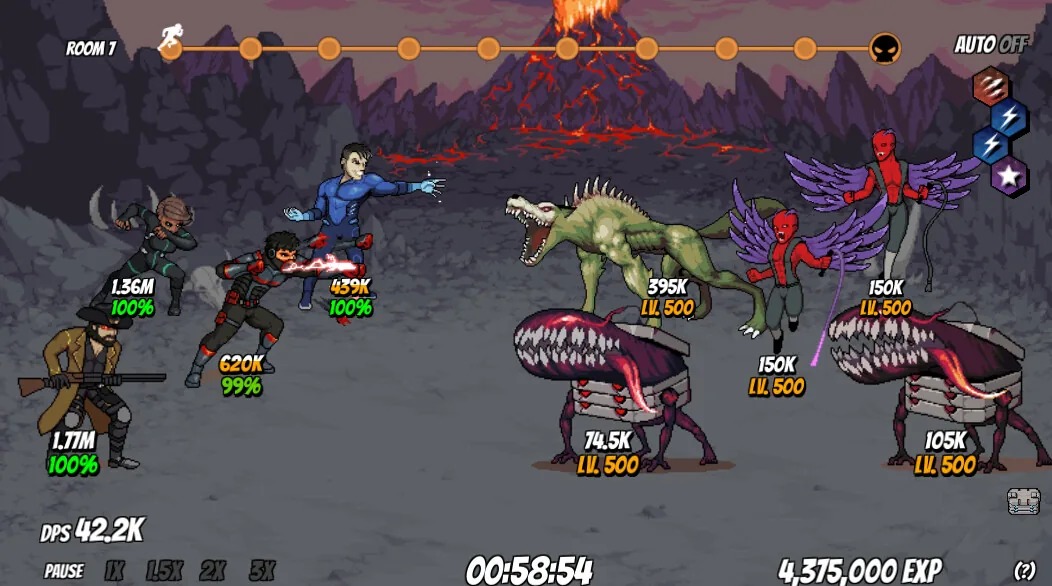
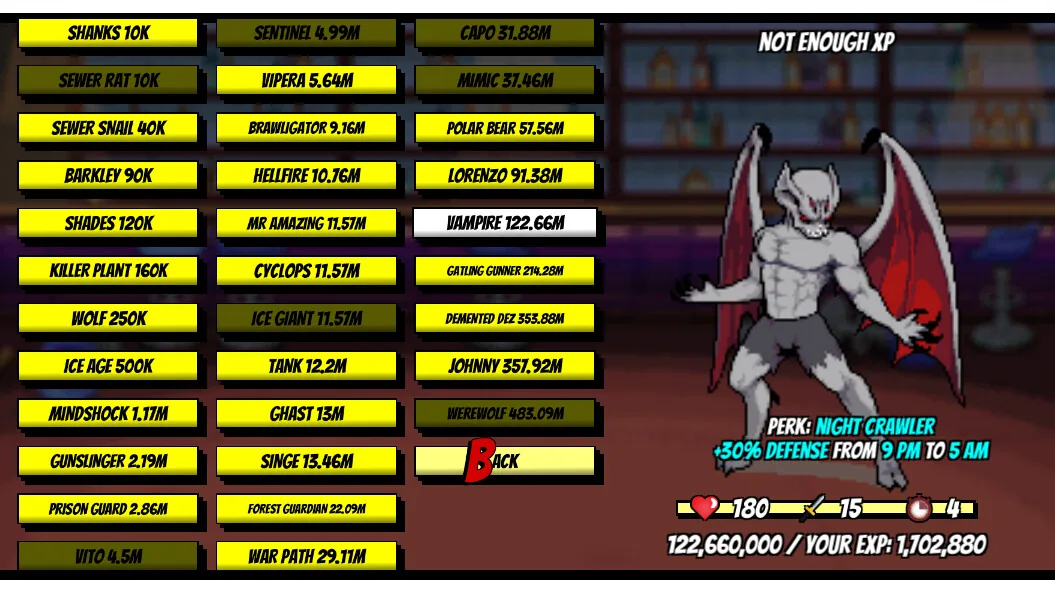
The core loop borrows recognisable pieces from several genres and combines them into something distinct enough that reviewers reach for comparisons rather than a single label — one described it as reminiscent of Soda Dungeon, another called it "like Path of Exile as an idler." Heroes are recruited, leveled and equipped with loot pulled from dungeon runs, then combined through a fusion system that lets two units merge into something new. Steam Workshop support extends that further: players can build and share custom hero rosters, which one reviewer specifically credits as the system that pulled them in after seeing a friend's heavily modified version of the game. The combination of turn-based combat, procedural dungeon generation and a genuine strategy layer around squad composition and positioning is enough to earn HyperLeague Heroes its "Idler," "RPG," "Dungeon Crawler" and "Auto Battler" community tags in close to equal measure — a game that resists being pinned to just one of them.
Playtime tells its own story here. Reviewers with genuinely large investment — one at over 4,200 hours, another past 2,000, several more in the hundreds — consistently describe a game that snowballs once its systems click into place, even while flagging real problems along the way. One long-time player summed it up plainly: "progress is a bit slow at first but snowballs once you get things going," while another, over 1,000 hours in, still called it "just alright" and compared its constant rebalancing to a project without a settled long-term plan. Both readings coexist comfortably in the same review sample, and neither cancels the other out — this is a game that rewards patience unevenly.
The rough edges that never got fully sanded down
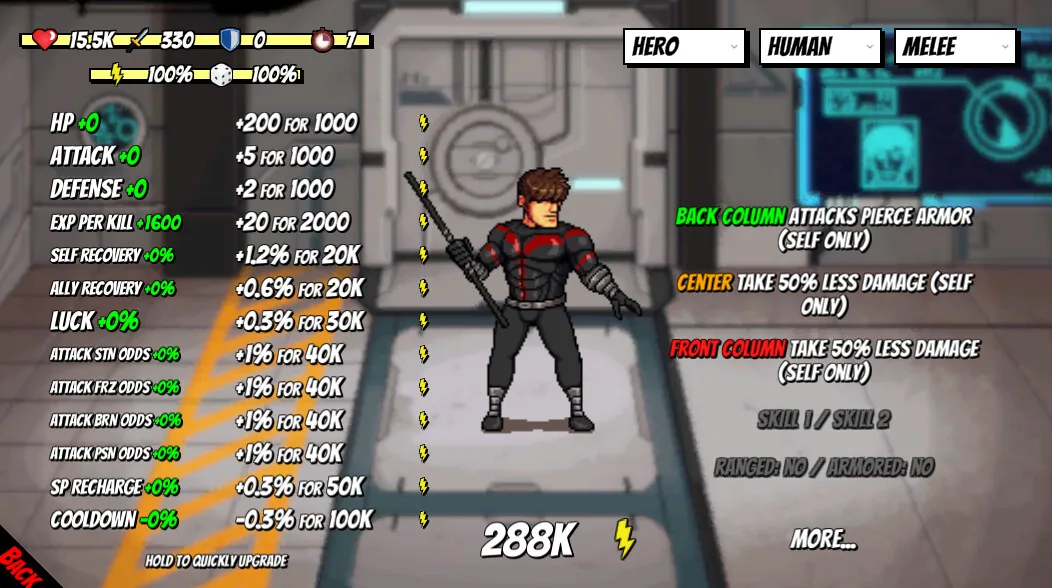
Set against the strong value case are a handful of specific, checkable complaints that recur across the sample rather than reading as isolated grumbling. The starting roster is thin: the player controls exactly one fully customisable character, and multiple reviewers ask directly for more character slots and a larger active roster rather than relying entirely on recruitment RNG. One detailed reviewer found a leftover inconsistency from an earlier design pass — buffs tied to a "loot rush" mechanic remained purchasable in-game long after the mechanic itself had been removed, the kind of loose thread that suggests iteration outpaced cleanup at points across three years of updates. The fusion system, the game's signature mechanic, doesn't always deliver what its own store page screenshots imply — one reviewer combined two specific units expecting a new result and got the same base unit back, calling out "the last frame in the store page" as misleading.
Quality-of-life gaps compound the friction in smaller ways: there's no option to auto-repeat a challenge once cleared, the opening cutscene can't be skipped, and a dojo facility built around manual clicking to level up is, per one reviewer, a mechanic "I will most likely ignore forever." None of these are severe individually, but stacked together they explain why several otherwise positive reviews describe an early-game stretch that feels closer to an Early Access build than a finished 1.0, even a year after release.
Three years of updates is the real story
What separates this review from a standard "cheap indie idler with rough edges" writeup is the sheer duration of Siphon Shock's support. The Steam news feed for HyperLeague Heroes runs to dozens of substantial posts stretching from launch in late 2022 through a "Thank You" post in November 2024 and a final content drop, Blood Moon Massacre, in August 2025 — the better part of three years of a solo developer actively adding new playable units, a full boss encounter, save slots, accessibility options and structural mechanics changes to a game that cost NZ$4.49. Reviewers noticed and said so directly: "the devs are quite responsive to feedback," "the developer has been really active and open to suggestions," and "there is [sic] near daily updates with new features constantly rolling in" during the game's most active stretch. That's a genuinely uncommon pattern in this price bracket, where abandonment within months of launch is closer to the norm, and it's the single strongest argument for treating this as a finished, cared-for product rather than a quick cash-in.
Steam's global achievement data corroborates a healthy, gradually-taper difficulty curve rather than an early cliff: the single most-earned achievement sits at 33.6%, for the game's basic healing milestone, tapering steadily down through recruitment, floor-progress and fusion achievements to under 1% for the hardest late-game unlocks. That's consistent with a game that has real structural depth for players willing to push into it, rather than one that runs out of content early and pads the rest with grind.
Value, monetisation and what you're actually buying
It's worth stating plainly: at NZ$4.49 with no in-app purchases, premium currency or paywalls of any kind, HyperLeague Heroes is about as clean a monetisation model as this genre gets, and its reviewers say so unprompted and often. "For 3€ you get tons of content," wrote one; another called 763 hours of play for a few dollars "great entertainment value"; a third, past 2,000 hours, simply called it "the bargain of the year." Set against the game's own rough edges, that combination — a low one-time price, zero monetisation pressure, and genuinely enormous playtime from its most invested reviewers — is the strongest single argument in the game's favour, and it's borne out independently by the achievement data rather than resting on a handful of enthusiastic quotes.
Final Verdict
HyperLeague Heroes is a small, cheap idle dungeon crawler that earns real, specific praise for depth its price tag doesn't advertise — a working fusion system, genuine Steam Workshop customisation, and a developer who kept shipping substantial free content for nearly three years after launch, which is rarer in this genre than it should be. Set against that are real, checkable rough edges: a thin starting roster, quality-of-life gaps that never got fully addressed, and an opening stretch several of its own long-time fans describe as clunky before the better systems open up. Neither side cancels the other out. If a cheap idle RPG with genuine long-term depth and an unusually well-supported development history sounds appealing, and you're willing to push through an uneven first hour or two to get there, this is worth the asking price several times over.
Pros and cons
Pros
- Nearly three years of substantial, near-constant free updates after launch, including new playable units, accessibility options, save slots and a full late-game boss, which is unusually sustained support for a solo-developer game at this price
- The hero-fusion system and Steam Workshop team customisation give the roster real long-term depth that reviewers with thousands of hours specifically credit for keeping them engaged
- Extremely strong value repeatedly cited by name — several reviewers logging hundreds to thousands of hours describe it as the best-value idle game they've played for the asking price
- No in-app purchases, premium currency or paywalls of any kind behind the one-time price
Cons
- The starting roster and customisation options are thin — the player controls only a single fully customisable character, with several reviewers specifically asking for more character slots and variety
- Some interlocking systems were left half-finished: one reviewer found upgrade buffs still purchasable for a "loot rush" mechanic that had already been removed from the game, and the fusion system's visual result doesn't always reflect the combination the store page implies
- Quality-of-life gaps recur across the sample — no way to auto-repeat cleared challenges, an unskippable opening cutscene, and a manual-click dojo mechanic several reviewers say they ended up ignoring entirely
- Progression in the opening hours is described by multiple reviewers as slow and clunky before the game's better systems open up, and cloud save reliability was flagged as a problem by at least one player who lost all progress on a new PC
Screenshots
-
HyperLeague HeroesImage: Siphon Shock via Steam -
HyperLeague HeroesImage: Siphon Shock via Steam -
HyperLeague HeroesImage: Siphon Shock via Steam -
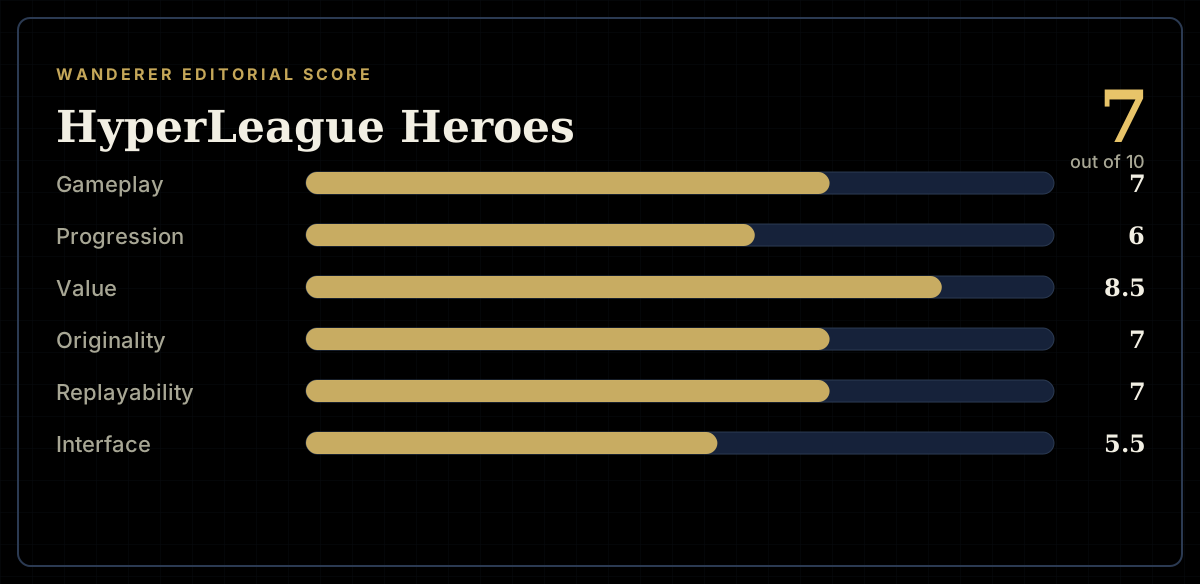
How the review scores each part of the gameWanderer Editorial -
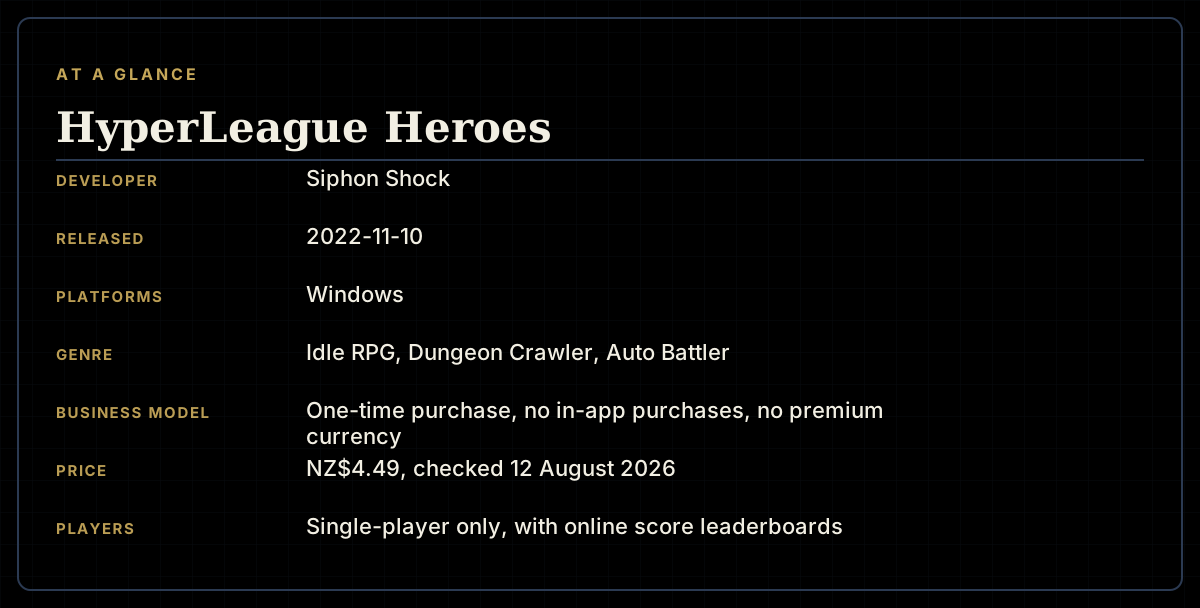
The essentials at a glanceWanderer Editorial -
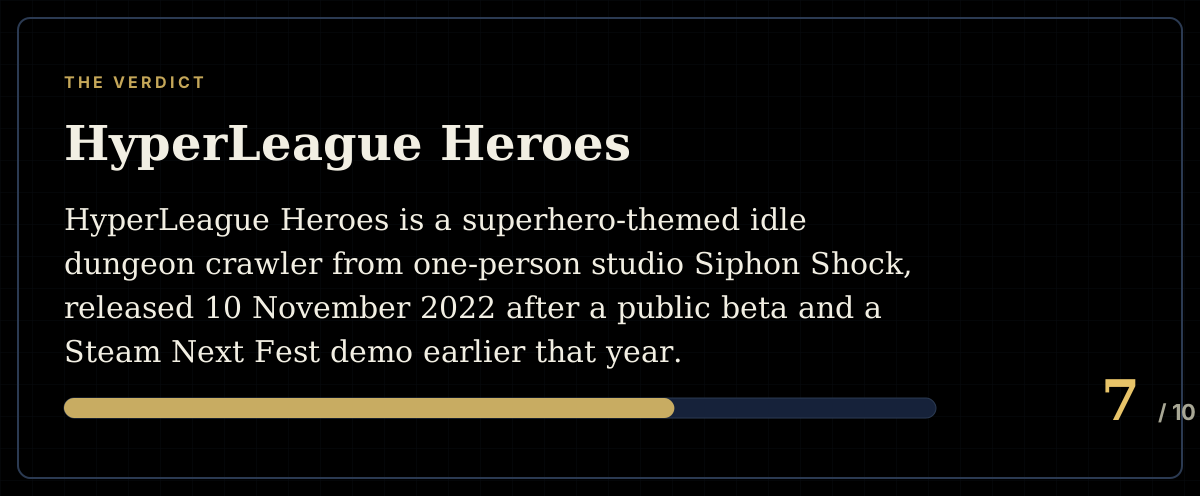
The short versionWanderer Editorial