Game review
Fortune Fragments
8 / 10
- Developer
- Runoi Games
- Publisher
- Runoi Games
- Released
- 24 June 2026
- Platforms
- Windows
- Genre
- Casual, RPG
- Monetisation
- paid
- Players
- false
The short version
Biggest strengths
- A genuinely well-integrated hybrid where hex-tile puzzles unlock story information and story context informs puzzle priorities, praised consistently as working better than reviewers expected
- Well-written, characterful writing with branching, genuinely meaningful choices and multiple distinct endings that reward replaying
- A relaxing, well-crafted atmosphere: pretty art, a calm soundtrack, and a satisfying 'soulpunk' fantasy setting reviewers described as raising deep, interesting questions
Biggest weaknesses
- Persistent bugs carried over from the demo/beta period, corroborated by two independent reviewers, including tile rotation glitches and puzzle-scoring display errors that can make players doubt whether a puzzle was actually solved correctly
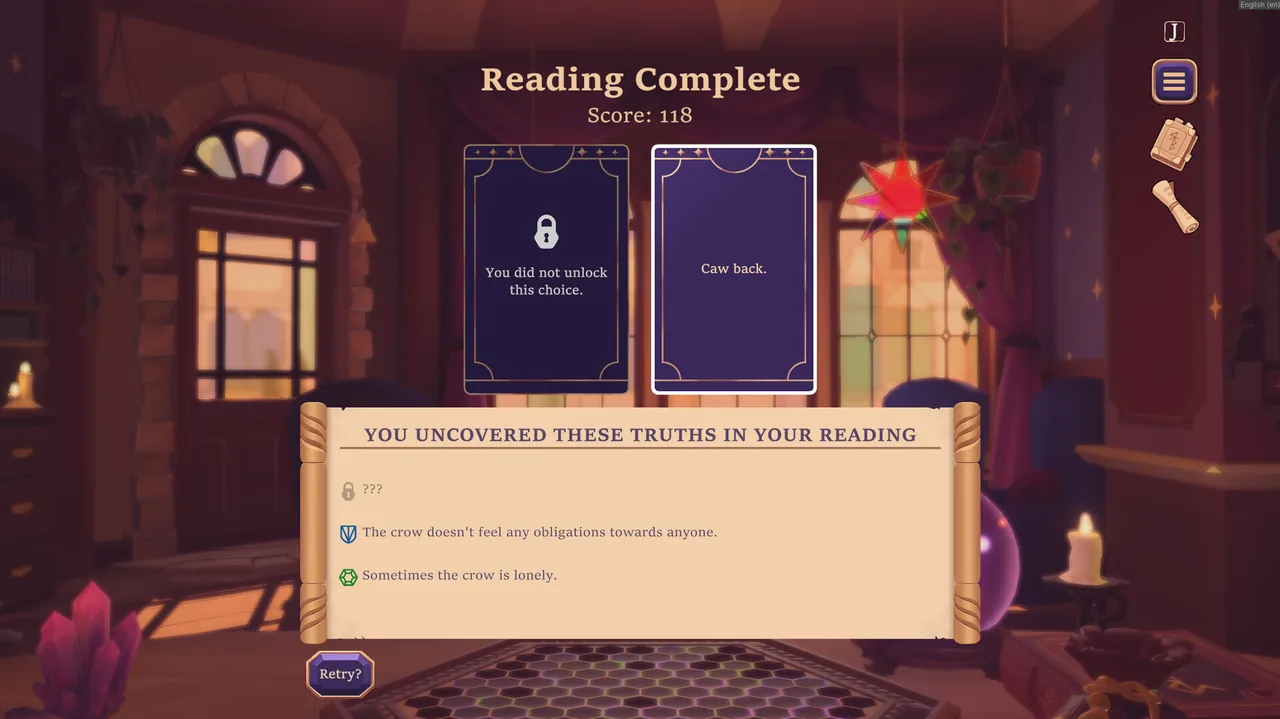
- A detailed negative review reported that certain chapters gate some story content behind RNG-influenced puzzle outcomes, making it functionally impossible to unlock every story choice in a single careful playthrough
- A relatively short single playthrough for story-focused players (roughly 5 hours by one account, versus around 12 hours for a completionist run), requiring multiple playthroughs to see everything
Who it's for: Fans of puzzle games with real story stakes (Chants of Sennaar was cited as a comparison), and visual novel readers who want their choices to genuinely matter, less suited to players seeking either a pure puzzle box or a pure story with no mechanical challenge
Our recommendation: recommended
8 / 10
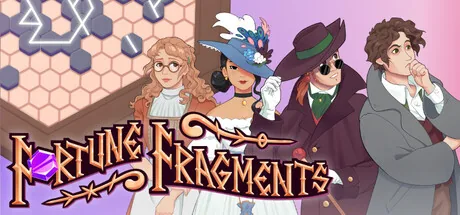
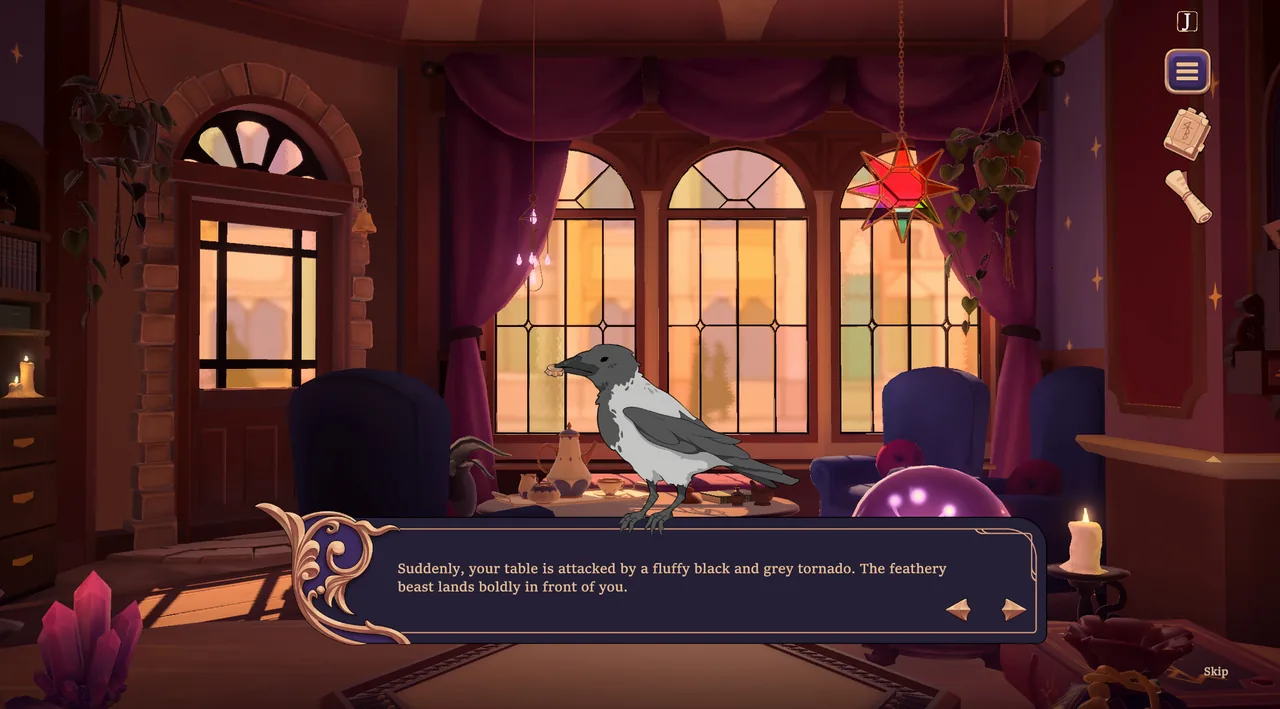
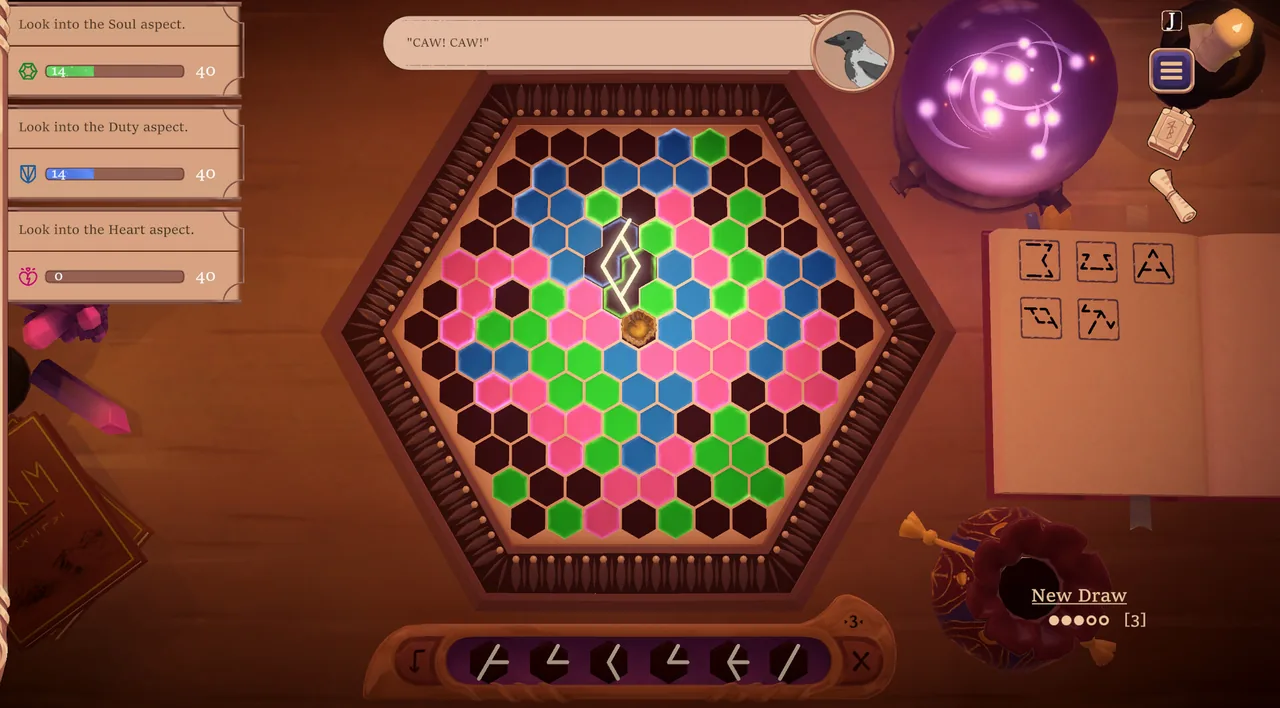
Fortune Fragments released in full on Steam on June 24, 2026, from Finnish developer Runoi Games, a hybrid puzzle game and visual novel in which players run a fortune-telling shop, reading customers' souls through hex-tile puzzles to guide their fates in the modern-fantasy city of Clearcastle. Its 25-review English pool lands at a strong Positive (24 up, 1 down, 96%), and reviewers consistently describe a game that succeeds at a genuinely difficult design challenge: making its puzzle mechanics and its narrative choices feel like the same game rather than two systems awkwardly stitched together.
One reviewer, a former beta tester with roughly 50 hours across the testing period and final release, laid out exactly why the integration works: "the puzzles are used to reveal parts of the story, and the story informs you on what optional goals you should prioritize in the puzzles." That same reviewer praised the hex-tile placement system specifically, noting it "starts out simple, but when you have dozen shapes to choose from and have to overlap them to get enough score to complete the level things get challenging," while separately calling the game's "soulpunk" setting, an industrial revolution powered by soul magic, genuinely thought-provoking, presenting "interesting and deep questions" from multiple angles rather than a single obvious moral stance.
The writing and choice-driven structure draw some of the pool's most enthusiastic praise. One reviewer, despite describing themselves as "not a huge fan of romance stories," found the characters "so well written that I could not help but be interested in their stories," and specifically praised how choices carry through: "almost everything is connected to something else. Your decisions will influence the story and ending." Another reviewer echoed the same throughline from a different angle, admitting they came in with low expectations after buying mostly to support a small studio, and were surprised that "there were more than a few moments the choices actually felt meaningful and I'd have to pause to weigh options." A third reviewer specifically flagged one puzzle's narrative payoff as slightly undercooked by comparison, noting a favorite character's central secret was telegraphed too obviously by a visual clue early on, calling it their "only complaint" in an otherwise glowing review.
Puzzle design earns similarly consistent praise for its pacing. One reviewer described "a gentle learning curve but also genuine challenge," while another specifically appreciated that the game "does not give them to you on a plate," rewarding better scores with additional story information players can choose to use or ignore. A different reviewer captured the puzzle's escalating trickiness memorably, admitting to catching themselves "seeing rune combinations when you try to go to sleep at night" once fully hooked, while another described repeatedly assuming they'd hit a bug only to discover "it was a mechanic. The game was working perfectly. I was the bug."
That same reviewer's joke about bugs points at a real, corroborated issue in the pool, though: actual, unresolved technical bugs carried over from the game's demo and beta period. One detailed reviewer, who had played since the demo, reported "the glitching rotation of the tiles without even being close to the tile" as a persistent annoyance, alongside a more serious scoring display bug in one puzzle where "the points going to the scale" don't match the actual total shown, leading them to genuinely question whether a puzzle had registered as solved. That reviewer still recommended the game strongly, hoping the issues get patched given how much they otherwise enjoyed it, but the specificity and detail of the report makes it worth flagging directly for prospective buyers.
The pool's one negative review raises a different, more structural concern worth taking at face value: certain chapters, according to this reviewer, gate parts of the story behind puzzle outcomes influenced by randomness, making it "impossible to unlock all the story choices/content through the puzzles" no matter how carefully a player plays. They described repeating puzzles hoping to unlock a missing third of a given chapter's content only to be blocked by "RNG with the puzzle pieces received," ultimately refunding the game as a result. Their explicit framing is useful: the game is recommended "if you're in it only for the puzzles and not so much the story," but frustrating for players, like themselves, for whom full narrative completion matters most.
On length and replayability, most reviewers treated a single playthrough, ranging from roughly 5 hours for a story-focused run to around 12 hours for full completion, as reasonably fair for the roughly $16 asking price, especially given the branching endings and stated intent to replay for different outcomes. Several reviewers were on second or third playthroughs specifically to see how their choices changed the story's conclusion.
A few smaller notes round out the pool's picture. One reviewer flagged that some of the older adult characters "didn't really look their age" in the art, a minor visual quibble they raised without it affecting their overall recommendation. Another, in a spoiler-tagged note about a specific romance route involving a character named Leo, hoped for a future patch to smooth out how that particular arc resolves, framing it as a wish-list item rather than a serious flaw. Both notes were isolated rather than widely corroborated, but worth mentioning as the kind of polish-level feedback a small Finnish team, repeatedly praised in the pool simply for being a small Finnish team punching above its weight, seems likely to take seriously in post-launch updates.
Taken together, Fortune Fragments is a genuinely clever, well-crafted hybrid that mostly succeeds at treating its puzzles and its story as equal partners rather than one propping up the other, with a cozy, thoughtful world worth spending time in. Persistent minor bugs and one legitimate structural complaint about RNG-gated story content keep it a notch below flawless, but for fans of puzzle games with real narrative stakes, it's an easy recommendation.
Pros and cons
Pros
- A genuinely well-integrated hybrid where hex-tile puzzles unlock story information and story context informs puzzle priorities, praised consistently as working better than reviewers expected
- Well-written, characterful writing with branching, genuinely meaningful choices and multiple distinct endings that reward replaying
- A relaxing, well-crafted atmosphere: pretty art, a calm soundtrack, and a satisfying 'soulpunk' fantasy setting reviewers described as raising deep, interesting questions
- A gentle but real difficulty curve on the puzzles, escalating naturally with new mechanics and constraints without feeling unfair
Cons
- Persistent bugs carried over from the demo/beta period, corroborated by two independent reviewers, including tile rotation glitches and puzzle-scoring display errors that can make players doubt whether a puzzle was actually solved correctly
- A detailed negative review reported that certain chapters gate some story content behind RNG-influenced puzzle outcomes, making it functionally impossible to unlock every story choice in a single careful playthrough
- A relatively short single playthrough for story-focused players (roughly 5 hours by one account, versus around 12 hours for a completionist run), requiring multiple playthroughs to see everything
Screenshots
-
Fortune FragmentsImage: Runoi Games via Steam -
Fortune FragmentsImage: Runoi Games via Steam -
Fortune FragmentsImage: Runoi Games via Steam