Game review
Forgive Me My Love
6.5 / 10
- Developer
- POS
- Publisher
- POS
- Released
- 22 June 2026
- Platforms
- Windows
- Genre
- Indie
- Monetisation
- paid
- Players
- false
The short version
Biggest strengths
- A genuinely unsettling ghost/creature design and atmosphere that multiple reviewers singled out as effective despite the game's low budget
- An emotionally grounded premise, a grieving, guilt-ridden widower's crumbling reality, that gives the horror real thematic weight rather than existing for its own sake
- Strong value at its low asking price, with several reviewers explicitly saying the short runtime still justified the cost
Biggest weaknesses
- Loud, frequent jumpscares that several reviewers found cheap and overused rather than genuinely frightening
- No checkpoints during at least one tense sequence, forcing a full restart on failure and needlessly raising frustration relative to fear
- Very short runtime with multiple sudden, unexplained endings that some reviewers found unsatisfying without replaying
Who it's for: Budget horror fans who enjoy short, atmosphere-driven experiences and want to support a promising solo debut, more than players seeking polished production values or lasting replay value
Our recommendation: recommended
6.5 / 10
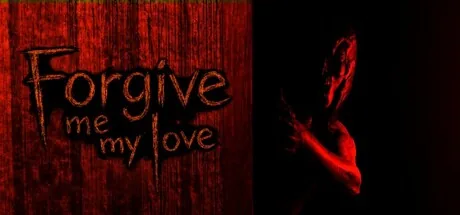
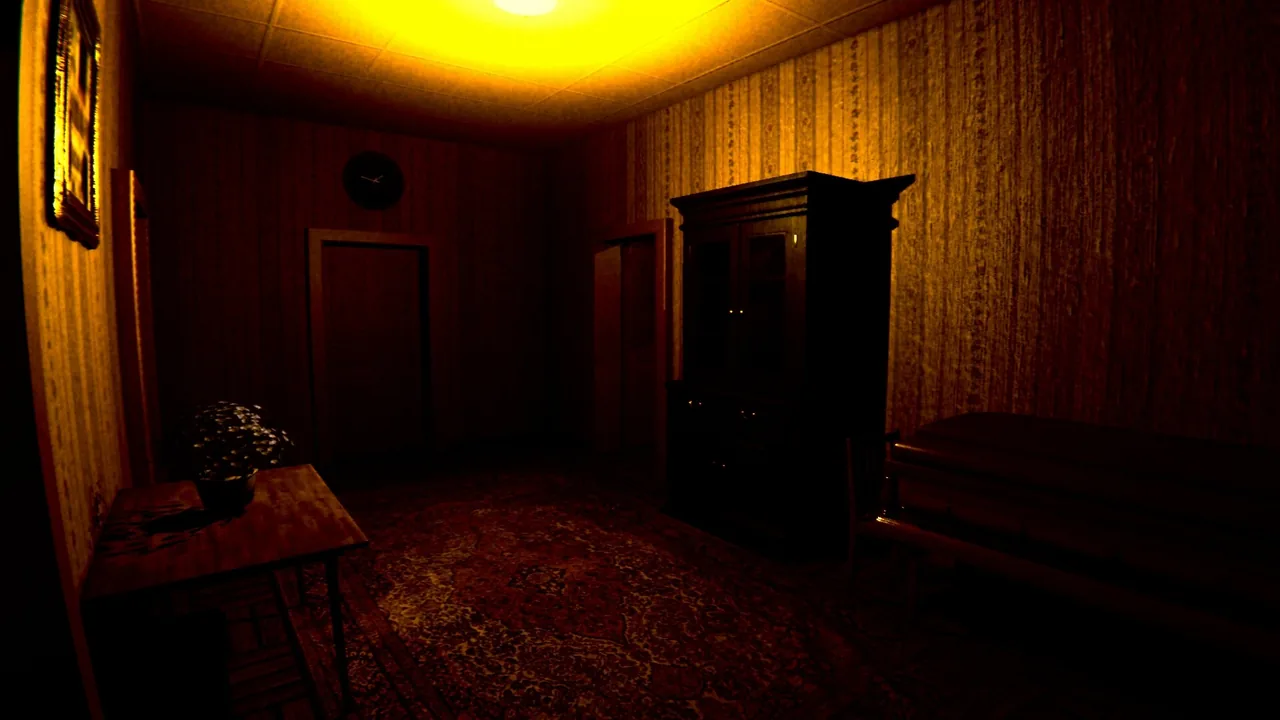
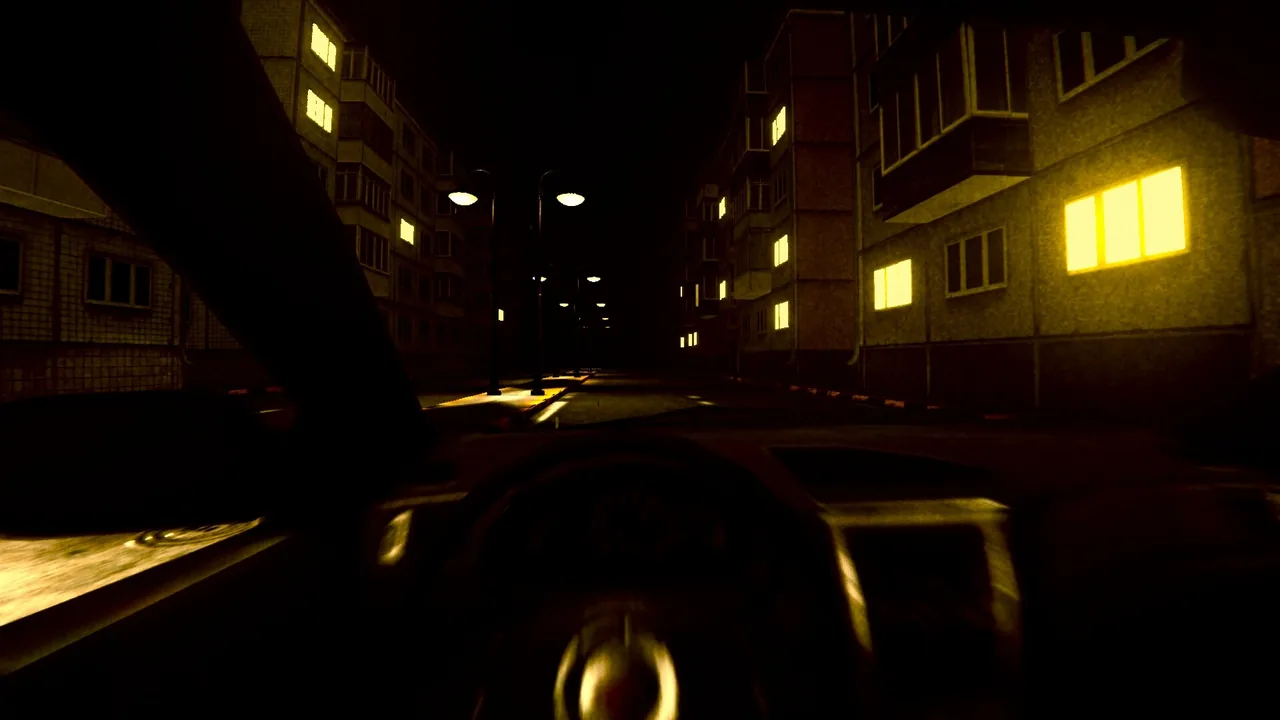
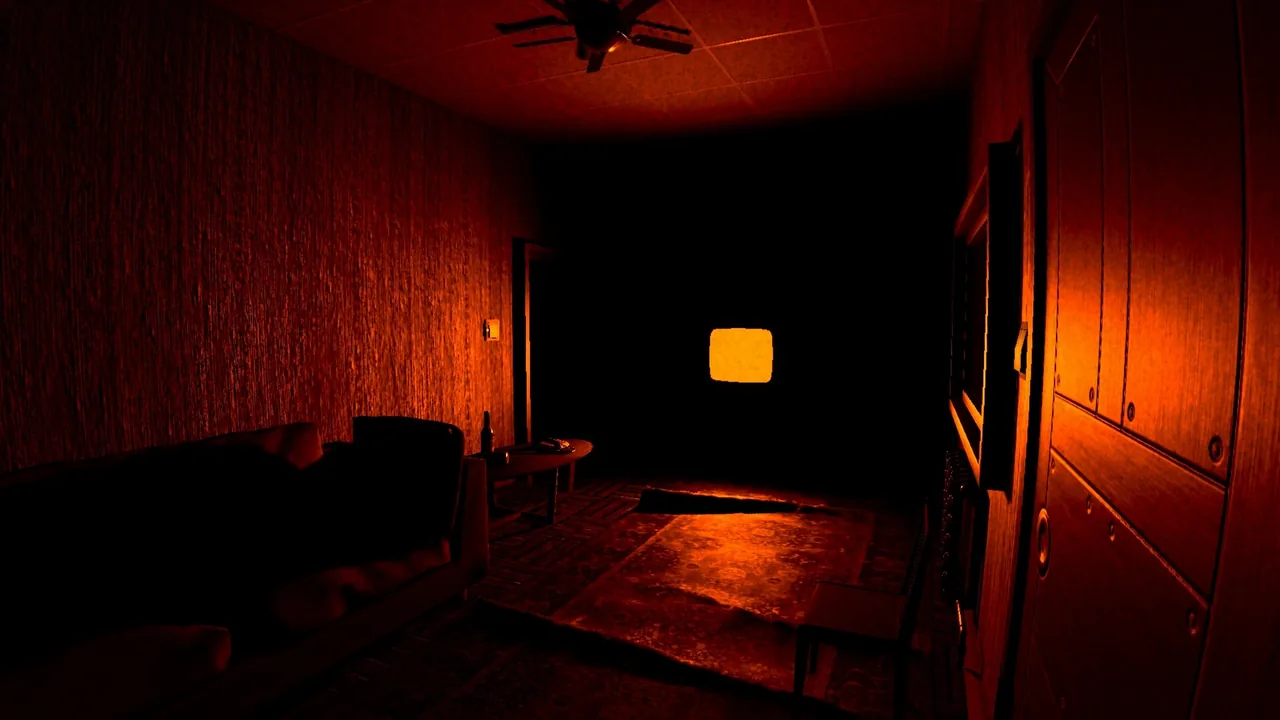
Forgive Me My Love released on Steam on June 22, 2026, a short first-person psychological horror game from solo, first-time developer POS, built around a grim, grounded premise: a husband, convinced his wife's death is his fault, brings her casket home, only for his grief and guilt to start warping into something genuinely inexplicable and threatening. Its 18-review English pool lands at Positive (17 up, 1 down, 94%), and the reviews are candid enough, about both what works and what doesn't, to give a clear picture of a promising but rough-edged debut.
The premise itself draws real, specific credit from reviewers for grounding its horror in something more than jump-scare theatrics. One detailed review summarized the setup precisely: the player spends most of the game walking through the couple's former home, "experiencing the mans grief and jumbled thoughts," and called the result "a decent game, especially by a single developer who is new and unexperienced." Another reviewer, writing more casually, described it as the story of "some dude that brings the casket of his wife to his apartment block and doesn't seem to care that much about his wife haunting him," framing the game's central irony, a man haunted by both a demon and his own unresolved guilt, as its most interesting hook even without heavy exposition. A separate reviewer distilled the tone bluntly: "a short story about regret and a desire to change everything," adding that the game "goes through in one breath" and fully justified its low price for what it delivered.
The creature and atmosphere work consistently earns specific praise even from the pool's harshest critic. The single negative review in the sample, otherwise unsparing, conceded up front that "the ghost design was creepy," before criticizing nearly everything else about the game's scares, writing "the scares are terrible, the story could've been written by a fifth grader, the graphics are laughable." That's a useful data point precisely because it's the exception rather than the rule: most reviewers who engaged with the atmosphere at length came away impressed, with one writer specifically praising "great use of atmosphere to make the player extremely uneasy" and adding they hoped the developer would make more games in the future, a notable vote of confidence from someone who said they'd never previously left a Steam review.
That said, the jumpscare execution draws real, recurring criticism even from largely positive reviews, which keeps this from reading as an uncritical debut hit. One reviewer, reviewing specifically from a streamer's perspective, complained there were "far too many super-loud and needless jumpscares that're cheap and difficult to watch," adding the caveat that the experience might land better for a solo player without an audience. Another reviewer singled out a bathtub-set quick-time-event sequence as the game's most effective scare, precisely because it lacked a safety net, writing that not having any checkpoint "scared me more that I assumed if I die, I will need to start from the beginning," which cuts both ways as a design choice: genuinely tense in the moment, but also the same lack of checkpoints that frustrated other players hoping for a more forgiving structure.
Length and structure are the other consistent complaint. Multiple reviewers independently flagged the game's very short runtime and its handling of multiple endings, one noting frustration at "sudden endings after choosing something" that required a full replay just to see the alternate outcome, without much narrative signposting for why the choice mattered in the moment. Technical polish is similarly modest; one reviewer specifically noted the game offered no way to adjust resolution to match a 2560x1440 monitor, capping out at 1080p, a small but real limitation for a game already asking players to forgive rough edges elsewhere in exchange for its low price and strong atmosphere.
It's worth being fair to the one strongly negative review in the pool rather than dismissing it outright, since its specific complaints, writing quality, visual fidelity, and scare craft, are legitimate axes on which a budget solo project will always struggle against better-funded competition. What separates that review from the rest of the pool isn't disagreement about the game's rough edges, several positive reviewers acknowledged the same limitations directly, but a difference in how much weight to give a first-time developer's debut versus judging the game purely against the wider horror genre. Reviewers recommending the game consistently did so with an explicit price-to-experience calculation in mind, treating a few dollars and under an hour of playtime as a low enough bar that even a flawed, occasionally over-loud horror short clears it comfortably, while the negative reviewer applied a stricter standard regardless of budget or developer experience. Both are reasonable ways to evaluate a game like this, but the specificity and consistency of the positive praise, particularly around atmosphere and the emotional grounding of its premise, suggests the more forgiving read is closer to how most players who actually bought and finished the game came away feeling.
Weighed together, Forgive Me My Love earns its recommendation less on technical execution than on how effectively it uses a small budget and a short runtime to land a genuinely uncomfortable, emotionally coherent horror premise, exactly the kind of debut where reviewers are explicitly grading on a curve for a first-time solo developer and still coming away impressed. At a few dollars, buyers going in expecting a rough, atmosphere-first horror short rather than a polished, mechanically deep experience are likely to find it a worthwhile way to spend under an hour, and the specific, fixable nature of its biggest complaints, checkpoint placement, jumpscare pacing, resolution options, suggests real room for this developer to improve on a genuinely promising foundation.
Pros and cons
Pros
- A genuinely unsettling ghost/creature design and atmosphere that multiple reviewers singled out as effective despite the game's low budget
- An emotionally grounded premise, a grieving, guilt-ridden widower's crumbling reality, that gives the horror real thematic weight rather than existing for its own sake
- Strong value at its low asking price, with several reviewers explicitly saying the short runtime still justified the cost
- An impressive first outing from a solo, first-time developer, according to multiple reviewers familiar with the game's origins
Cons
- Loud, frequent jumpscares that several reviewers found cheap and overused rather than genuinely frightening
- No checkpoints during at least one tense sequence, forcing a full restart on failure and needlessly raising frustration relative to fear
- Very short runtime with multiple sudden, unexplained endings that some reviewers found unsatisfying without replaying
- Limited technical options, including no way to adjust resolution to match non-1080p monitors
Screenshots
-
Forgive Me My LoveImage: POS via Steam -
Forgive Me My LoveImage: POS via Steam -
Forgive Me My LoveImage: POS via Steam