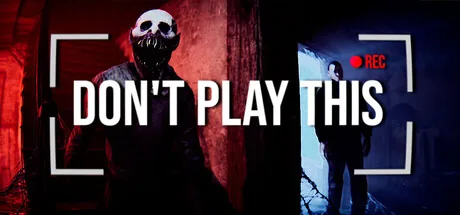
Game review
Don't Play This Review: Five Found-Footage Nightmares in Under Two Hours
7.5 / 10
- Developer
- Admia, a1esska, Notex
- Publisher
- Notex, a1esska, Admia
- Released
- 14 April 2026
- Platforms
- Windows
- Genre
- Adventure
- Monetisation
- $8.99
- Players
- false
The short version
Don't Play This delivers five distinct, well-produced found-footage horror shorts wrapped around a simple walking-sim frame, and while its constant, loud jump scares won't win over horror fans who want slow-burn dread, its variety and streamer-friendly shock value have made it a hit with the audience it's aimed at.
Biggest strengths
- Five genuinely distinct found-footage vignettes, each with its own setting, visual style, and mechanic, that keep the short runtime from feeling repetitive
- Strong, realistic visual presentation for the price point, with reviewers repeatedly praising the production values relative to its $8.99 cost
- Effective tension-building and well-placed scares that a large majority of reviewers describe as genuinely frightening, several noting it as one of the better horror games they've played this year
Biggest weaknesses
- Scares lean heavily on loud, frequent jump scares rather than sustained atmospheric dread, which a vocal minority of horror fans find exhausting rather than scary
- Limited interactivity within each vignette, with some reviewers describing the moment-to-moment gameplay as thin outside of walking and reacting to scripted scares
- Audio mixing issues reported by multiple reviewers, with jump-scare stingers described as uncomfortably loud relative to dialogue and ambient volume
Who it's for: A strong fit for jump-scare fans, streamers, and horror completionists looking for a cheap, bite-sized fright that can be finished in a single sitting; a weaker fit for horror fans who prefer tension and atmosphere over frequent, loud scares, since the game leans almost entirely on the latter.
Our recommendation: Buy it
7.5 / 10
A friend keeps sending you videos where someone dies
Don't Play This opens with a premise ripped straight from chain-mail horror stories: a friend starts sending you videos, found footage from unknown sources, and in each one, someone dies. Rather than a single continuous narrative, the game splits into five self-contained recordings, each dropping the player into first-person control at the tail end of someone else's worst night. It's a structure that trades a unified story for anthology variety, and reviewers overwhelmingly say that trade pays off.
Developed by the small team of Admia, a1esska, and Notex, Don't Play This is explicitly framed as a horror walking simulator rather than a survival-horror game with combat or puzzle systems. Players walk, look, and occasionally interact with an object or door, while the game's tension comes almost entirely from pacing, sound design, and the anticipation of what's about to happen on screen. At $8.99 and an advertised one-to-two-hour runtime, it's positioned as a cheap, disposable scare rather than a lengthy horror epic, and reviewers largely judge it fairly on those terms.
Five stories, five different feelings
The game's biggest strength, according to the review base, is variety. Each of the five vignettes uses a different setting and a different core mechanic, keeping the experience from settling into a predictable rhythm the way many single-location horror games do. One reviewer specifically praised the fourth segment's level design as a clear standout, calling it "a W level design" even while joking about being forced into playing the game at all by a friend. Others highlight the diversity of visual styles across the five recordings as the thing that kept them engaged through the full runtime.
That segmented structure also seems to matter for pacing. Because each vignette is short and self-contained, a player who finds one segment weaker than the rest is never more than a few minutes from a fresh setting and a fresh scare. Reviewers do note, however, that this consistency isn't perfect, with a handful specifically calling out the last of the five videos as a comparatively "boring" close relative to the stronger mid-game segments, even while still recommending the game overall.
Jump scares, loud and often
Don't Play This wears its horror influences openly, and the reviews make clear it succeeds at what it's going for, at least for its target audience. Multiple reviewers describe genuinely jumping, needing to pause, or having to turn the lights on partway through, and the game has clearly found an audience among streamers looking for reliable, filmable reaction moments; several reviews explicitly mention streaming the game or gifting it to friends specifically to watch them react.
That same intensity is also the game's most consistent point of criticism. A meaningful share of negative reviews describe the scares as excessively loud and relentless, with one reviewer saying the game is "full of jumpscares and, guess what, ONLY jumpscares," and another reporting they turned the volume down to half and still found the stingers uncomfortably loud. This isn't a universal complaint, plenty of positive reviews describe the same intensity as exactly what they wanted, but it does mark a real split between players who want slow-burn atmospheric dread and those who came for a reliable jolt. Related to this, several reviewers flagged audio mixing as inconsistent, with jump-scare stingers overpowering dialogue and ambient sound at points.
A thin but functional walking-sim frame
Because Don't Play This is built as a walking simulator first, its moment-to-moment interactivity is intentionally limited. Players mostly walk forward, look around, and occasionally interact with a scripted object or event; there's no combat, no real puzzle-solving, and no meaningful branching choice within a given vignette. For a game explicitly built around scripted horror sequences, most reviewers accept this as the correct trade-off, since a lighter interaction model keeps the pacing tight and the scares reliably timed. A smaller number of reviewers, however, describe the gameplay outside of walking and reacting as genuinely thin, wishing for a bit more to actually do between scares.
The five-vignette structure does functionally serve as the game's progression system, with each completed recording unlocking the next rather than any traditional leveling or upgrade path. That's appropriate for the short, anthology-style format, though it does mean there's little reason to revisit the game once all five stories are seen, aside from chasing achievements or replaying a favourite segment.
Presentation built to look good on camera
Visually, Don't Play This punches well above its price point according to reviewers, with realistic environments and lighting that hold up convincingly in each of the five distinct settings. That visual polish is a meaningful part of why the game works as well as it does for its intended streaming-friendly audience: scares land harder, and the found-footage conceit feels more credible, when the environments themselves look believable rather than obviously low-budget.
The game supports Steam Achievements and Family Sharing, and is available on Windows only, with no Mac or Linux support at launch. Its short runtime and low price make it an easy pickup for players testing the waters of horror walking sims, or streamers looking to add a fresh, reliably reactive title to a horror rotation without a major time investment.
Verdict: a loud, well-crafted anthology of quick frights
Don't Play This doesn't try to reinvent horror walking simulators, it commits fully to being a tight, varied, jump-scare-forward anthology, and largely succeeds on those terms. The five-vignette structure keeps the short runtime feeling fresh rather than repetitive, and the presentation quality outpaces the modest asking price. Players who want their horror loud, frequent, and over in an evening will likely walk away satisfied; those hoping for slow-burn psychological dread should look elsewhere, since subtlety was never really the plan here.
Pros and cons
Pros
- Five genuinely distinct found-footage vignettes, each with its own setting, visual style, and mechanic, that keep the short runtime from feeling repetitive
- Strong, realistic visual presentation for the price point, with reviewers repeatedly praising the production values relative to its $8.99 cost
- Effective tension-building and well-placed scares that a large majority of reviewers describe as genuinely frightening, several noting it as one of the better horror games they've played this year
- A tight, streamer-friendly runtime of roughly one to two hours that respects players' time and works well as a single-sitting horror experience
Cons
- Scares lean heavily on loud, frequent jump scares rather than sustained atmospheric dread, which a vocal minority of horror fans find exhausting rather than scary
- Limited interactivity within each vignette, with some reviewers describing the moment-to-moment gameplay as thin outside of walking and reacting to scripted scares
- Audio mixing issues reported by multiple reviewers, with jump-scare stingers described as uncomfortably loud relative to dialogue and ambient volume
- A couple of the five segments, particularly the final one, are seen by some reviewers as weaker or more predictable than the rest
Screenshots
-
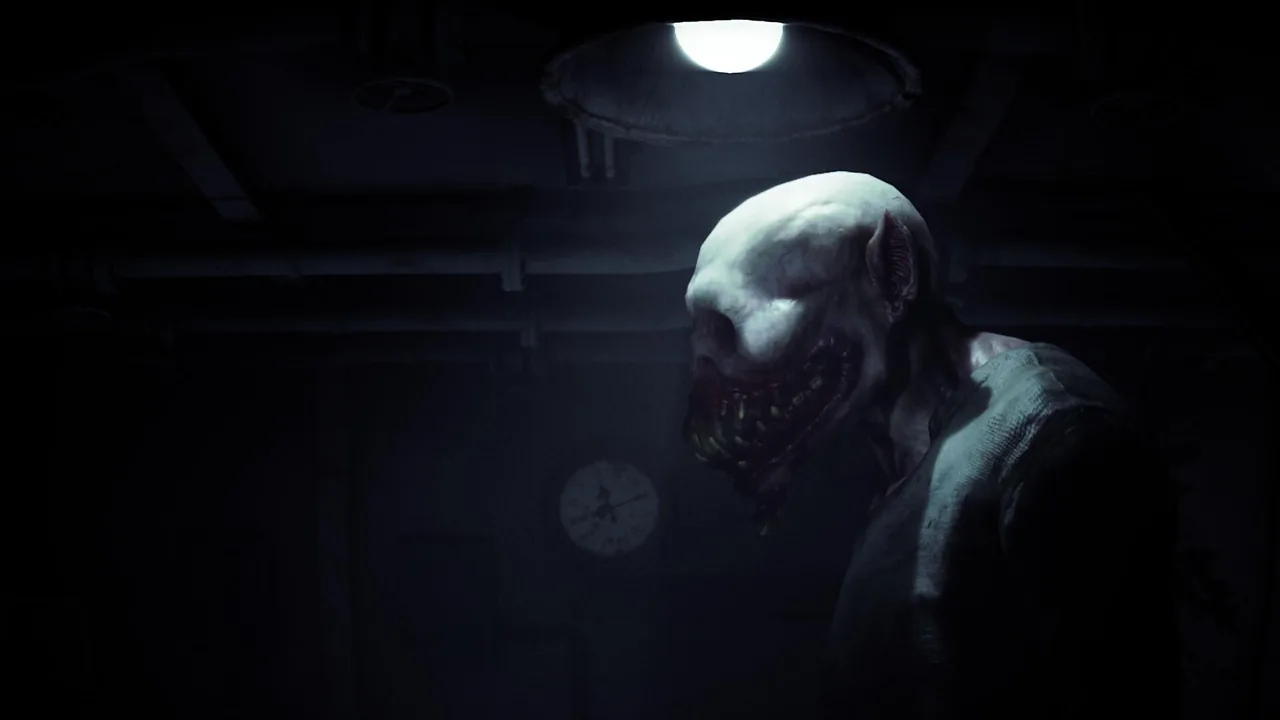
Don't Play ThisImage: Notex via Steam -
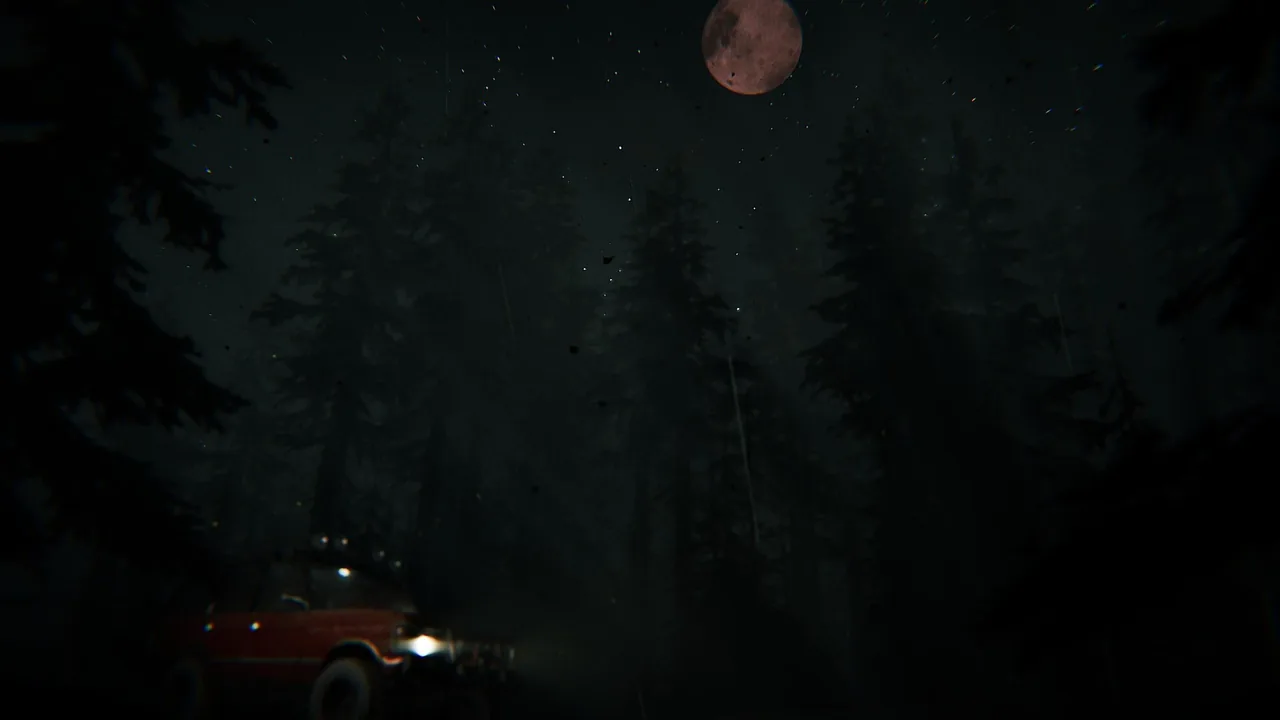
Don't Play ThisImage: Notex via Steam -
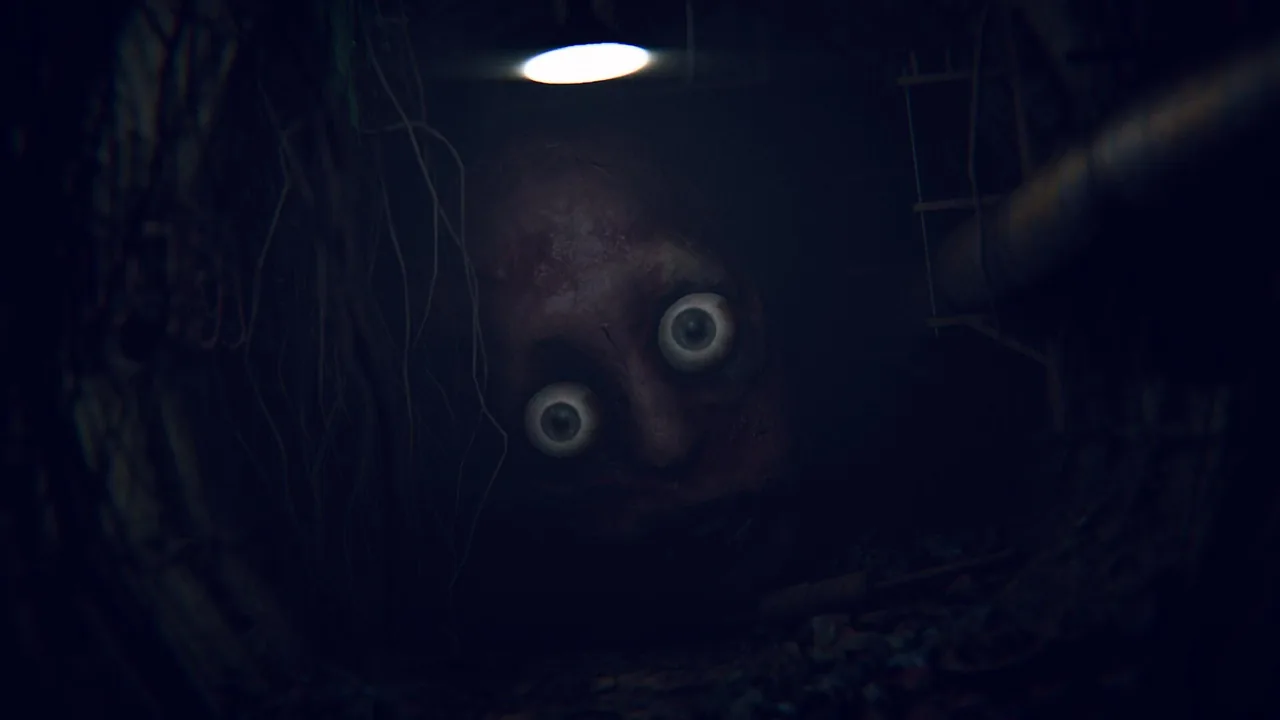
Don't Play ThisImage: Notex via Steam -
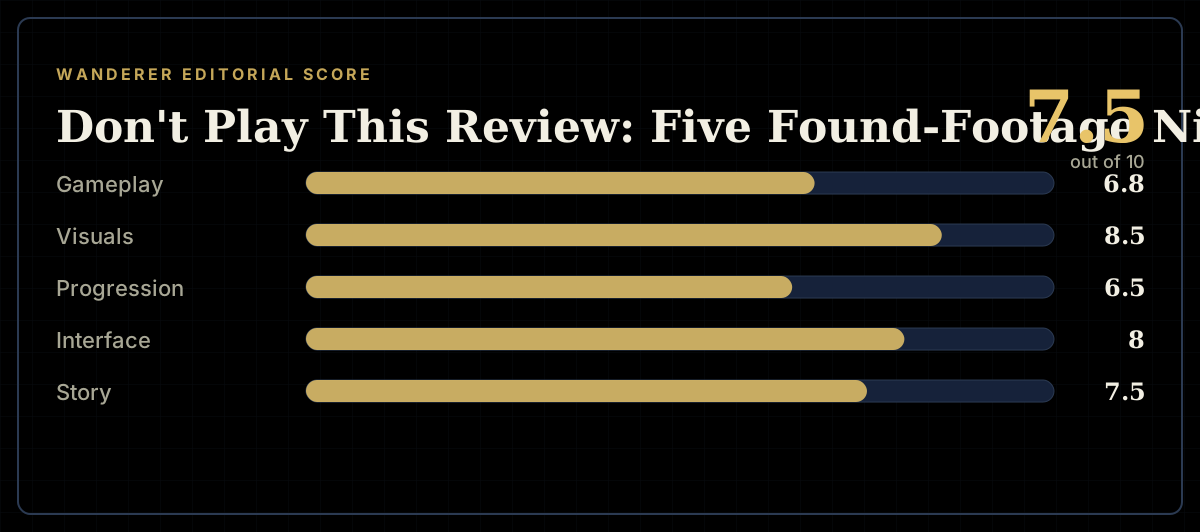
How the review scores each part of the gameWanderer Editorial -
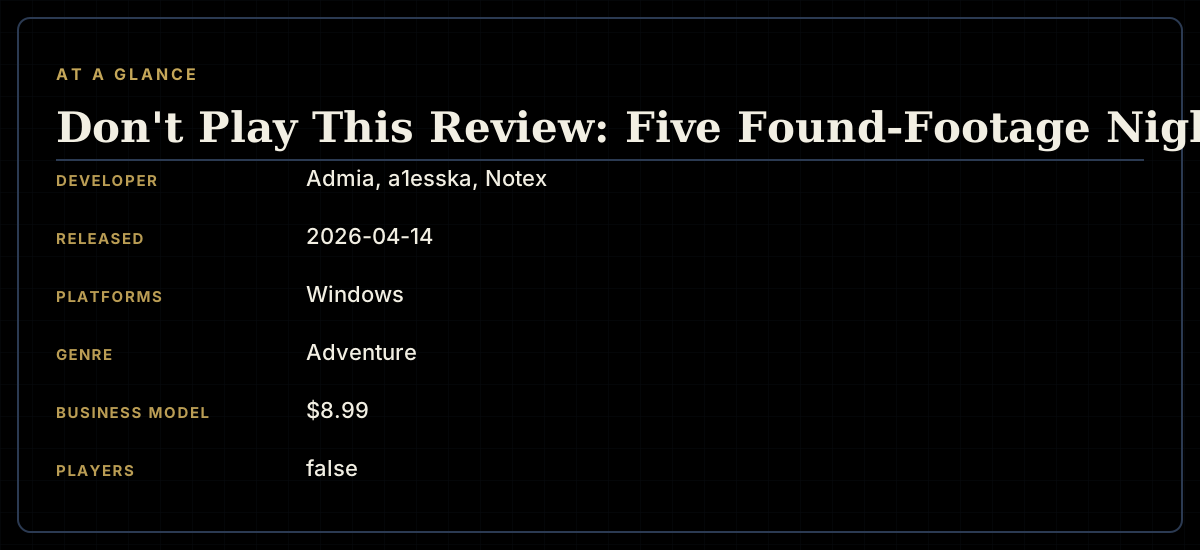
Platform and release detailsWanderer Editorial -
The short versionWanderer Editorial