Game review
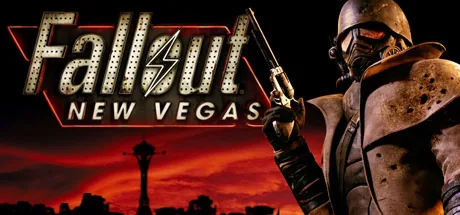
Fallout: New Vegas
9 / 10
- Developer
- Obsidian Entertainment
- Publisher
- Bethesda Softworks
- Released
- 20 October 2010
- Platforms
- Windows
- Genre
- Open-World RPG
- Monetisation
- One-time purchase, currently NZ$8.73 at 75% off (NZ$34.95 full price). DLC sold separately or as part of an Ultimate Edition bundle. No microtransactions.
- Players
- Single-player only
The short version
Fallout: New Vegas is routinely called the best-written entry in its series — a faction-driven, choice-and-consequence RPG set in and around a barely-changed Las Vegas, built by Obsidian Entertainment on a brutal, sub-two-year development timeline. 96% positive across 260,084 reviews reflects genuine, sustained love for its writing, roleplaying depth and replayability.
It's also one of the most technically unstable major RPGs still being actively sold, and that reputation hasn't faded with age — if anything, negative reviews citing crashes have grown more common in the last few years, not less. The game's own fans have turned this into a running joke: one of the most-upvoted positive reviews in its history is literally a song about the crash frequency, and multiple top reviews open with mod-installation instructions rather than plot impressions, because installing several community patches before playing has become the accepted, expected first step.
Biggest strengths
- Widely considered the best-written game in the Fallout series, with faction reputation systems and consequences that reviewers say still haven't been matched by later entries
- Genuine roleplay depth — speech, skill and karma choices meaningfully alter available paths and endings rather than cosmetically flavouring a fixed story
- Exceptional replayability, with reviewers across every year describing multiple full playthroughs to see different faction outcomes
Biggest weaknesses
- Chronic technical instability — crashes, memory-related freezes and long loading hangs — is the single most consistent complaint across the game's entire 15-year review history, not a launch-era problem that faded
- Negative reviews citing crashes have become more frequent in recent years rather than less, suggesting the base game's stability on modern systems has not meaningfully improved
- A near-universal expectation has formed that new players must install several unofficial community patches before the game is reliably playable, which is a real barrier for anyone wanting a simple, unmodified experience
Who it's for: RPG fans who want genuine roleplaying consequence — reputation systems, faction politics, and an ending that reflects specific choices rather than a binary morality meter. Best approached by players willing to install a small stack of well-known community stability patches before starting; going in expecting a plug-and-play modern release will likely be disappointing for reasons that have nothing to do with the writing.
Our recommendation: Buy it — at its current discount especially, it remains one of the best-value RPGs on Steam. Do not launch it unmodded and expect a stable experience; search "New Vegas stability guide" or similar before your first session and install the commonly recommended fixes (a 4GB memory patcher, an anti-crash tool, and the New Vegas Script Extender are the most frequently cited). Reviewers overwhelmingly agree this step transforms the experience from frustrating to excellent.
9 / 10
Two things are true about Fallout: New Vegas at the same time, and neither one is exaggerated: it's widely considered the best-written Fallout game ever made, and it is also, still, fifteen years later, one of the most crash-prone major RPGs you can buy on Steam. Reading the review corpus in full is the fastest way to understand how both can be true without contradiction.
The writing that earned the reputation
Obsidian Entertainment built New Vegas on Bethesda's Fallout 3 engine and assets under a famously tight timeline, and the result is a game whose reputation rests almost entirely on what it did with its factions and choices rather than its technology. Reviewers across every year of the sample return to the same idea: your reputation with the game's warring powers — the NCR, Caesar's Legion, Mr. House, the Yes Man path — genuinely shapes what's available to you, and the ending reflects specific decisions rather than a broad morality slider. One of the most-upvoted reviews in the game's history jokes that after being the Vault Dweller, the Chosen One and the Lone Wanderer in earlier entries, New Vegas casts you as "the most badass of them all... the ♥♥♥♥♥♥♥♥ mailman" — a joke that only lands because the writing underneath it is taken seriously by the same reviewer. A 2024 review, timed to the Fallout television show's release, puts it as advice: "if you're inspired by the new Fallout show to start playing through the Fallout games, I suggest starting with New Vegas and then ending with New Vegas."
A bug reputation the fans embrace rather than hide
Here's what makes this game's review corpus unusual: the crash complaints aren't confined to the negative reviews. The second most-upvoted positive review in the game's entire history is written as a song — "crashes by the number, glitches by the score, everyday you love me less, each day I love you more" — sung, in effect, in praise of a game the reviewer still can't stop recommending. That's not an isolated joke. Multiple top reviews on both sides of the score open with practical mod-installation advice rather than plot impressions, because installing a handful of community fixes before playing has become the accepted first step for new players, not an optional enthusiast's project. One negative reviewer, otherwise calling it their favourite game, describes infinite loading screens and crashes severe enough to require a full PC restart to even exit cleanly.
What's worth reporting plainly is that this isn't a launch-week problem history has moved past. The 100 most-upvoted negative reviews skew recent — 25 from 2024 and 24 so far in 2026, against a handful per year through most of the 2010s — meaning crash complaints have become more common recently, not less, as the game ages on modern hardware and operating systems it wasn't built for. One reviewer with 663 hours logged, playing through a second time, describes crashing "at random times" even with recommended community patches installed and no definitive fix found in available troubleshooting guides.
Why the reputation coexists with a 96% score
The reason this doesn't sink the overall rating is specific and worth naming: reviewers overwhelmingly treat the instability as a known, solvable cost of entry rather than a reason to avoid the game. The pattern across the corpus is consistent — install the 4GB memory patcher, an anti-crash tool like NVAC, and the New Vegas Script Extender, and the experience becomes what reviewers actually came to praise. That's a real and legitimate criticism of the base, unmodified product on modern storefronts fifteen years after release; it's also, per hundreds of thousands of reviewers, not enough to outweigh what the writing and roleplaying underneath it delivers once it's stable.
Reading the completion data
The achievement curve reflects a game built for multiple, divergent playthroughs. A single early milestone sits at 92%, reflecting how quickly most players get into the world. Beyond that, the completion rates drop sharply and stay fairly flat across dozens of achievements tied to specific faction endings and story branches — consistent with a game whose content is genuinely divided between playthroughs rather than accumulated in one.
9 out of 10. Fallout: New Vegas earns its reputation as one of the best-written RPGs of its era on the strength of choices that actually matter and a faction political structure few games have matched since. It's held short of a perfect score by a real, still-current technical reputation — crash frequency that hasn't meaningfully improved with time and, if anything, has become a more common complaint in the last two years than in the years right after launch. Buy it, install the patches the game's own fans have turned into a rite of passage, and go in knowing that's simply part of how this particular classic is played today.
Pros and cons
Pros
- Widely considered the best-written game in the Fallout series, with faction reputation systems and consequences that reviewers say still haven't been matched by later entries
- Genuine roleplay depth — speech, skill and karma choices meaningfully alter available paths and endings rather than cosmetically flavouring a fixed story
- Exceptional replayability, with reviewers across every year describing multiple full playthroughs to see different faction outcomes
- Four DLC expansions widely regarded as excellent additions rather than filler
- Extraordinary value, especially at its frequent deep discounts, for a complete RPG with a decade-plus of ongoing community support
Cons
- Chronic technical instability — crashes, memory-related freezes and long loading hangs — is the single most consistent complaint across the game's entire 15-year review history, not a launch-era problem that faded
- Negative reviews citing crashes have become more frequent in recent years rather than less, suggesting the base game's stability on modern systems has not meaningfully improved
- A near-universal expectation has formed that new players must install several unofficial community patches before the game is reliably playable, which is a real barrier for anyone wanting a simple, unmodified experience
- At least one reviewer notes certain regional storefront versions ship a lower-violence edit of the game, a distinctly worse experience than the standard release
Screenshots
-
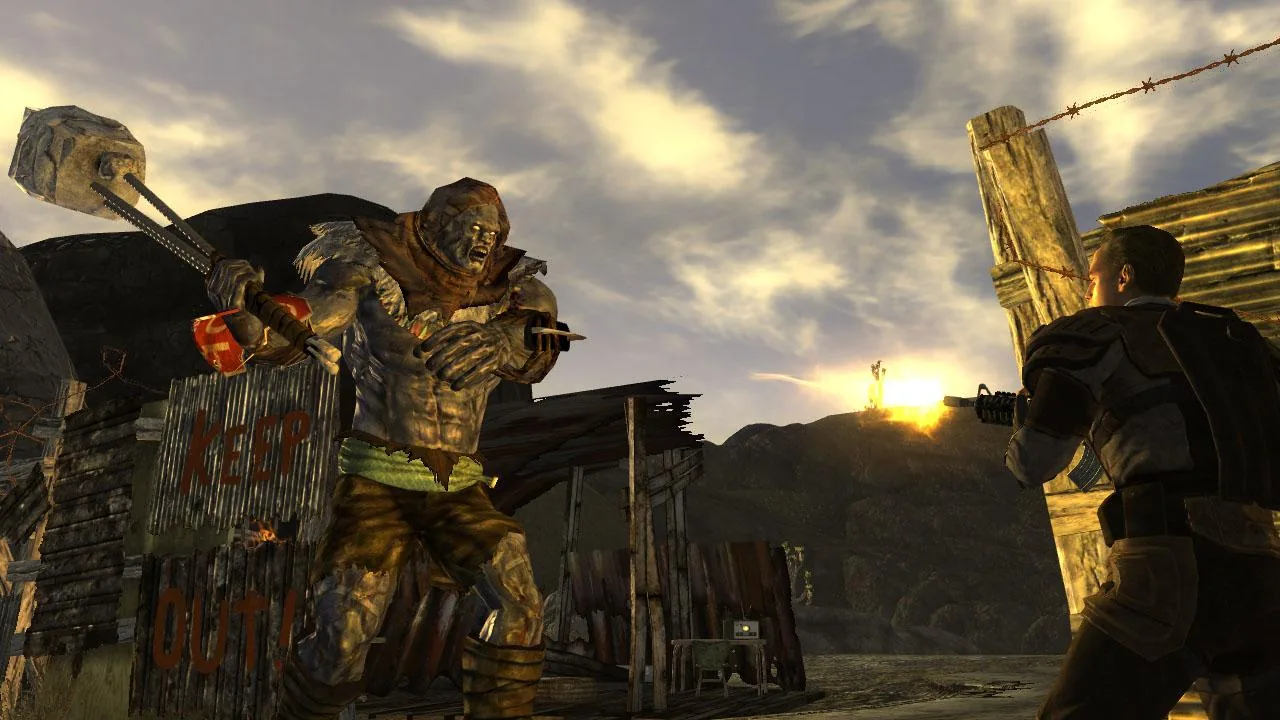
Fallout: New VegasImage: Bethesda Softworks via Steam -
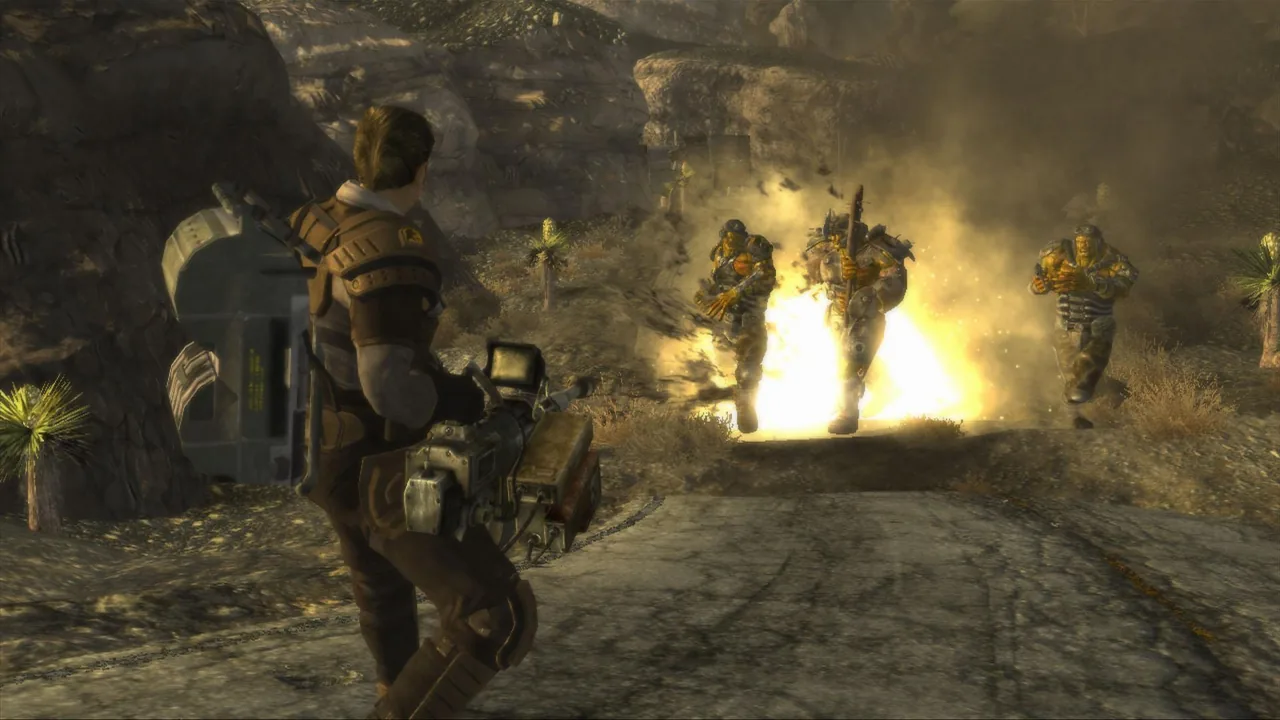
Fallout: New VegasImage: Bethesda Softworks via Steam -
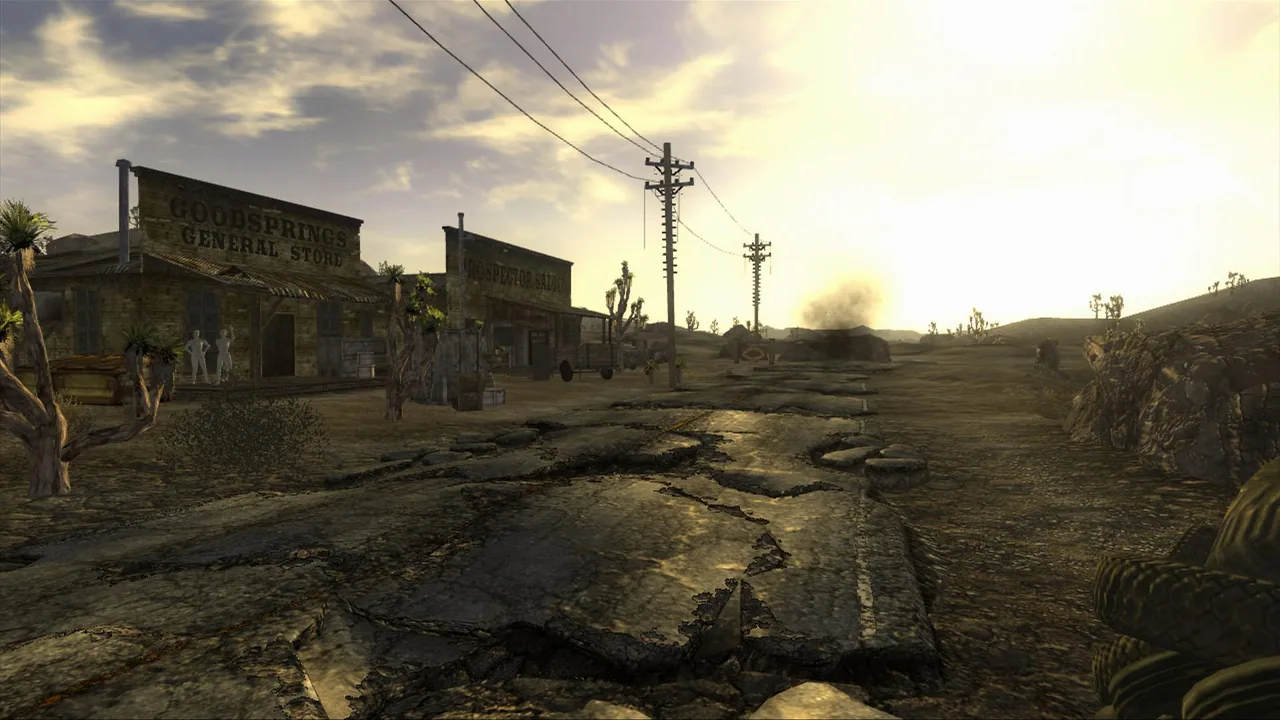
Fallout: New VegasImage: Bethesda Softworks via Steam -
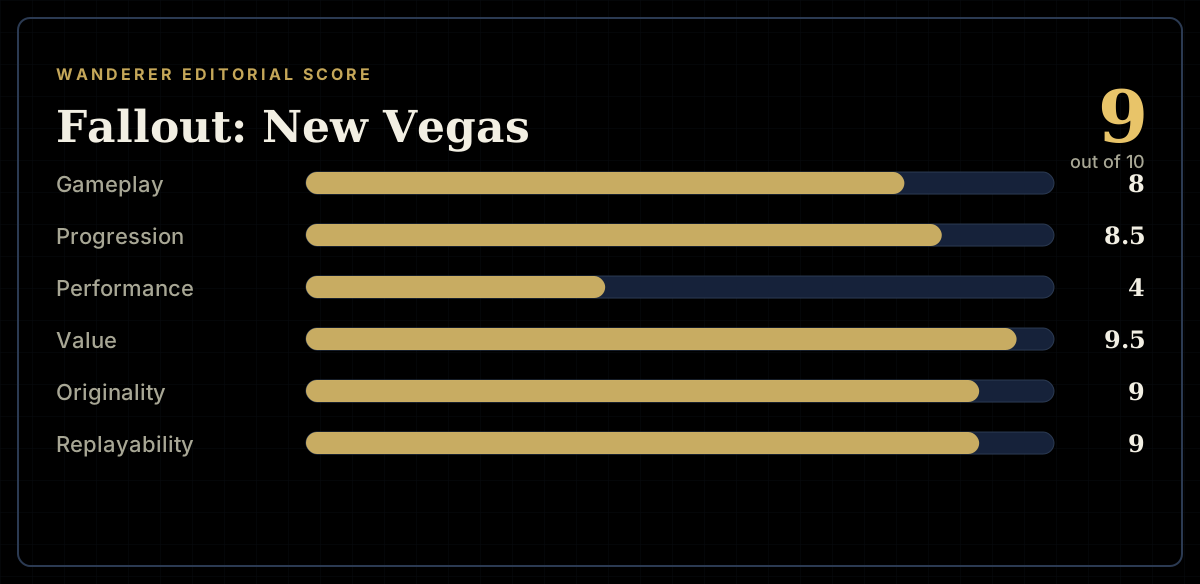
How the review scores each part of the gameWanderer Editorial -
The short versionWanderer Editorial