Game review
Emerald Flower
7.5 / 10
- Developer
- Trash Men Studios
- Publisher
- Trash Men Studios
- Released
- 1 August 2026
- Platforms
- Windows
- Genre
- Narrative RPG
- Monetisation
- One-time purchase, no in-game store, no IAP, no ads
- Players
- None; fully single-player
The short version
Emerald Flower opens its store page not with a feature list but with a fake government archive: a fictional dossier on a parasitic plant that hijacks mammal brains through smell, escalating through a series of dated "edits" into a full account of war, genocide and civilisational collapse. That commitment to worldbuilding carries into the actual game — a roughly three-hour pixel-art RPG about a 17-year-old boy looking for a reason to live in what's left of that world, crafting from scavenged materials and fighting enemies by finding their weak points rather than mashing buttons.
Four days after release, every single one of its fourteen reviews is written in Turkish, and reading them directly tells a clear story: players who finish it describe crying multiple times, compare it to the acclaimed indie OneShot, and call it some of the best fifty cents they've ever spent. A minority push back on narrative coherence and easy combat. Both reactions are worth taking at face value from an audience that, right now, is the only one that's actually played it.
Biggest strengths
- An unusually committed piece of in-fiction worldbuilding on the store page itself — a fake scientific dossier that escalates into an account of war and atrocity — that sets real tonal expectations before you've even bought the game
- Reviewers who finished it describe the story and character writing as genuinely moving, with several independently mentioning crying multiple times over its roughly three-hour length
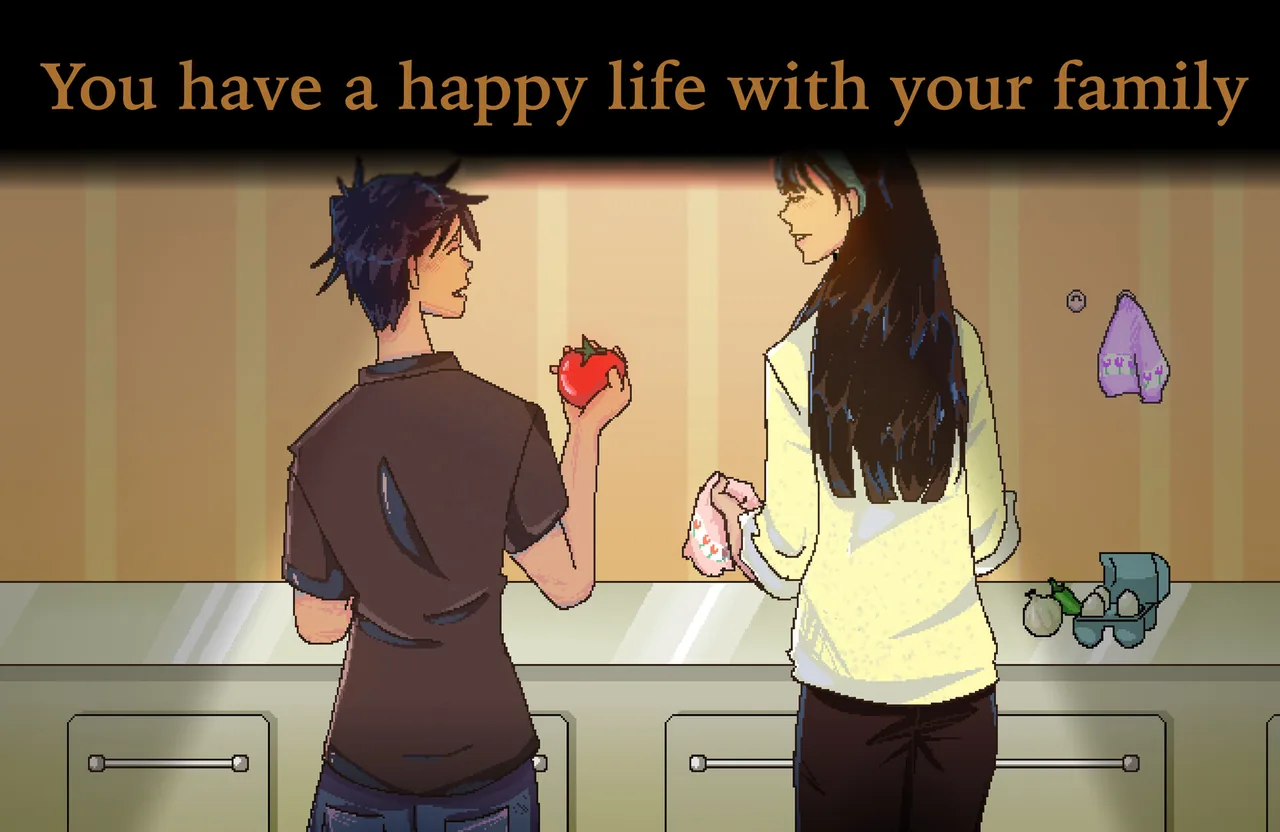
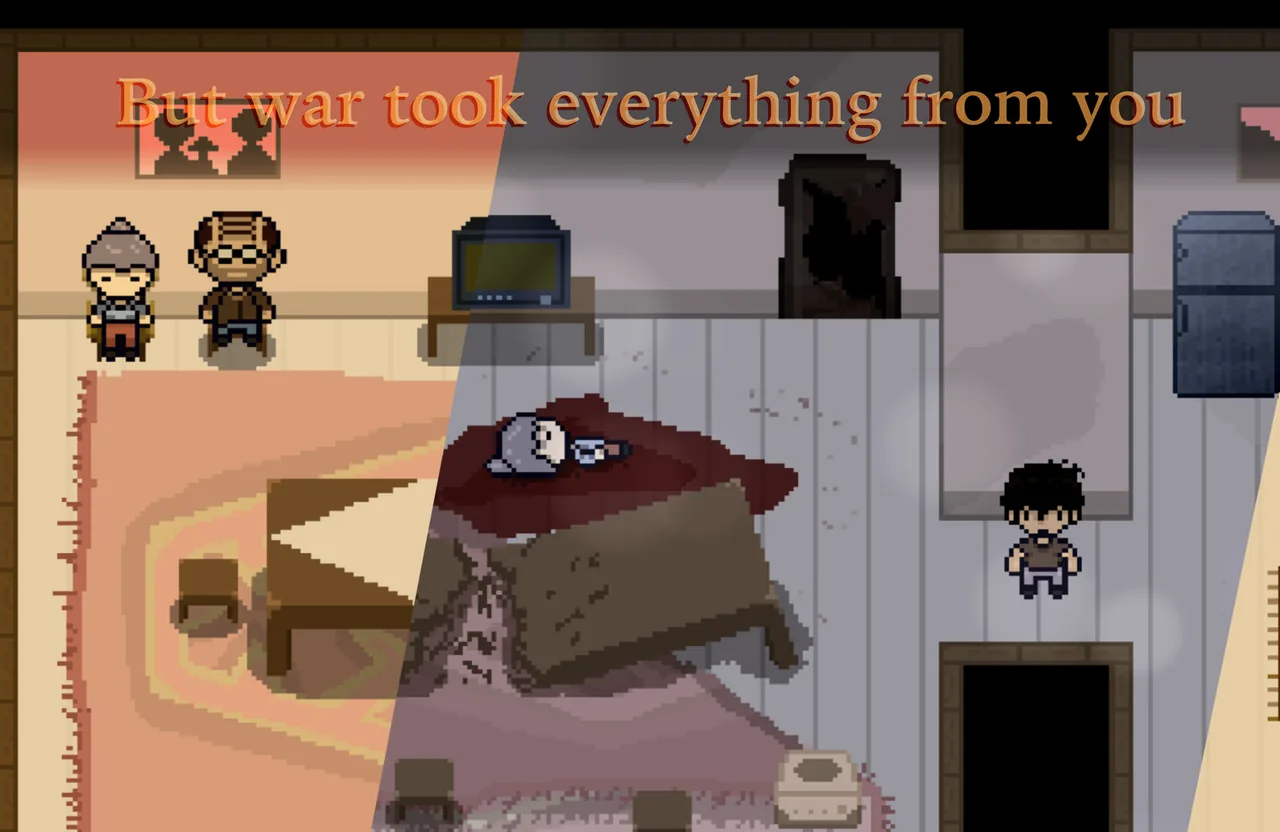
- A visual style reviewers compare directly to OneShot, mixing detailed character illustration with 2D pixel-art environments
Biggest weaknesses
- Every review currently available is in Turkish, so there is no English-language player feedback yet to draw on, and this review is built from directly translated Turkish reviews rather than an English-speaking community's account
- One detailed review reports a specific progression-blocking bug in a Chapter 3 basement scene, describing being unable to proceed no matter what they tried
- A separate reviewer specifically criticises the story's coherence, saying it starts as a war narrative before the central parasitic-flower plot "comes out of nowhere," and calls the boss fights too easy to be gripping
Who it's for: Fans of short, emotionally heavy narrative RPGs in the vein of OneShot, and players drawn to elaborate in-fiction worldbuilding delivered through found documents rather than exposition dumps.
Our recommendation: At under a dollar, this is close to a risk-free way to find out if its very specific tone works for you — go in expecting a short, sad, narrative-first game rather than a combat- or crafting-focused RPG.
7.5 / 10
Before you see a single screenshot, Emerald Flower's store page asks you to read a government archive entry. It describes the Emerald Flower, a fictional parasitic plant that infects mammals through smell, grows nanofiber roots into the brainstem, and either fully possesses its host or kills them outright depending on how they manage their emotions during infection. The entry is dated and annotated with escalating "edits" — a stolen sample, a rival government weaponising it as fuel, a night raid, a war, a first-person account from a father stealing tomatoes to feed his son as soldiers roam the streets. It's an extraordinary amount of worldbuilding to put in front of a five-dollar — or in this case, under-one-dollar — indie RPG, and it sets a tone the actual game, by every account currently available, follows through on.
A three-hour story about finding a reason to live
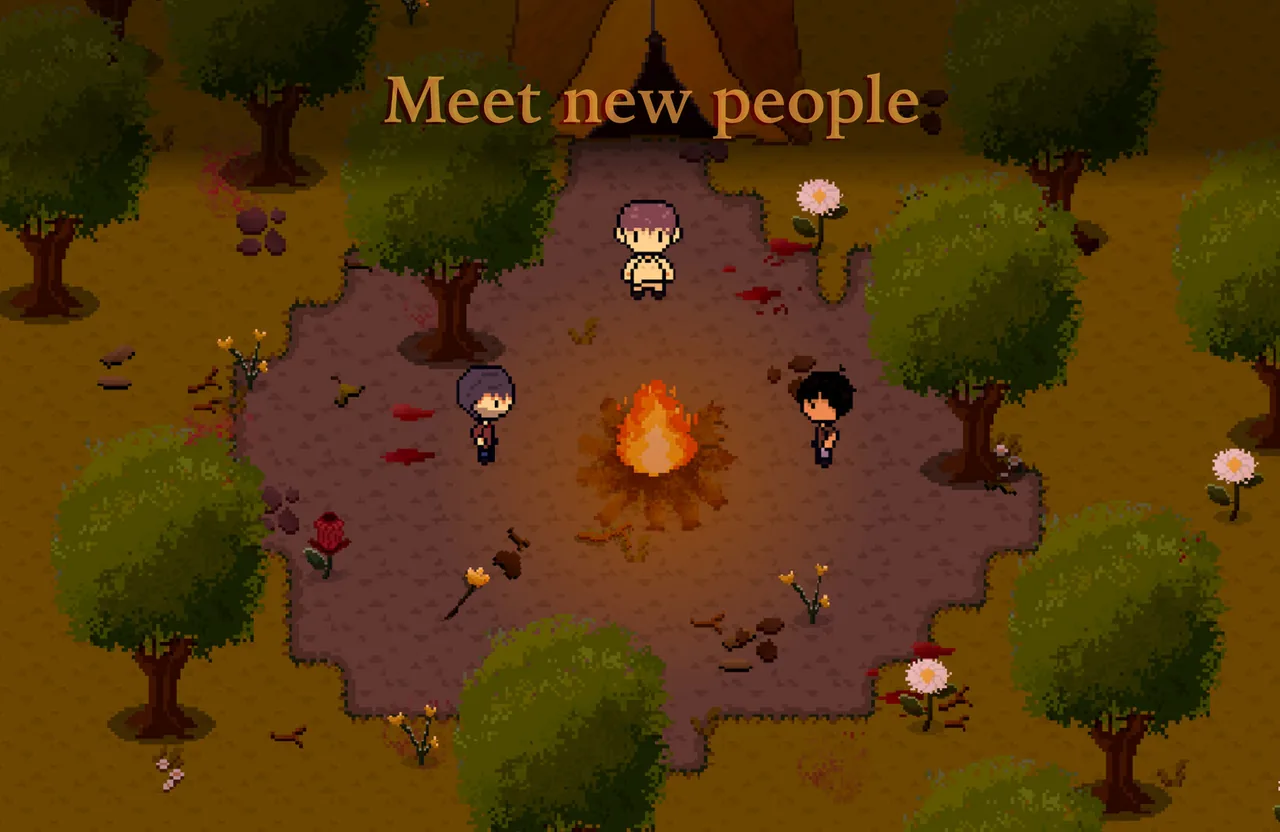
Strip away the framing and Emerald Flower is a 2D pixel-art RPG: you play a 17-year-old boy who's lost everything in the war the archive describes, gathering materials to craft useful items, fighting enemies by identifying weak points rather than simple button-mashing, and meeting a cast the store page insists all matter — "from a man giving advice on the road to a simple janitor, everyone has a good or bad nature and a story to tell." Reviewers who've finished it — and several say they finished it in a single overnight sitting — consistently describe the length as around three hours, short enough to complete before deciding whether to stay up for it.
An audience of one language, and what they're saying
The most unusual thing about reviewing Emerald Flower four days after launch is that its entire review base — all fourteen reviews, without exception — is written in Turkish. That's worth stating plainly rather than working around: there is currently no English-language player account of this game anywhere on Steam, and everything below comes from directly reading and translating those fourteen reviews rather than from an English-speaking community's reception.
What they say is consistently, specifically warm. One reviewer calls it "an excellent game," writing that "words cannot describe how much I liked this game and its ending," and describes a "bittersweet" conclusion. Another compares its visual style directly to OneShot, the acclaimed indie narrative game frequently cited for its emotional weight, and notes finishing in three hours without it dragging. A third writes, half-joking, that they nearly cried five or six times before even reaching the ending, specifically because of how consistently the game gives every character a sad backstory. One reviewer explicitly frames it as a spiritual sequel, writing as "someone who played and finished the previous game and loved it very much" — suggesting Trash Men Studios has an existing following this release is building on rather than starting cold. A recurring theme across several reviews is blunt astonishment at the price: one calls it "possibly the best fifty cents I've spent in my life."
The complaints, translated with equal care
Not every reviewer is won over, and the dissent is specific enough to be worth reporting alongside the praise rather than smoothed over by the aggregate score. One negative review argues the story loses coherence — describing a narrative that opens as a war story before "where did the flower come from" becomes the reviewer's central confusion — and separately calls the boss fights too easy to be gripping. A second negative review reports a specific, reproducible-sounding bug: getting stuck in a Chapter 3 basement scene where "nothing progresses no matter what you do," explicitly asking the developer to read the review and fix it. Two more reviews, both otherwise positive, independently flag the autosave system as disruptive enough to mention, without elaborating further on exactly how it fails them. A couple of players also ask for a cosmetic points shop and Steam Deck support, suggesting genuine platform and feature requests from an engaged fanbase rather than dealbreaking complaints.
None of this contradicts the strength of the positive reception — it sits alongside it. A progression-blocking bug in a specific late-game scene is a real, fixable problem worth knowing about before you buy, and a story that one player experiences as emotionally overwhelming can read as tonally unfocused to another. Both are legitimate reads on the same three-hour experience.
Final verdict
Emerald Flower earns real credit for the sheer commitment of its worldbuilding, for character writing that's moved multiple players to tears by their own account, and for a price so low several of its own reviewers cite it as part of the pitch. It's a narrative-first game rather than a combat or crafting showcase, and reviewers who came in expecting more mechanical depth than a short, sad story with light RPG systems attached should adjust expectations accordingly.
Because every review available right now comes from a single language community, this verdict carries a specific asterisk: nothing here has been cross-checked against a broader, more linguistically varied audience, and that will change as the game reaches more players. For now, what's on record is an extremely cheap, visually distinctive, emotionally ambitious short RPG that its earliest, most engaged audience genuinely loves — with a couple of real, specific rough edges worth knowing about first.
Players drawn to found-document worldbuilding and long-form character writing set inside a persistent world, rather than a single three-hour story, may also want to look at Wanderer.
Pros and cons
Pros
- An unusually committed piece of in-fiction worldbuilding on the store page itself — a fake scientific dossier that escalates into an account of war and atrocity — that sets real tonal expectations before you've even bought the game
- Reviewers who finished it describe the story and character writing as genuinely moving, with several independently mentioning crying multiple times over its roughly three-hour length
- A visual style reviewers compare directly to OneShot, mixing detailed character illustration with 2D pixel-art environments
- Extraordinarily cheap even before its launch discount, and several reviewers explicitly frame the price as part of the pitch
- Apparently a spiritual sequel to an earlier game by the same small studio, with at least one returning fan describing themselves as a longtime follower of the developer's prior work
Cons
- Every review currently available is in Turkish, so there is no English-language player feedback yet to draw on, and this review is built from directly translated Turkish reviews rather than an English-speaking community's account
- One detailed review reports a specific progression-blocking bug in a Chapter 3 basement scene, describing being unable to proceed no matter what they tried
- A separate reviewer specifically criticises the story's coherence, saying it starts as a war narrative before the central parasitic-flower plot "comes out of nowhere," and calls the boss fights too easy to be gripping
- More than one reviewer independently flags the autosave system as disruptive, without specifying exactly how
- No achievements or patch notes exist yet on Steam to independently verify how actively the developer is responding to the bug reports above
Screenshots
-
Emerald FlowerImage: Trash Men Studios via Steam -
Emerald FlowerImage: Trash Men Studios via Steam -
Emerald FlowerImage: Trash Men Studios via Steam -
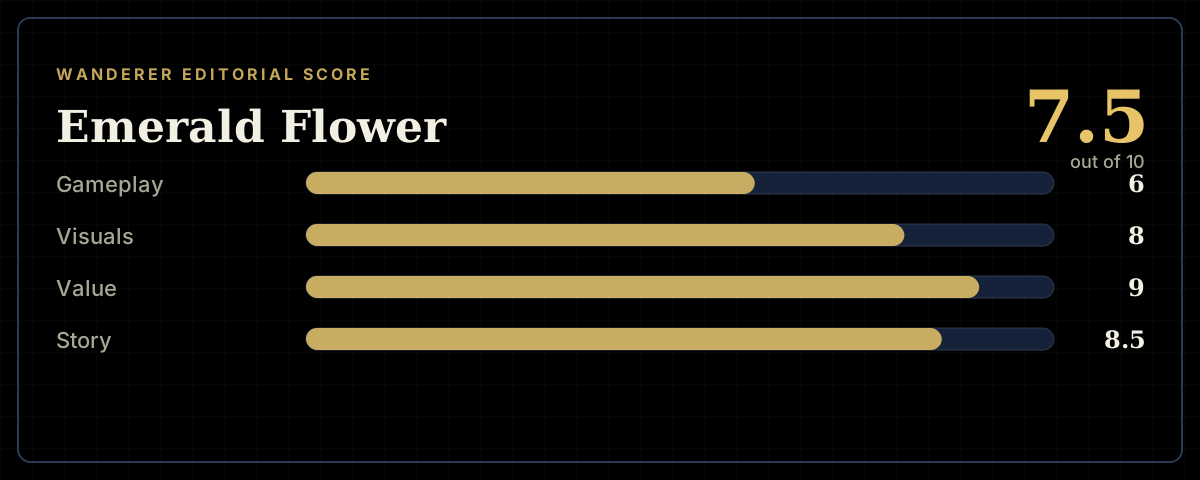
How the review scores each part of the gameWanderer Editorial -
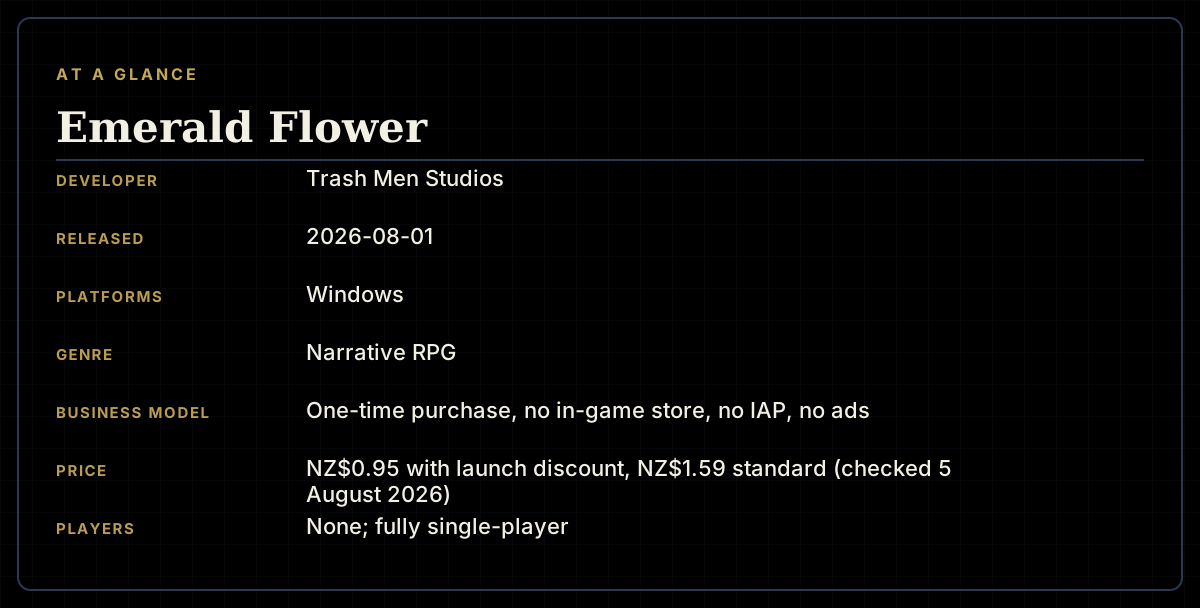
The game at a glanceWanderer Editorial -
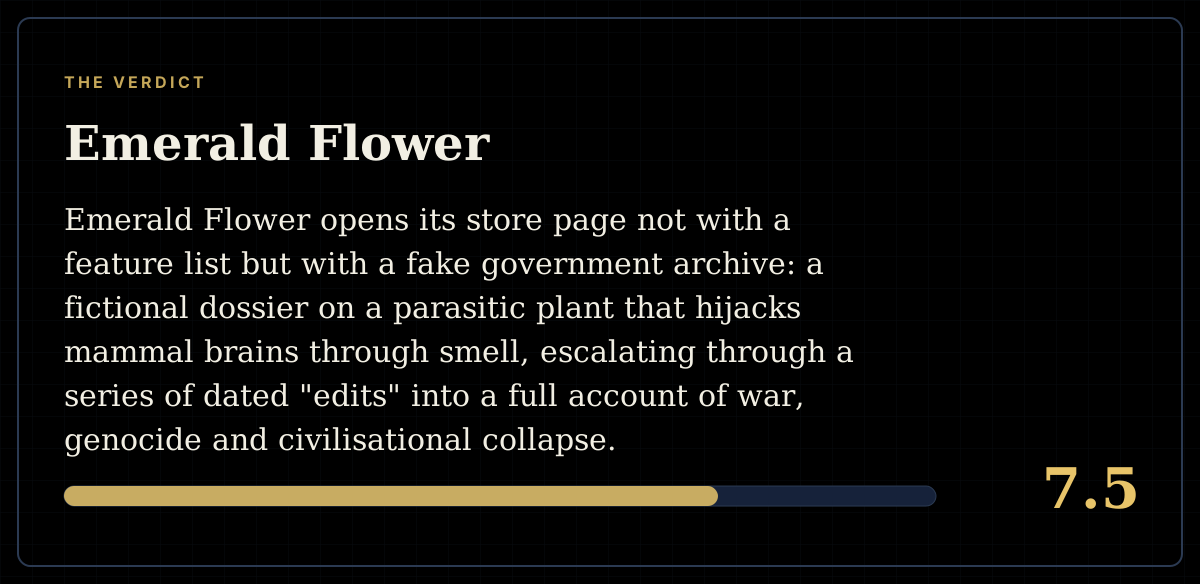
The short versionWanderer Editorial