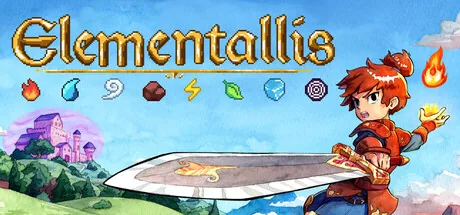
Game review
Elementallis
8.2 / 10
- Developer
- AnKae Games
- Publisher
- Top Hat Studios, Inc.
- Released
- 28 April 2026
- Platforms
- [Windows, Mac, Linux]
- Genre
- Adventure
- Monetisation
- $17.99
- Players
- false
The short version
Elementallis is a genuine love letter to the Game Boy and SNES era of Zelda, using an elemental-power system in place of classic dungeon items to build a 15-to-25-hour adventure that nails the puzzle-and-progression loop its inspirations perfected, held back only by some unevenly-designed bosses and backtracking that occasionally wears thin.
Biggest strengths
- Captures the classic Zelda dungeon-and-overworld structure with real craft, replacing dungeon items with elemental powers that solve puzzles, unlock shortcuts, and add combat variety
- Consistently praised pixel art, atmosphere, and soundtrack, plus a built-in CRT filter option that specifically pleases genre veterans
- A satisfying 15-to-25-hour length with escalating dungeon complexity that reviewers say gets genuinely intricate by the third and fourth temples
Biggest weaknesses
- Several boss fights, especially a couple of mid-game encounters, are described as unpredictable or poorly telegraphed rather than fairly challenging
- Backtracking through earlier areas is a recurring complaint, even though unlocked elemental shortcuts ease some of the friction later on
- A limited, dungeon-restricted map-marker system that a number of reviewers find awkward compared to more modern quality-of-life standards
Who it's for: Fans of classic 2D Zelda games (A Link to the Past, Link's Awakening, the Oracle duology) who've felt left behind by the series' open-world direction and want a lovingly-made throwback with its own identity.
Our recommendation: Buy it
8.2 / 10
Amend your actions, restore the elements
Elementallis is a top-down action-adventure from developer AnKae Games and publisher Top Hat Studios, first announced back in 2022 and released April 28, 2026 at $17.99 after a lengthy, demo-supported development cycle. You play a guilt-driven protagonist restoring a world where the elements have gone wild, working through temples to reclaim elemental powers, solve puzzles, and fight increasingly dangerous foes. It landed to a Very Positive reception (298 reviews, roughly 91% positive), and the review sample — overwhelmingly English, with a substantial Spanish, German, and French contingent — is remarkably consistent in what it's praising: this is exactly the kind of classic 2D Zelda throwback a specific, vocal, and clearly underserved audience has been waiting years for.
A structure built for Zelda veterans
Reviewers repeatedly frame Elementallis in direct comparison to A Link to the Past, Link's Awakening, and the Oracle of Ages/Seasons duology, and the comparisons are consistently affectionate rather than dismissive. The core loop is familiar by design: explore an interconnected overworld, enter a temple, solve its puzzles using an elemental power you already have, then earn a new element at the end that unlocks previously inaccessible areas both inside and outside that temple. Multiple reviewers specifically call out how satisfying it is to see a new power open up areas they'd noticed earlier but couldn't reach — the exact "aha" loop that defined the genre's best 2D entries, and one several reviewers say modern Zelda has largely abandoned since Breath of the Wild's shift to full open-world design.
Eight elements, real puzzle variety
Where Elementallis distinguishes itself from being a pure clone is its elemental system: eight distinct elements, each with combat and puzzle applications, gradually stack and combine as you progress, letting later puzzles demand creative combinations rather than single-element solutions. Reviewers describe genuine "aha" moments emerging by the third and fourth temple, once the game has enough elements in play to create meaningful puzzle depth, with the earliest dungeons deliberately kept simple as an on-ramp. Combat is generally described as simple but functional — swap between elements to counter specific enemy types and exploit weaknesses — though a few reviewers note some rough edges, including one report of inconsistent attack-direction animation depending on which way the character is facing.
Bosses are the sample's biggest sticking point
The most consistent critical thread in the review sample concerns boss design. Several reviewers who otherwise rate the game highly single out specific encounters — a battery-themed boss and a stone guardian are both named repeatedly — as unpredictable or poorly telegraphed rather than fairly difficult, requiring trial-and-error rather than pattern recognition to overcome. One more negative reviewer goes further, describing the back half of the boss roster as increasingly tedious and frustrating, and criticizing a final boss structured as a back-to-back rematch of every previous boss as an unwelcome difficulty spike rather than a satisfying capstone. This is a genuine minority-but-real complaint rather than an outlier: even many of the game's most positive reviews carve out an exception for one or two specific fights.
Backtracking and a limited map
A second recurring complaint concerns backtracking: several reviewers describe returning to earlier zones to use newly-unlocked elements as a genre convention that occasionally overstays its welcome here, particularly for completionists chasing 100%. Newly-unlocked elemental shortcuts do meaningfully ease this in the back half of the game, and multiple reviewers specifically credit the developer's post-launch patches for smoothing out some of the worst backtracking-related friction in specific zones. A separate, smaller complaint targets the map system itself, which only allows placing markers outside of dungeons and caps how many you can place at once — a design choice several reviewers call outdated relative to modern adventure-game conventions, even if it doesn't stop them from recommending the game overall.
Presentation carries real weight
Across nearly every language in the sample, reviewers single out Elementallis's pixel art, atmosphere, and soundtrack as genuine highlights, frequently describing specific biomes and temple aesthetics as beautiful and varied rather than repetitive. The game also includes a built-in CRT filter option that multiple longtime genre fans specifically call out as a thoughtful touch for recreating the exact feel of playing the classics that inspired it. The story, by contrast, draws much more measured praise — reviewers consistently describe it as functional and occasionally more engaging than expected, built around a protagonist's guilt and an elementalist family history, but nobody in the sample treats it as the game's main draw. A few reviewers specifically highlight the supporting cast and world-building — recurring NPCs like a traveling tourist couple who hint at upcoming areas — as small but effective touches that give the overworld more personality than a pure gameplay delivery vehicle would need.
Who should restore the elements
Elementallis is easiest to recommend to anyone with real affection for 2D Zelda's Game Boy and SNES era who's felt underserved by the series' modern open-world direction — reviewers across the sample describe exactly that itch being scratched, often in emotional, nostalgic terms. It's a tougher, though still reasonable, recommendation for players who bounce off deliberate backtracking or want consistently fair, well-telegraphed boss encounters throughout, given the specific and repeated criticism a handful of fights draw.
The verdict
Elementallis succeeds at what it clearly set out to do: build a genuinely lovingly-crafted homage to classic 2D Zelda, with a distinctive elemental-power system, gorgeous pixel art, and dungeon design that gets meaningfully more intricate as it goes. A few unevenly-designed bosses and some backtracking fatigue keep it from being flawless, but for the audience it's built for, this is close to essential.
Pros and cons
Pros
- Captures the classic Zelda dungeon-and-overworld structure with real craft, replacing dungeon items with elemental powers that solve puzzles, unlock shortcuts, and add combat variety
- Consistently praised pixel art, atmosphere, and soundtrack, plus a built-in CRT filter option that specifically pleases genre veterans
- A satisfying 15-to-25-hour length with escalating dungeon complexity that reviewers say gets genuinely intricate by the third and fourth temples
- An actively engaged developer who reviewers describe as responsive to feedback and consistently patching design issues post-launch
Cons
- Several boss fights, especially a couple of mid-game encounters, are described as unpredictable or poorly telegraphed rather than fairly challenging
- Backtracking through earlier areas is a recurring complaint, even though unlocked elemental shortcuts ease some of the friction later on
- A limited, dungeon-restricted map-marker system that a number of reviewers find awkward compared to more modern quality-of-life standards
- The story is functional rather than memorable — reviewers consistently say it's a fine vessel for the gameplay rather than a highlight in its own right
Screenshots
-
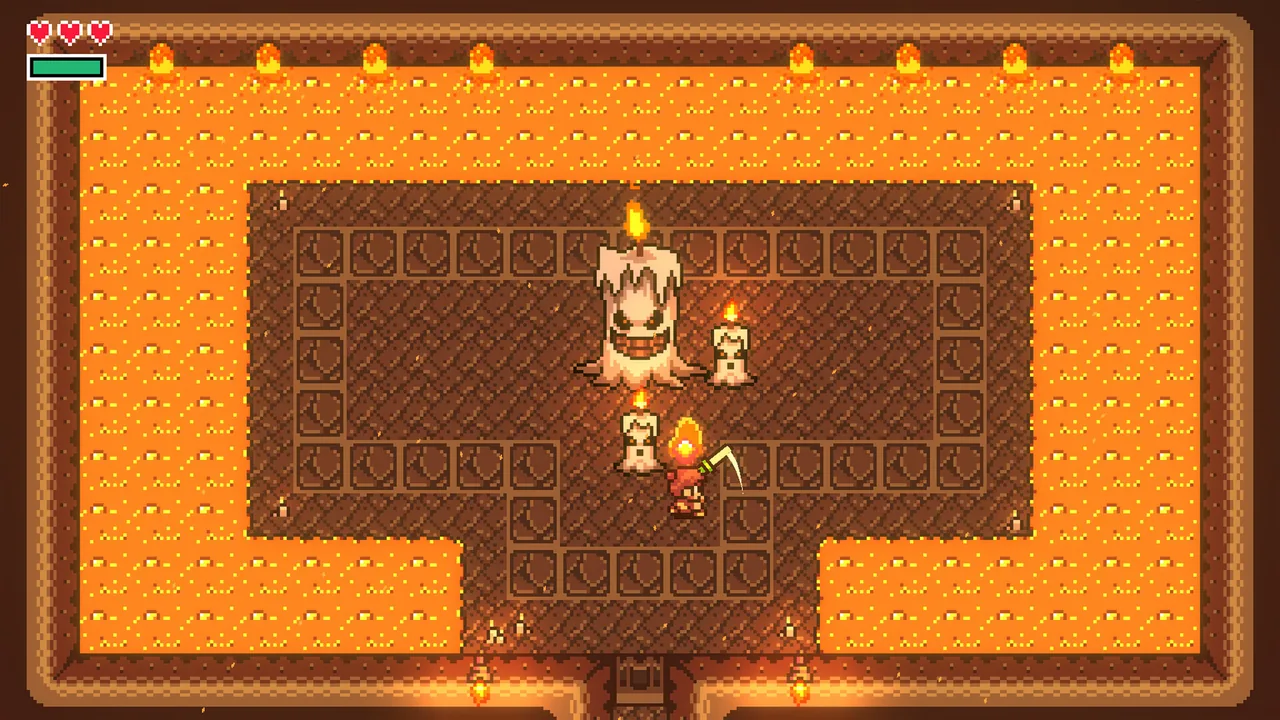
ElementallisImage: Top Hat Studios, Inc. via Steam -
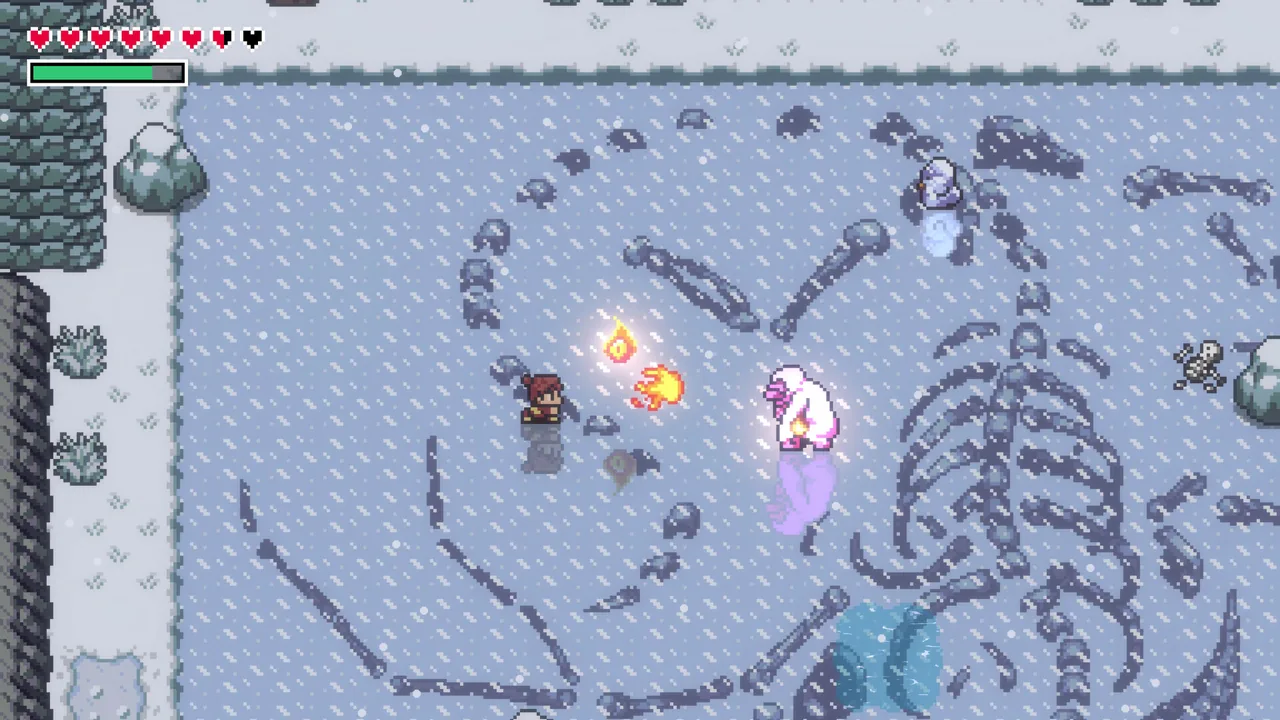
ElementallisImage: Top Hat Studios, Inc. via Steam -
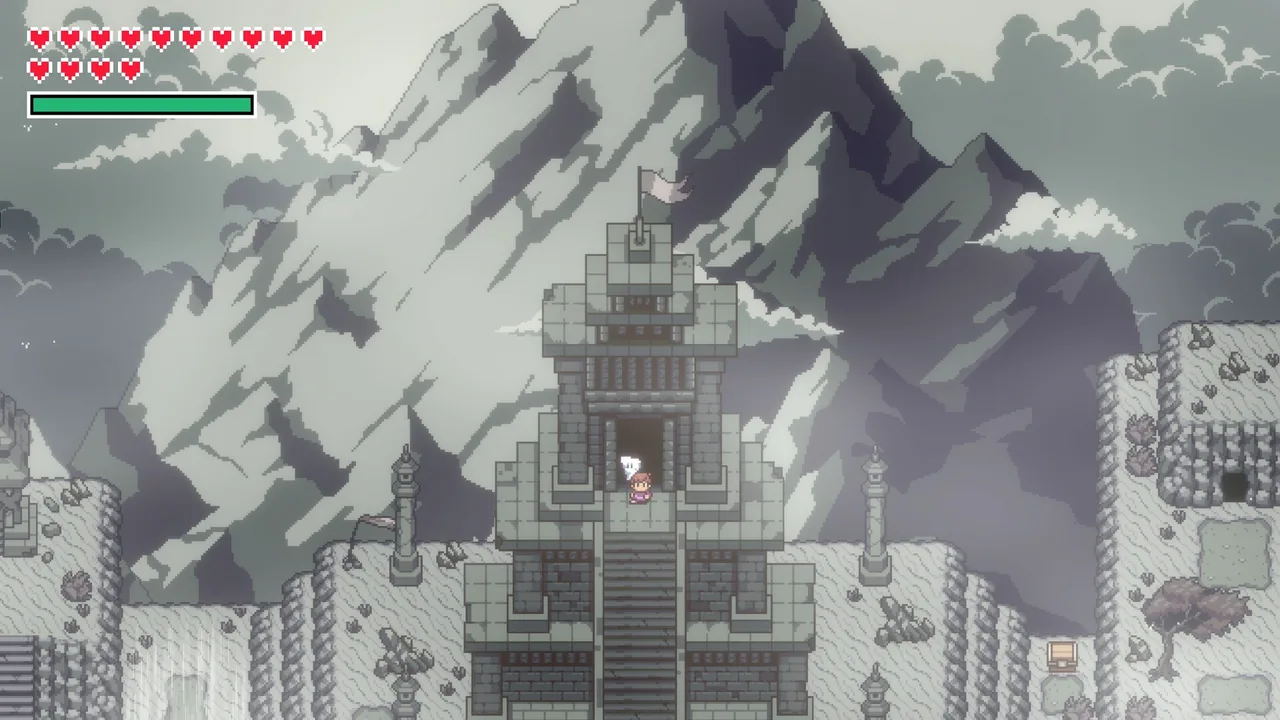
ElementallisImage: Top Hat Studios, Inc. via Steam -
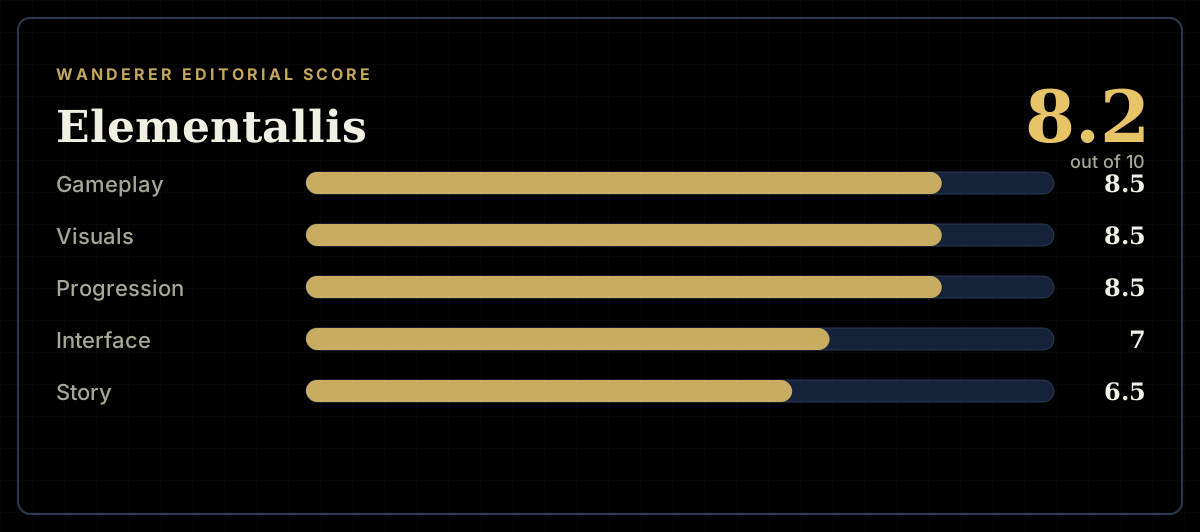
How the review scores each part of the gameWanderer Editorial -
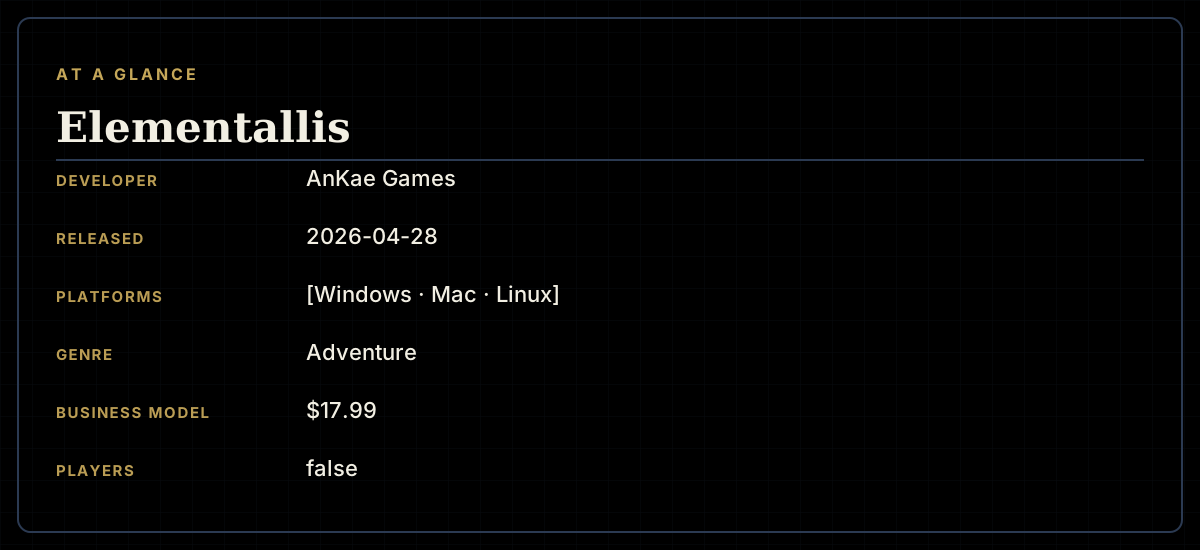
Key facts at a glanceWanderer Editorial -
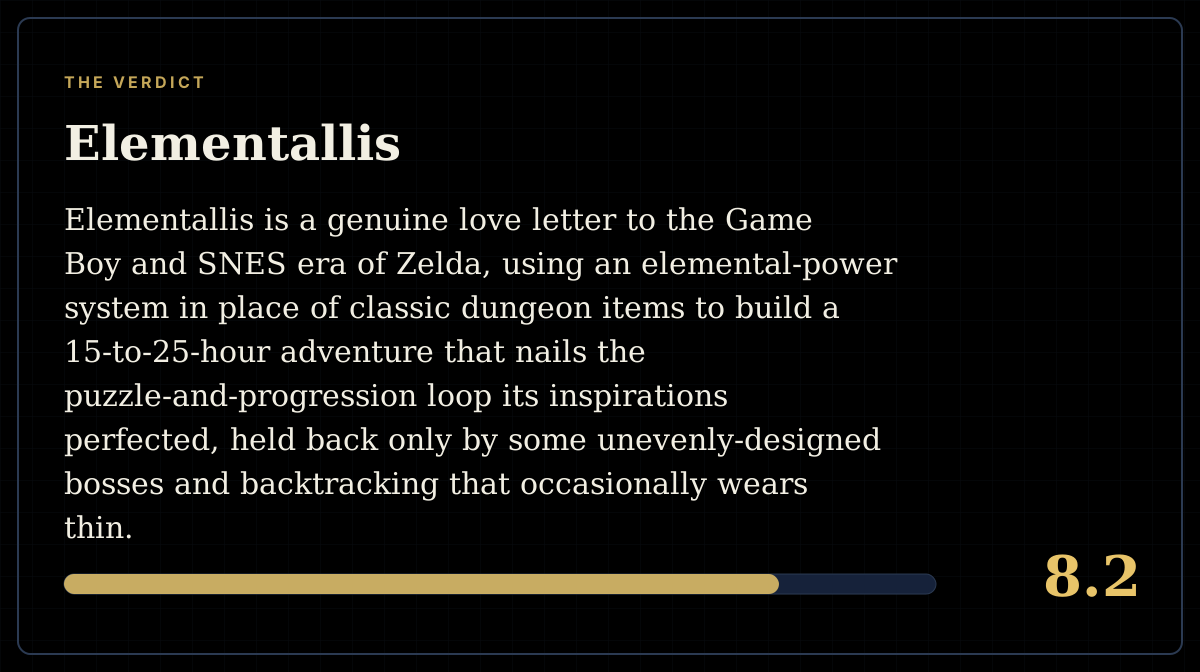
The short versionWanderer Editorial