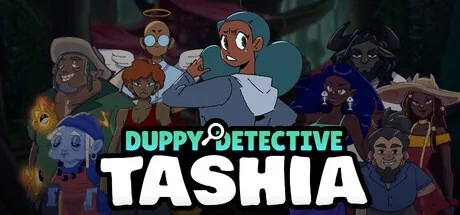
Game review
Duppy Detective Tashia
7 / 10
- Developer
- Spritewrench
- Publisher
- Spritewrench
- Released
- 7 June 2026
- Platforms
- Windows
- Genre
- Adventure, Casual
- Monetisation
- paid
- Players
- false
The short version
Biggest strengths
- Genuinely distinctive, well-researched Jamaican and Caribbean folklore woven throughout the characters, dialogue, and mystery
- Charming, well-liked hand-drawn art style and character designs that reviewers consistently singled out
- A pleasant, head-bopping soundtrack that several reviewers specifically praised
Biggest weaknesses
- Almost no actual deduction or point-and-click puzzle mechanics, despite the "detective" framing
- Player choices largely don't affect the outcome, leading to a sense of false agency that disappointed several reviewers
- Very short runtime, around one hour, which a portion of the pool felt was thin for the asking price
Who it's for: Visual novel fans drawn to distinctive, underrepresented cultural settings, rather than players seeking a genuine deduction-driven detective or point-and-click puzzle experience
Our recommendation: recommended
7 / 10
Duppy Detective Tashia released on Steam on June 7, 2026, from developer Spritewrench, a point-and-click mystery adventure in which the player helps Tashia investigate a murder and track down her missing cell phone, all set against a backdrop of Jamaican and wider Caribbean folklore. Its 45-review English pool lands at a strong Positive (43 up, 2 down, 95%), and the reviews are unusually consistent in what they praise and what they criticize, giving a clear, well-triangulated picture of the game's real strengths and its central, oft-repeated limitation.
The game's cultural grounding draws the pool's most enthusiastic and specific praise, and for many reviewers it's clearly the whole reason to play. One reviewer called it "a very cool story about Jamaican folklore," while another described being drawn in by "funny characters and the hand drawn art," specifically appreciating seeing "some Jamaican dialect" represented, adding that "some real love was put into this" and that it was "wonderful to see representation of Caribbean tales and influence." A third reviewer went further, describing a personal connection to the material: recognising figures like "the rolling calf and Mammy Wata designs" from childhood, and explicitly framing the game as something worth supporting so "we can have more games from the Caribbean." That sentiment, genuine cultural specificity rarely seen in the genre, recurs across nearly the entire positive portion of the pool.
Presentation earns similarly consistent, if slightly less emotionally charged, praise. Reviewers repeatedly singled out the "hand drawn art," "great art style," and "distinct and fun" character designs, alongside a soundtrack multiple reviewers said had them "bopping my head along with the beat," with one reviewer specifically delighted that the in-game characters visibly bop along to the music too, calling it "a small detail I ADORED." The chapter-based structure also earned specific praise from one reviewer who liked that the game "is divided into individual chapters that can be replayed individually," a nice quality-of-life touch for revisiting favourite character interactions without replaying the whole story.
Where the pool turns sharply, consistently critical is on the actual "detective" and "point-and-click" framing the title and marketing promise, and this single issue appears in some form across a striking majority of both positive and negative reviews. One reviewer put it plainly: "Unfortunately, there are no deductions to make or puzzles to solve, so it's not quite what you'd expect from a detective game." Another reviewer who ultimately recommended against the game was more pointed: "this is a bit lackluster mystery and definitly not a detective or point and click game," explaining that the game "holds your hand and points you towards 2 suspects every day, you don't have to think for yourself or do any real puzzle solving." Even reviewers who loved the game echoed the same gap, with one writing that "the detectiving is very limited within the game" and another summarizing it as "gameplay is really barebones" despite an otherwise strong narrative foundation.
Closely tied to that complaint is a consistent frustration with how little player choices actually matter to the outcome. One reviewer who gave the game a 5-out-of-10 wrote candidly: "I was hooked, thinking that my choices mattered and had an impact on the other characters and the outcome of the game, just for nothing to really matter," adding a blunt "That's it...?" reaction to the ending. Another reviewer's entire negative review consisted of a single line capturing the same disappointment: "An extremely short visual novel where your choices mean nothing." A more detailed critical review agreed, describing the choices as "fakeout choices that all lead to the same endgame," which the reviewer identified as their core issue with an otherwise inoffensive game.
Length and value for the $7.99 asking price is the other recurring tension in the pool, though opinion here splits more evenly than on the gameplay question. Several reviewers explicitly called the roughly one-hour runtime a genuine letdown relative to price, with one writing candidly "there just is not a lot here for $8, even with multiple choices," despite still leaving a positive review on the strength of the characters and art. Others pushed back on that framing entirely, with one reviewer calling it "more than worth the price to support a small team who can only do bigger things from here," and several more framing the brevity as appropriate for what's ultimately a tightly scoped, single-sitting visual novel rather than a shortcoming in itself.
It's also worth noting the pool's evident enthusiasm for what a sequel or expansion to this world might look like, since it's an unusually common thread across otherwise very different reviews. One reviewer, while generally positive, specifically flagged that the game "currently feels like an introduction to some potentially interesting characters," and suggested the world "would be easy to expand on," with more room for the characters and setting to breathe than a one-hour runtime allows. Another reviewer wished the mystery's solution had "more small hints throughout the story," feeling it arrived "a little out of nowhere" given how little the deduction mechanics let players engage with it directly, while still praising the game's overall charm. That pattern, real affection for the setting and characters paired with a wish for more mechanical and narrative depth to match them, suggests the biggest opportunity for a follow-up isn't a change in tone or subject matter, both of which reviewers clearly responded to, but a deeper investment in the actual detective gameplay the title promises and, so far, only partially delivers.
Given its unusually distinctive cultural setting, well-liked art and music, and an overwhelmingly positive reception despite one consistently repeated caveat, Duppy Detective Tashia is a strong recommendation specifically for visual novel fans drawn to underrepresented settings and character-driven short stories, provided the "detective" framing is treated as narrative flavour rather than an accurate description of the gameplay on offer. Players specifically seeking real deduction mechanics or choices with lasting narrative weight should adjust expectations accordingly, but for everyone else, this is a charming, culturally rich hour well worth its modest asking price.
Pros and cons
Pros
- Genuinely distinctive, well-researched Jamaican and Caribbean folklore woven throughout the characters, dialogue, and mystery
- Charming, well-liked hand-drawn art style and character designs that reviewers consistently singled out
- A pleasant, head-bopping soundtrack that several reviewers specifically praised
- Divided into replayable individual chapters, a nice structural touch for revisiting favourite moments
Cons
- Almost no actual deduction or point-and-click puzzle mechanics, despite the "detective" framing
- Player choices largely don't affect the outcome, leading to a sense of false agency that disappointed several reviewers
- Very short runtime, around one hour, which a portion of the pool felt was thin for the asking price
- A few reported continuity errors and minor bugs in the later chapters
Screenshots
-
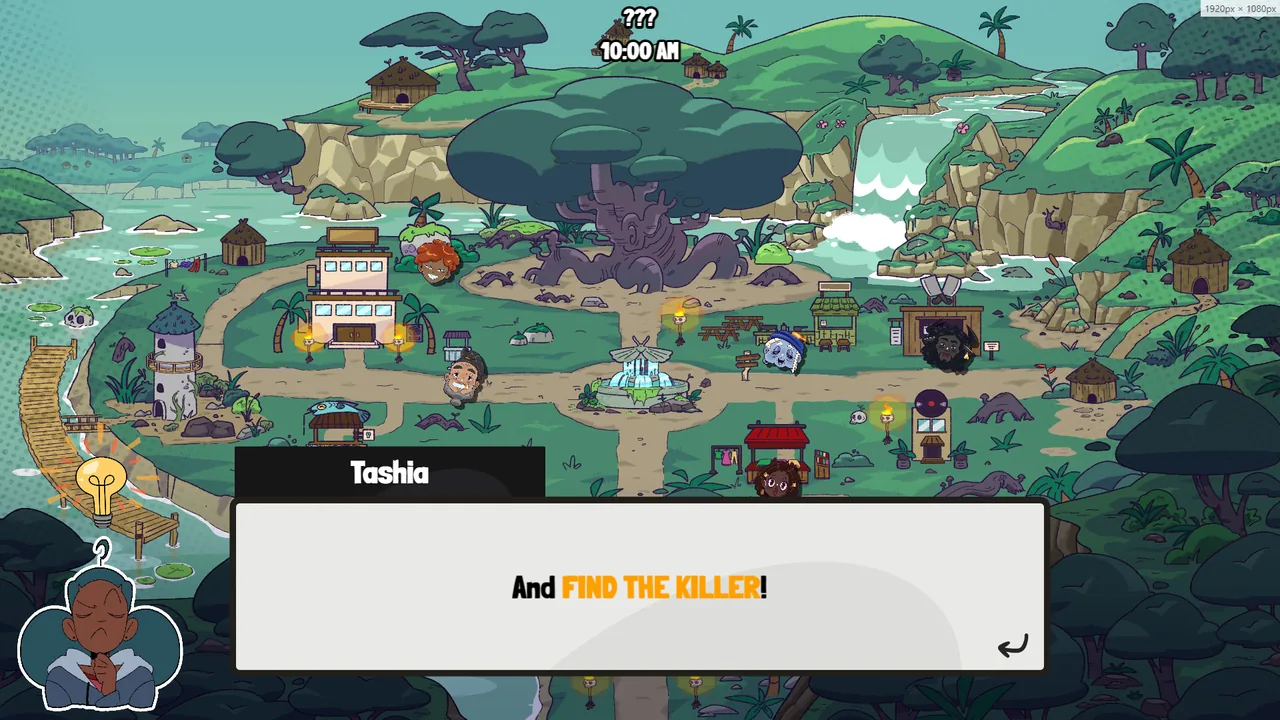
Duppy Detective TashiaImage: Spritewrench via Steam -
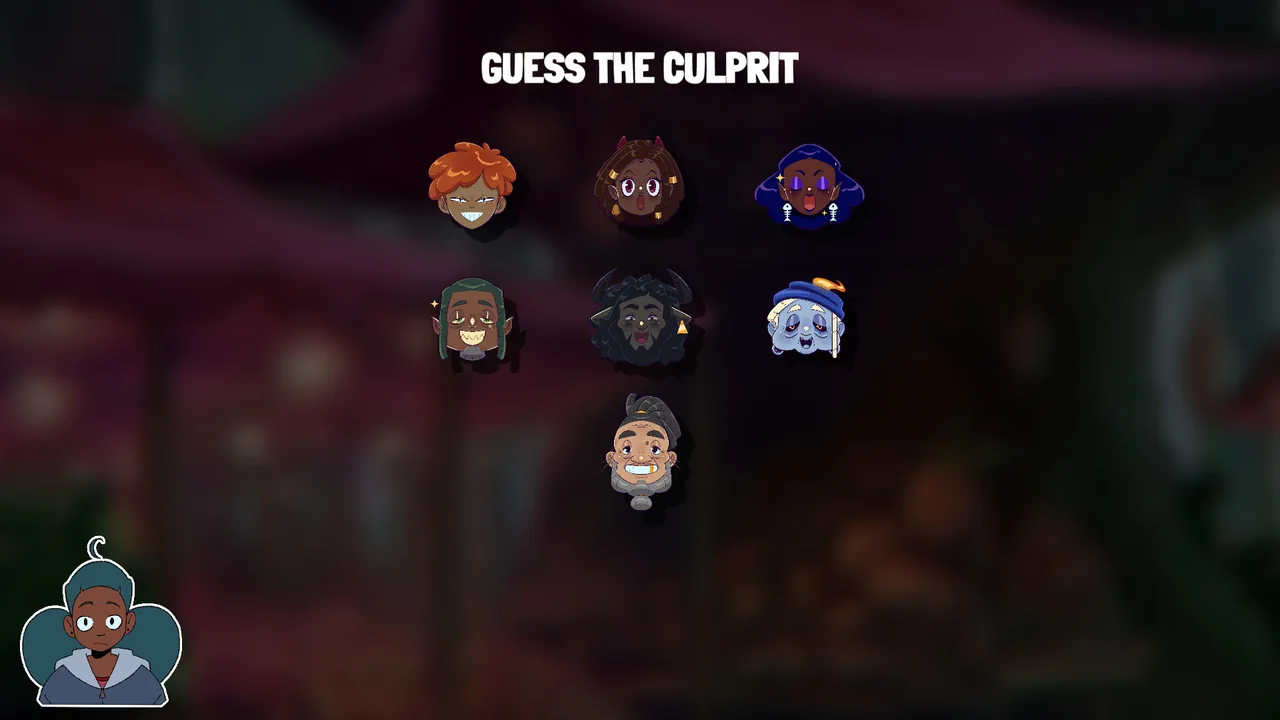
Duppy Detective TashiaImage: Spritewrench via Steam -
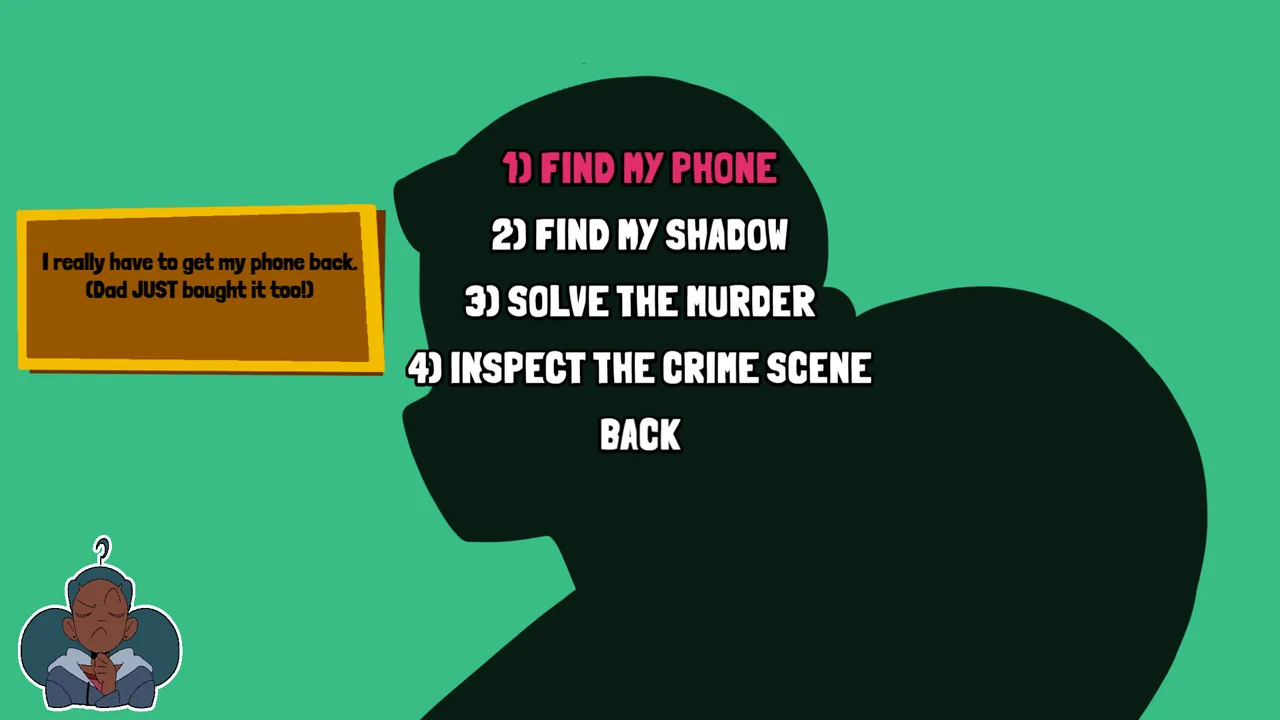
Duppy Detective TashiaImage: Spritewrench via Steam