Game review
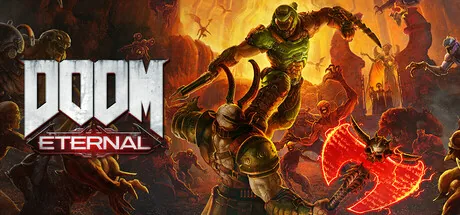
DOOM Eternal
8.5 / 10
- Developer
- id Software
- Publisher
- Bethesda Softworks
- Released
- 19 March 2020
- Platforms
- Windows
- Genre
- Action
- Monetisation
- One-time purchase; The Ancient Gods story DLC and a cosmetic pack sold separately
- Players
- Single-player campaign; separate multiplayer modes also included
The short version
DOOM Eternal is id Software's sequel to 2016's DOOM reboot, a fast, ultraviolent first-person shooter sending the Doom Slayer to fight demonic invasions across Earth and beyond. It sits at 91% positive ("Very Positive") across 134,335 English-language Steam reviews, and this review read the 100 most-helpful negative reviews alongside the 100 most recent English reviews.
The presentation draws close to universal praise — even the most critical reviewers this review read call the music, environments and movement excellent. What divides the negative sample is a genuine design-philosophy argument: several veteran reviewers say Eternal's forced resource-juggling (constant ammo scarcity pushing players toward the chainsaw, health tied to glory kills, armor tied to the flame belch) turns combat into what one calls a "checklist" rather than the more instinctive, freeform fighting of 2016's DOOM. Two separate, well-documented controversies also appear repeatedly: a May 2020 scandal over a kernel-level Denuvo Anti-Cheat driver installed without clear disclosure, which id Software removed after backlash reviewers confirm was resolved; and an ongoing, years-long protest pattern — 12 of the 100 negative reviews read specifically cite it — over id Software and Bethesda's publicly documented dispute with composer Mick Gordon.
Biggest strengths
- Music, environments and movement draw close to universal praise, including from reviewers who ultimately don't recommend the game for other reasons
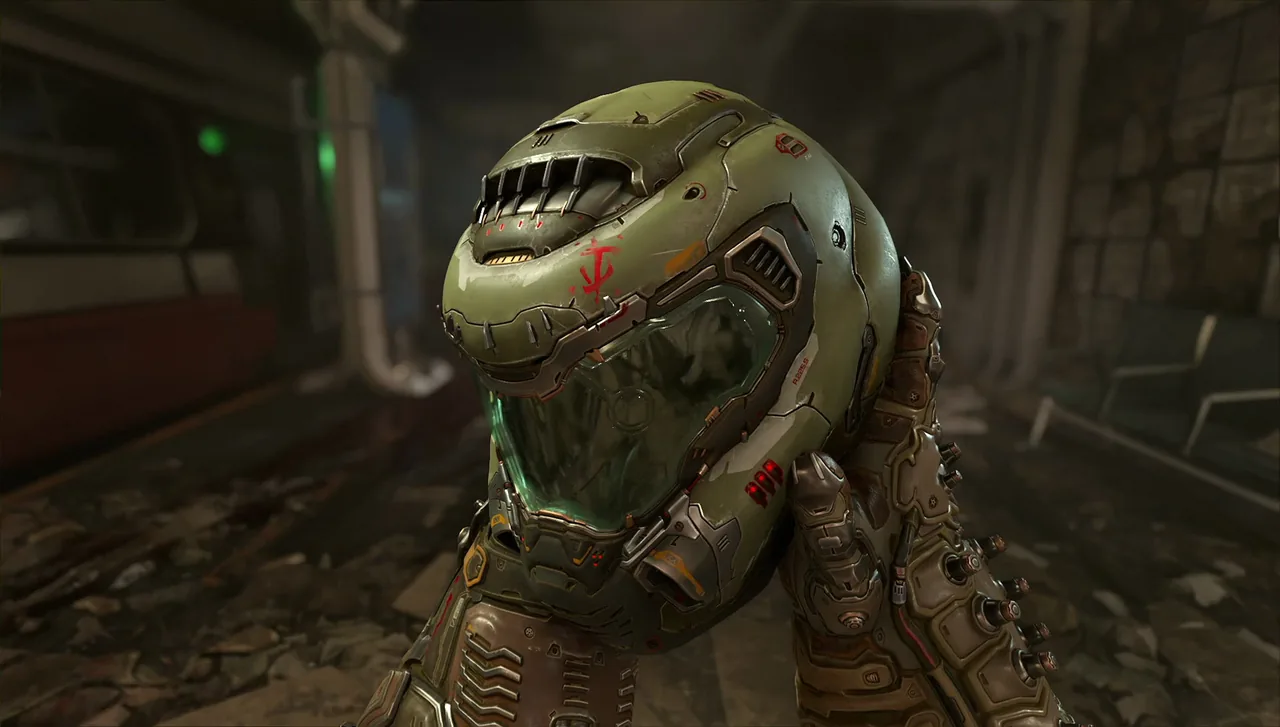
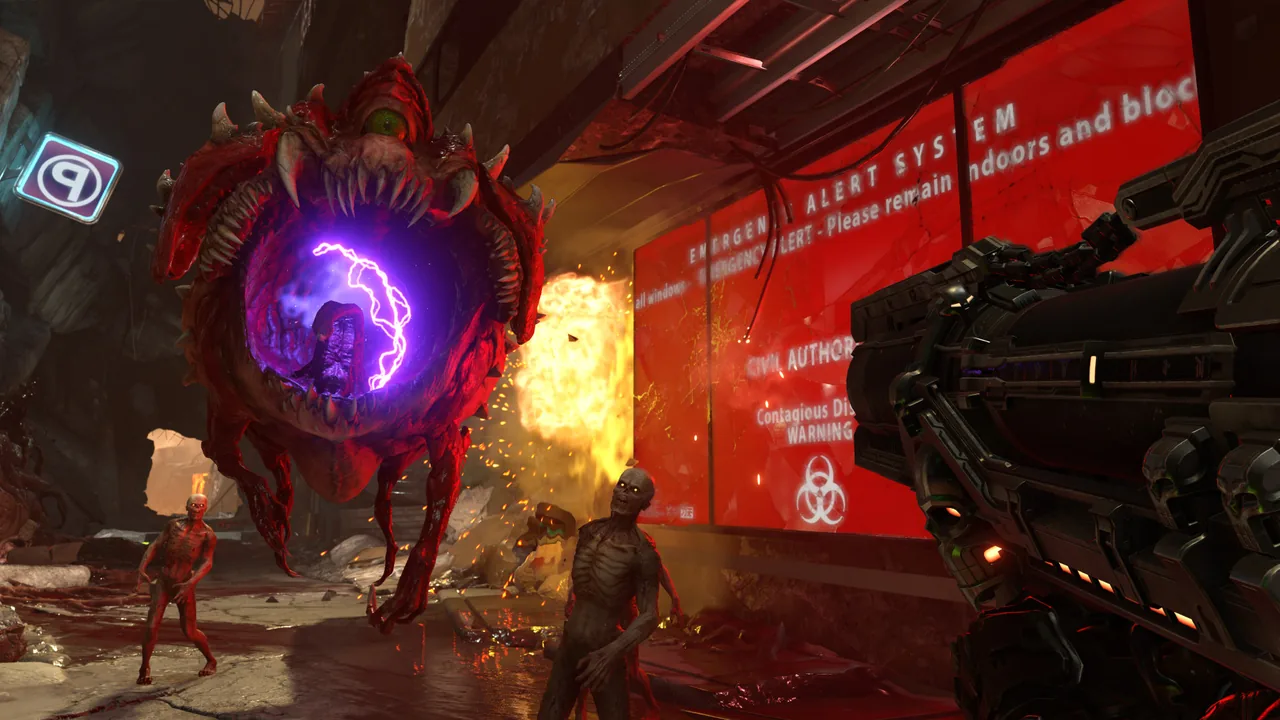
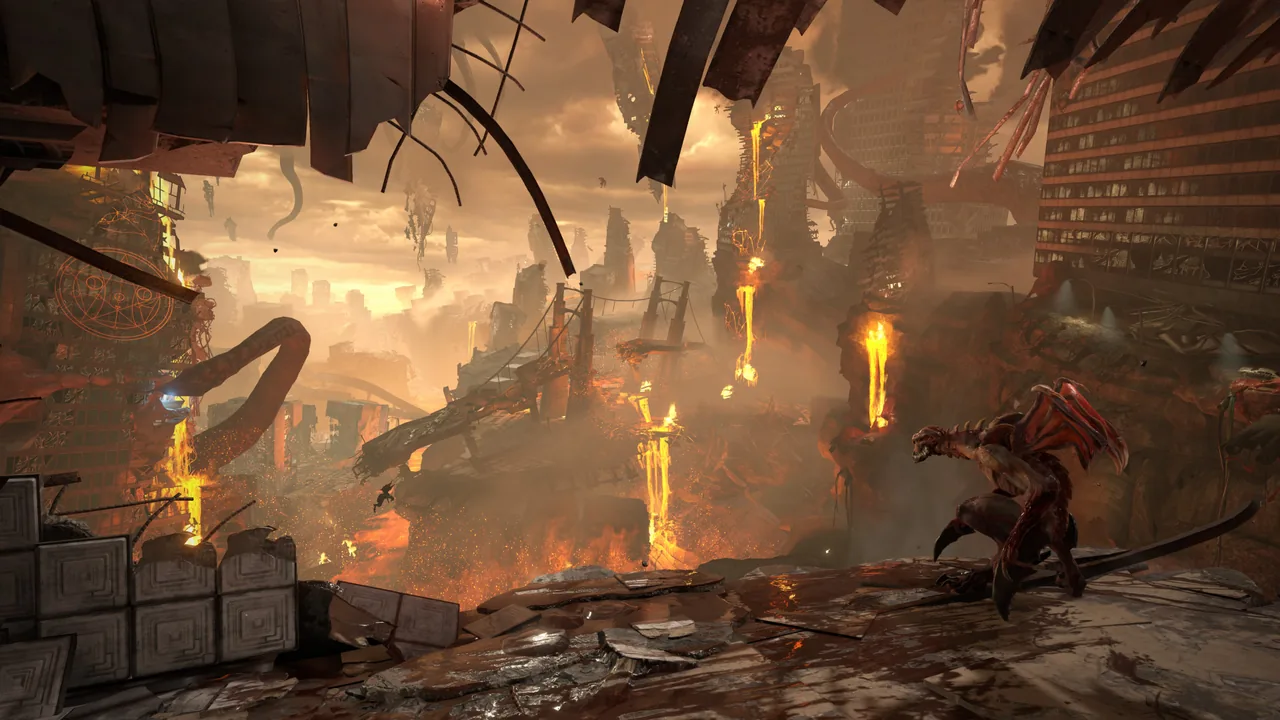
- Genuinely spectacular, technically excellent presentation running on id Tech 7, reviewers on both sides of the score credit as a step up from 2016's DOOM
- Frequently and deeply discounted (67% off at time of writing), with continued support including a PC mods update added in August 2025
Biggest weaknesses
- A genuine design-philosophy split: several veteran reviewers argue Eternal's forced resource-juggling (ammo scarcity pushing chainsaw use, health tied to glory kills, armor tied to flame belch) makes combat feel like "a checklist" rather than the freer, more instinctive fighting of 2016's DOOM
- A May 2020 scandal over a kernel-level Denuvo Anti-Cheat driver installed without clear disclosure remains a documented part of the game's history, even though it was later removed
- 12 of the 100 negative reviews read specifically withhold recommendation over id Software and Bethesda's publicly documented treatment of composer Mick Gordon, a protest pattern that has persisted for years rather than fading
Who it's for: Fast-paced shooter fans who want one of the genre's most spectacular recent presentations, and are open to a more structured, resource-management-driven combat loop than DOOM 2016's looser style.
Our recommendation: A genuinely excellent shooter worth playing for the combat, movement and music alone — go in aware some veterans prefer 2016's freer approach, and that a meaningful share of reviewers withhold their recommendation specifically over id Software's treatment of its composer rather than the game itself.
8.5 / 10
Introduction
DOOM Eternal is id Software's sequel to 2016's DOOM reboot, published by Bethesda Softworks and released on 19 March 2020 at NZ$51.95. It sends the Doom Slayer to fight demonic invasions across a fallen Earth and beyond, built on id Tech 7 with a heavier emphasis on movement, resource management and platforming than its predecessor. It sits at 91% positive ("Very Positive") across 134,335 English-language Steam reviews. This review read the 100 most-helpful negative reviews of 12,113 total, plus a sample of the 100 most recent English reviews.
Presentation almost nobody disputes
The single most consistent element across this review's negative sample is praise for the craft. "The presentation is phenomenal. They really hit it out of the park with the gun models, the environments and the music," reads the single most-upvoted negative review, before pivoting entirely to a different complaint. Reviewers marking the game down repeatedly single out the score specifically — a detail that becomes directly relevant to one of this review's other findings.
A combat redesign that splits veterans
The clearest design argument in this review's negative sample concerns how combat itself changed from 2016. "Doom Eternal tells you how you should play the game and punishes when you don't, unlike its predecessor which gave you the tools and told you 'go on, have fun!' Combat feels like a chore," reads one detailed review. The most-upvoted negative review explains the specific mechanic: "There are no ammo drops... instead, you're constantly without ammo until you use the chainsaw on an enemy," describing a resource loop (ammo scarcity forcing chainsaw use, health tied to glory kills, armor tied to the flame belch) several reviewers argue turns fights into a checklist rather than the more instinctive combat of the previous game. This isn't a rejection of the game's quality — several of the same reviewers rate the music, art and technical execution highly — but a specific argument about what made the predecessor's combat feel better to them.
A resolved controversy: the 2020 anti-cheat scandal
A cluster of May 2020 reviews describe a genuine scandal: id Software quietly added Denuvo Anti-Cheat, software using a kernel-level driver, to the single-player game without clear disclosure. "The game implemented Denuvo Anti Cheat... using kernel-level drivers and therefore setting the computer system at high risk. This was not present and/or known before/at the time of purchase," reads one detailed review. Another, more bluntly: "FREE Bonus rootkit with the latest update." This review found the resolution documented in the same reviewers' own words: "So they removed it, good," reads an edit on that second review, confirming id Software walked the software back after the backlash — a genuinely resolved technical controversy, even though it remains part of the game's documented history.
An ongoing protest: the Mick Gordon dispute
The more durable pattern in this review's negative sample is a specific, years-long protest: 12 of the 100 negative reviews read explicitly withhold recommendation over id Software and Bethesda's publicly documented treatment of composer Mick Gordon, whose work the same reviewers frequently praise as the game's best element. "VERY GOOD GAME WOULD RECOMMEND! Thumbs down until the composer Mick Gordon gets his earned respect from Bethesda," reads one, from December 2022. A May 2025 review makes the same choice nearly three years later: "Doom Eternal is a good game, probably my favorite FPS campaign ever... So, why don't I recommend it? Because id Software didn't pay Mick Gordon for over half of the music used in game." This review is reporting these reviewers' stated reasons rather than adjudicating the underlying labour dispute itself, which was made public by Gordon's own account and has been widely covered in games press. What's notable is the durability of the pattern — this specific protest recurs from 2022 through 2025 without visibly fading, unlike most launch-era controversies in this review's sample.
Verdict
DOOM Eternal remains a technically and artistically excellent shooter — presentation, movement and especially music draw praise even from reviewers who ultimately mark the game down. What tempers the score is a mix of a genuine, arguable design choice (resource-management combat some veterans find more restrictive than 2016's freer style) and two real controversies with very different shapes: a kernel-level anti-cheat scandal id Software resolved by removing the software, and an ongoing, years-long protest over its treatment of composer Mick Gordon that a meaningful share of reviewers are still actively choosing to register with their score. Worth playing for the combat and music alone — the rest is a matter of taste and, for some players, principle.
Pros and cons
Pros
- Music, environments and movement draw close to universal praise, including from reviewers who ultimately don't recommend the game for other reasons
- Genuinely spectacular, technically excellent presentation running on id Tech 7, reviewers on both sides of the score credit as a step up from 2016's DOOM
- Frequently and deeply discounted (67% off at time of writing), with continued support including a PC mods update added in August 2025
- The kernel-level Denuvo Anti-Cheat controversy that dominated launch-week reviews was resolved — id Software removed it, and this review found reviewers confirming that in their own updated reviews
Cons
- A genuine design-philosophy split: several veteran reviewers argue Eternal's forced resource-juggling (ammo scarcity pushing chainsaw use, health tied to glory kills, armor tied to flame belch) makes combat feel like "a checklist" rather than the freer, more instinctive fighting of 2016's DOOM
- A May 2020 scandal over a kernel-level Denuvo Anti-Cheat driver installed without clear disclosure remains a documented part of the game's history, even though it was later removed
- 12 of the 100 negative reviews read specifically withhold recommendation over id Software and Bethesda's publicly documented treatment of composer Mick Gordon, a protest pattern that has persisted for years rather than fading
- A smaller cluster criticise the game's platforming-heavy level design as an awkward fit for a first-person shooter
Screenshots
-
DOOM EternalImage: Bethesda Softworks via Steam -
DOOM EternalImage: Bethesda Softworks via Steam -
DOOM EternalImage: Bethesda Softworks via Steam -
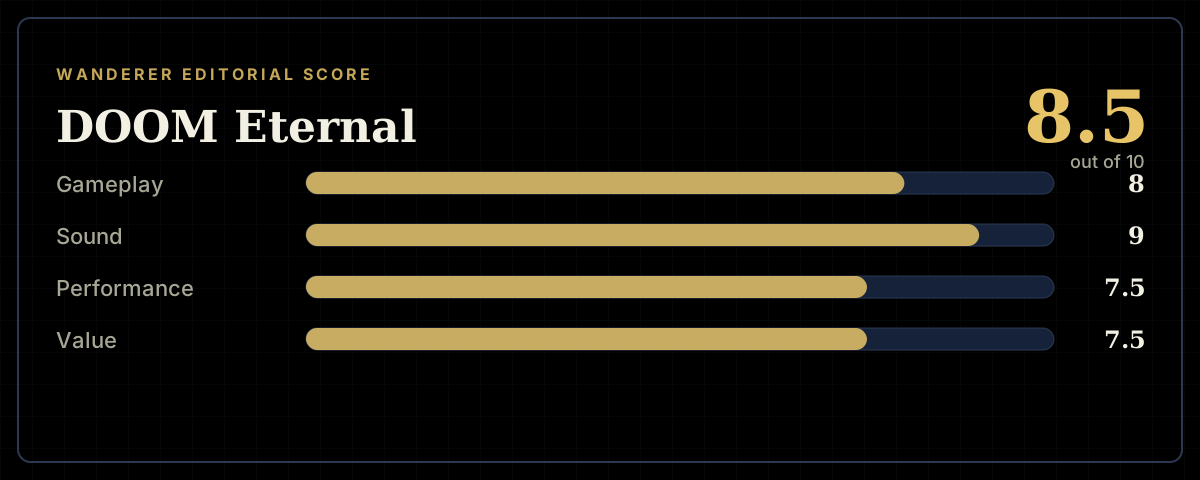
How the review scores each part of the gameWanderer Editorial -
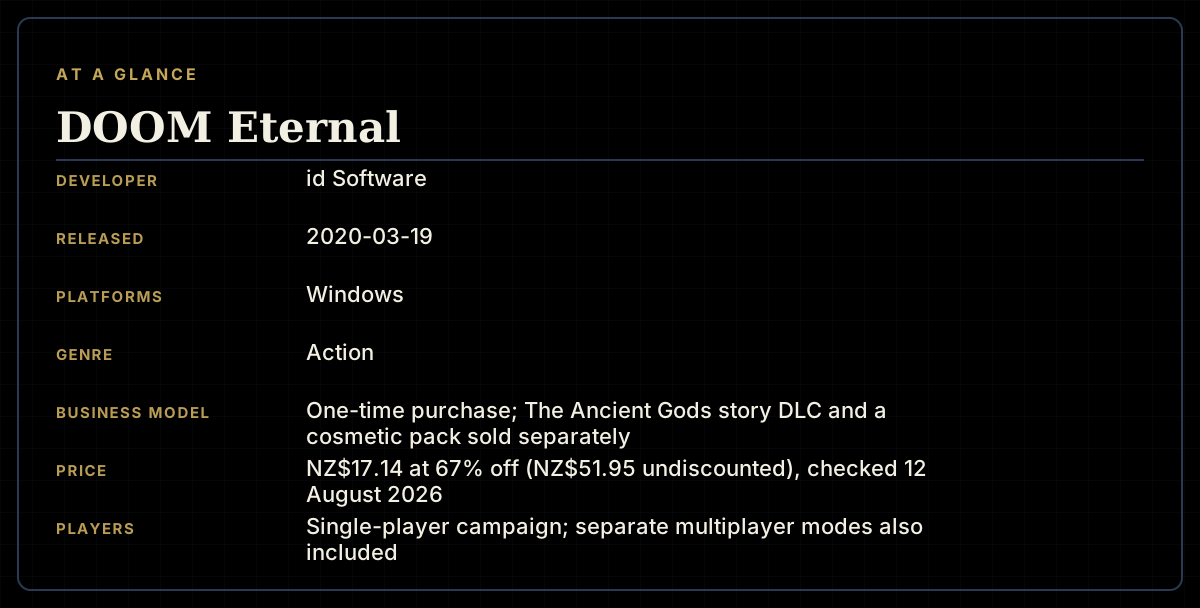
The essentials at a glanceWanderer Editorial -
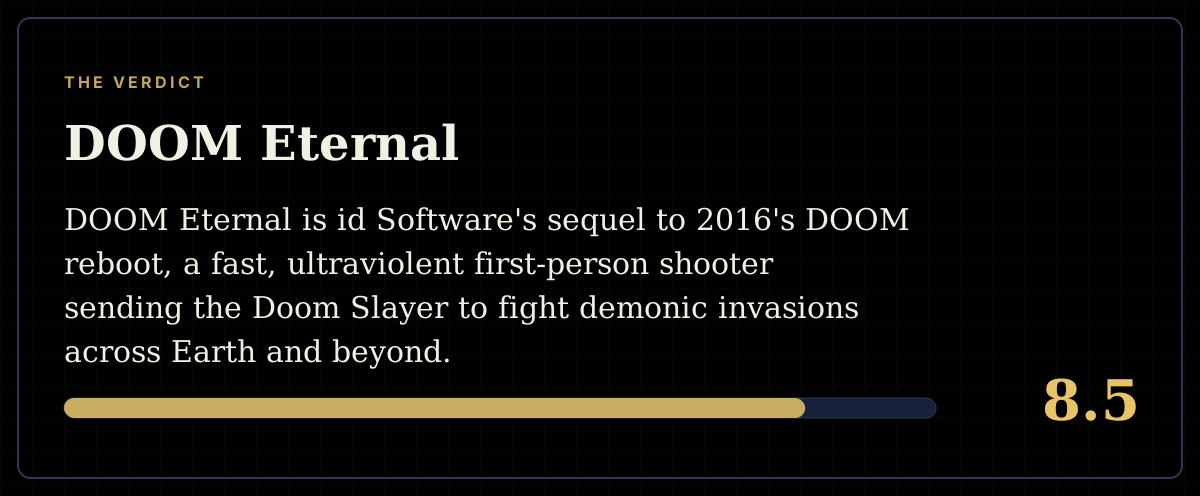
The short versionWanderer Editorial