
Game review
Disgaea Mayhem
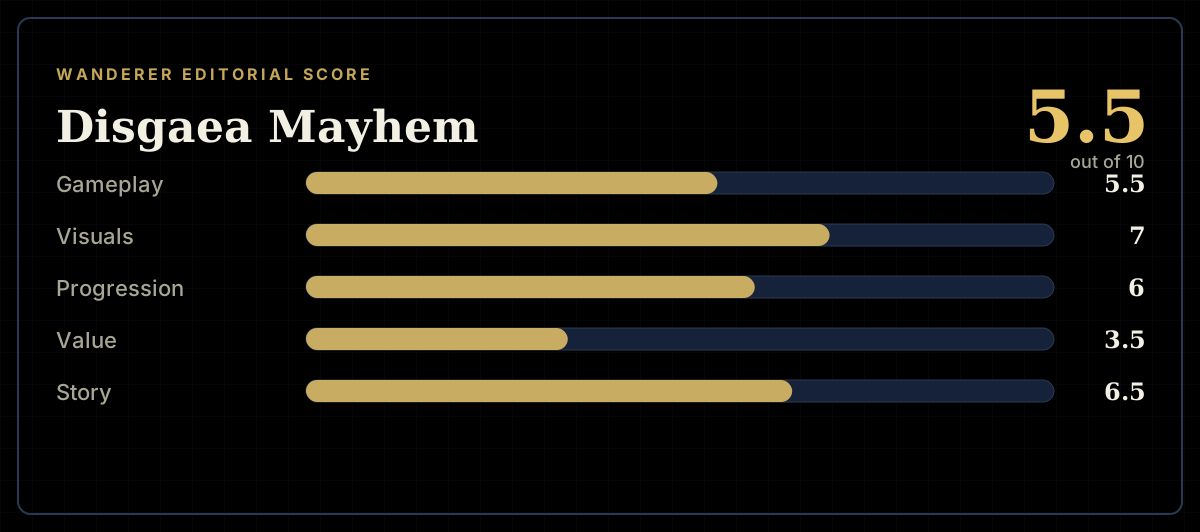
5.5 / 10
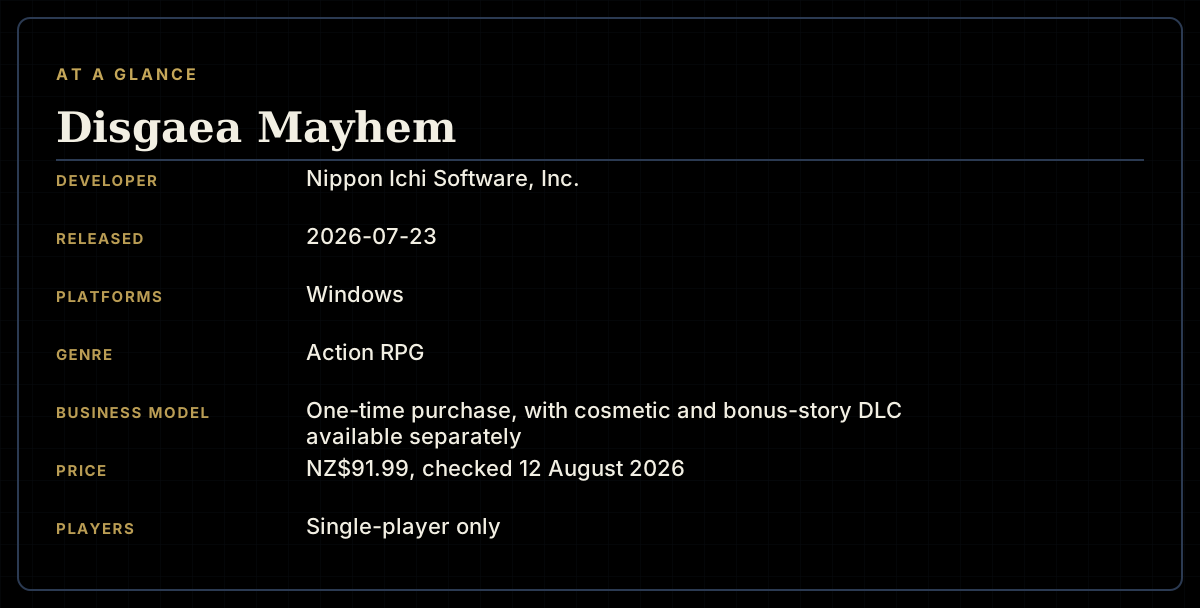
- Developer
- Nippon Ichi Software, Inc.
- Publisher
- NIS America, Inc.
- Released
- 23 July 2026
- Platforms
- Windows
- Genre
- Action RPG
- Monetisation
- One-time purchase, with cosmetic and bonus-story DLC available separately
- Players
- Single-player only
The short version
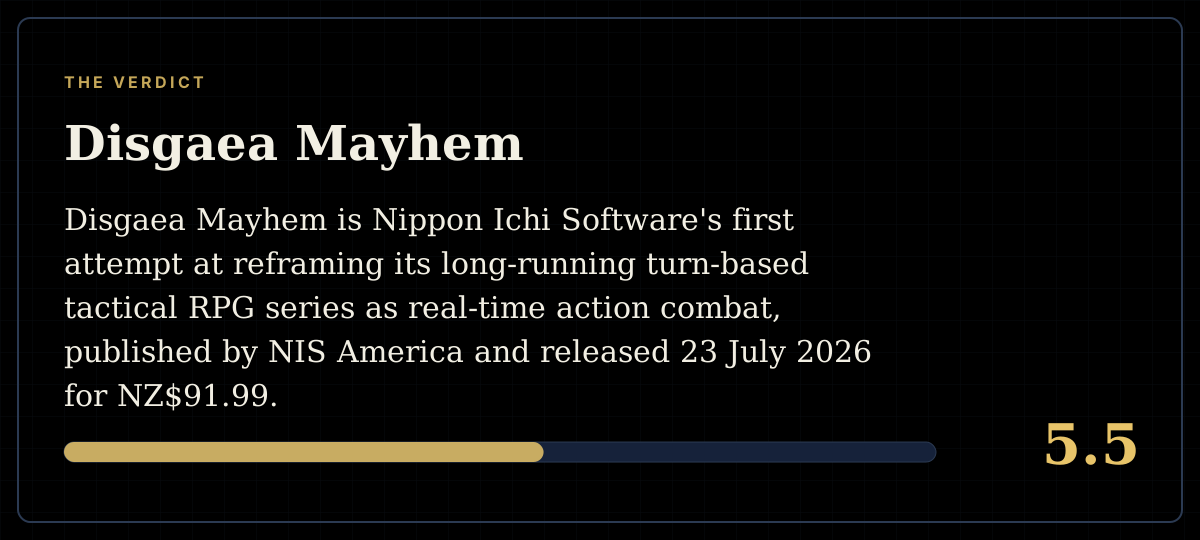
Disgaea Mayhem is Nippon Ichi Software's first attempt at reframing its long-running turn-based tactical RPG series as real-time action combat, published by NIS America and released 23 July 2026 for NZ$91.99. The pitch is a genuine experiment: keep the series' Item World grinding, reincarnation systems and trademark absurdist humour, but replace the grid-based tactics combat with hack-and-slash, skill-spam action. At 32 English-language reviews and a Mixed score (~62.5% positive), the reception splits in a specific and informative way — longtime series fans who reviewed it largely say the identity of Disgaea survived the genre change intact, while a separate, equally sustained complaint thread argues the full asking price is unjustifiable for a four-to-five-hour main campaign built around a single playable protagonist, a real reduction from the series' usual roster-driven structure.
Biggest strengths
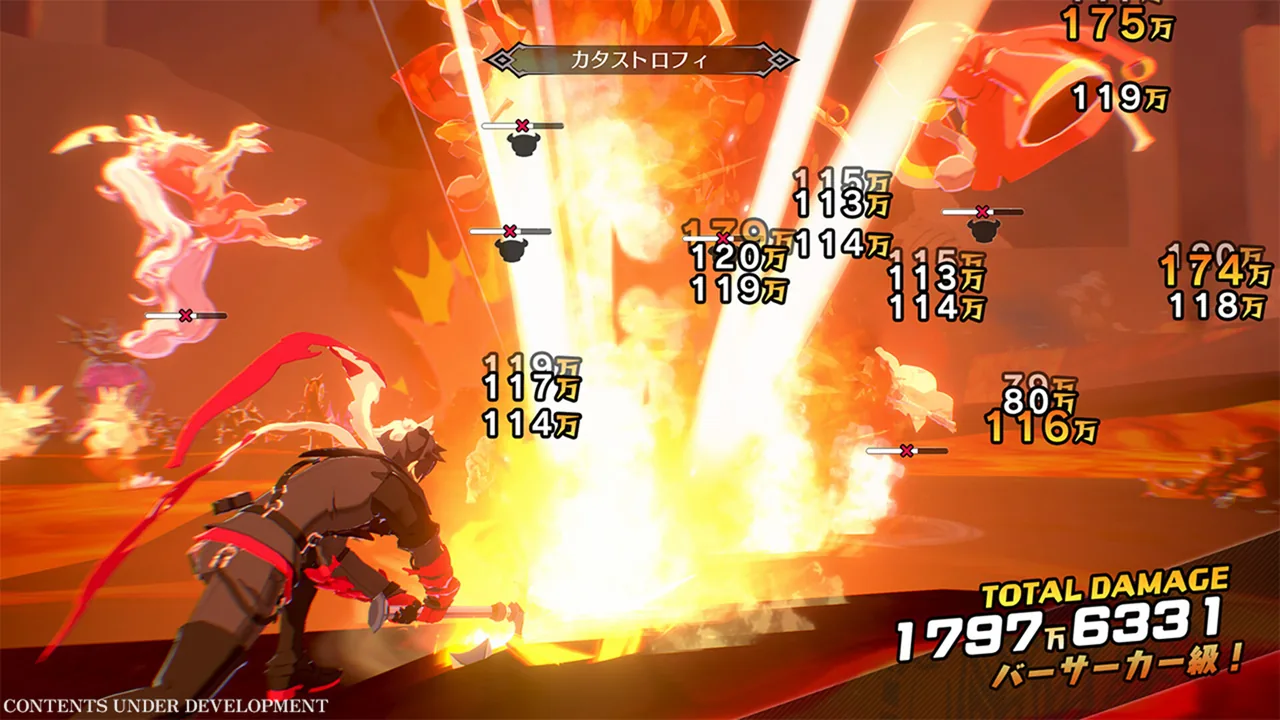
- Longtime series fans in the review sample consistently say Disgaea Mayhem "still feels like Disgaea" — the humour, Item World grinding and escalating numbers identity carried over despite the combat overhaul
- The buddy/monster companion system and Magichange mechanics translate the series' signature ideas into the new action format in a way several reviewers specifically credit as well-implemented rather than a token gesture
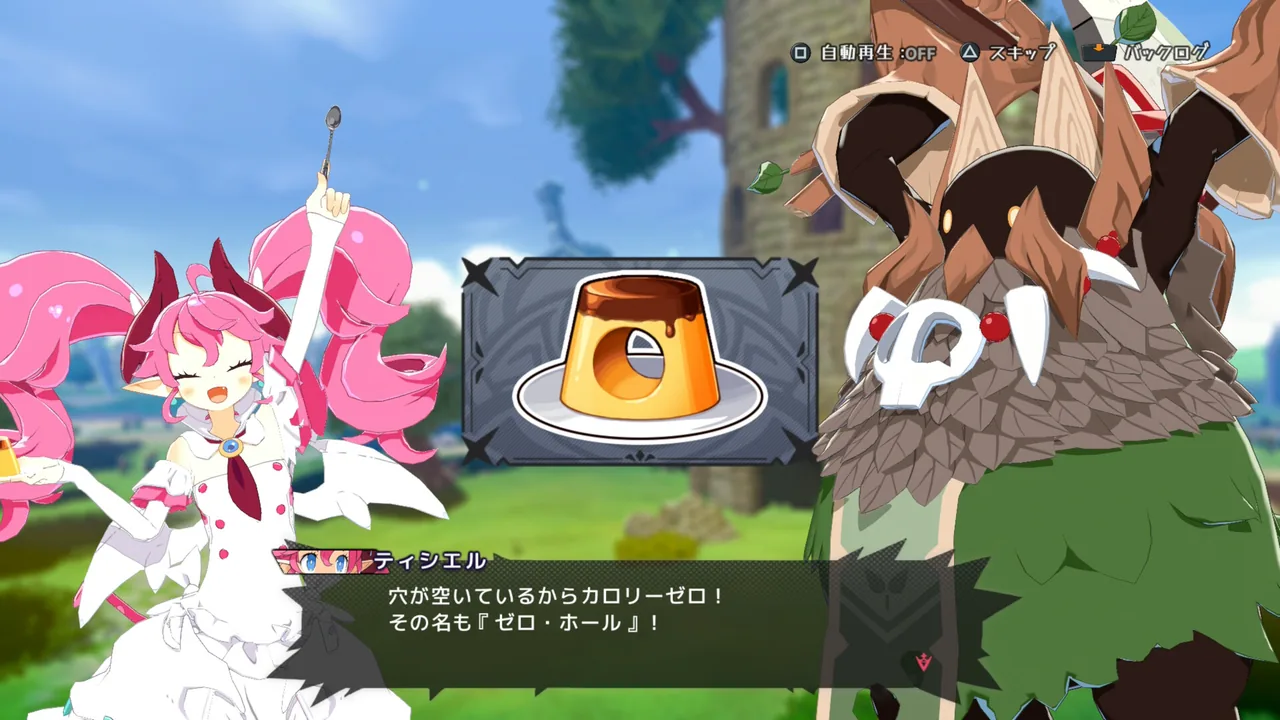
- 3D character designs and art direction draw genuine praise, with some reviewers noting improved proportions over recent mainline entries
Biggest weaknesses
- A near-universal complaint across the negative sample: the main story campaign runs roughly four to five hours, which a large share of reviewers — including several who otherwise enjoyed the game — argue does not justify a NZ$91.99 asking price
- Only one playable protagonist is available, a significant structural reduction from the series' traditional roster-based party structure that several longtime fans specifically flag as a loss rather than a streamlining
- Multiple reviewers describe the action combat itself as repetitive button-mashing with limited tactical depth, with one directly comparing it unfavourably to musou (hack-and-slash) genre conventions rather than crediting it as a fresh tactical experience
Who it's for: Established Disgaea and NIS fans curious how the series translates to action combat, and who can accept a shorter, narrower campaign than mainline entries; not recommended as an entry point for newcomers, and a hard sell for anyone weighing content volume against price.
Our recommendation: A genuinely interesting genre experiment that keeps the series' soul intact according to its own longtime audience, undercut badly by a campaign length and content scope that doesn't match its full asking price — wait for a deep discount unless you're already invested in the franchise.
5.5 / 10
Introduction
Disgaea has spent two decades as one of the defining names in turn-based tactical RPGs — grid-based combat, absurd number inflation and a grinding endgame built around the Item World. Disgaea Mayhem throws that formula's central mechanic out entirely: developed by Nippon Ichi Software and published by NIS America, it releases the series' first real-time action combat entry, released 23 July 2026 at NZ$91.99. Everything else the series is known for — Item World, reincarnation, Magichange, the self-aware humour — stays in the picture, wrapped around hack-and-slash, skill-spam action instead of grid tactics. Three weeks after launch it sits at 32 English-language reviews, Mixed at roughly 62.5% positive, a small enough sample that this review reads it in full: every negative review and every positive one currently on record.
The identity test, and the fans who say it passed
The single most useful thing about a small, mostly-veteran review sample like this one is that it's disproportionately made up of people qualified to answer the question that actually matters for a series pivot: does it still feel like Disgaea? And the answer from this sample's longtime fans is a clear, specific yes. One reviewer with 492 hours logged put it simply: "It still feels like Disgaea to me, and I'm glad for that. Big numbers, funny moments, great designs, grinding." Another, at 844 hours and describing the franchise as their favourite series, characterised it precisely as "a main line Disgaea game, except replace typical JSRPG combat with hack and slash, skill spam combat" — a description that reads like relief rather than disappointment. A third reviewer, a self-described "long time Disgaea fan, well most all NIS titles actually" with 2,437 hours across the developer's catalogue, specifically praised the decision to focus on one controllable character paired with the buddy system as "an awesome choice" rather than a compromise. That's meaningful corroboration from exactly the audience most likely to notice if the series' soul got lost in translation.
What actually carried over
The mechanical throughline reviewers credit most is the Item World — the series' signature procedurally-generated grinding dungeons, where players level up gear by descending into it directly rather than through a menu screen. Its presence and apparent quality in the action format draws specific praise rather than being taken for granted, alongside the reincarnation systems and escalating numbers that have always been part of Disgaea's particular appeal to players who enjoy watching stats climb into the absurd. The buddy and monster companion system, built around the series' Magichange mechanic — characters fusing with monster allies to gain new abilities — gets singled out as a genuine translation of an established idea into the new combat format rather than a cosmetic nod to what came before. Character designs in 3D also draw real praise, with at least one reviewer noting improved proportions compared to recent mainline entries.
Where the experiment strains
Set against that, the negative sample's most common complaint isn't about identity at all — it's about value. Ten of the negative reviews in this sample raise the price directly, and the specific number attached to the complaint is consistent: a main story campaign lasting roughly four to five hours, sold at a price point comparable to full-length RPGs several times that length. One of the most-voted reviews in the whole sample — 384 votes on a review from a player with 524 hours logged across their history — called it "the most overpriced game I've ever seen," and specifically noted that "almost every single level in the entire game is interchangeable," a complaint about content variety that compounds the length issue rather than standing apart from it. Crucially, this isn't purely a hostile-outsider complaint: one reviewer who described the grind as "satisfying as usual in a Disgaea game" — clear evidence of enjoying the actual experience — still called the roughly NZ$91.99-equivalent price "completely unreasonable" in the same review. When praise and price criticism land in the same sentence from the same player, that's a stronger signal than either complaint alone.
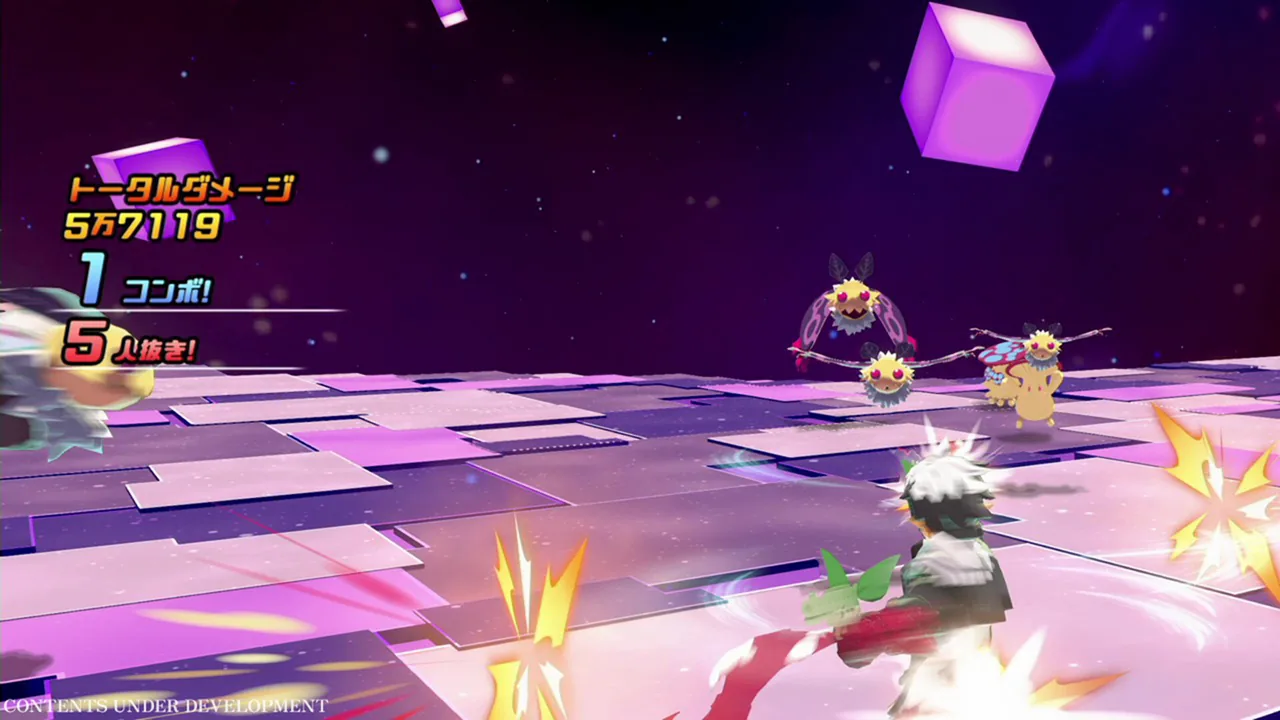
The combat itself draws real skepticism too, distinct from the length complaint. Several reviewers describe it as repetitive button-mashing without the tactical depth the series built its reputation on, and one draws a specific, unflattering genre comparison: "It's just endless button mashing with almost nothing interesting happening... This just isn't a good musou game" — filing it alongside Dynasty Warriors-style hack-and-slash titles rather than crediting it as a successful tactical translation. That comparison cuts in a particular direction: it suggests the game isn't failing to be Disgaea so much as it's succeeding at being Disgaea while also being a fairly ordinary example of the action genre it borrowed from, and asking a premium RPG price for what reads, in combat terms, as a mid-tier musou.
The structural reduction to a single playable protagonist is the other point of real disagreement. Where one veteran fan called the focus "an awesome choice," others in the same sample read it as a genuine loss of what made the series' party-based structure distinctive — Disgaea has traditionally let players build and level an entire roster of eccentric characters, and narrowing that down for the action format is exactly the kind of trade-off reasonable fans of the same series can land on differently. Layer onto that a cluster of reported technical issues specifically affecting Steam Deck performance — graphical glitches reviewers describe as making the handheld experience currently unplayable — and the launch reads as rougher than a major publisher's flagship-adjacent release should be.
Final Verdict
Disgaea Mayhem passes the test that mattered most going in: the series' own longtime audience largely agrees the humour, the grind, and the particular flavour of absurdist number-chasing survived the move to real-time action combat. That's a genuine achievement for a franchise pivot this significant, and it deserves credit on its own terms. What keeps this from being an easy recommendation is everything around that core identity — a four-to-five-hour campaign, one playable protagonist instead of a full roster, combat several reviewers describe as closer to an average musou than a distinctive tactical experience, and a full NZ$91.99 price tag that a meaningful share of even the game's own fans argue doesn't fit what's actually on offer. Worth trying for series veterans curious about the experiment, but this reads as a title to catch on a deep sale rather than one to buy the moment it launches.
Pros and cons
Pros
- Longtime series fans in the review sample consistently say Disgaea Mayhem "still feels like Disgaea" — the humour, Item World grinding and escalating numbers identity carried over despite the combat overhaul
- The buddy/monster companion system and Magichange mechanics translate the series' signature ideas into the new action format in a way several reviewers specifically credit as well-implemented rather than a token gesture
- 3D character designs and art direction draw genuine praise, with some reviewers noting improved proportions over recent mainline entries
- The core action combat loop is described as satisfying and addictive by reviewers who came in receptive to the genre change, rather than only tolerating it
Cons
- A near-universal complaint across the negative sample: the main story campaign runs roughly four to five hours, which a large share of reviewers — including several who otherwise enjoyed the game — argue does not justify a NZ$91.99 asking price
- Only one playable protagonist is available, a significant structural reduction from the series' traditional roster-based party structure that several longtime fans specifically flag as a loss rather than a streamlining
- Multiple reviewers describe the action combat itself as repetitive button-mashing with limited tactical depth, with one directly comparing it unfavourably to musou (hack-and-slash) genre conventions rather than crediting it as a fresh tactical experience
- Reported technical issues cluster specifically around Steam Deck performance, with graphical glitches severe enough that some reviewers call the handheld experience currently unplayable
Screenshots
-
Disgaea MayhemImage: NIS America, Inc. via Steam -
Disgaea MayhemImage: NIS America, Inc. via Steam -
Disgaea MayhemImage: NIS America, Inc. via Steam -
How the review scores each part of the gameWanderer Editorial -
The essentials at a glanceWanderer Editorial -
The short versionWanderer Editorial