
Game review
DeadCore Redux
7 / 10
- Developer
- 5 Bits Games
- Publisher
- 5 Bits Games
- Released
- 15 January 2026
- Platforms
- Windows
- Genre
- Action, Indie
- Monetisation
- One-time purchase
- Players
- Single-player only
The short version
DeadCore Redux rebuilds 5 Bits Games' 2014 first-person speedrun-platformer from the ground up, overhauling its visuals and sound, adding a brand-new sixth level, and tightening a run of quality-of-life features, all while keeping the original's precise, momentum-driven movement fully intact. Its Very Positive Steam rating reflects a review sample dominated by returning fans who say the core platforming still holds up a decade later and that the new level and polish are a genuine, welcome addition. Set against that is a smaller but specific set of technical complaints — inconsistent framerate, audio bugs, and a disorienting camera during the game's signature gravity-flip sections — plus an open question several reviewers raise directly: whether this remaster offers enough over the original, which remains available and cheaper on Steam.
Biggest strengths
- Movement and level design reviewers repeatedly call excellent a decade on, with precise dashes, jumps, and gravity-shifting mechanics that reward learning routes and shaving time off runs
- A genuinely new sixth level added exclusively to the Redux version, which multiple reviewers single out as a strong, appropriately challenging capstone to the original five-level campaign
- A substantial visual and audio overhaul that reviewers describe as making already-strong atmosphere and skybox art genuinely shine, particularly at higher settings
Biggest weaknesses
- Inconsistent framerate reported by multiple reviewers, including swings from over 150fps down to roughly 30fps within a few in-game metres of each other, which is a specific problem in a game built around split-second precision platforming
- Recurring audio bugs acknowledged even by positive reviewers, described by one as "audio bugs galore" and by another as sound that's been "downgraded" in some areas compared to the original despite overall higher production values
- A disorienting camera during gravity-switch sections, where the abrupt reorientation makes it hard to track direction, an issue one detailed reviewer says compounds badly when multiple gravity flips chain together and single-handedly stalled their progress on one level
Who it's for: Fans of precise, momentum-based first-person platforming and speedrunning who either loved the original DeadCore or never played it, rather than players hoping for a fundamentally reworked or expanded sequel.
Our recommendation: A faithful, well-executed remaster of a genuinely excellent movement platformer, worth it for new players or longtime fans wanting to support the developers, though owners of the original should weigh the real but incremental upgrades against its price before double-dipping.
7 / 10
DeadCore Redux is exactly what its name promises: a ground-up rebuild of 5 Bits Games' 2014 first-person speedrun-platformer, in which players scale a mysterious futuristic tower using precise dashes, jumps, and gravity-defying tricks to chase down hidden Sparks scattered through hostile, branching architecture. Over a decade later, the original still has a small but devoted following, and the Redux version's Very Positive Steam rating suggests that fanbase has largely embraced the remaster — even as its review sample is unusually candid, for a mostly positive launch, about the technical rough edges that came with it.
Movement that still holds up
The overwhelming consensus across the sample, positive and negative alike, is that the core platforming remains excellent. Reviewers who played the original a decade ago describe the magic as "still there," and multiple call the movement itself a kind of puzzle to master, layering booster dashes and gravity-flips into routes that reward experimentation over the obvious path. One reviewer new to the series specifically praises how well it plays on controller despite the genre's usual keyboard-and-mouse assumption, and several note the game holds up as both an accessible ten-hour first playthrough and a speedrunning platform with real long-term depth.
What the remaster actually adds
Beyond a visual and audio overhaul reviewers broadly praise — one calls the new sound design something that "makes you feel like you're in a movie" — the headline addition is a brand-new sixth level exclusive to the Redux version. Reviewers consistently single it out as a genuinely strong capstone that raises the difficulty appropriately and gives the story's ending more weight than the original's more abrupt conclusion. Quality-of-life improvements draw specific praise too, including a quick-restart hotkey and a redesigned level-select menu, alongside a new ranking and leaderboard system for players chasing better times.
Atmosphere rebuilt, not replaced
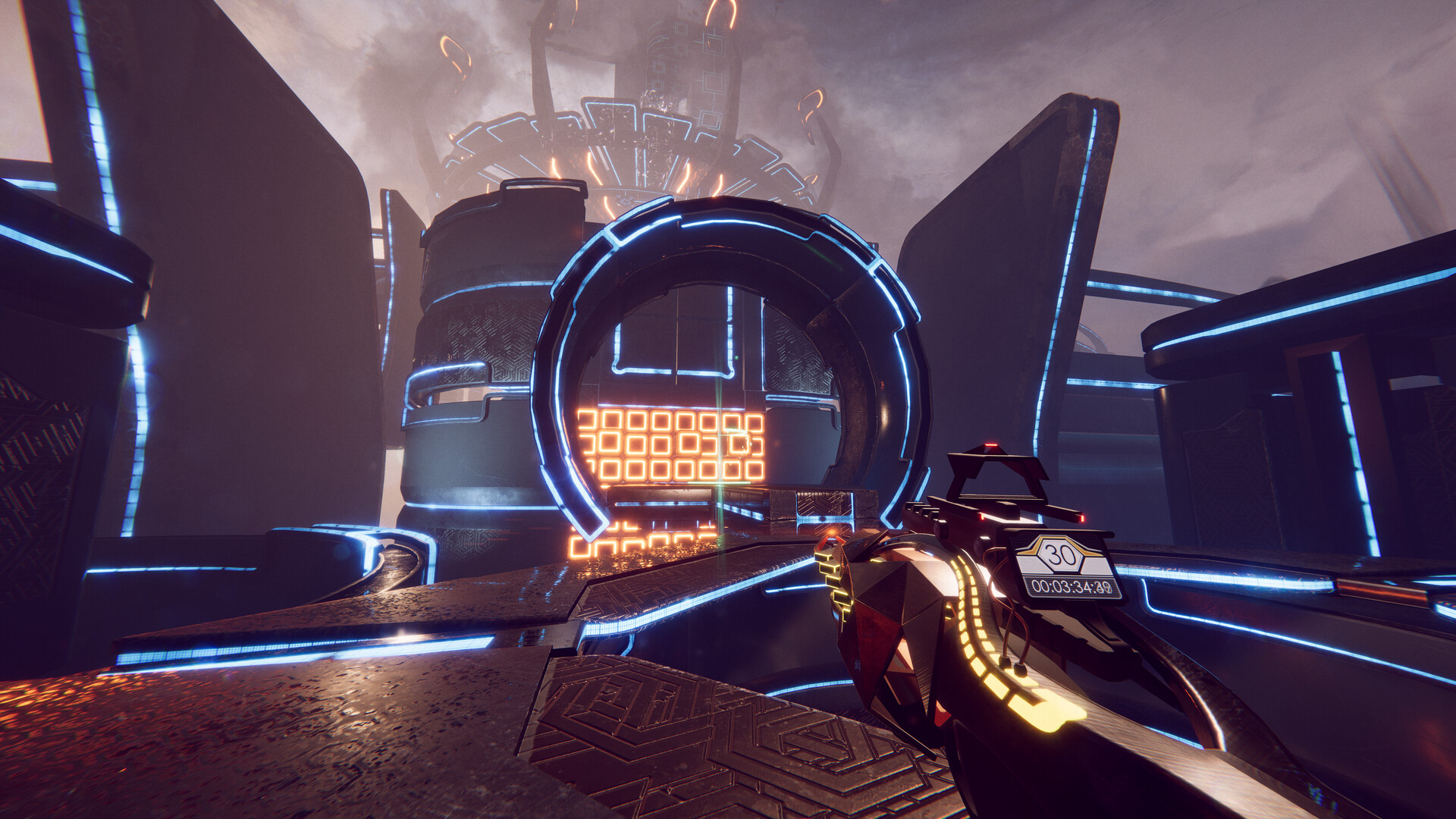
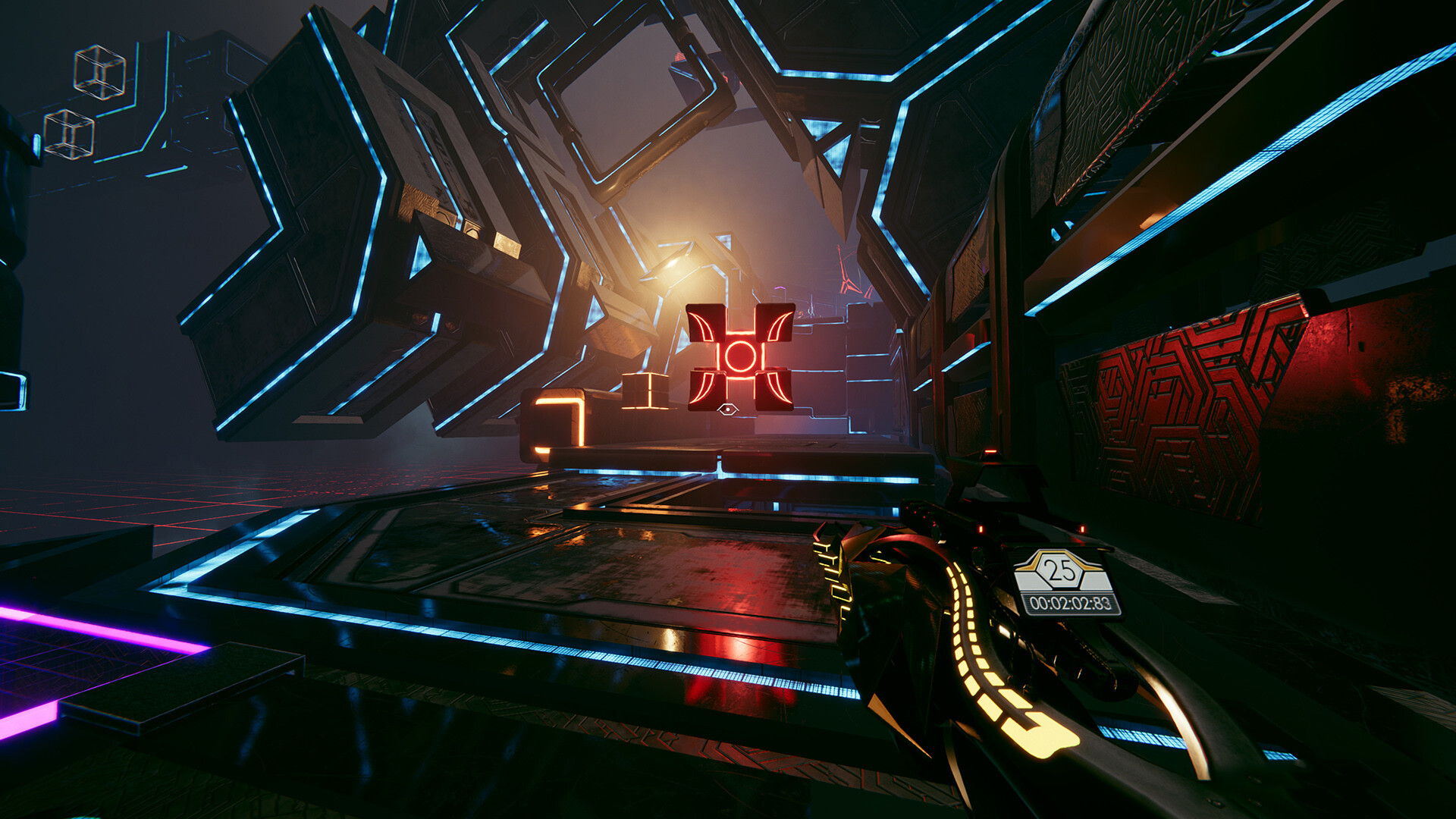
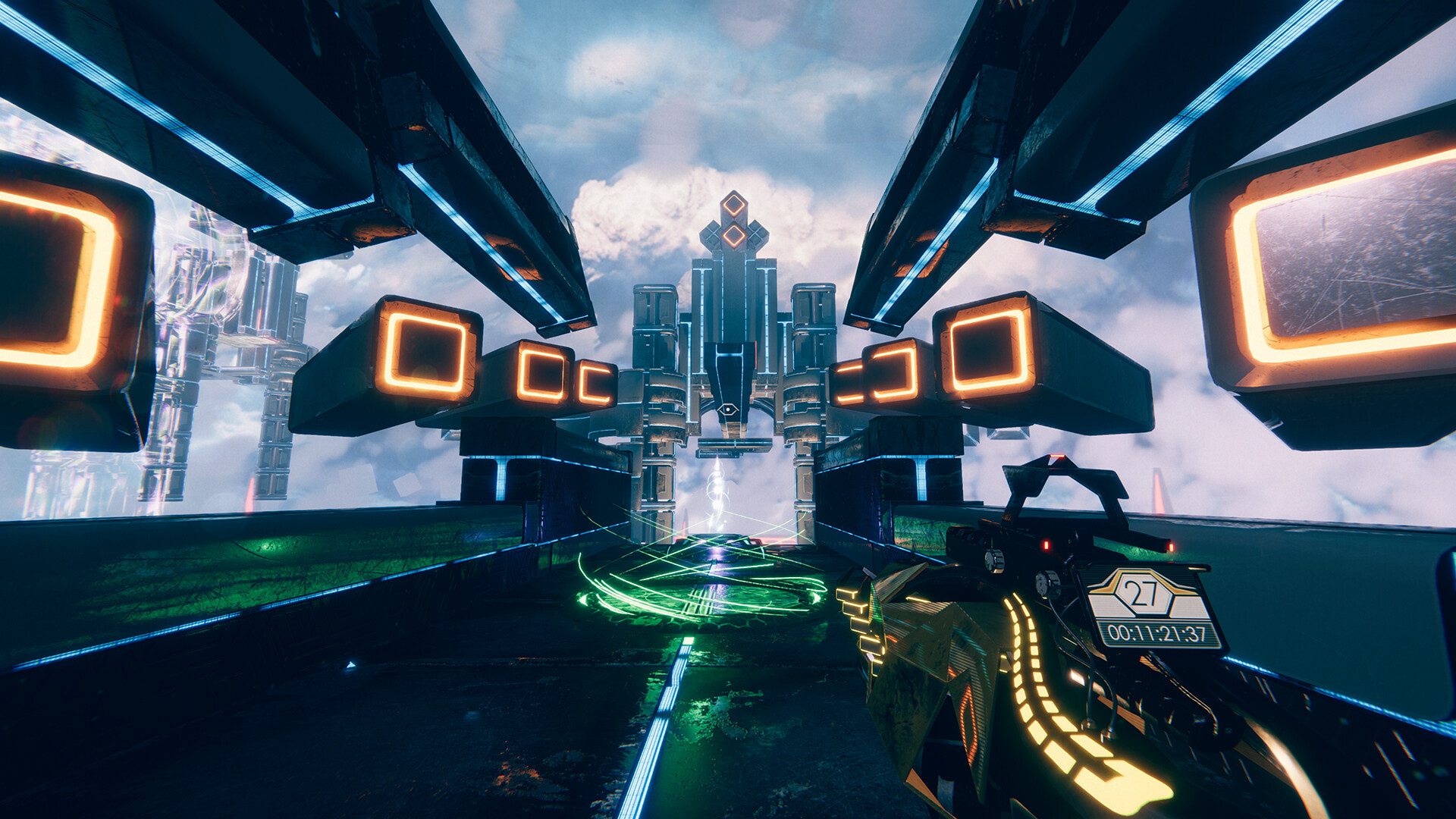
Part of what makes the visual overhaul land, according to the sample, is that it enhances the original's mood rather than replacing it. Reviewers describe the tower's brutalist architecture and open, hazy skyboxes as more striking than ever at higher settings, giving the sense of isolation that defined the original game a sharper edge without changing its identity. That continuity matters to returning fans specifically: several note they were nervous a remaster would smooth over the sparse, slightly unsettling atmosphere that made the original memorable, and are relieved to find it intact and, if anything, more atmospheric than they remembered.
Technical rough edges the sample doesn't gloss over
What keeps the sample from being uniformly glowing is a specific, repeated set of technical complaints. Framerate inconsistency is the most serious: multiple reviewers report swings from over 150fps down to around 30fps within a few metres of in-game space, a real problem in a genre built entirely around split-second precision. Audio bugs are acknowledged even inside otherwise enthusiastic reviews, with one reviewer calling them "galore" while still recommending the game overall. And one of the sample's more detailed reviews singles out the camera during the game's signature gravity-switch sections as genuinely disorienting when flips chain together in sequence, describing it as the specific point where their own progress stalled — not because the challenge was fun, but because they lost track of which way was forward.
Steam Deck and controller support
One area where the sample is close to unanimous, with barely a dissenting note, is portability. Multiple reviewers specifically call out strong performance and controls on Steam Deck, a notable result for a genre historically built around mouse-precision aiming and movement. Controller support on desktop draws similar praise, with at least one reviewer surprised at how naturally the dash-and-jump movement translates to a gamepad given how much the original leaned on keyboard-and-mouse play. Combined with the redesigned level-select menu and quick-restart hotkey, the sample paints a picture of a remaster that's paid real attention to how and where people actually play a decade-old game today, even if that attention didn't fully extend to ironing out the framerate and audio issues raised elsewhere.
Is the remaster worth it over the original?
A smaller but pointed strand of the sample raises a fair question directly: does this remaster offer enough over the original DeadCore, which remains available and cheaper on Steam? At least one reviewer argues it doesn't, recommending prospective buyers get the original instead unless they specifically want to support the developers, and a couple of others describe some physics-based effects as feeling like "an imperfect copy" rather than a fully faithful port. Most of the sample pushes back against this framing, arguing the visual and audio overhaul alone is worth the asking price and that the new level provides real additional content — but it's a genuine, reasonable point of disagreement rather than a fringe complaint, and worth knowing about before double-dipping if you already own the original.
Final Verdict
DeadCore Redux succeeds at the thing that matters most for a remaster: it hasn't touched what made the original's movement and level design so well regarded, while wrapping it in genuinely improved visuals, sound, and one strong new level. Where it falls short of a stronger score is technical polish — framerate swings and audio bugs are specific, repeated, and not what you'd expect from a decade-later remaster, and the value proposition over the cheaper original is a fair question the sample itself keeps raising rather than settling. For newcomers to precise first-person platforming, or longtime fans wanting an excuse to revisit the tower, it's an easy recommendation; owners of the original weighing whether to upgrade should go in with clear eyes about what's actually new.
Pros and cons
Pros
- Movement and level design reviewers repeatedly call excellent a decade on, with precise dashes, jumps, and gravity-shifting mechanics that reward learning routes and shaving time off runs
- A genuinely new sixth level added exclusively to the Redux version, which multiple reviewers single out as a strong, appropriately challenging capstone to the original five-level campaign
- A substantial visual and audio overhaul that reviewers describe as making already-strong atmosphere and skybox art genuinely shine, particularly at higher settings
- Real accessibility for newcomers as well as veterans: reviewers report finishing the story in roughly ten hours on a first playthrough, while offering enough route and speedrunning depth to hold returning fans for dozens of hours more
- Solid performance on Steam Deck specifically called out by multiple reviewers, alongside controller support that one reviewer says works well despite the genre's PC-and-mouse reputation
Cons
- Inconsistent framerate reported by multiple reviewers, including swings from over 150fps down to roughly 30fps within a few in-game metres of each other, which is a specific problem in a game built around split-second precision platforming
- Recurring audio bugs acknowledged even by positive reviewers, described by one as "audio bugs galore" and by another as sound that's been "downgraded" in some areas compared to the original despite overall higher production values
- A disorienting camera during gravity-switch sections, where the abrupt reorientation makes it hard to track direction, an issue one detailed reviewer says compounds badly when multiple gravity flips chain together and single-handedly stalled their progress on one level
- A vocal minority argue the remaster doesn't meaningfully improve on a game that "didn't need" one, with at least one reviewer directly recommending the cheaper original instead unless a player specifically wants to support the developers
- Minor physics inconsistencies some reviewers say feel like "an imperfect copy" of the original rather than a fully faithful port, particularly around physics-based effects like the G-Mod gravity mechanic
Screenshots
-
DeadCore ReduxImage: 5 Bits Games via Steam -
DeadCore ReduxImage: 5 Bits Games via Steam -
DeadCore ReduxImage: 5 Bits Games via Steam