Game review
Crown Siege Review
6 / 10
- Developer
- JOrbits Games
- Publisher
- 2 Left Thumbs
- Released
- 18 September 2026
- Platforms
- ["Windows", "Mac", "Linux"]
- Genre
- Strategy
Grow an Army, Defend a Crown, Repeat
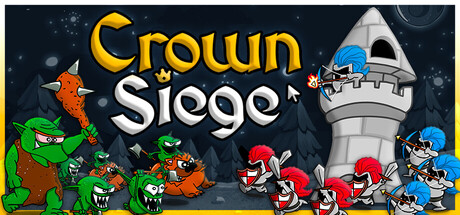
Crown Siege bills itself as a "short incremental siege game," and that's a fair description of the core loop: spawn troops, defend a central tower against escalating waves of goblins and other fantasy enemies, earn gold and experience, and spend both on upgrades that let your kingdom survive the next, harder wave. Made by two-person team JOrbits Games (developers Jordan and Zoe, publishing through 2 Left Thumbs), the game leans on a familiar incremental-meets-tower-defense structure — numbers climbing steadily upward as armies get bigger and spells get stronger — rather than trying to reinvent the genre, and it wears that familiarity comfortably across a fantasy setting built specifically around carving out a path across a map, realm by realm.
Choosing Your Army Is the Best Part
The strongest praise in Crown Siege's early reviews centers on build variety: players like being able to choose which troop types and spells to bring into a given fight, rather than being locked into one static loadout as the numbers scale. One reviewer specifically calls out the jump in quality and content between the pre-launch demo and the full 1.0 release as "CRAZY," and the broader positive consensus describes the game as simple, addictive, and satisfying in short sessions — a reasonable goal for a title explicitly marketed as "short" rather than an epic time investment. Being playable with mouse-only or touch-only input, alongside partial controller support, also suggests a deliberate effort to make the incremental loop accessible across different play styles and hardware, which matters for a genre that often draws in players looking for something to run in the background between other tasks.
The kingdom-upgrade layer sitting on top of individual battles gives the loop a second axis of progression beyond just picking troops per fight: experience earned in battle feeds into unit levels, while crowns collected along the way unlock permanent upgrades to both army and tower. On paper, that two-tier structure — moment-to-moment loadout choices layered over a persistent meta-progression track — is exactly the kind of design that keeps incremental games replayable well past a first campaign clear, and it's the structural idea the game's harshest critics still seem to want to work, even when they're frustrated with how it currently plays out in practice.
When the Grind Stops Feeling Good
The negative side of Crown Siege's small review base is more pointed, and worth taking seriously. Two detailed Simplified Chinese reviews describe hitting hard progression walls after launch that weren't present in the demo — one reviewer calls out a strange design choice where switching to a new troop type effectively forfeits most of the experience bonuses already earned, forcing a fresh grind to re-level that unit before it's viable at higher difficulties. The same reviewers flag map design that adds the appearance of strategic choice without much real substance behind it, and criticize unit AI for scattering rather than coordinating — melee and ranged troops reportedly operate independently of each other rather than working as a cohesive formation, undermining the tactical depth the troop-selection system is trying to build. One reviewer summarizes the full release as a step down in fun from the 25-level demo they'd been looking forward to.
A Fast, Well-Documented Nine-Month Build
Unlike a lot of small releases that show up on Steam with little public history, Crown Siege has a clean, easy-to-verify development trail: a public playtest as part of Steam's Medieval Fest in April 2026, a proper demo release in May, added localization for nine languages ahead of the June Steam Next Fest, and a GamingOnLinux writeup in July calling the demo "fun... worth a go." The developers' own launch-day post describes the game's core loop — scaling up a massive army to fend off waves of enemies — as fundamentally unchanged "since the" earliest builds roughly nine months prior, and cites a genuinely impressive wishlist trajectory: 30,000 wishlists a week before launch, climbing to 42,000 by release day. That's a strong pre-launch marketing result for a two-person team, and it lines up with a real, traceable ~9-month development window entirely inside 2026, leaving no ambiguity about when this game actually began its public life.
A Short Game That Knows What It Is, Mostly
Crown Siege doesn't pretend to be a sprawling strategy epic, and at $9.99 with a short, focused campaign plus a sandbox mode to mess around in post-completion, its scope matches its price tag reasonably well. Where it runs into trouble is in the specific mechanical seams that separate a good incremental game from a merely functional one: progression systems that punish experimentation rather than rewarding it, and combat AI that doesn't fully deliver on the promise of the troop-and-spell customization system built around it. Those aren't fatal flaws for players who mainly want a relaxed, mouse-driven army-building toy to tinker with over a few short sessions, but they're real enough to have already soured at least two of the game's five early reviewers on a title they'd otherwise been eager to buy.
Verdict
Crown Siege is a competent, unpretentious incremental tower-defense game from a two-person team with an unusually clean, publicly documented nine-month build cycle and real pre-launch community traction. The troop-and-spell selection system is a genuine strength, and the game clearly knows it's meant to be a short, replayable diversion rather than a systems-heavy strategy epic. But a progression system that can punish players for trying new units, along with under-coordinated unit AI, are real complaints from the small early review base, and they're the kind of issues that matter more in a genre built entirely around the satisfaction of watching your build come together. Worth a look for incremental-game fans at its low price point, with the caveat that the leveling system may frustrate more than it rewards.
Screenshots
-
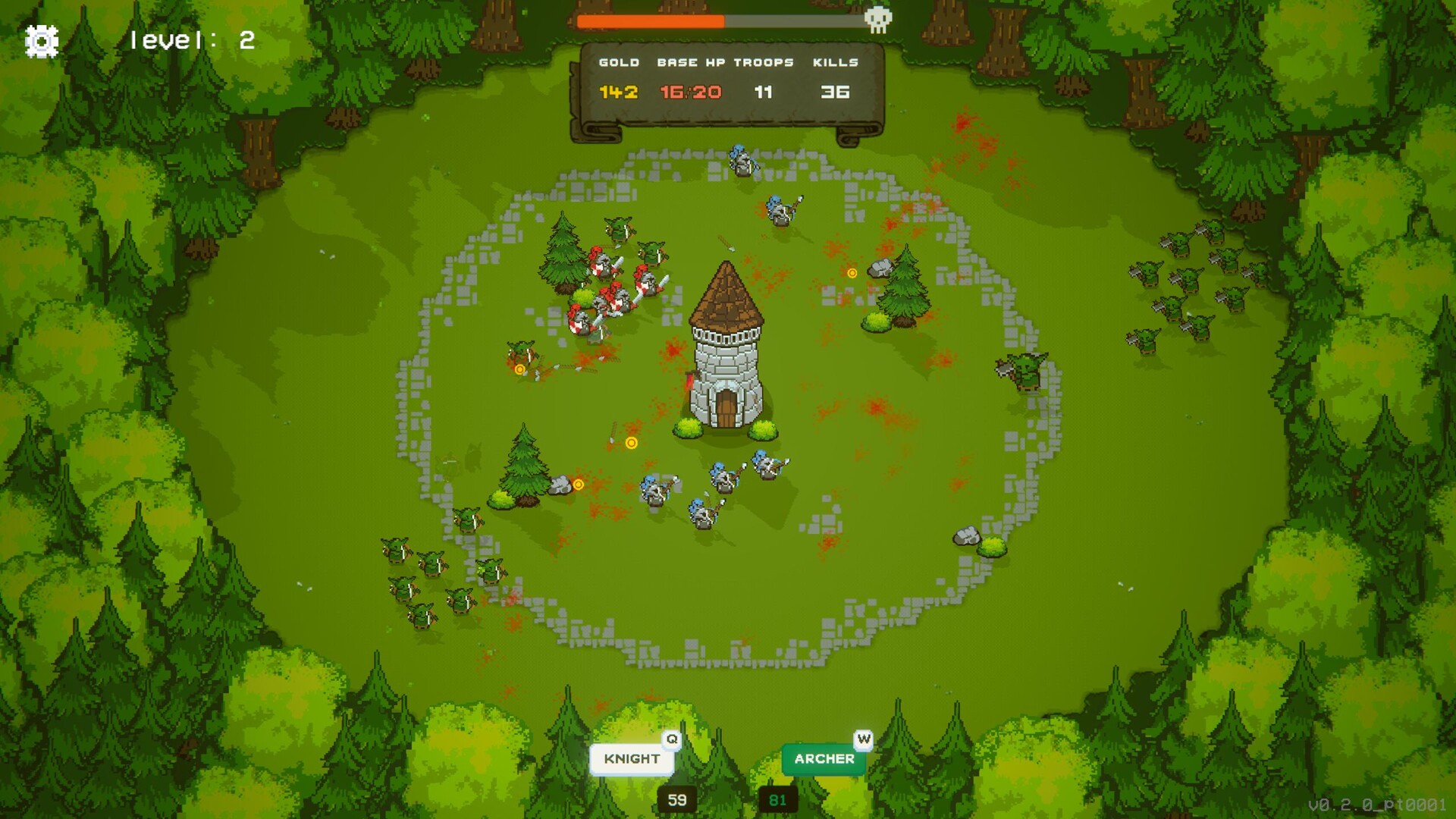
An early wave defended by a modest force of knights and archers.Image: 2 Left Thumbs via Steam -
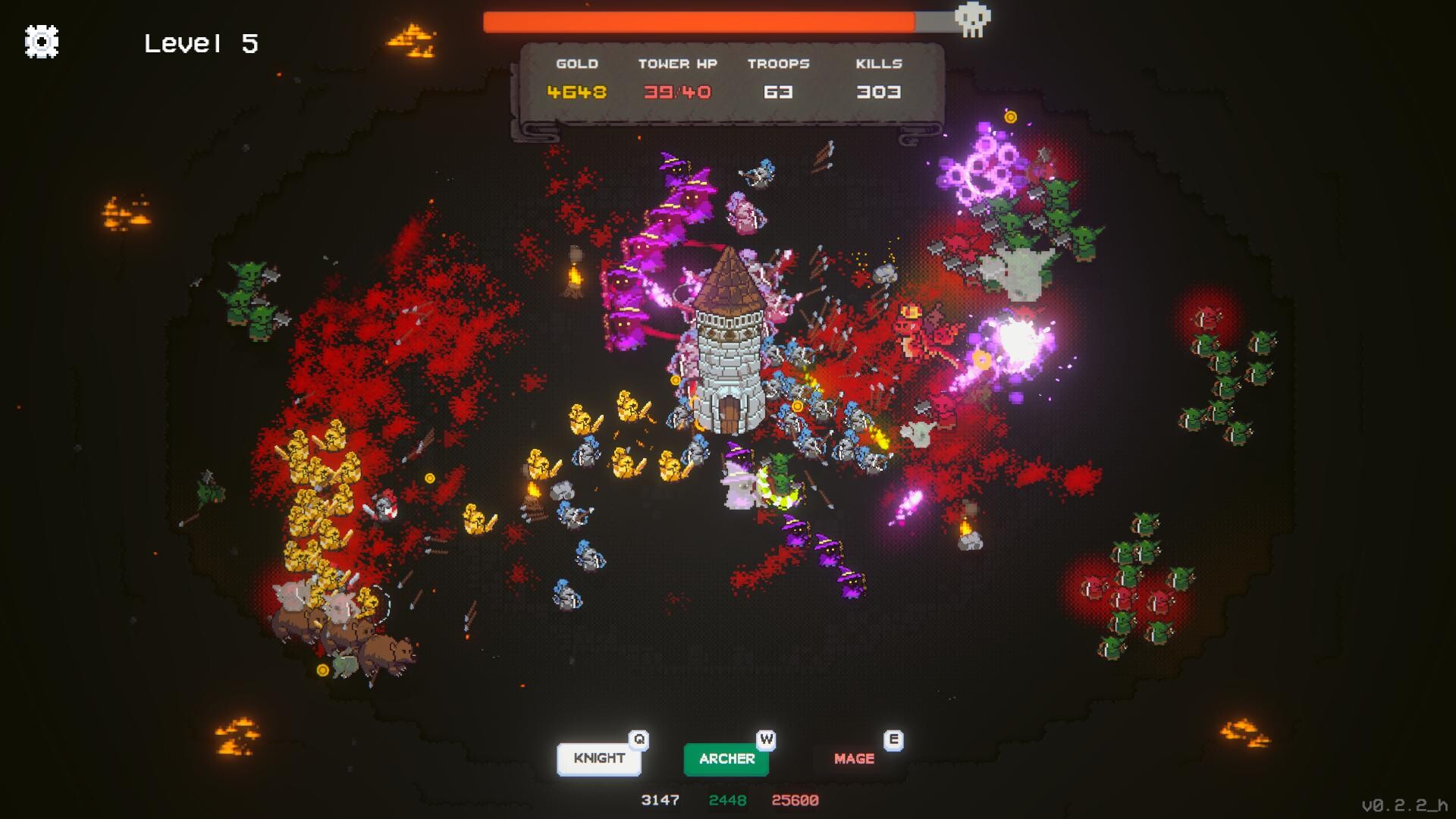
A much larger, chaotic battle later in a run, with mages and dozens of troops in the fray.Image: 2 Left Thumbs via Steam -
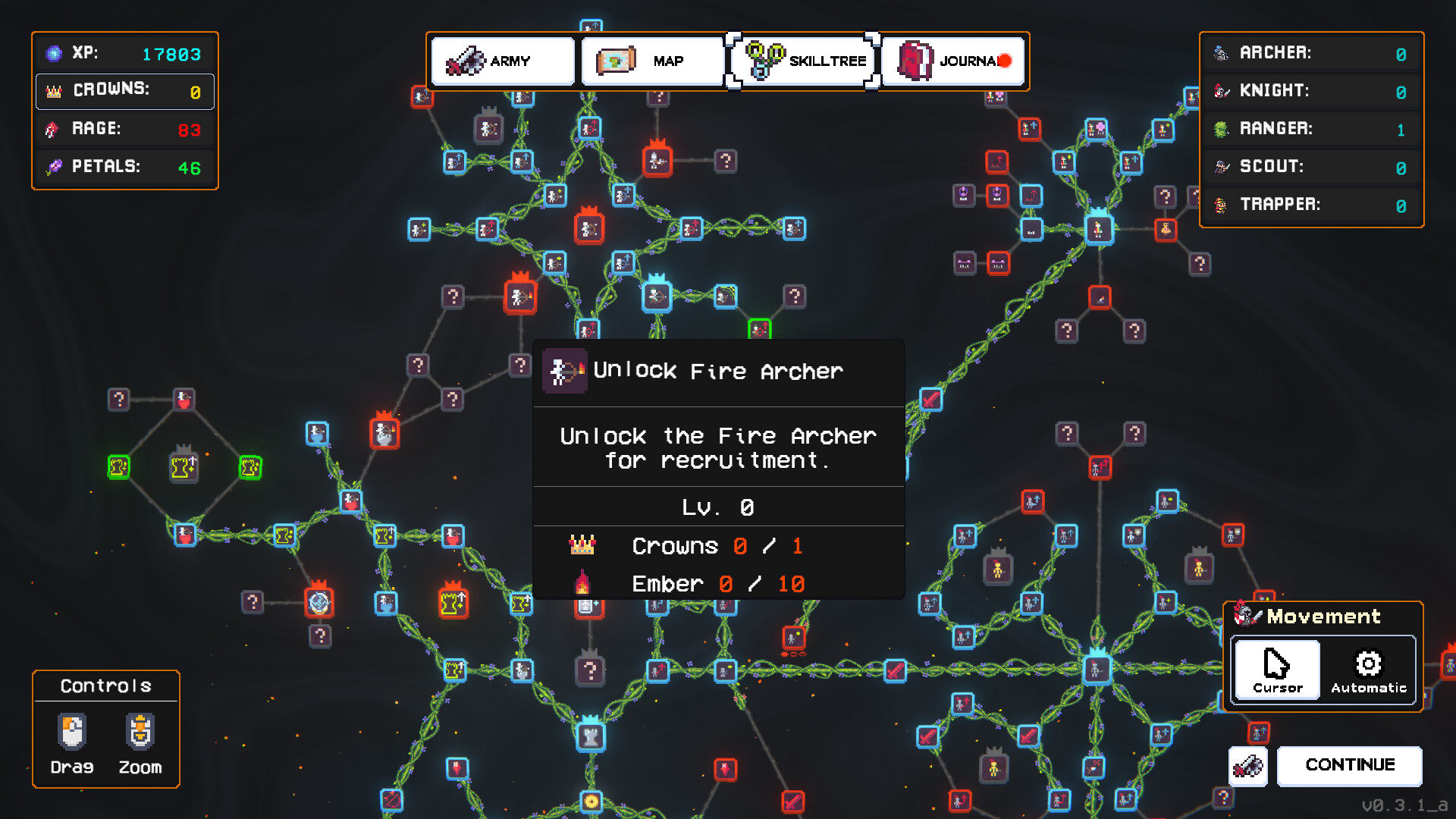
The sprawling skill tree, where crowns and resources unlock new troop types and upgrades.Image: 2 Left Thumbs via Steam