Game review
Crown Gambit
7.5 / 10
- Developer
- WILD WITS GAMES
- Publisher
- Serenity Forge
- Released
- 18 June 2025
- Platforms
- Windows, Mac
- Genre
- Adventure, Indie, RPG, Strategy
- Monetisation
- paid
- Players
- false
The short version
Biggest strengths
- Consistently praised, distinctive art direction that blends 2D and 3D elements, singled out even by the pool's harshest critics as a genuine standout
- Genuinely weighted branching narrative choices, with multiple reviewers specifically praising the lack of a clean 'good' option among competing factions
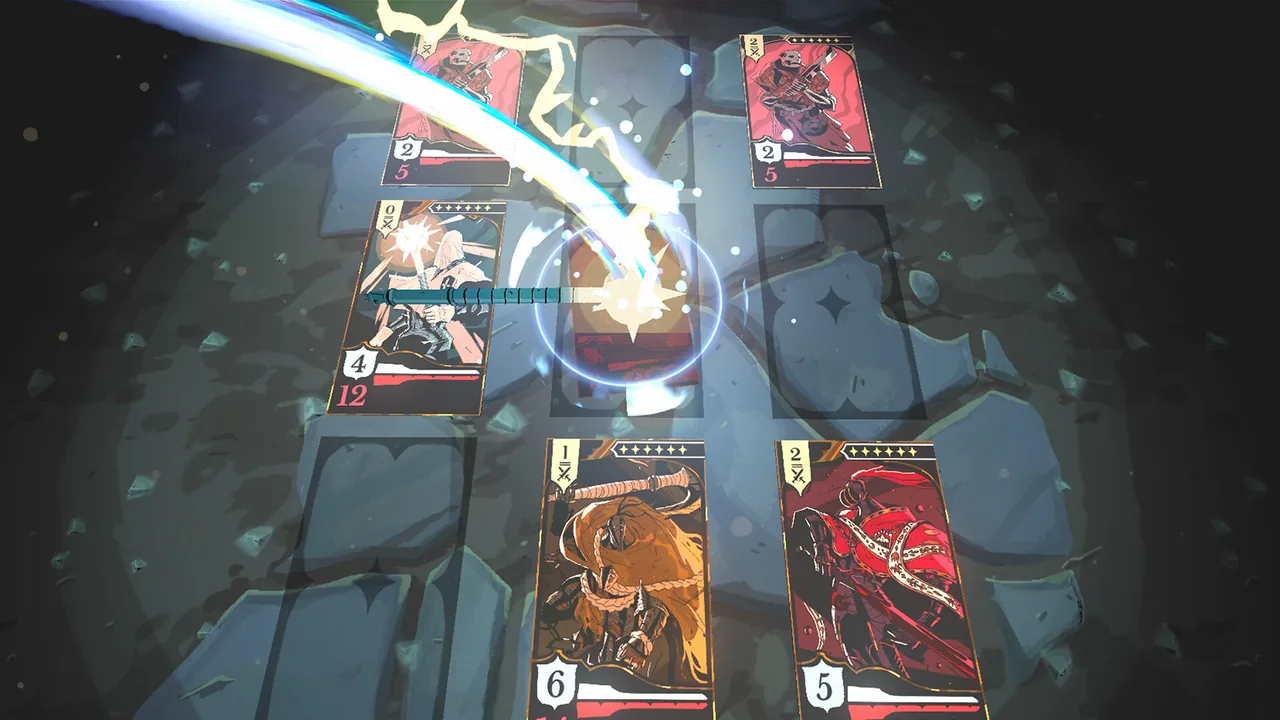
- Grid-based deckbuilding combat that a number of reviewers found deepened satisfyingly as difficulty increased, with real synergy between party members and card choices
Biggest weaknesses
- A widely and specifically corroborated set of stability complaints, especially severe and frequent on Mac, where multiple independent reviewers reported the game becoming effectively unplayable due to combat-ending crashes
- A well-corroborated complaint that the story introduces far too many named characters who appear briefly and vanish, undermining emotional investment and pushing players to rely heavily on an in-game codex to keep track
- A specific, reproducible-sounding bug reported by a detailed high-difficulty player that can freeze the final boss fight entirely at the moment of victory, forcing a full restart
Who it's for: Fans of narrative-heavy tactical card battlers who value art and morally weighted branching choices over a huge, well-fleshed-out cast, and Windows players especially given widely reported Mac-specific crashes
Our recommendation: recommended
7.5 / 10
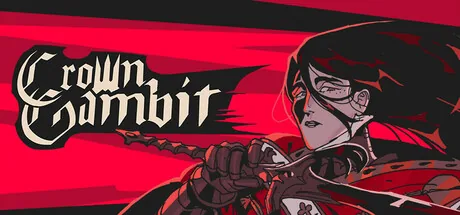
Crown Gambit launched on Steam on June 18, 2025, an $17.99 tactical card-battler from developer WILD WITS GAMES and publisher Serenity Forge that casts players as one of three paladins navigating a dark-fantasy war of succession, choosing which noble house to back through grid-based deckbuilding combat and heavily branching narrative decisions. A 241-review English pool sitting at a strongly Very Positive 225-to-16 reflects real enthusiasm for the game's ambition and presentation, though a specific, widely corroborated stability problem and a story that some found overstuffed run consistently through even many of the pool's positive reviews.
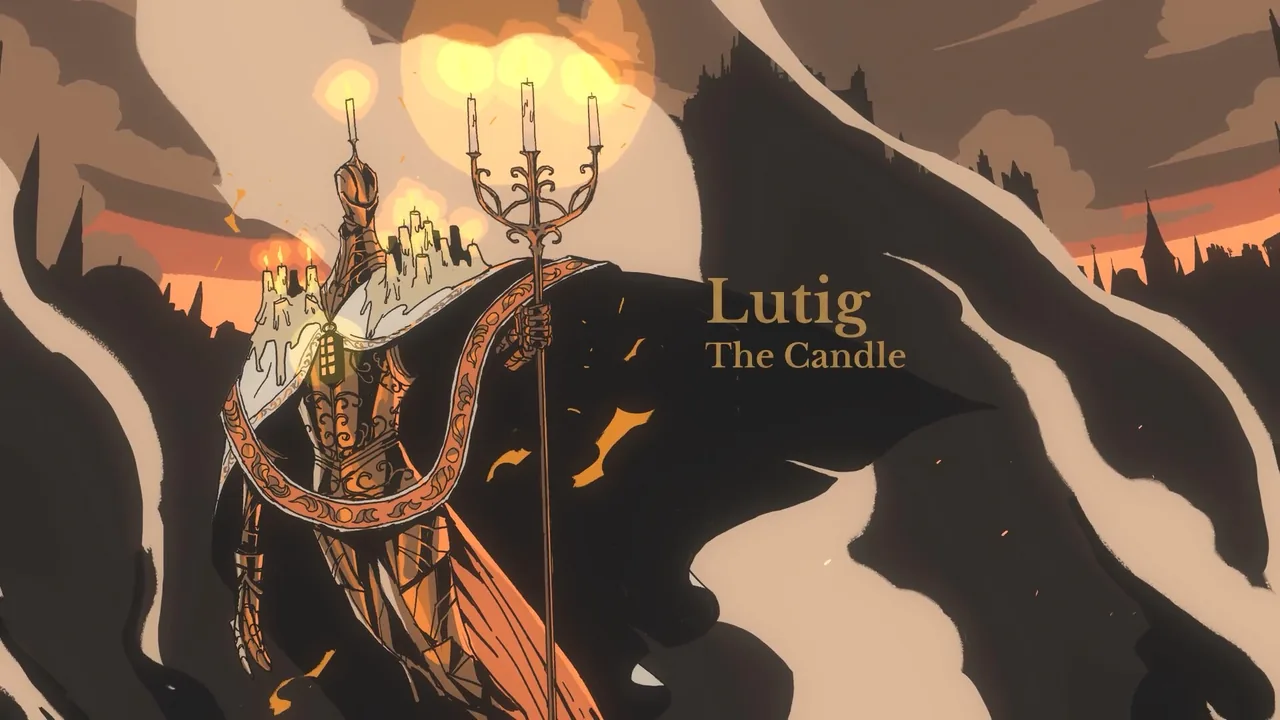
The art direction draws by far the most consistent, near-universal praise in the pool, showing up in glowing terms across both recommend and don't-recommend reviews alike. One reviewer wrote that "this game looks incredible... literally every frame could be a cutscene," specifically praising how the 2D character and card art interacts with 3D effects and animation. A separate detailed critical reviewer, who ultimately gave the game a thumbs-down over narrative pacing, still opened by calling it "a really beautiful and fun game," crediting the visuals unreservedly even while cataloguing the story's flaws. A third reviewer specifically praised how the branching-choice structure avoids easy answers, writing the game "did a wonderful job of making you feel like any decision you make is bad... Politics do be like that, in which you are supposed to choose the lesser of all the evils." That reviewers on both sides of the recommendation, and with wildly different critiques of the narrative or combat, consistently singled out the same specific visual and choice-design strengths suggests these are genuine, not merely marketed, high points.
Set against that praise, the pool's single most severe and consistently corroborated complaint concerns stability, with Mac players describing an experience bordering on unplayable. One reviewer wrote in capital letters that the game is "PRACTICALLY UNPLAYABLE ON MACOS," reporting crashes "during the intro when I wasn't putting in any inputs." A separate Mac player independently reported the identical category of failure at a different trigger point, crashes "after rounds in any given fight, when being given a new deck of cards," adding they'd tried multiple mitigation methods without success. A third Mac-specific reviewer reported crashes consistently occurring during one particular story battle, writing "constant crashes just make it unplayable" despite genuinely liking the game otherwise. Crash reports weren't limited to Mac, either: a separate Windows-context reviewer described "big flashy moves ending a combat consistently crashing the game," and another reported the game becoming completely stuck mid-combat during the enemy's turn regardless of platform. That this specific failure mode, crashes tied to combat resolution and deck transitions, recurs across multiple independent reviewers on multiple platforms is what elevates it from scattered technical grumbling into the review's most serious, well-documented weakness.
A related, more specific bug deserves individual mention: one highly detailed reviewer playing on Hard difficulty reported the final boss fight freezing entirely "just as you're about to win," with cards becoming uncastable and the whole encounter locking up, forcing a full restart from the beginning of the run. They reported encountering this specific failure "more than ten times" before giving up on finishing the game, a serious, reproducible-sounding issue that carries particular weight given how much investment a full Crown Gambit playthrough (commonly 17-25 hours per the pool) actually requires.
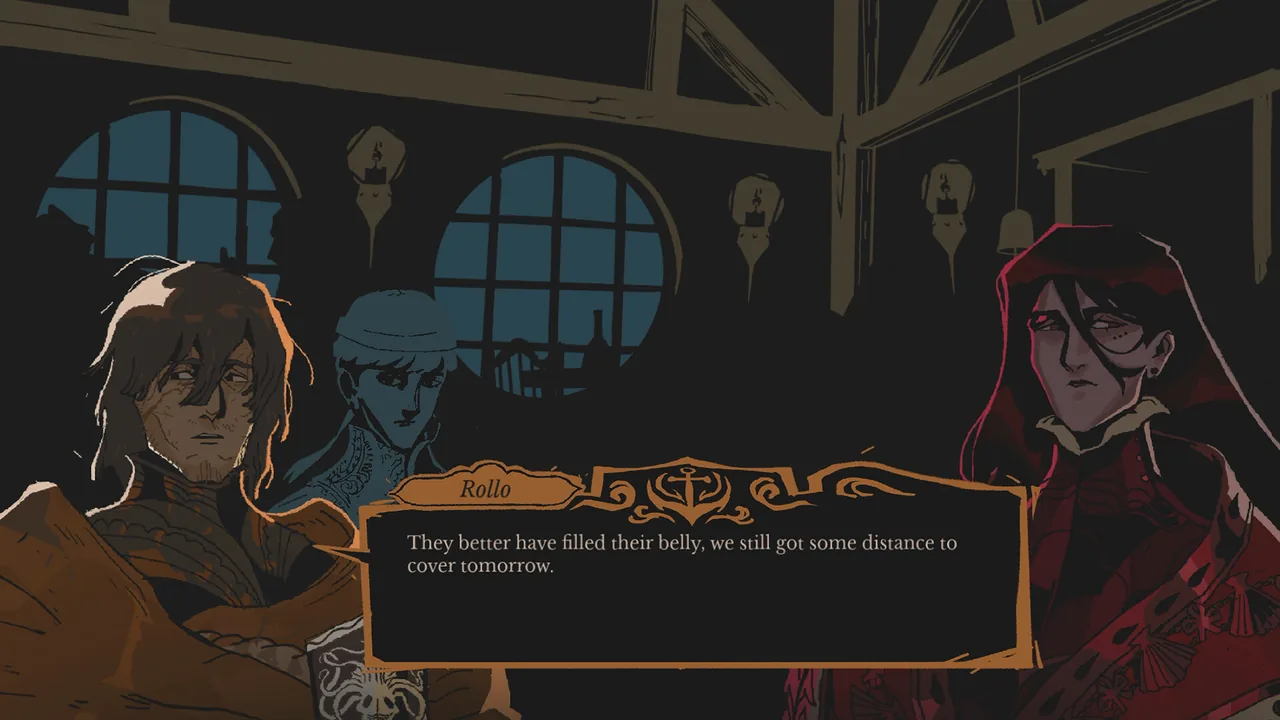
A second, separately corroborated complaint concerns the narrative's sprawling cast. One detailed critical reviewer wrote that "there are too many characters and they pop in and out of the narrative wayyyyy too much, often fighting you to the death the first time you meet or just disappearing entirely after one meeting," arguing this makes it "impossible to build up any sort of emotional attachment... relying way too heavily on the game's codex to fill in the blanks." A separate, ultimately positive reviewer raised the identical structural complaint independently: "Crown Gambit suffers from having too many characters near the end of it. I simply just did not care for them." A third reviewer, also positive overall, agreed the game "introduces dozens of characters and bosses... they are kinda forgettable." That this specific critique of cast size and thinness recurred across multiple reviewers regardless of their overall verdict makes it a fair, well-sourced weakness rather than a matter of taste.
A related, softer complaint concerns pacing: several reviewers, again including some who ultimately recommended the game, described the frequency of mandatory card battles between story beats as excessive by the mid-to-late game, with one writing plainly "I just feel like I'm drowning in card battles," and a separate reviewer noting the game "starts strong" narratively but the "dragging mid-to-late section... overstays its welcome." A couple of reviewers also flagged the ancestral grace and relic systems, meant to add risk to narrative-affecting mechanics, as insufficiently punishing on higher difficulties, making them easy to simply avoid rather than meaningfully engage with.
A few smaller complaints round out the pool without seriously changing the overall picture. One reviewer felt the store page's content warnings undersold how much of the game's darker material is confined to loading-screen text rather than surfaced in the main narrative flow, and noted they'd bought the game in a bundle and so had no straightforward path to a refund once they discovered this. A separate reviewer flagged that the writing occasionally lands in an odd tonal middle ground, "a confusing mix of archaic middle English words and 21st century vernacular," which pulled them out of otherwise strong scenes. And at least one reviewer pointed out that visiting the game's optional rooms and side content in a suboptimal order can cause players to miss narrative beats entirely on a first playthrough, something the pool's more enthusiastic reviewers framed as an argument for replaying rather than a design flaw outright.
Taken together, Crown Gambit earns its Very Positive reception on the strength of genuinely distinctive art and narrative choices that a broad, critically engaged audience found compelling, wrapped around a launch whose crash-related stability issues, especially but not exclusively on Mac, are serious and specific enough to warrant real caution. For Windows players patient with a large cast and some mid-game pacing sag, there's a genuinely excellent game here; Mac players in particular should check recent community reports on stability before buying at full price.
Pros and cons
Pros
- Consistently praised, distinctive art direction that blends 2D and 3D elements, singled out even by the pool's harshest critics as a genuine standout
- Genuinely weighted branching narrative choices, with multiple reviewers specifically praising the lack of a clean 'good' option among competing factions
- Grid-based deckbuilding combat that a number of reviewers found deepened satisfyingly as difficulty increased, with real synergy between party members and card choices
- A large scope for a single indie release, with six possible endings and reviewers reporting 17-25 hour single playthroughs, giving genuine replay incentive for a branching-choice game
Cons
- A widely and specifically corroborated set of stability complaints, especially severe and frequent on Mac, where multiple independent reviewers reported the game becoming effectively unplayable due to combat-ending crashes
- A well-corroborated complaint that the story introduces far too many named characters who appear briefly and vanish, undermining emotional investment and pushing players to rely heavily on an in-game codex to keep track
- A specific, reproducible-sounding bug reported by a detailed high-difficulty player that can freeze the final boss fight entirely at the moment of victory, forcing a full restart
- Multiple reviewers, including several who ultimately recommended the game, found the mid-to-late game's frequency of mandatory card battles between story beats began to feel repetitive and diluted narrative momentum
Screenshots
-
Crown GambitImage: Serenity Forge via Steam -
Crown GambitImage: Serenity Forge via Steam -
Crown GambitImage: Serenity Forge via Steam