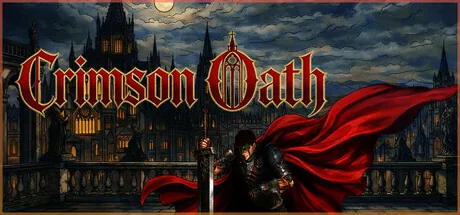
Game review
Crimson Oath Review: A Scrappy Souls-Like With Real Combat Problems
6.4 / 10
- Developer
- Parry Frames Studio
- Publisher
- Parry Frames Studio
- Released
- 29 April 2026
- Platforms
- Windows
- Genre
- Action
- Monetisation
- $14.99
- Players
- false
The short version
Crimson Oath is a small-team souls-like built around parrying and interconnected, Dark Souls-inspired level design, and while a real group of players describe it as a scrappy hidden gem worth forgiving for its jank, a larger and more detailed body of English-language reviews reports broken parry and dodge timing, unbalanced enemy speed and aggression, and a frustratingly limited single-weapon system that leaves the combat feeling unfinished rather than merely rough.
Biggest strengths
- Compact, interconnected level design that a number of reviewers compare favorably to the original Dark Souls, with a good amount of exploration packed into six main levels
- A respectable 12 boss fights and over 80 distinct AI combat encounters for a small independent team, several of which reviewers single out as genuinely memorable
- A real nostalgic, DS1-inspired atmosphere that a group of positive reviewers say scratches a specific souls-like itch other bigger-budget games haven't
Biggest weaknesses
- Multiple detailed English-language reviews describe the parry and dodge systems, the game's central selling point, as poorly timed or functionally useless against certain enemies
- Recurring complaints about enemies that attack faster and more aggressively than the player's available toolkit can reasonably answer, especially in later areas
- Players are locked into a single weapon type for the entire game despite fighting enemies with a wide variety of distinct movesets, a limitation several reviewers call a core design flaw
Who it's for: A cautious pick for genre die-hards specifically looking for cheap, short, DS1-inspired indie souls-likes who can tolerate real jank in exchange for level design and boss variety; a poor fit for anyone hoping for tight, well-balanced parry combat, since a large and detailed portion of the review base describes exactly that system as broken.
Our recommendation: Try it on sale
6.4 / 10
A small team's love letter to Dark Souls
Crimson Oath sets its story on Guretvo, a millennium-old continent thrown into chaos by a corrupt dragon dynasty, a rebellious cult, and interfering gods, following a fallen master's disciples as they choose sides after his death. Developed and published by the small independent team Parry Frames Studio, the game is built explicitly around a parry-centered combat system layered over six main levels, twelve boss fights, and more than eighty distinct enemy encounters, a scope that's genuinely ambitious for a team of its apparent size.
At $14.99, Crimson Oath is priced as a budget entry in a genre where AA and AAA competitors routinely charge two to four times as much, and the review base is split almost exactly along the line you'd expect: forgiving of its rough edges in exchange for that price and scope, or unwilling to overlook combat problems that cut against the genre's core appeal.
What earns the Dark Souls comparisons
The strongest praise in the review base centers on level design and atmosphere. Several reviewers specifically compare the game's compact, interconnected level layouts to the original Dark Souls, praising shortcuts and looping paths that reward exploration without the sprawl of a larger-budget open world. One reviewer called it "a fun parry-focused souls-like with great combat and nice compact DS1-like levels with a nice amount of interconnectedness," while others describe a genuine nostalgic pull, one writing that it "scratched a dark souls itch I've had for awhile" despite acknowledging the game doesn't match FromSoftware's polish.
The game's relatively short runtime also draws real praise rather than complaint, with multiple reviewers framing it as "short but fun" and appropriately challenging without becoming punishing for the sake of it, a trade-off several say they'd happily make again from this developer.
A parry system that a lot of players say doesn't work
Set against that praise is a substantial, detailed body of criticism aimed squarely at the game's central mechanic. Multiple English-language reviewers describe the parry and dodge timing as broken or unreliable, with one writing plainly that the "parry system is useless, has no impact on the fight, same as dodge," and another reporting that dodging away from an enemy simply causes it to "shift" forward to maintain the same striking distance regardless of player input. A third reviewer put it succinctly: "the parry timing is completely off."
This is a serious problem for a game whose own marketing and community both frame parrying as the defining hook, and it represents the most consequential recurring complaint in the review base, one that goes well beyond ordinary genre difficulty grumbling.
Enemies that outpace the player's toolkit
A second, closely related complaint concerns enemy balance. Reviewers repeatedly describe enemy attack speed and aggression as tuned well past what the player's available defensive options can reasonably answer, particularly in the game's later stretches. One detailed review argued the game borrows movesets and mechanics from several better-known souls-likes "with little to no anticipation, frame reading, or pattern recognition" built in to make them fair, while another called specific late-game boss design among "the worst boss design ever" they'd encountered in the genre.
Compounding this, several reviewers note the game locks players into a single weapon type, a greatsword, for its entire runtime, despite the wide variety of movesets on display from enemies. One reviewer called this "ridiculous," noting the disconnect between fighting enemies with varied, expressive weapon movesets while never getting to use anything but one weapon themselves.
Jank, bugs, and questions about production quality
Beyond combat balance, reviewers report a range of smaller technical issues: camera problems, clipping through floors and objects, stiff animations, and in a few cases, direct accusations that portions of the game's assets or voice work may have leaned on AI generation tools, an impression reviewers base on inconsistent art direction and voice performances rather than any confirmed statement from the developer. None of these complaints appear to be universal, and several positive reviewers explicitly acknowledge "jank animations" while still recommending the game overall, but they add up to a picture of a release that reached players before its rougher edges were fully sanded down.
What's fair to expect from a team this size
It's worth weighing these complaints against the reality of who made this game. Reviewers who liked Crimson Oath consistently frame their recommendation in that context, one specifically remarking that the boss fights "reminded me of Sekiro" while adding the caveat that the achievement is impressive "for the developer team size" involved. That framing matters: a small studio attempting twelve distinct boss encounters and six interconnected levels on a souls-like's terms is a genuinely bigger swing than most indie teams take, and some of the jank reviewers describe reads less as laziness and more as the predictable cost of that ambition outpacing available resources. The more skeptical reviews, though, argue that ambition doesn't excuse a core mechanic, the parry system, shipping in a state several describe as non-functional, since that's precisely the kind of system a souls-like lives or dies by regardless of team size.
Verdict: promising bones, unfinished execution
Crimson Oath has real ideas worth crediting: a small team chasing Dark Souls-style interconnected level design on a budget, a respectable roster of boss fights, and a runtime that respects players' time instead of padding itself out. But the detailed, specific, and repeated criticism of its core parry and dodge systems, alongside real complaints about enemy balance and a restrictive single-weapon design, are hard to set aside for a genre where combat feel is the entire point. Genre veterans curious about a cheap, short indie souls-like with real ambition may still find something worth forgiving here, especially at a discount, but anyone expecting tight, responsive combat should approach with tempered expectations.
Pros and cons
Pros
- Compact, interconnected level design that a number of reviewers compare favorably to the original Dark Souls, with a good amount of exploration packed into six main levels
- A respectable 12 boss fights and over 80 distinct AI combat encounters for a small independent team, several of which reviewers single out as genuinely memorable
- A real nostalgic, DS1-inspired atmosphere that a group of positive reviewers say scratches a specific souls-like itch other bigger-budget games haven't
- A short, focused runtime that several reviewers frame as a strength rather than a weakness, avoiding the genre's common trap of overstaying its welcome
Cons
- Multiple detailed English-language reviews describe the parry and dodge systems, the game's central selling point, as poorly timed or functionally useless against certain enemies
- Recurring complaints about enemies that attack faster and more aggressively than the player's available toolkit can reasonably answer, especially in later areas
- Players are locked into a single weapon type for the entire game despite fighting enemies with a wide variety of distinct movesets, a limitation several reviewers call a core design flaw
- Reports of camera problems, clipping through floors and objects, and animations reviewers describe as stiff or unpolished
Screenshots
-
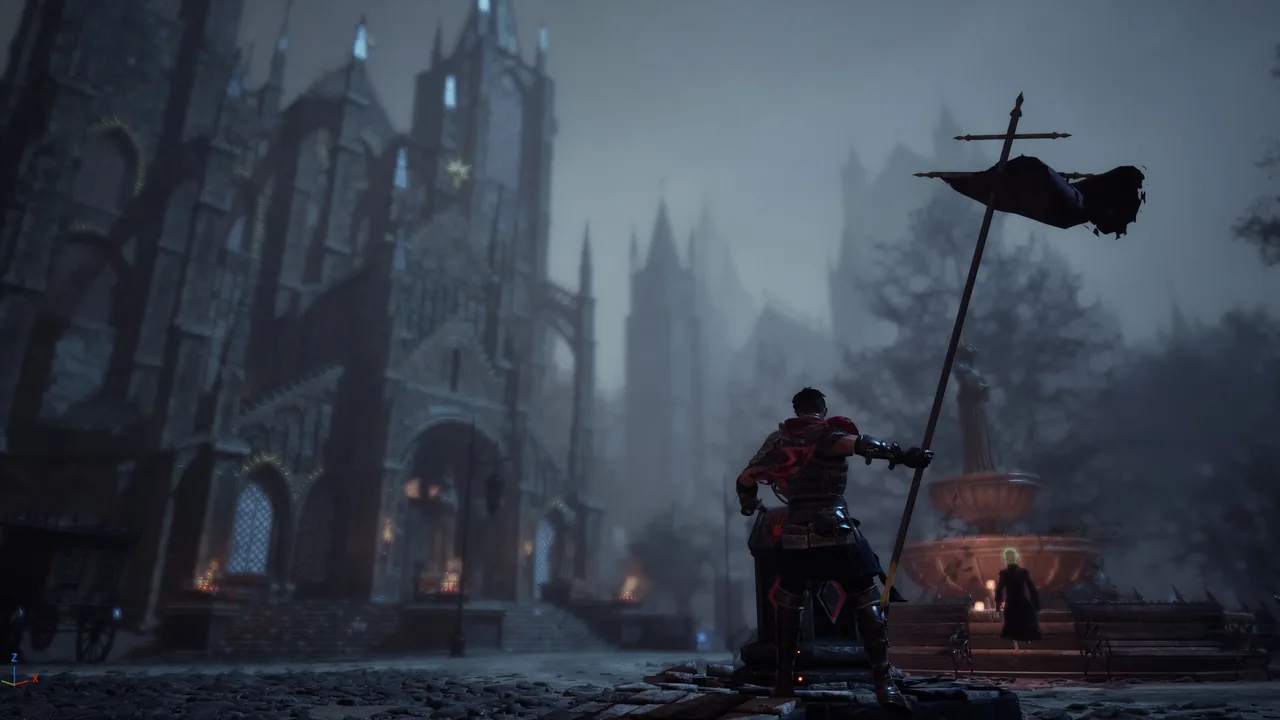
Crimson OathImage: Parry Frames Studio via Steam -
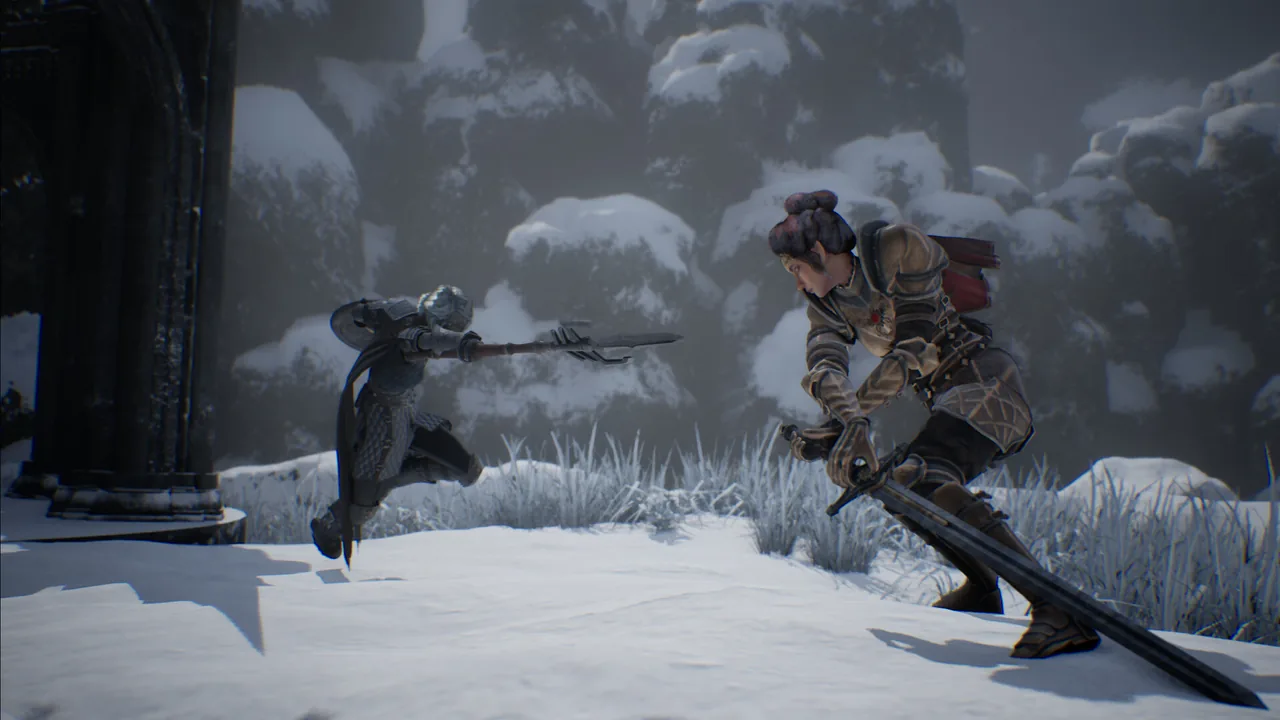
Crimson OathImage: Parry Frames Studio via Steam -
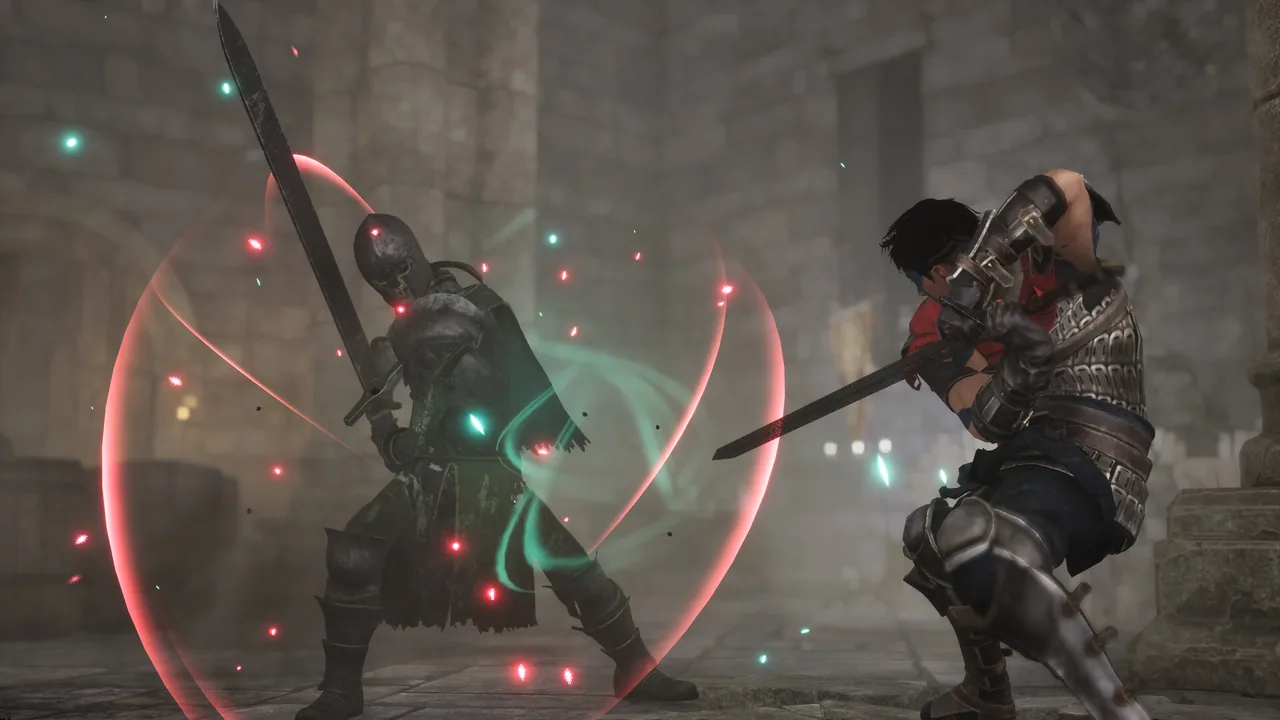
Crimson OathImage: Parry Frames Studio via Steam -
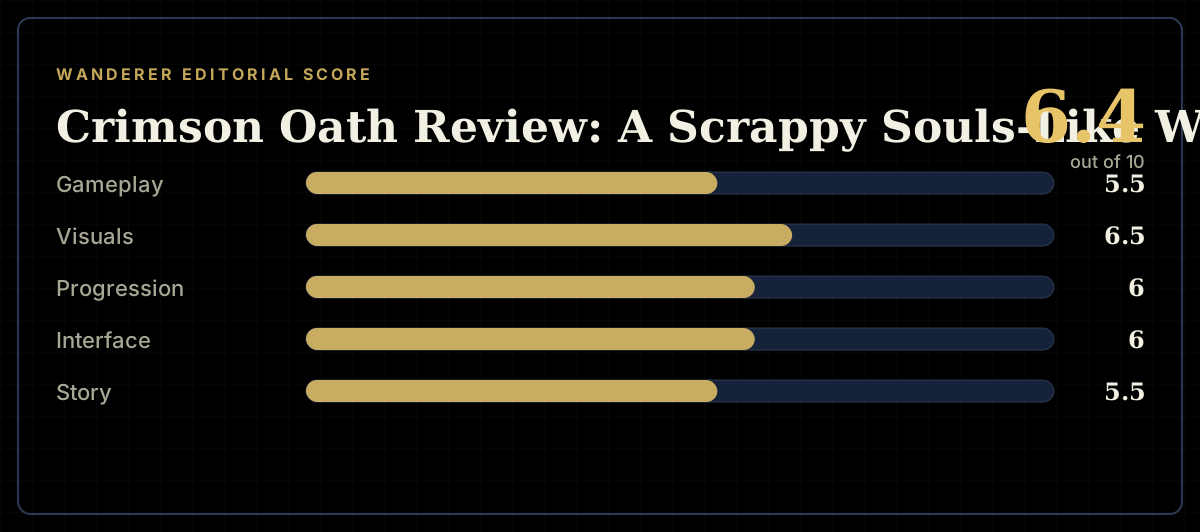
How the review scores each part of the gameWanderer Editorial -
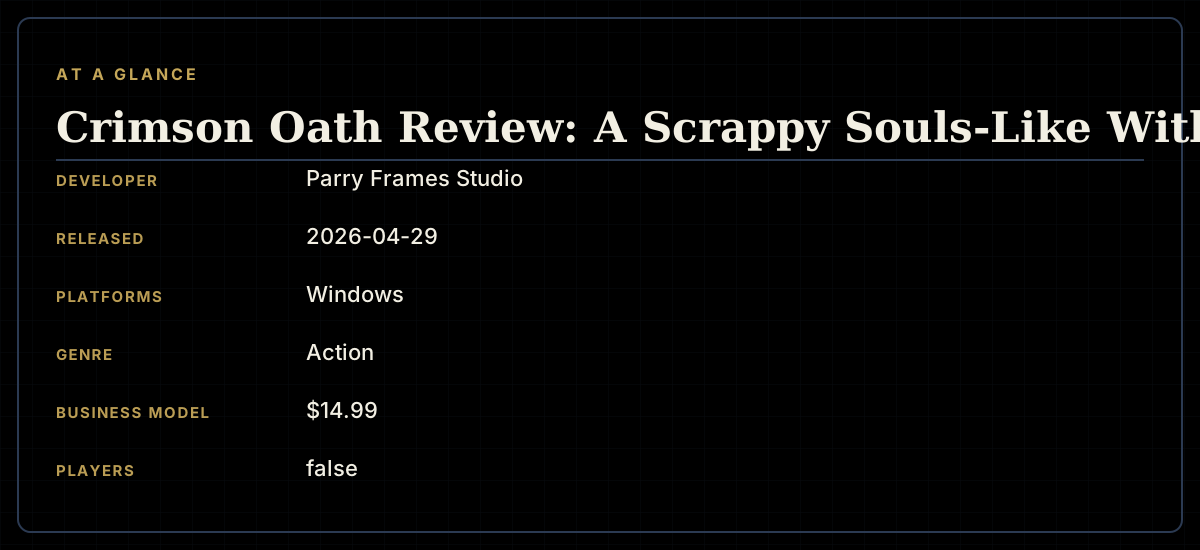
Platform and release detailsWanderer Editorial -
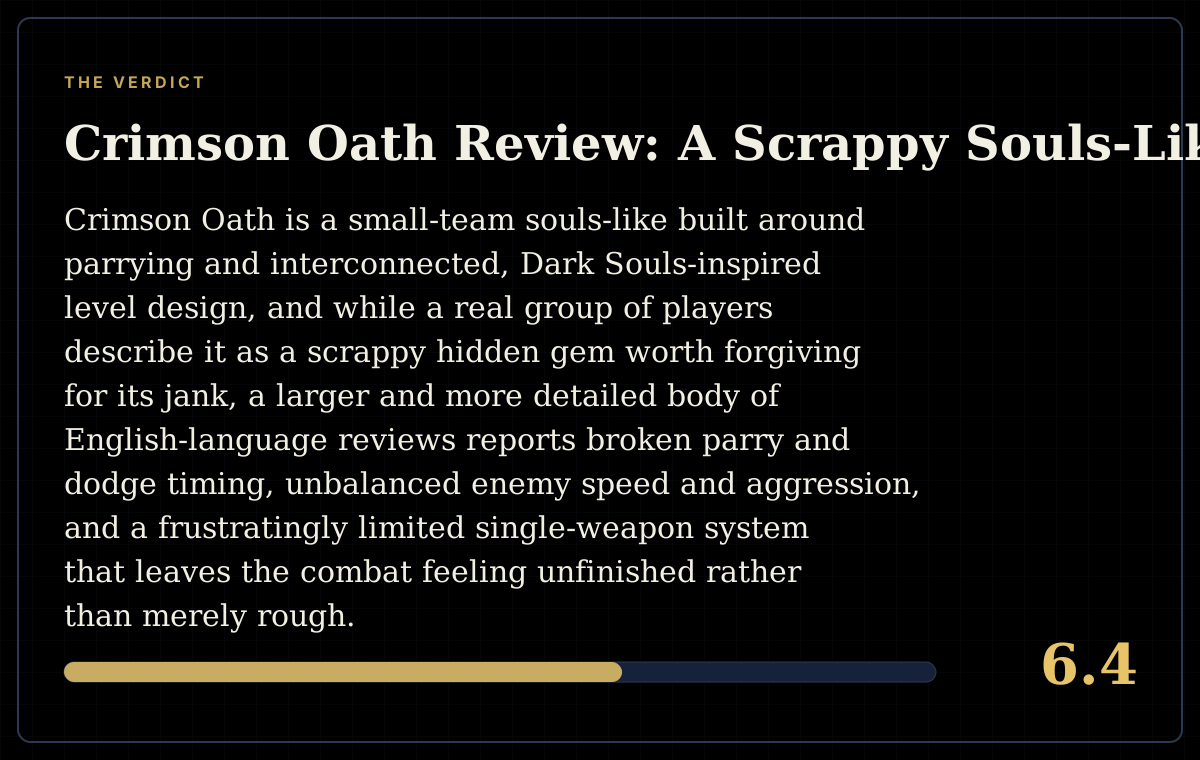
The short versionWanderer Editorial