Game review
Colony Survival
7 / 10
- Developer
- Pipliz
- Publisher
- Pipliz
- Released
- 16 June 2017
- Platforms
- Windows, macOS, Linux
- Genre
- Voxel Colony Strategy
- Monetisation
- One-off premium purchase, no DLC, no in-app purchases and no premium currency
- Players
- Full online, LAN and cross-platform co-op with dedicated server support, alongside online and LAN PvP; regularly cited by players as one of the game's strongest features
The short version
Colony Survival asks a small two-person studio's central pitch to carry nine-plus years of Early Access: plant a banner in a voxel world, recruit colonists into farming, mining and building jobs, then defend what you've built against zombies that attack every night. It's a distinctive mashup — reviewers reach for "Minecraft with a tower defense mode" and "Age of Empires crossed with a horde shooter" in roughly equal measure — and it's sustained a genuinely loyal, Very Positive fanbase across more than 8,000 reviews, helped along by one of the more transparent weekly development blogs in the genre. The honest, persistent complaint, raised consistently by players as recently as early 2026 rather than only in the game's rougher early years, is that the mid-to-late game plateaus: jobs stop meaningfully evolving, the zombie threat doesn't scale into real danger, and a colony that felt alive in its first several hours can start to feel static well before a player's interest in optimising it runs out.
Biggest strengths
- A genuinely distinctive genre combination — voxel colony building with real nightly tower-defense stakes and a Stone-Age-to-gunpowder tech tree — that reviewers struggle to compare to a single existing game
- Full cross-platform co-op and dedicated server support draw consistent, specific praise as one of the game's strongest and most reliable features
- An unusually transparent weekly "Friday Blog" development cadence, past entry 269, gives an exceptional level of visibility into ongoing development for an indie Early Access title
Biggest weaknesses
- A specific, consistently repeated complaint — including reviews written as recently as early 2026 — describes the mid-to-late game as static: colonist jobs stop evolving meaningfully, and the nightly zombie threat fails to scale into genuine danger once a colony is established
- Several long-time players describe development pace as slow relative to the volume of communication about it, with one pointed review noting the studio has published well over 250 blog posts while core gameplay depth has grown more incrementally
- Still in Early Access after more than nine years, with no clearly communicated path to a full 1.0 release, which is a real consideration for buyers who weigh purchase decisions on that basis
Who it's for: Minecraft-adjacent building and automation fans who specifically want genuine nightly-siege stakes layered onto their colony, and players comfortable investing in a still-evolving, still-unfinished Early Access title after nearly a decade of development.
Our recommendation: A distinctive, well-regarded colony-builder worth trying for its opening hours and strong co-op alone, though buyers should go in aware that the mid-to-late game content gap is a real, current complaint rather than a solved early-access growing pain.
7 / 10
Nine years is a long time for any Early Access game to stay in Early Access, and Colony Survival has now spent nearly that long proving it can be both genuinely loved and genuinely unfinished at the same time. Pipliz, a two-person studio, launched the voxel colony-strategy game on 16 June 2017 with a pitch distinctive enough that it's kept a substantial, devoted audience engaged ever since: build a Minecraft-style block world, recruit colonists into specialised jobs, and defend what you've built against zombies that attack every single night. More than 8,000 Steam reviews later, sitting at a Very Positive 92%, the game is still labelled Early Access — version 0.17, "Quests & Counters," landed in early August 2026 — and understanding why that's true, and whether it should change a buyer's decision, is most of what this review is about.
A genre mashup that earns its comparisons
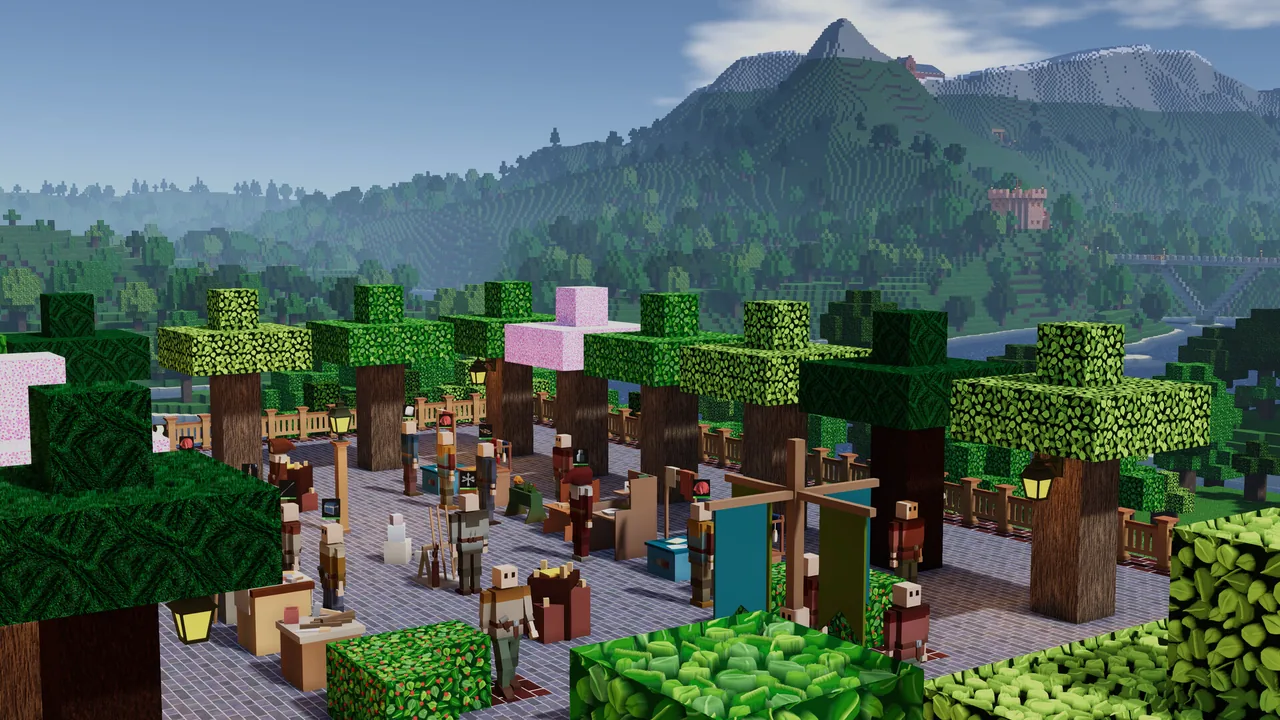
Reviewers describing Colony Survival reach for genre blends more often than straightforward comparisons, and the range of comparisons tells its own story. "Colony Survival is something like Minecraft with a tower defense mode," one straightforward review puts it. Another, more memorably: "It's like if minecraft had sex with age of empires, but the parents CRISPR'd in some tower defense." A third strips it down to its most quotable form: "Minecraft but with a science tree, better graphics and, most importantly, slaves" — a joking but structurally accurate description of the colonist-labour system at the game's core. The tech tree genuinely does span from a Stone Age starting point through to gunpowder weapons, gliders, printing presses and rail transport, giving the mid-game a real sense of technological progression on paper, layered on top of a day-night cycle where daytime production feeds directly into nighttime defensive stakes.
Co-op multiplayer draws some of the most consistently specific praise in the review sample. Full cross-platform support, dedicated server tooling, and the option to either share ownership of a single colony or build separate colonies that trade resources and science with each other give the game real flexibility for how groups of friends want to play together — "I have owned this game for many years... I was amazed at the difference" one long-time player writes about a major version-9.0 rework, a sentiment echoed by others who've stuck with the game across multiple major updates rather than bouncing off it once.
The complaint that's followed the game for years
What keeps this review from being a simple recommendation is a criticism that shows up consistently across the review sample's timeline, including recent entries rather than only its rockier early years. "The zombies aren't actually difficult because of the way they scale and the gameplay never evolves," one review from February 2026 states, describing the overall experience as "a chill, base-building game disguised as a zombie survival game" — an accurate label for a game whose marketing leans on nightly siege tension that a meaningful slice of its own players don't feel it actually delivers past the opening hours. A similarly recent review, from January 2025, makes the related point about job variety: "there's no real threat in this game. the progression is entirely in the science tree, once you unlock everything there isn't much incentive," describing colonist jobs as feeling largely interchangeable once established rather than meaningfully diversifying as a colony grows.
Development pace draws its own pointed criticism, made sharper by the studio's own communication style. Pipliz publishes a weekly "Friday Blog" — the entry current at the time of writing is numbered past 269, an extraordinary cadence of sustained public communication for a two-person team. That transparency cuts both ways in the review sample: "They talk about developing the game infinitely more than they actually spend developing it," one detailed, highly-upvoted review states bluntly. "If they applied as much effort to the game itself as they did in their blogs (over 250 at this point) then the game would already be done." It's a fair tension to name honestly — the blog cadence is genuinely admirable as a transparency practice, and it's also become, for some long-time players, a visible symbol of how slowly the underlying game has actually moved relative to how much has been written about it.
Evidence the loop still works for a lot of people
None of that should overshadow how much of the review sample remains genuinely enthusiastic, including from players with enormous playtime investments — reviews in the sample cite playtimes well over 10,000 hours, a scale of engagement that speaks for itself regardless of any specific mid-game criticism. "This game is amazing, the Devs are dedicated and on point to things their community wants. That's already more than most companies these days," one long-time player writes. Recent version updates suggest the studio has kept listening to specific, actionable feedback rather than standing still: 0.15 added a top-down view and blueprint system directly addressing base-planning complaints, 0.15.1 focused on "culling" performance work, and 0.17 adds a quest and counter system aimed at giving players clearer mid-game goals — arguably a direct, if incremental, response to exactly the plateau complaint raised above.
Where this leaves a buyer
At NZ$35.99 for a still-Early-Access game with no clearly communicated 1.0 timeline after more than nine years of development, Colony Survival asks for a specific kind of buy-in: trust that a small, genuinely communicative studio will keep iterating, weighed against a real, currently valid criticism that the experience plateaus once its initial hours of colony-building novelty wear off. For players specifically drawn to genuine co-op colony building with real nightly stakes, and willing to treat ongoing development as part of the appeal rather than a drawback, the loop that's kept thousands of reviewers engaged — some for thousands of hours — is still very much intact. Buyers hoping for a fully realised, content-complete late game should treat that expectation with real caution, and weigh the studio's remarkable communication transparency against its equally well-documented pace.
Pros and cons
Pros
- A genuinely distinctive genre combination — voxel colony building with real nightly tower-defense stakes and a Stone-Age-to-gunpowder tech tree — that reviewers struggle to compare to a single existing game
- Full cross-platform co-op and dedicated server support draw consistent, specific praise as one of the game's strongest and most reliable features
- An unusually transparent weekly "Friday Blog" development cadence, past entry 269, gives an exceptional level of visibility into ongoing development for an indie Early Access title
- Genuinely responsive to feedback on specific systems over the years, with recent updates (top-down view, blueprints, a quest and counter system) targeting quality-of-life gaps players have raised
Cons
- A specific, consistently repeated complaint — including reviews written as recently as early 2026 — describes the mid-to-late game as static: colonist jobs stop evolving meaningfully, and the nightly zombie threat fails to scale into genuine danger once a colony is established
- Several long-time players describe development pace as slow relative to the volume of communication about it, with one pointed review noting the studio has published well over 250 blog posts while core gameplay depth has grown more incrementally
- Still in Early Access after more than nine years, with no clearly communicated path to a full 1.0 release, which is a real consideration for buyers who weigh purchase decisions on that basis
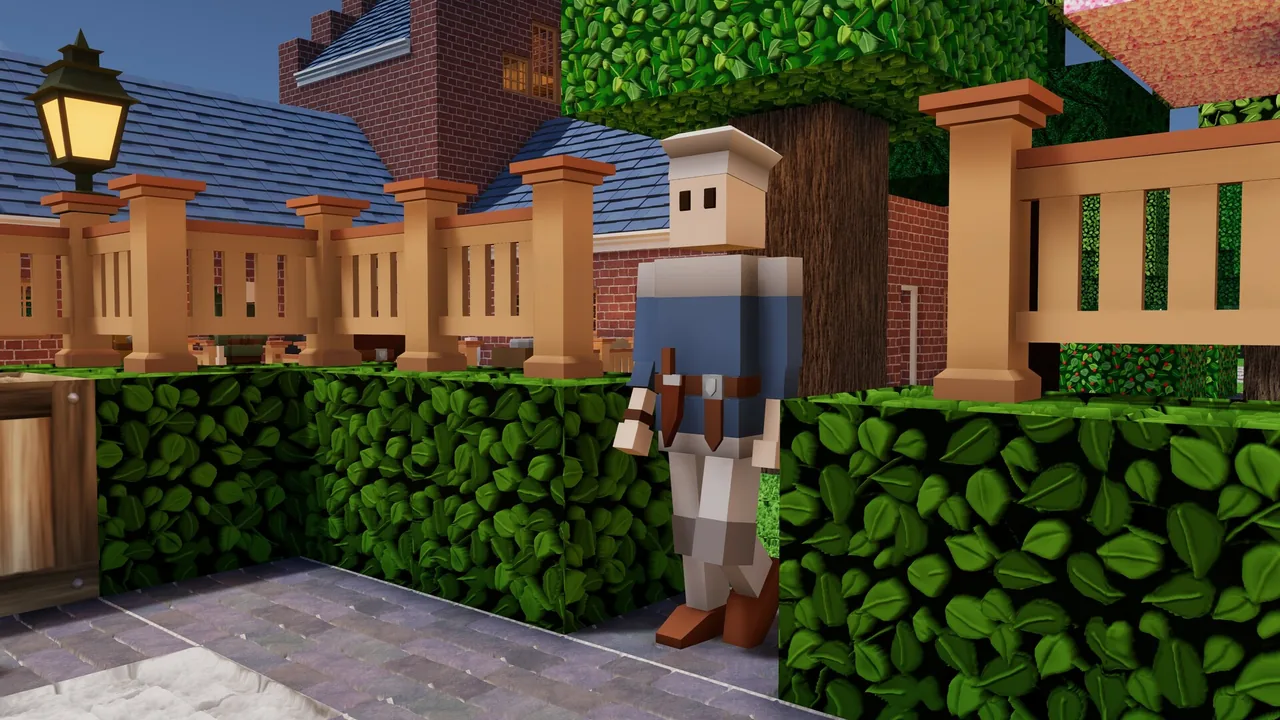
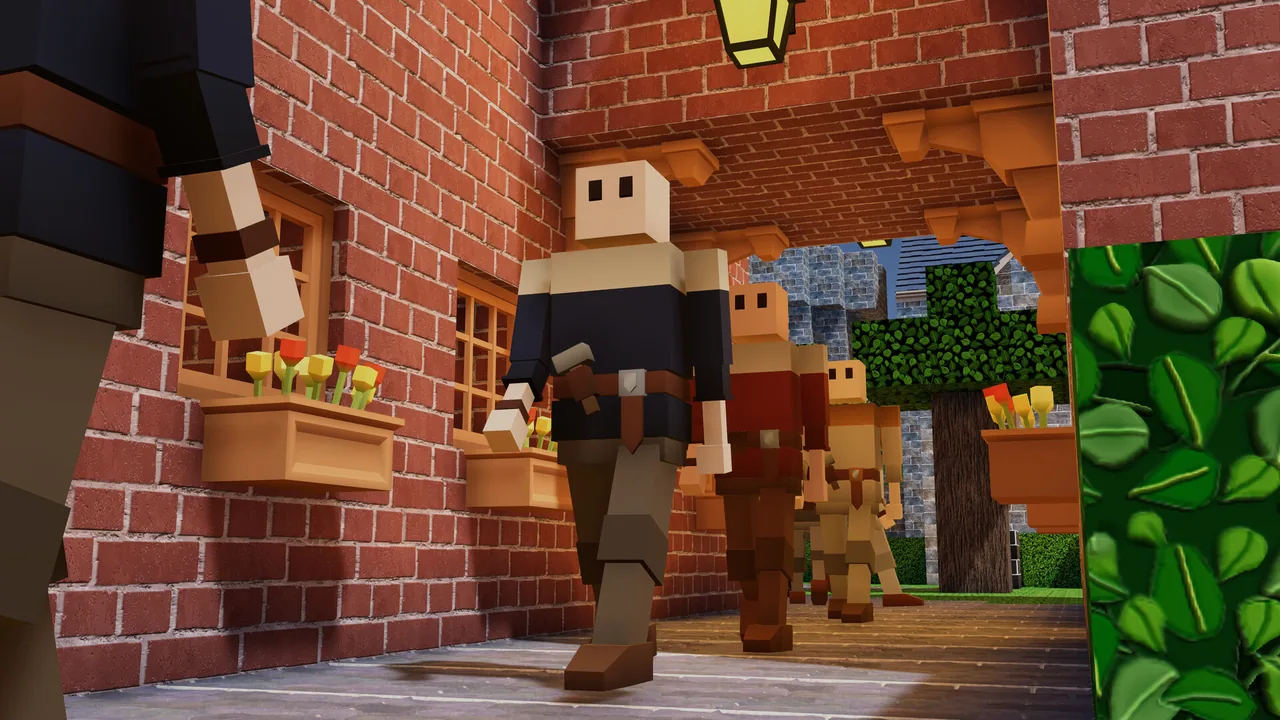
- Visual presentation is functional rather than striking, and a minority of reviewers describe the overall content volume as thin relative to the asking price, particularly compared to genre benchmarks that have shipped more world variety
Screenshots
-
Colony SurvivalImage: Pipliz via Steam -
Colony SurvivalImage: Pipliz via Steam -
Colony SurvivalImage: Pipliz via Steam -
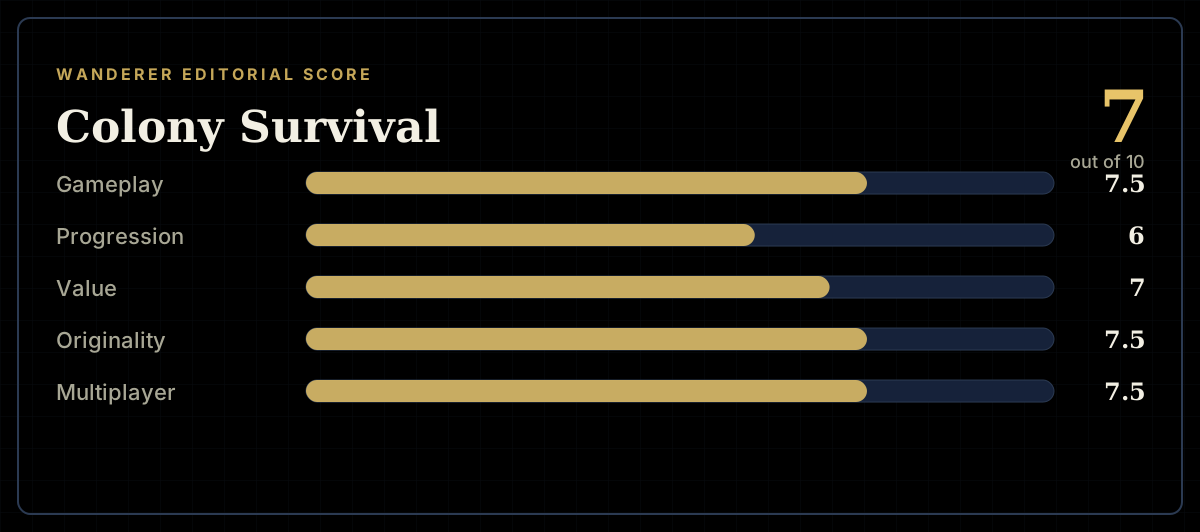
How the review scores each part of the gameWanderer Editorial -
The short versionWanderer Editorial