
Game review
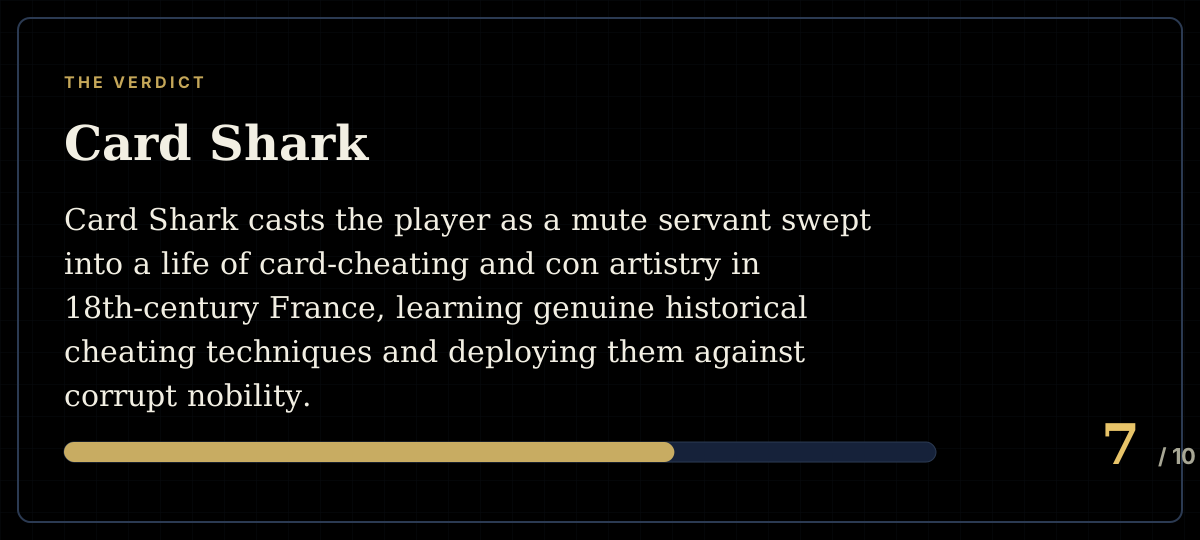
Card Shark
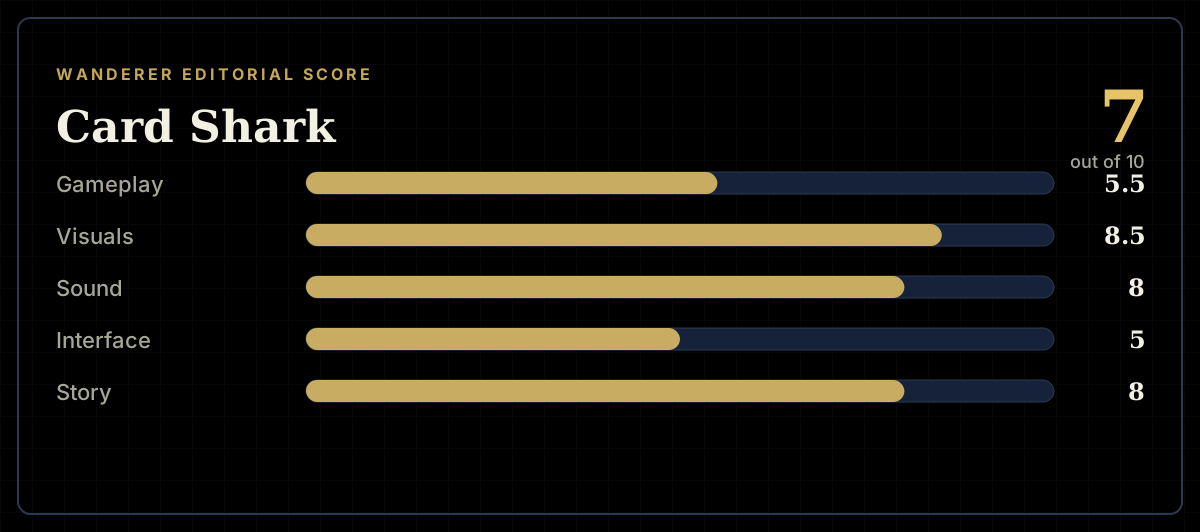
7 / 10
- Developer
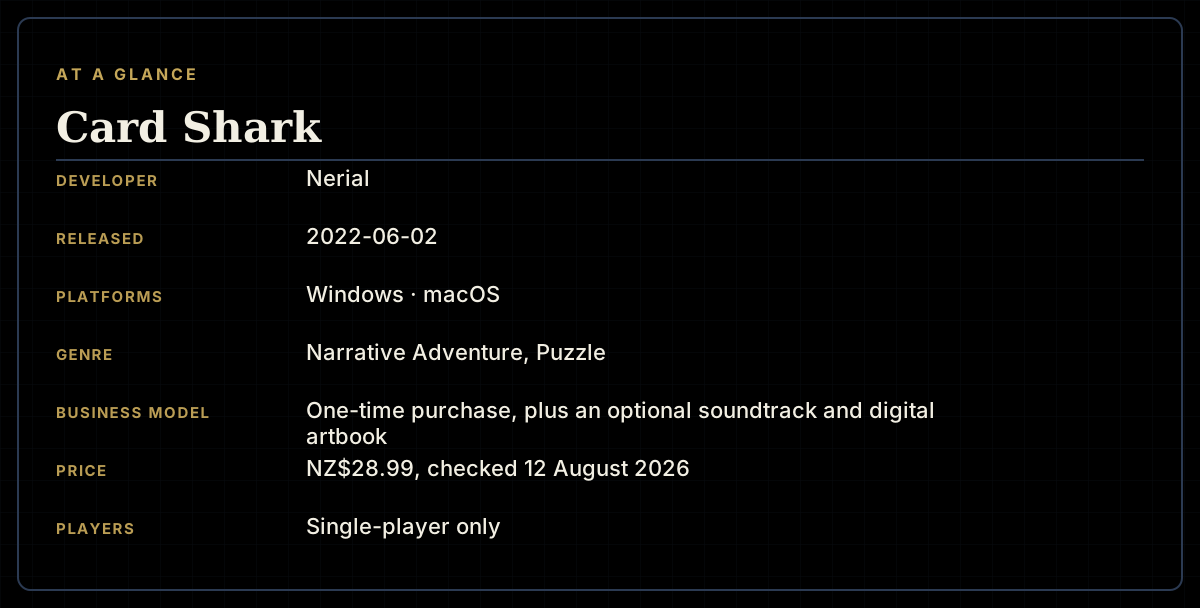
- Nerial
- Publisher
- Devolver Digital
- Released
- 2 June 2022
- Platforms
- Windows, macOS
- Genre
- Narrative Adventure, Puzzle
- Monetisation
- One-time purchase, plus an optional soundtrack and digital artbook
- Players
- Single-player only
The short version
Card Shark casts the player as a mute servant swept into a life of card-cheating and con artistry in 18th-century France, learning genuine historical cheating techniques and deploying them against corrupt nobility. Developed by Nerial and published by Devolver Digital, it released 2 June 2022 and sits at Very Positive, 88.4% across 995 English-language reviews. The writing, art direction and music draw consistent, specific praise from nearly the entire sample — but a large and detailed share of that same sample, including many reviewers who otherwise recommend the game, describes the moment-to-moment gameplay as a punishing sequence of quick-time events and memorised input strings rather than the strategic, skill-based cheating the premise implies, with unforgiving failure states and few tools to practice or review a trick once it's introduced.
Biggest strengths
- Writing, character work and historical setting draw wide, specific praise, with the 18th-century French backdrop and the cast of thieves and nobility repeatedly singled out as genuinely compelling rather than decorative
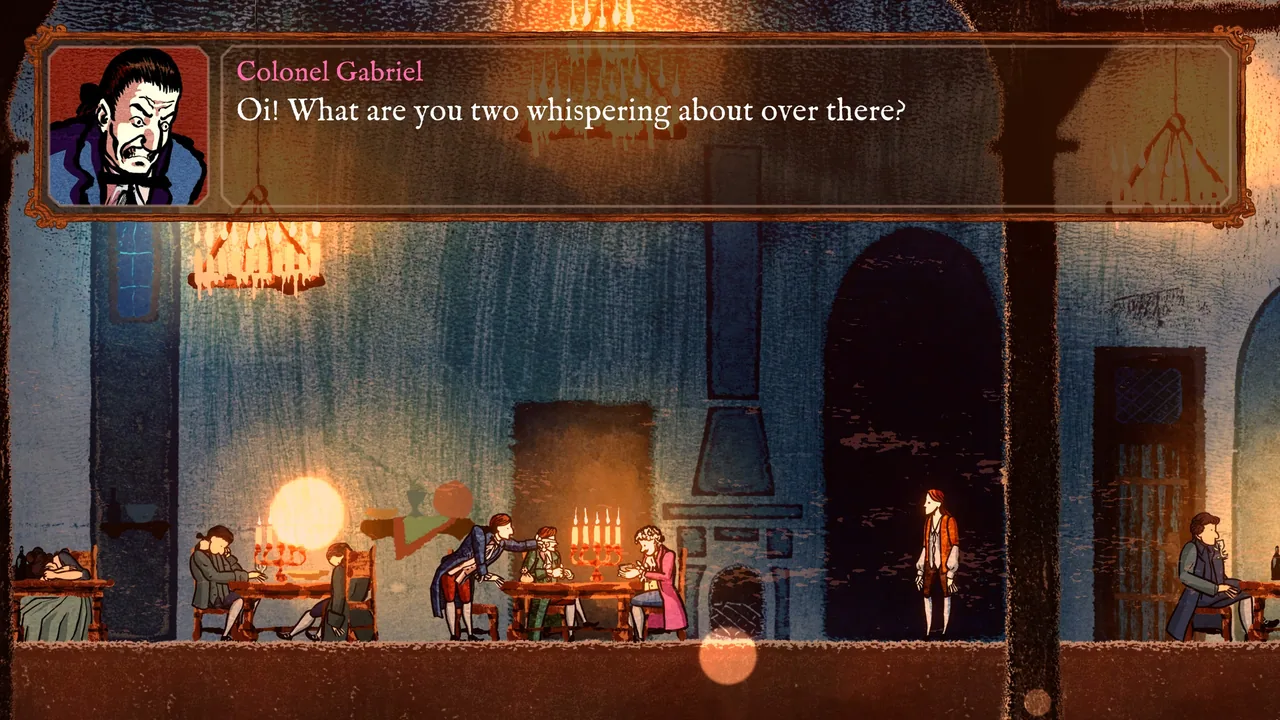
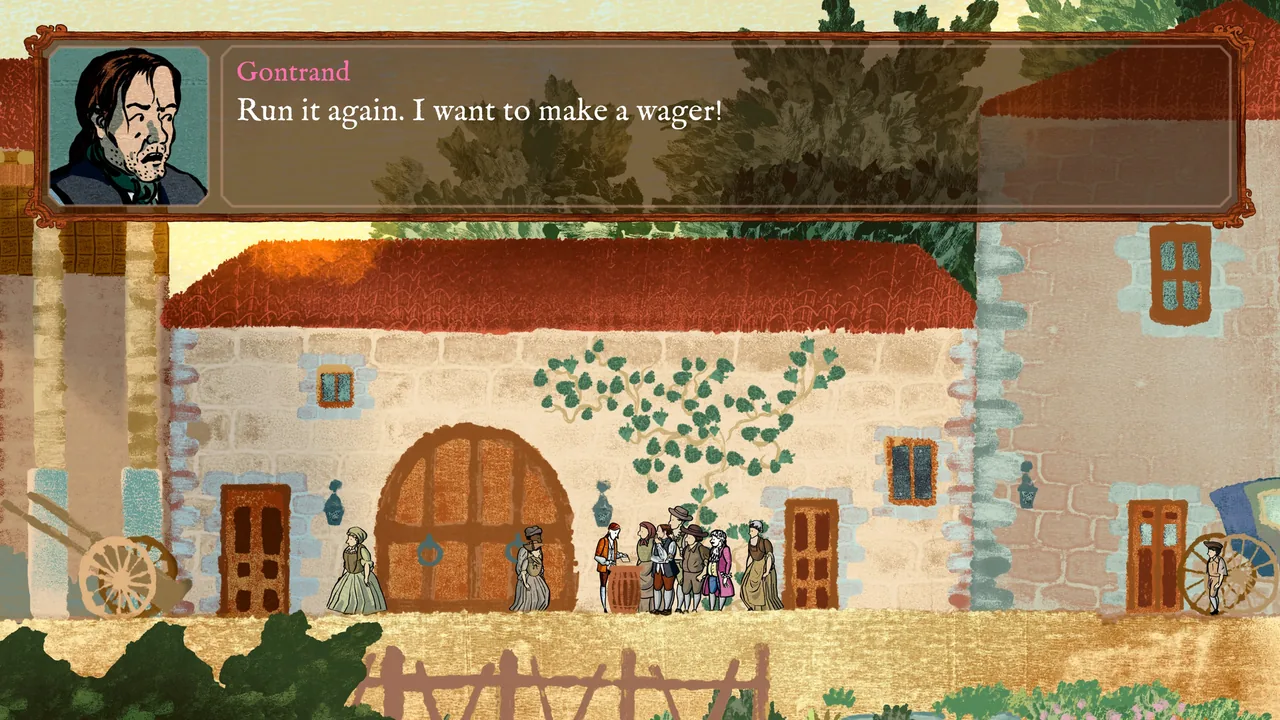
- Art direction and animation earn consistent, near-universal praise, including from reviewers who are otherwise critical of the gameplay
- The underlying cheating techniques taught throughout are drawn from real historical card-sharp methods, which several reviewers specifically credit with making the premise feel authentic rather than invented
Biggest weaknesses
- The core gameplay loop is widely and specifically described as a series of quick-time events and memorised input sequences rather than strategic, skill-based cheating, which several reviewers say undercuts the promise of the premise
- Failure is unusually punishing — a single missed input frequently forces replaying an entire slow-paced section from the start, with no in-game way to review a trick's instructions once the tutorial for it has passed
- Input precision draws repeated technical complaints, particularly with mouse control, which multiple reviewers describe as laggy or unreliable for the game's more demanding timing-based minigames
Who it's for: Fans of stylish, story-driven historical fiction who don't mind precise, punishing timing-based minigames; a poor fit for anyone who wanted genuine strategic card-game decision making, or who gets frustrated by having to replay full sections after a single missed input.
Our recommendation: A genuinely well-written, beautifully presented game whose core mechanic asks something different, and often harsher, than what its premise promises — worth it for the story and setting if you can make peace with that gap.
7 / 10
Introduction
Card Shark follows Eugène, a mute serving boy in 18th-century France who's pulled into a life of card-sharking and grand cons after witnessing a murder over a rigged game. Developed by Nerial and published by Devolver Digital, it released 2 June 2022 and sits at Very Positive, 88.4% across the 995 English-language reviews this review reads in full. The writing and presentation are the clearest source of that score — this is a game reviewers describe with real affection for its setting, characters and craft. What runs underneath that praise, consistently and specifically enough to shape this review's central argument, is a persistent gap between what the premise promises and what the actual gameplay demands.
A story and setting reviewers keep singling out
Start with what almost nobody in this sample disputes. The 18th-century French setting, and the cast of thieves, nobles and marks Eugène moves among, draw specific, repeated praise as genuinely compelling storytelling rather than a backdrop for minigames. Several reviewers highlight that the cheating techniques taught throughout the game are drawn from real historical card-sharp methods rather than invented for the story, which lends the whole premise a texture of authenticity — one reviewer, a college student who'd built a much smaller student project around the same idea, described being "in awe" of how much further Nerial had taken the concept. Art direction and animation earn similarly consistent praise, including from reviewers who go on to criticise the gameplay at length; and music draws its own specific compliments as elevating individual scenes rather than sitting quietly in the background.
What the premise promises versus what it delivers
Here's the tension running through this review's negative sample, stated by reviewer after reviewer in nearly identical terms. The game is marketed and initially perceived as being about strategic cheating — reading a table, choosing techniques, out-thinking opponents. What it actually delivers, according to a large share of reviewers on both sides of the recommend/don't-recommend line, is a series of quick-time events: precise, timed input sequences that must be executed correctly, often memorised in advance, with little room for improvisation once a scene begins. One 85-vote review put it directly, invoking a beloved reference point: the game "is indeed my favourite Kubrick film" in inspiration, "but the game falls woefully short of its vast potential. It really is nothing more than a glorified QTE-fest." Another reviewer who finished the game and loved the presentation still described the gameplay loop as a "repetitive set of overly convoluted mini-games... plagued by a complete disregard for quality of life at every single turn." Crucially, this isn't only a negative-review pattern — several positive reviews make the identical observation and recommend the game anyway specifically because the writing and presentation carry it through the friction, which is a meaningfully different and more nuanced picture than a simple thumbs-down would suggest.
The specific friction points
Reviewers are unusually precise about where that friction comes from, which makes it worth detailing rather than summarising. First, failure is punishing: multiple reviews describe a single missed input forcing a full replay of a slow-paced section from its start, with the game offering no way to review a trick's instructions once its introductory tutorial has passed — one reviewer noted having to "comb the internet" to relearn a technique introduced hours earlier. Second, input precision itself draws repeated technical complaints, particularly on mouse control, which several reviewers describe as laggy or inconsistent for the more demanding timing-based minigames — a 36-vote review called out "extremely janky and unpredictable" inputs specifically for gestures like three-card monte. Third, several reviewers who wanted to explore alternate choices or techniques on a later playthrough report finding no way to revisit a specific decision point without restarting the entire game, which limits the kind of experimentation the premise seems built to reward.
It's worth noting, in fairness, that not every reviewer experiences this as a flaw — several specifically praise the tension of the ticking-clock, high-stakes structure, comparing it favourably to precision platformers like Celeste for the way mastery genuinely feels earned once a trick clicks. That comparison cuts both ways, though: one reviewer made exactly this comparison to explain why the game needed, and lacked, an easier story-mode difficulty option, since Celeste itself famously ships with one and Card Shark doesn't.
A healthy completion curve, for what it's worth
Steam's achievement data shows a broad early engagement curve — the top achievement sits at 86.8%, tapering down through a real midgame before the hardest, most demanding sequences drop under 1% — consistent with a game the large majority of buyers start and substantially progress through, even if a meaningful number don't fully master its hardest late-game tricks. That's a useful counterpoint to the gameplay criticism above: whatever friction exists, it isn't stopping most players from getting well into the story.
Final Verdict
Card Shark is a genuinely well-written, gorgeously presented piece of historical fiction that a large share of its own audience recommends specifically despite, rather than because of, its core gameplay loop. The premise promises strategic, skill-based con-artistry; what it delivers, according to reviewer after reviewer on both sides of the split, is a demanding, occasionally punishing sequence of memorised quick-time events with real technical friction around input precision and almost no tolerance for mistakes. If the writing, setting and presentation are enough to carry you through that gap — and for most of this game's reviewers, they clearly were — there's a genuinely worthwhile story here. If you came expecting a strategy game about cheating at cards, be ready for something closer to a rhythm game about it instead.
Pros and cons
Pros
- Writing, character work and historical setting draw wide, specific praise, with the 18th-century French backdrop and the cast of thieves and nobility repeatedly singled out as genuinely compelling rather than decorative
- Art direction and animation earn consistent, near-universal praise, including from reviewers who are otherwise critical of the gameplay
- The underlying cheating techniques taught throughout are drawn from real historical card-sharp methods, which several reviewers specifically credit with making the premise feel authentic rather than invented
- Music and sound design draw repeated, specific compliments as elevating scenes beyond what the visuals alone would carry
Cons
- The core gameplay loop is widely and specifically described as a series of quick-time events and memorised input sequences rather than strategic, skill-based cheating, which several reviewers say undercuts the promise of the premise
- Failure is unusually punishing — a single missed input frequently forces replaying an entire slow-paced section from the start, with no in-game way to review a trick's instructions once the tutorial for it has passed
- Input precision draws repeated technical complaints, particularly with mouse control, which multiple reviewers describe as laggy or unreliable for the game's more demanding timing-based minigames
- Several reviewers who finished the game report wanting to explore alternate choices on a second playthrough but found no way to revisit specific decision points without a full replay
Screenshots
-
Card SharkImage: Devolver Digital via Steam -

Card SharkImage: Devolver Digital via Steam -
Card SharkImage: Devolver Digital via Steam -
How the review scores each part of the gameWanderer Editorial -
The essentials at a glanceWanderer Editorial -
The short versionWanderer Editorial