
Game review
Burn The Witch: Toll of the Bell Bearer
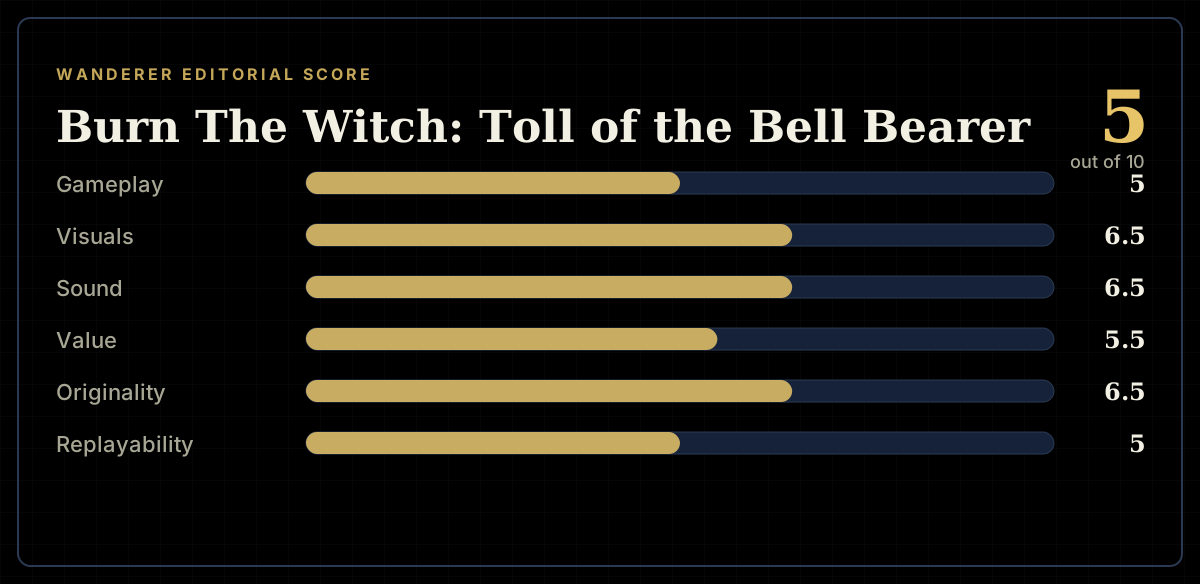
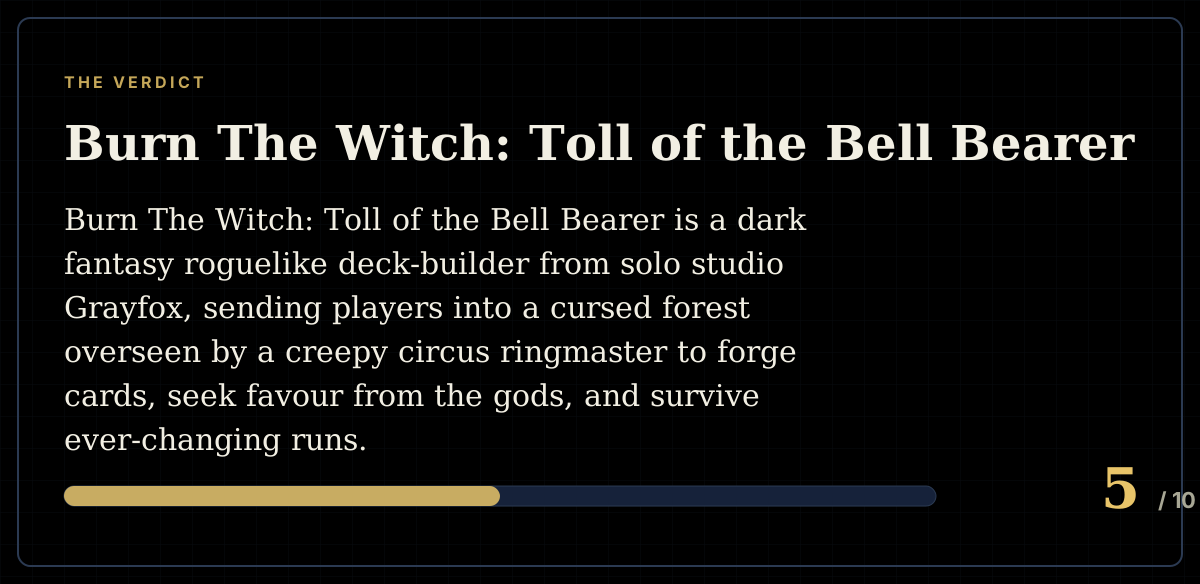
5 / 10
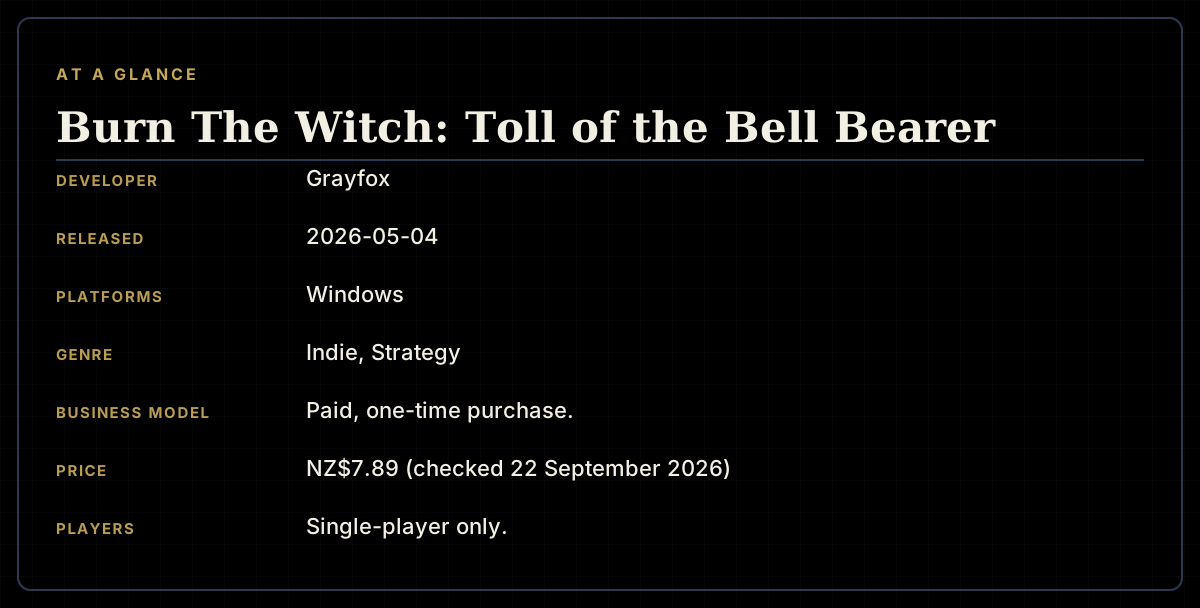
- Developer
- Grayfox
- Publisher
- Grayfox
- Released
- 4 May 2026
- Platforms
- Windows
- Genre
- Indie, Strategy
- Monetisation
- Paid, one-time purchase.
- Players
- Single-player only.
The short version
Burn The Witch: Toll of the Bell Bearer is a dark fantasy roguelike deck-builder from solo studio Grayfox, sending players into a cursed forest overseen by a creepy circus ringmaster to forge cards, seek favour from the gods, and survive ever-changing runs. Its extremely small English review sample praises a genuinely distinctive, addictive atmosphere and flexible deck-building, tempered by fair, corroborated complaints about a confusing, poorly explained onboarding experience.
Biggest strengths
- Praised by two independent reviewers for a genuinely distinctive, creepy-but-addictive dark fantasy atmosphere, crediting the cursed forest setting, ancient shrines, and a memorably strange circus ringmaster.
- Praised for flexible, run-to-run deck-building, with one detailed reviewer crediting constant card discovery, reforging, and shrine-blessing variety for keeping runs from feeling repetitive.
- Praised for its music and minigame rewards, with one reviewer specifically singling out the soundtrack as a highlight worth playing for on its own.
Biggest weaknesses
- A fair, heavily corroborated complaint from two independent reviewers is that the game's onboarding is confusing and poorly explained, with one describing winning a run without understanding how, and requesting an instant refund, and another reporting they could not tell what several UI elements or button styles were meant to do.
- A fair complaint from one reviewer is that the game's window repeatedly and distractingly changes size during play, an issue this review treats with some caution as a single-source technical report.
- This review's own check of Steam's global achievement data shows an unusually low 9.7 percent of players earning a "First Steps" achievement, broadly consistent with reviewer accounts of a confusing early game that loses some players before they get properly started.
Who it's for: Roguelike deck-builder fans drawn to a strange, dark-fantasy circus setting who are willing to push through an unclear early game and judge from a very small review base; players wanting a clear, well-taught tutorial should wait for further updates.
Our recommendation: A strange, atmospheric deck-builder with real creative ideas, undercut by a genuinely confusing onboarding experience that has already cost it more than one early refund.
5 / 10
Forge your deck, and answer the bell bearer's toll
Burn The Witch: Toll of the Bell Bearer is a dark fantasy roguelike deck-builder from solo studio Grayfox, set in a cursed forest overseen by a creepy circus ringmaster named Ceer, tasking players with forging powerful cards, seeking favour from ancient gods, and surviving runs where no two playthroughs are the same. This review draws on an English review sample, only 4 reviews at the time of research (2 positive, 2 negative), one of the smallest samples this review has covered.
Praised for a genuinely distinctive, addictive atmosphere
Where this review found praise, it centred on how strange and memorable the game's world feels. "Obsessed with this game!!! The music is so fun, and I love the storyline. Ceer is a greasy-circus-man and I love his creepy weird circus, I could play the mini games for hours!!" reads one enthusiastic review. A separate, more detailed reviewer independently reaches a similar conclusion in calmer terms: "Burn The Witch mixes roguelike deck-building with a dark fantasy atmosphere that feels genuinely unique. The cursed forest setting, ancient shrines, and strange enemy designs give the whole game a creepy but addictive vibe that kept me wanting to do 'just one more run.'" This review treats that as fair: two independent reviewers, in very different registers, converging on the same specific praise for a distinctive, addictive dark-fantasy identity is credible evidence the game's setting and mood are a genuine creative strength.
Praised for flexible, run-to-run deck-building
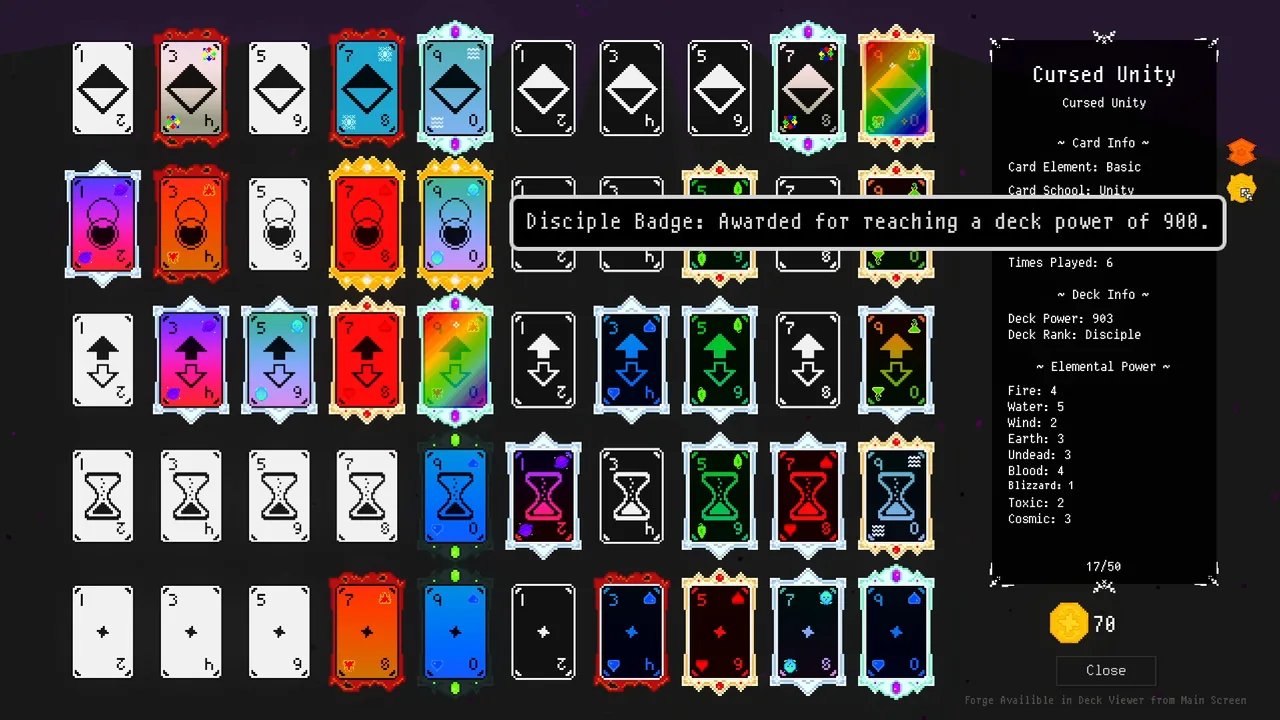
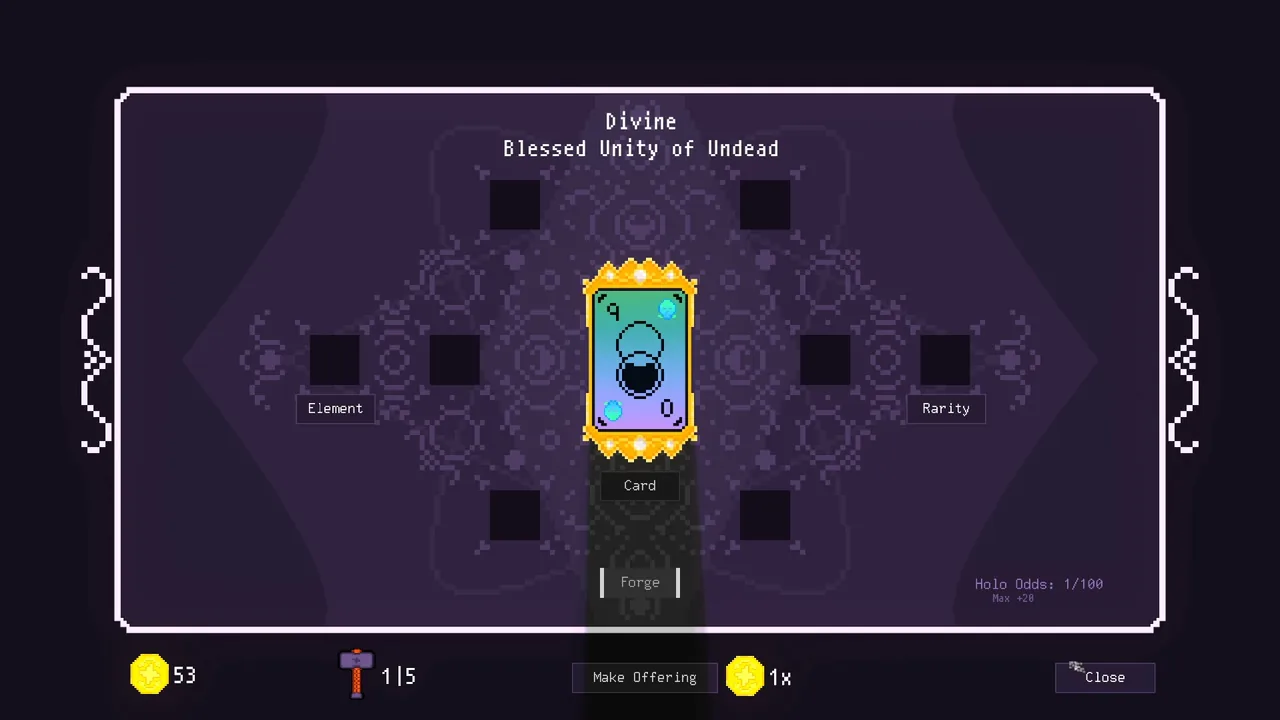
This review also found specific praise for how each run's deck comes together. "What I liked most was how flexible the deck-building feels. You're constantly finding new cards, reforging builds, and adapting your strategy depending on what the run gives you... the shrine blessings and minigames also help keep runs from feeling repetitive," reads the same detailed review, which describes some runs as "completely overpowered" while others "force you to survive by making smart decisions with limited resources." This review treats that as fair: it is a specific, detailed, first-hand account of the moment-to-moment deck-building loop working as intended, even though it is not independently corroborated by a second detailed source in this small sample.
A fair, heavily corroborated complaint about confusing onboarding
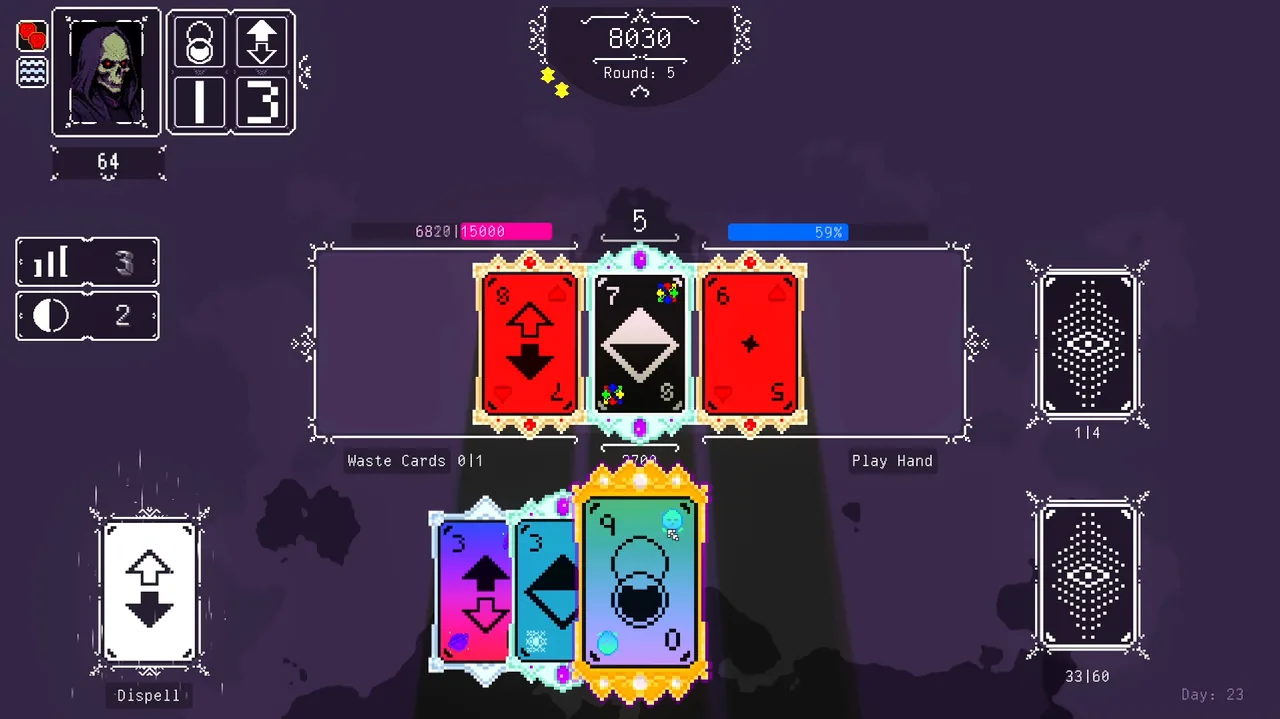
Set against that praise, this review found the sample's most consistently repeated and severe complaint. "I really wanted to like this game as it seems zany and novel, but the sad truth is that I have no idea what is happening and what I'm supposed to do here. I won a round and I have no idea how. This is an instant refund sadly, until there is some guide into what the hell is going on and what any of the stuff on the UI is," reads one negative review. A separate negative reviewer independently describes the same underlying problem: "it needs some playability help. I don't want to read to book to get started. Also, the style used for buttons made it impossible to tell what shows a tooltip for cards." This review treats that as fair: two independent reviewers, both otherwise curious about the game rather than dismissive of it, converging on the same specific complaint about unclear rules and unreadable UI elements is strong, corroborated evidence of a genuine onboarding problem, one severe enough that it has already cost the game at least one explicit refund and a second reviewer's hesitant recommendation to hold off buying.
A fair complaint about a resizing window
This review also found a more isolated technical complaint. "The window keeps changing size, which is highly annoying," reads the same detailed negative review, alongside its broader concerns about unclear UI. This review treats that complaint with some caution, since it comes from a single account rather than being independently corroborated elsewhere in the sample, but flags it as a specific, concrete technical issue worth noting for buyers sensitive to that kind of instability, particularly since the same reviewer also reports the game's unclear button styling as part of a broader pattern of rough, unpolished interface work rather than an isolated one-off glitch.
Achievement data and a note on this review's extremely small sample
This review's own check of Steam's global achievement data found an unusually low 9.7 percent of players earning the game's "First Steps" achievement, among the lower figures in its full achievement list. That comparatively low early-milestone rate is broadly consistent with reviewer accounts of a confusing early game, suggesting a meaningful share of players may be dropping off before they fully understand what they are meant to be doing. This review draws on only 4 English reviews at the time of research, so several of the claims above rest on a single detailed source rather than broad corroboration, and this rating should be read with real caution until a larger review base is available.
Final verdict
Burn The Witch: Toll of the Bell Bearer is a strange, atmospheric roguelike deck-builder that earns real, corroborated credit for a distinctive dark-fantasy identity and flexible run-to-run deck-building, praise this review found genuine even within such a small sample. That praise is significantly undercut by a heavily corroborated complaint about confusing, poorly explained onboarding, an issue severe enough to have already driven away at least one reviewer entirely. For roguelike deck-builder fans drawn to a strange, memorable setting who are willing to push through an unclear early game and judge from a very small review base, it may be worth a look; players wanting a clear, well-taught introduction should wait for further updates.
Pros and cons
Pros
- Praised by two independent reviewers for a genuinely distinctive, creepy-but-addictive dark fantasy atmosphere, crediting the cursed forest setting, ancient shrines, and a memorably strange circus ringmaster.
- Praised for flexible, run-to-run deck-building, with one detailed reviewer crediting constant card discovery, reforging, and shrine-blessing variety for keeping runs from feeling repetitive.
- Praised for its music and minigame rewards, with one reviewer specifically singling out the soundtrack as a highlight worth playing for on its own.
Cons
- A fair, heavily corroborated complaint from two independent reviewers is that the game's onboarding is confusing and poorly explained, with one describing winning a run without understanding how, and requesting an instant refund, and another reporting they could not tell what several UI elements or button styles were meant to do.
- A fair complaint from one reviewer is that the game's window repeatedly and distractingly changes size during play, an issue this review treats with some caution as a single-source technical report.
- This review's own check of Steam's global achievement data shows an unusually low 9.7 percent of players earning a "First Steps" achievement, broadly consistent with reviewer accounts of a confusing early game that loses some players before they get properly started.
- This review's own assessment notes the sample here is extremely small, only 4 English reviews at the time of research, so several of the claims above rest on a single detailed source rather than broad corroboration.
Screenshots
-
Burn The Witch: Toll of the Bell BearerImage: Grayfox via Steam -
Burn The Witch: Toll of the Bell BearerImage: Grayfox via Steam -
Burn The Witch: Toll of the Bell BearerImage: Grayfox via Steam -
How the review scores each part of the gameWanderer Editorial -
The specs at a glanceWanderer Editorial -
The short versionWanderer Editorial