Game review
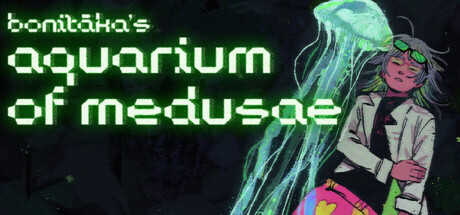
bonitāka's aquarium of medusae Review
7.5 / 10
- Developer
- bonitāka
- Publisher
- bonitāka
- Released
- 15 September 2026
- Platforms
- ["Windows"]
- Genre
- Adventure
A Birthday Gift, Shared With Everyone
Some games are built to fill a market gap. bonitāka's aquarium of medusae was built as a gift the developer gave themselves for turning 22, and that origin story shapes every minute of the roughly half-hour experience that follows. You play a marine biologist's assistant, piloting a small submarine out to collect anomalous jellyfish, tuning in to each one's inner voice as you bring it home to the aquarium. It's a small, quiet, achingly personal project, and it wears that personal quality proudly rather than hiding it behind genre conventions, framed by the developer explicitly as "a time capsule of the person I am."
Six Jellyfish, Six Small Lives
The structural conceit is disarmingly simple: pilot the submarine, locate and collect six-plus distinct jellyfish species, either by direct submarine collection or an optional fishing mini-game, and listen to what each one has to say once it's added to the aquarium. Every jellyfish carries its own musings on life, and every one was voiced by a different friend of the developer, several performing in their own native languages, which gives the aquarium an unusually intimate, almost scrapbook-like quality once it's fully stocked. Rather than one central narrative voice, players get a chorus of small, distinct perspectives, more like flipping through a friend's collection of voice memos than following a traditional plotted story, and that structure suits the game's tiny scale far better than a single sustained arc would have.
The Aquarium as a Keepsake, Not Just a Menu
Once collected, jellyfish don't simply get filed away in a checklist; they populate a living aquarium tank that the game explicitly invites players to just sit with, watching the creatures drift while the developer's friend's original score plays underneath. That decision to treat the finished collection as a place to linger, rather than a completed objective to close out and move past, is a small but telling design choice. It reframes the entire collection loop retroactively: you're not gathering jellyfish to check a box, you're building a small sanctuary you're meant to want to return to and simply watch, which mirrors the game's broader thesis about noticing and holding onto small, quiet, meaningful things rather than a straight completion, even after the credits roll.
Short by Design, Not by Accident
At roughly 25 minutes of core playtime, with the fishing mini-game adding perhaps five more, this is about as short as a paid narrative game gets, and it's worth being upfront about that rather than dressing it up. One early reviewer notes there's barely enough runtime to write something "thoughtful or comprehensive" about, which is a fair observation, though that reviewer still came away engaged by how the game's existentialist streak felt genuinely grounded rather than performative, crediting the personal framing the developer gives it up front. This isn't a game trying to stretch a small idea into a padded runtime; it's explicitly built to be finished in a single sitting, treated more like a short film or a concept album than a traditional game with hours of systems to master. It sits alongside other brief, mood-first narrative games like Dear Esther or What Remains of Edith Finch's smaller vignette sequences in that regard, though its scope is deliberately far more modest than either of those, a single evening's worth of feeling rather than a sprawling family history to piece together.
Atmosphere Carries the Weight
What the early reviews keep circling back to isn't mechanical depth, there isn't much of it here, but mood: one reviewer calls the whole thing "thoughtful and immersive," praising the mix of philosophy and marine life alongside music composed by a friend of the developer, while another describes it as "short, sweet and philosophical" and "very very memorable." A third, more effusively, admits to going in braced for irony and instead getting caught off guard by how much the writing landed, calling it "a short, meant-to-be-played-in-a-single-session banger" with a genuinely palpable vibe. That's an unusually consistent emotional through-line across a tiny sample of reviews, and it lines up with what the game is clearly trying to do: use the low-stakes, meditative act of collecting jellyfish as a vessel for something more personal underneath.
A Small Price for a Small, Sincere Thing
At $3.99, bonitāka's aquarium of medusae isn't positioning itself as a substantial purchase in terms of hours delivered, and it shouldn't be judged by that yardstick. It's closer in spirit to a zine or a short film released for a modest price than a traditional game purchase, and the value case rests entirely on whether its specific blend of marine-life curiosity and quiet introspection resonates with a given player. For those it does land with, the reviews suggest it lands hard; for those looking for a substantial time investment, this simply isn't that kind of game, and it never claims to be.
Verdict
bonitāka's aquarium of medusae is a tiny, sincere, deeply personal project that trades length and mechanical complexity for atmosphere and voice, six small jellyfish monologues stitched together into something closer to an emotional keepsake than a conventional game. It won't be for everyone, and its short runtime means it's a tough sell at face value, but the consistency of the emotional reaction across its earliest players suggests the developer's very specific, personal vision is genuinely connecting. For $3.99 and half an hour of your evening, it's an easy, low-risk way to experience a solo developer's earnest, unusually vulnerable creative statement.
Screenshots
-
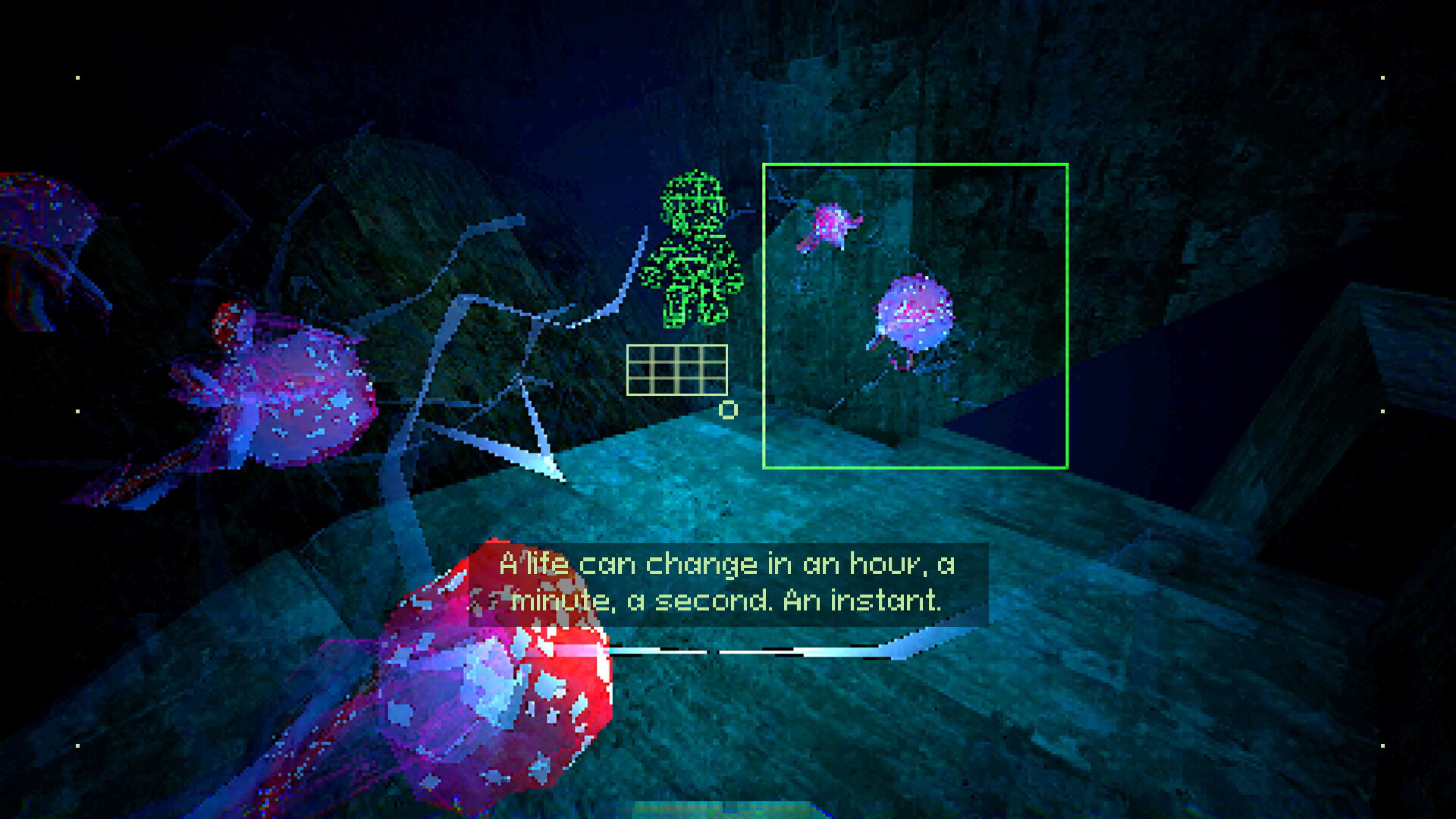
Jellyfish drift past the submarine's viewport as one shares a quiet reflection on how quickly life can turn.Image: bonitāka via Steam -
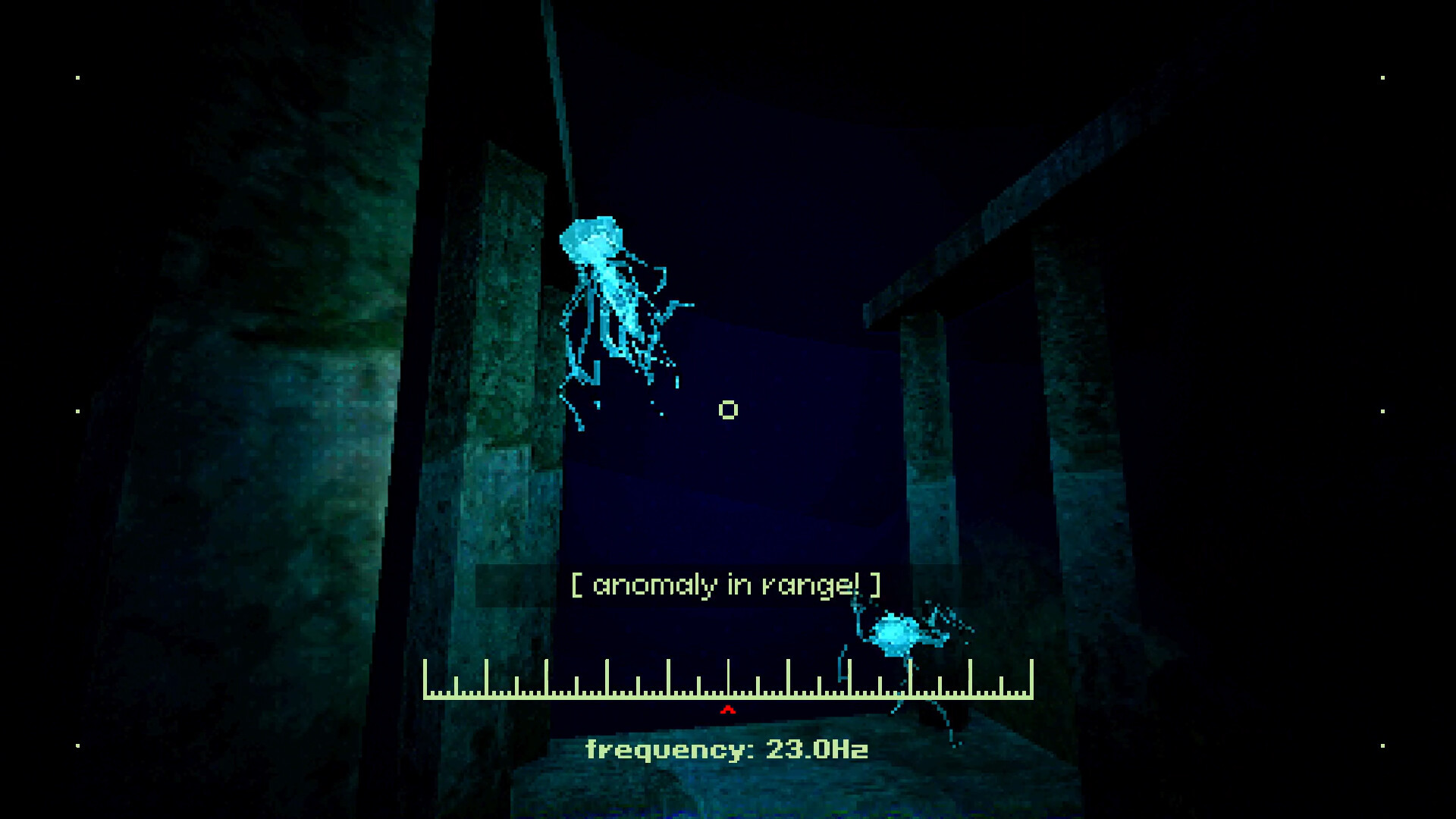
Tuning the submarine's frequency dial to locate an anomalous jellyfish drifting among sunken ruins.Image: bonitāka via Steam -

One of the aquarium's stranger vignettes, rendered in the game's deliberately lo-fi, retro-3D style.Image: bonitāka via Steam