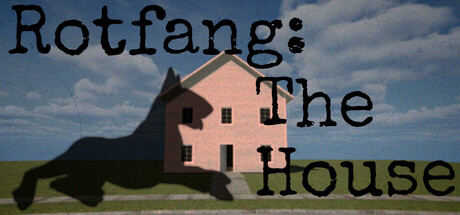
Game review
Rotfang: The House Review
2.6 / 10
- Developer
- Horrid Vision LLC
- Publisher
- Horrid Vision LLC
- Released
- 11 September 2026
- Platforms
- ["Windows"]
- Genre
- Adventure
Playing the Family Dog in an Empty House
Rotfang: The House casts the player as a family dog left behind after everyone in the house, and eventually the whole town, disappears without explanation. The pitch is a short horror experience: explore a suburban house and the small town around it, complete a set of tasks, and dig into whatever dark secret is buried underneath it all, all from a dog's-eye view rather than the usual human protagonist. It's a genuinely novel premise for the genre, horror games rarely commit to a non-human viewpoint for their entire runtime, and the idea of exploring a familiar suburban setting made unfamiliar by both scale and species carries real potential. Developed and published by the small studio Horrid Vision LLC, Rotfang: The House launched on Steam on September 11, 2026, priced at $3.00, with no Early Access tag and no indication the developer considers this an unfinished or evolving build.
A Tiny, Unanimously Negative Launch
Rotfang: The House has drawn 4 reviews so far, all of them negative, for a 0% approval rating. It's a very small sample from a very cheap release, but every single review is detailed rather than a drive-by dismissal, and the specific problems they raise line up closely enough with each other that a clear, consistent picture of the game's failures emerges even from just four voices.
A Premise the Game Never Follows Through On
Every reviewer who engages with the setup describes real initial interest that the actual experience fails to reward. One English-language reviewer says they were "super intrigued by the premise" and found the atmosphere "really solid," but reports the game running poorly and, more damagingly, says the horror entity meant to drive the tension "is not scary" and that it's "entirely unclear how you are meant to progress." That same reviewer flags a specific structural problem: the game lets players simply wander off into the surrounding town and get lost, with no guardrails steering them back toward whatever content actually exists. A French-language reviewer describes an identical experience in blunter terms, saying there's no task guidance at all, just aimless running "for nothing" punctuated by stretches of "realllllyyyyyy long suspense of nothing," and says outright they're tired of games that never communicate what the player is actually supposed to do. A Korean-language reviewer who reached the ending describes it as an anticlimax dressed up as a twist: the entire game turns out to be the dog's nightmare, and it ends with the dog startling awake, falling back asleep, and cutting straight to the title screen, a resolution the reviewer calls hollow given everything endured to reach it.
Broken Movement, a Disorienting Camera, and a Body That Can't Jump
The mechanical criticism is just as pointed as the narrative disappointment. A Simplified Chinese reviewer calls the game "a pile of garbage," singling out an automatically shifting camera as genuinely unpleasant to play with and describing both walking and running as unresponsive, and pointedly asks why a dog protagonist can't jump, a basic capability players might reasonably expect from an animal body if not a human one. The Korean-language reviewer independently confirms the visibility problems are not limited to the camera angle: late in the game, the only light source goes out entirely, leaving the player fumbling through a featureless red underground space with no way to see where they're going, a sequence the reviewer describes as simply "uncomfortable" rather than tense. That same reviewer also notes the game is very short, a criticism that compounds rather than offsets the other complaints, since a brief runtime built around broken traversal and an unrewarding ending doesn't leave much room for the atmosphere praised elsewhere to actually land. No reviewer in the pool reports the game as unplayably broken in a technical, crash-to-desktop sense, but the combination of camera discomfort, unresponsive movement, and a total absence of direction adds up to an experience every single reviewer describes as actively unpleasant to play through, not merely disappointing on reflection. It's also worth noting how tightly these four independent reviews, written in four different languages by players with no apparent connection to one another, converge on the same handful of specific complaints rather than scattering across unrelated gripes; that kind of overlap in a tiny sample is a stronger signal than the raw review count alone would suggest, since it points to problems baked into the core build rather than one player's bad luck or a single unlucky hardware configuration.
Verdict
Rotfang: The House has a premise worth respecting, a horror game told entirely from a dog's perspective, wandering an emptied-out suburban town in search of an explanation, but the four detailed reviews it has drawn so far describe a game that never builds anything real on top of that idea. An uncomfortable, auto-shifting camera, unresponsive movement, a total lack of direction that lets players simply wander off into irrelevant space, and an ending that resolves the entire mystery as a shrug all point to a short horror game that needed considerably more polish and guidance before launch. At $3.00 the financial stakes of trying it are low, but every reviewer who has weighed in so far describes an experience not worth even that modest price, and there's nothing in this small, unanimous pool of criticism to suggest otherwise. A dog that can't jump, a camera that fights the player rather than framing the scares, and an ending that treats its own central mystery as disposable are the kind of fundamentals a horror game needs solved before atmosphere can do any real work, and right now Rotfang: The House hasn't solved any of them.
Screenshots
-
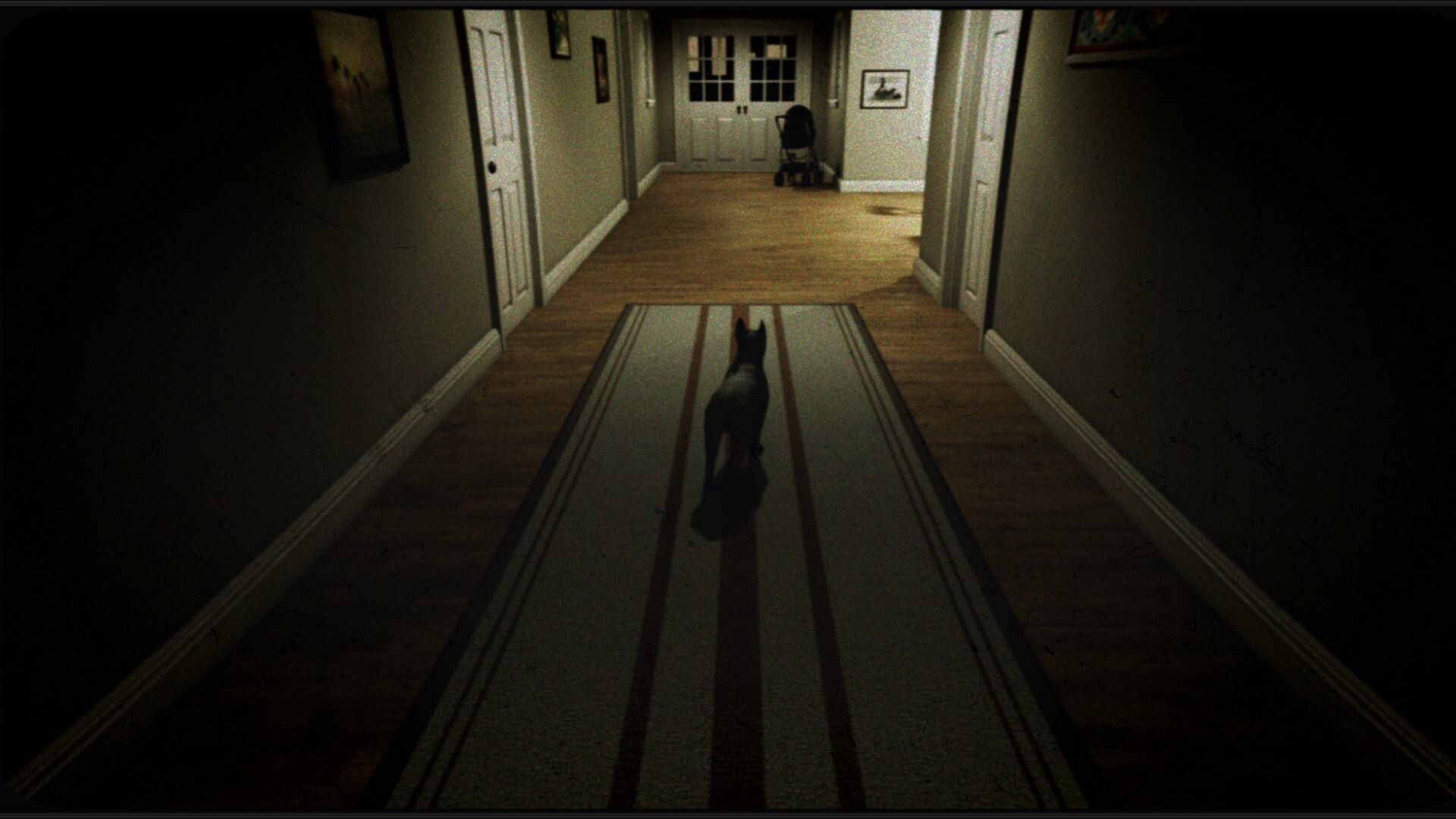
The dog's-eye camera keeps the view low and dim throughout the house, part of the atmosphere reviewers praised even as they criticized its handlingImage: Horrid Vision LLC via Steam -
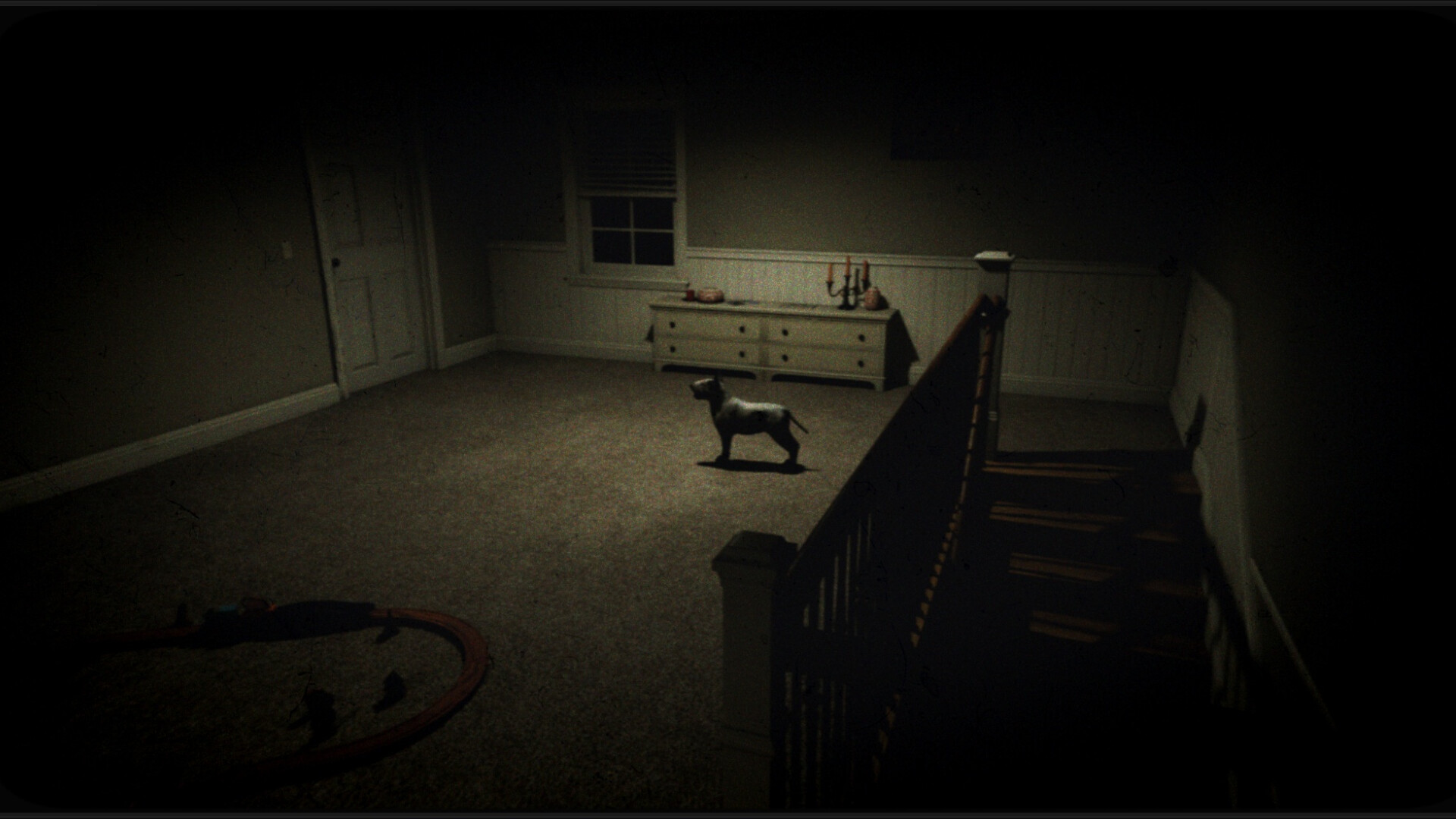
Empty, dimly lit rooms like this one are typical of the house's abandoned, unexplained stateImage: Horrid Vision LLC via Steam -
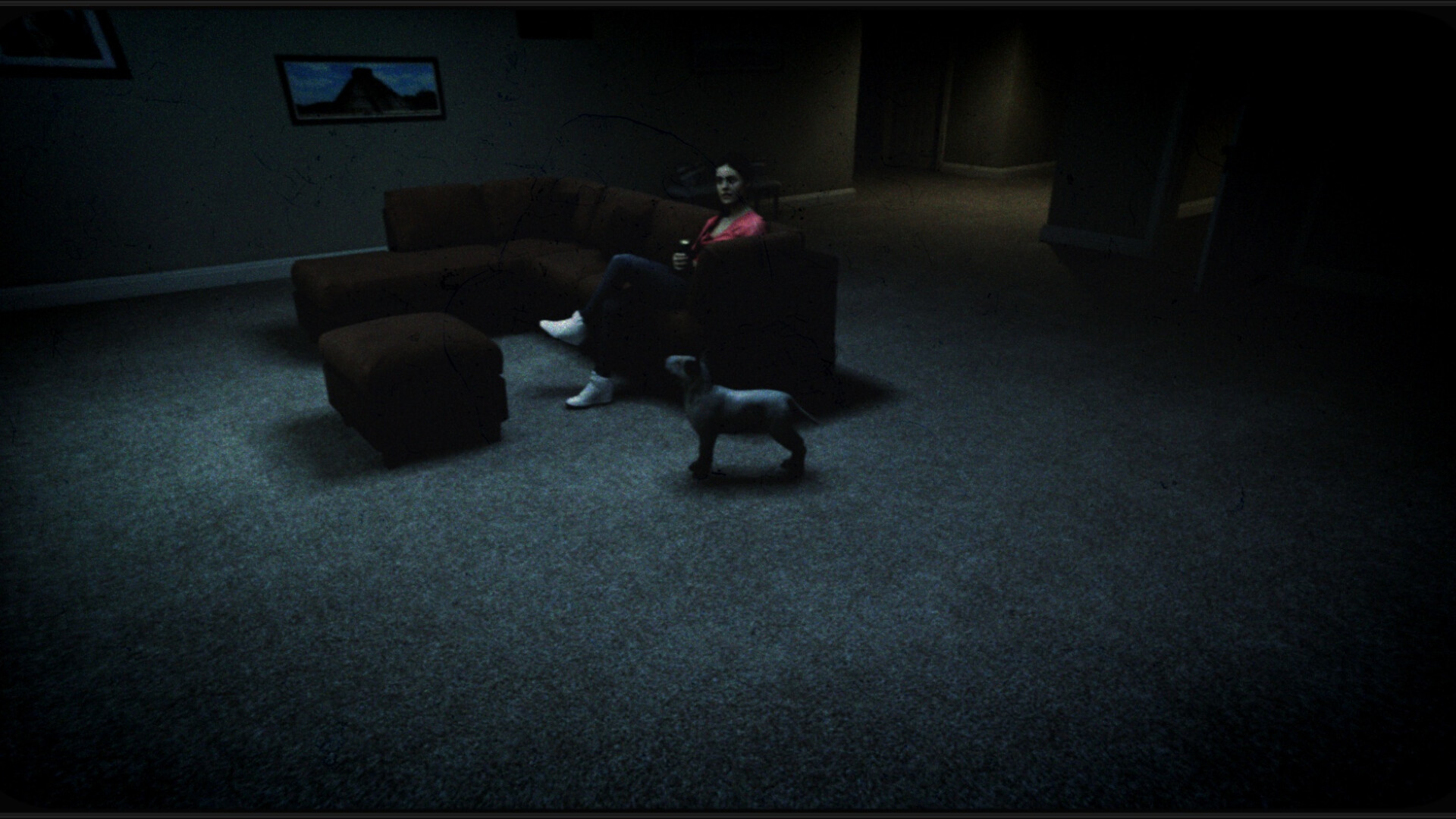
Unsettling figures like this one appear amid the house's emptiness, part of the horror entity reviewers said needed more impactImage: Horrid Vision LLC via Steam