Game review
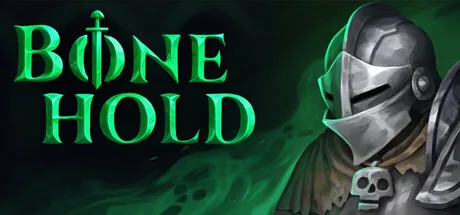
Bonehold
7 / 10
- Developer
- Pixel Jackal, SaikingS
- Publisher
- Pixel Jackal
- Released
- 28 July 2026
- Platforms
- Windows
- Genre
- Roguelike
- Monetisation
- One-time purchase (NZ$15.92); no in-game store, no IAP
- Players
- None; fully single-player
The short version
Bonehold picks a specific reference point and commits to it: 3D roguelike dungeon crawling with ARPG itemization, ten distinct character classes, and hand-painted textures layered against pixel-art sprites for a look reviewers consistently describe as distinctive. One reviewer sums up the appeal in four words — "like Barony, but fun" — and a week after launch, 81 of its first 90 reviewers agree closely enough to keep the game sitting at Very Positive.
The minority who don't agree raise a specific, repeated complaint about combat depth — several independently describe strafing in circles while wearing enemies down as the actual extent of the tactics on offer — alongside a genuinely unusual structural choice worth flagging directly: Bonehold has no mid-run save or checkpoint system at all, meaning a run interrupted by real life is a run lost, regardless of how far it had progressed.
Biggest strengths
- A distinctive visual identity — hand-painted textures against pixel-art sprites — that reviewers consistently single out as striking rather than generic
- Ten character classes with genuinely different playstyles, backed by a deep loot pool of procedurally generated weapons, spells and armour for build variety
- Real itemization depth that reviewers compare favourably to Diablo, with "a surprising amount of depth hiding in the gameplay itself" behind a clean, approachable UI
Biggest weaknesses
- Multiple reviewers, independently, describe the core combat as shallow — "no thinking involved," reduced to strafing away from enemies while attacking, with one calling it "gameplay from circa 1990"
- There is no mid-run save or checkpoint system: one reviewer reports losing a successful run at nearly two hours in simply because they ran out of real-world time to finish it
- A specific difficulty complaint recurs across reviews: certain enemies and hazards (an infinitely-spawning floating enemy, cycling spike pits and flame walls) are described as disproportionately punishing relative to the resources available to deal with them
Who it's for: Fans of loot-driven 3D dungeon crawlers — Diablo's itemization instincts crossed with Barony-style roguelike structure — who have a few uninterrupted hours available per session and don't mind combat built around movement and attrition rather than deep tactical options.
Our recommendation: A strong pick for the genre at its price, with one practical caveat worth taking
7 / 10
Roguelike dungeon crawlers live or die on how their loot and their combat play off each other, and Bonehold's pitch is confident about which half it's leaning on. Ten character classes — Knight, Barbarian, Sorcerer, Spellblade and more — each open a different build path through a procedurally generated fortress of skeletons, ghosts and worse, with weapons, spells and armour dropping in enough variety to genuinely reshape a run. One reviewer distills the whole pitch into a single comparison: "It's like Barony, but fun." A week after launch, 81 of Bonehold's first 90 reviewers broadly agree, and the specific praise and complaints that make up the rest of the picture are worth reading closely rather than just citing the aggregate.
Loot that earns the Diablo comparisons
The itemization is where Bonehold draws its strongest praise. One detailed review frames the whole game as "a combination of a couple types of games that isn't quite like anything else," landing on Diablo as the closest reference "at least in terms of itemization and vibe" before noting the comparison breaks down the moment combat actually starts. Another calls it "really dope," praising a clean, simple UI that gets players into the action fast while still hiding "a surprising amount of depth" underneath. The visual identity gets its own consistent credit: hand-painted textures set against pixel-art character and enemy sprites produce a look reviewers describe as genuinely distinctive rather than a generic dungeon-crawler skin, and full controller support — including specific DualSense and DualShock listings — extends to handheld SteamOS devices, which at least one reviewer specifically confirms works well.
Where the combat complaints cluster
The most consistent criticism in Bonehold's negative reviews targets combat depth specifically, and it shows up independently across multiple reviewers using strikingly similar language. One writes plainly: "there is no thinking involved in any gameplay, just back-circle strafe away from everything as you shoot at it, gameplay from circa 1990." Another, more clipped: "Simplistic combat with cardboard enemies. Dull and unsatisfying." A third describes the loop as feeling "like playing an RPG mod for Minecraft," specifically criticising how much time gets spent "wailing on pots" rather than engaging real threats. Set against the reviewers praising the itemization, this reads less like a contradiction than a genre-specific fault line: Bonehold's loot systems are doing real work, but for a meaningful minority of players, the moment-to-moment act of fighting isn't holding up its end.
A related, more specific complaint concerns difficulty tuning rather than depth. One reviewer flags a "floating enemy that can create infinite mobs in a game with too limited resources," arguing the resulting difficulty spike is more than they'd personally tolerate; a separate review makes a similar point about environmental hazards, describing spikes and traps as "too aggressive" and citing real downtime spent waiting for flame walls and spike pits to cycle before it's safe to proceed. Neither reviewer is describing a broken game — both frame it as a tuning problem in an otherwise likeable one — but the specificity and independence of these reports suggest a real balance question rather than isolated frustration.
The design choice worth flagging directly
One complaint stands apart from questions of taste because it's a concrete, checkable structural fact: Bonehold currently has no mid-run save or checkpoint system. One detailed review lays out the practical consequence plainly — "you have to make sure you potentially have hours available, otherwise you might have to scrap an otherwise successful run," describing scrapping their own run at one hour and forty-four minutes purely because they ran out of real-world time before the game gave them any way to pause and resume later. For a roguelike, permadeath on failure is an accepted genre convention; permadeath on simply needing to stop for the evening is a different and more unusual ask, and it's worth knowing about specifically before committing to a session without checking how much time you actually have free.
An actively supported launch
Whatever the specific complaints, Bonehold isn't sitting still. A 1.0.1 patch landed within the first week, followed by a same-week hotfix, and the game's own store page confirms 98 Steam achievements are already implemented — a genuinely substantial completion target that argues against the "shallow" read of the game's content even where the combat criticism has real merit. Global completion data shows the expected curve for content this size, with the easiest achievements clearing above 90% and harder ones falling into the 40-50% range already, just a week in.
Final verdict
Bonehold earns its Very Positive standing through genuinely strong itemization, a distinctive visual identity, and enough structural depth — ten classes, a substantial achievement list, active post-launch patching — to reward real investment. The recurring combat-depth complaints are specific and independent enough across reviewers to take seriously rather than dismiss as a minority taste, and the absence of any mid-run save system is a concrete practical limitation worth planning around rather than discovering the hard way partway through a long session.
For fans of loot-driven dungeon crawlers willing to accept combat built more around attrition and movement than deep tactics, and who can carve out an uninterrupted session before diving in, this is a strong pick at its price.
Players who want that same loot-chase feeling with progress that persists reliably between sessions, rather than resetting on interruption, may also want to look at Wanderer.
Pros and cons
Pros
- A distinctive visual identity — hand-painted textures against pixel-art sprites — that reviewers consistently single out as striking rather than generic
- Ten character classes with genuinely different playstyles, backed by a deep loot pool of procedurally generated weapons, spells and armour for build variety
- Real itemization depth that reviewers compare favourably to Diablo, with "a surprising amount of depth hiding in the gameplay itself" behind a clean, approachable UI
- Full controller support including DualSense and DualShock, and reviewers specifically note it plays well on SteamOS handhelds
- Active post-launch support, with a 1.0.1 patch and a same-week hotfix already shipped
Cons
- Multiple reviewers, independently, describe the core combat as shallow — "no thinking involved," reduced to strafing away from enemies while attacking, with one calling it "gameplay from circa 1990"
- There is no mid-run save or checkpoint system: one reviewer reports losing a successful run at nearly two hours in simply because they ran out of real-world time to finish it
- A specific difficulty complaint recurs across reviews: certain enemies and hazards (an infinitely-spawning floating enemy, cycling spike pits and flame walls) are described as disproportionately punishing relative to the resources available to deal with them
- At least one reviewer describes gear and level progression as "very incremental," making upgrades feel marginal rather than transformative
- Pacing complaints appear alongside the difficulty ones, with reviewers describing real downtime spent waiting for environmental hazards to cycle before it's safe to proceed
Screenshots
-
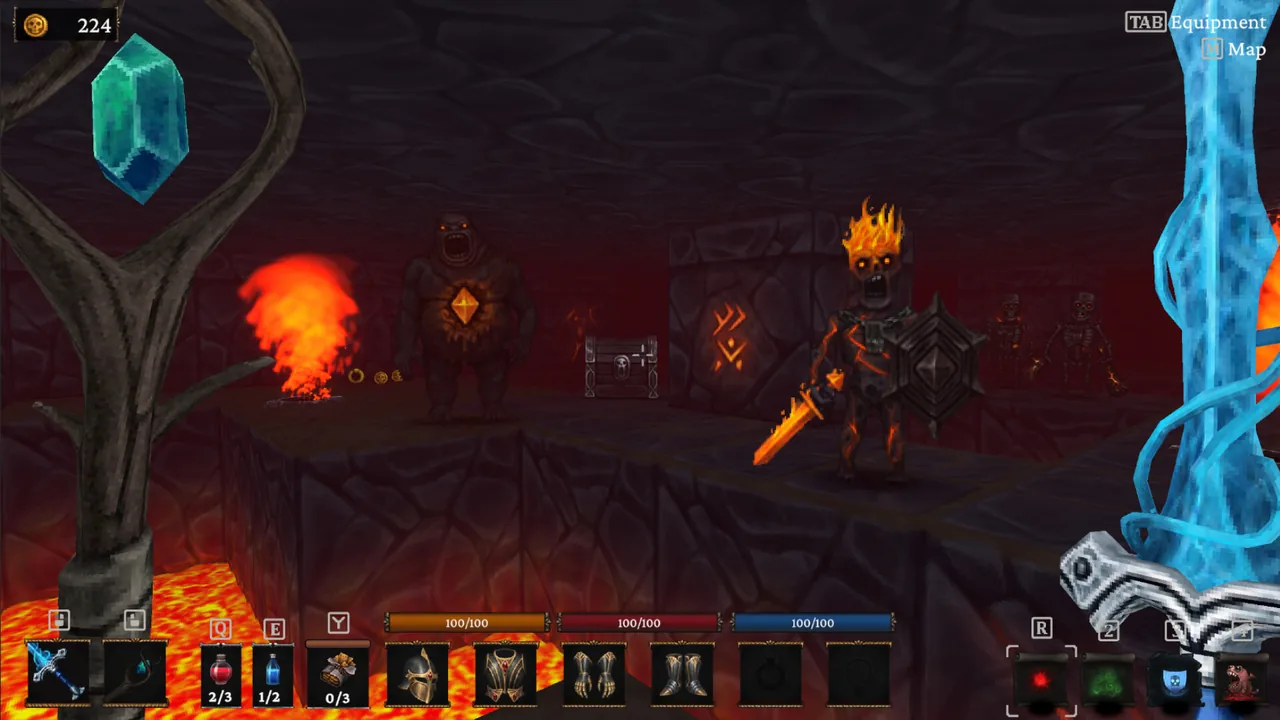
BoneholdImage: Pixel Jackal via Steam -
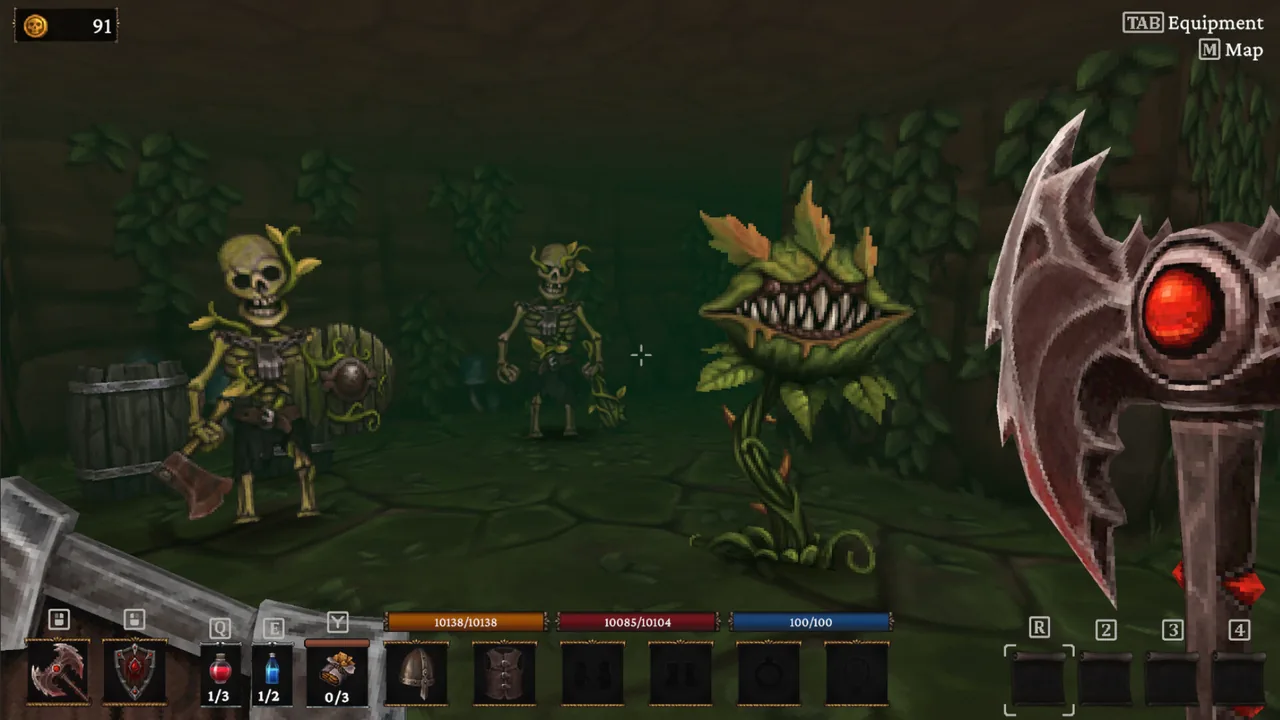
BoneholdImage: Pixel Jackal via Steam -
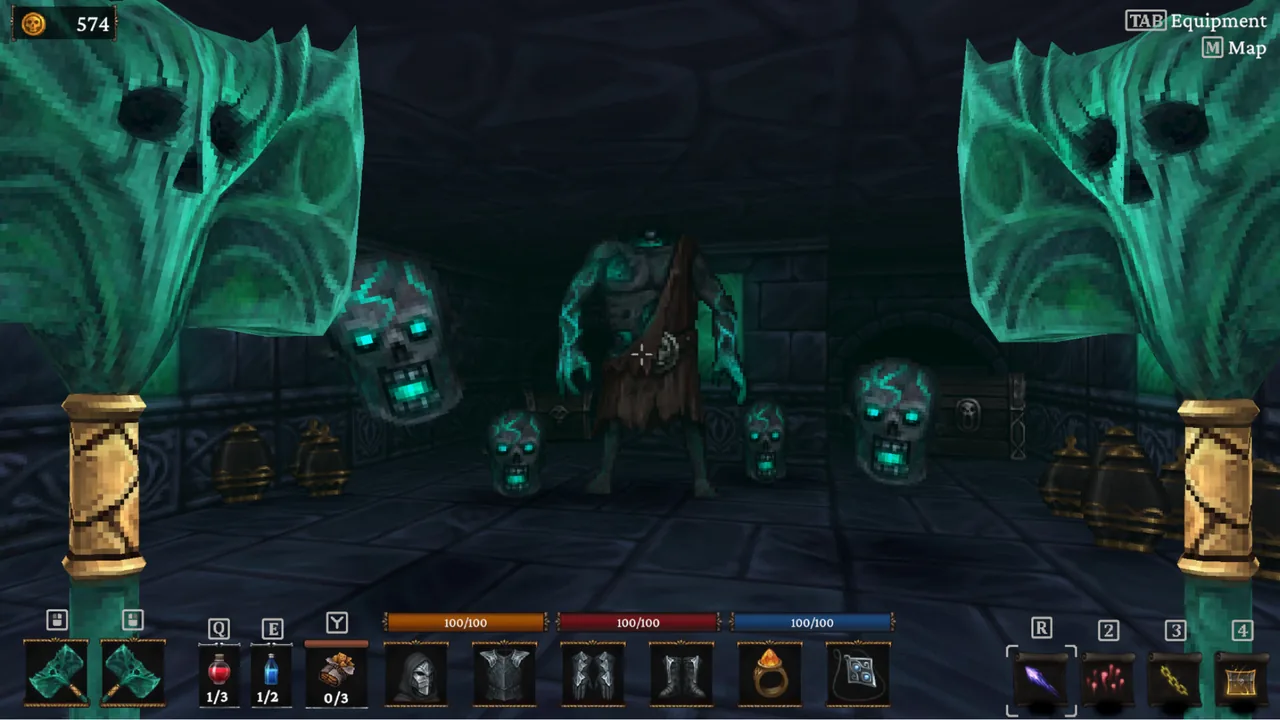
BoneholdImage: Pixel Jackal via Steam -
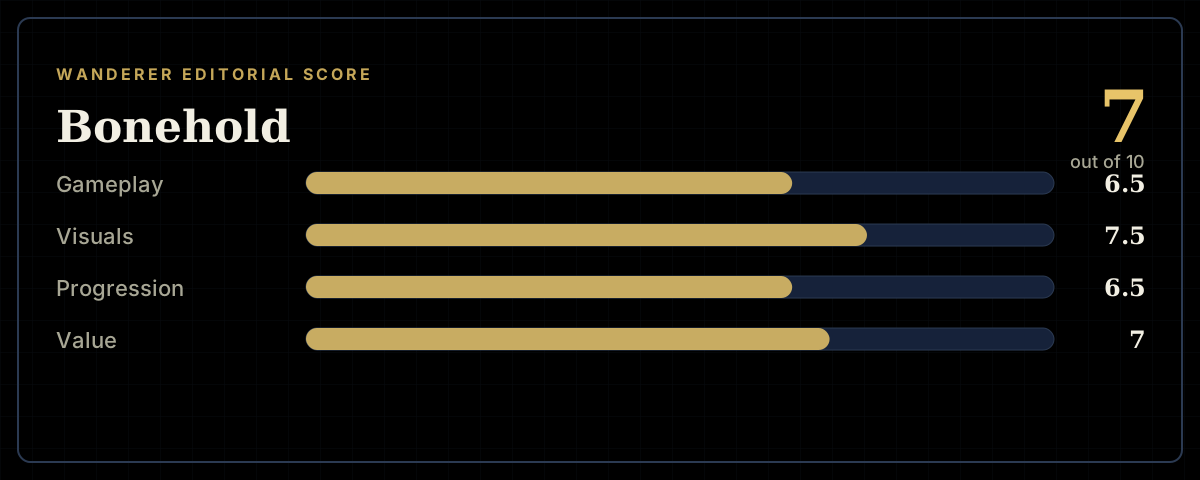
How the review scores each part of the gameWanderer Editorial -
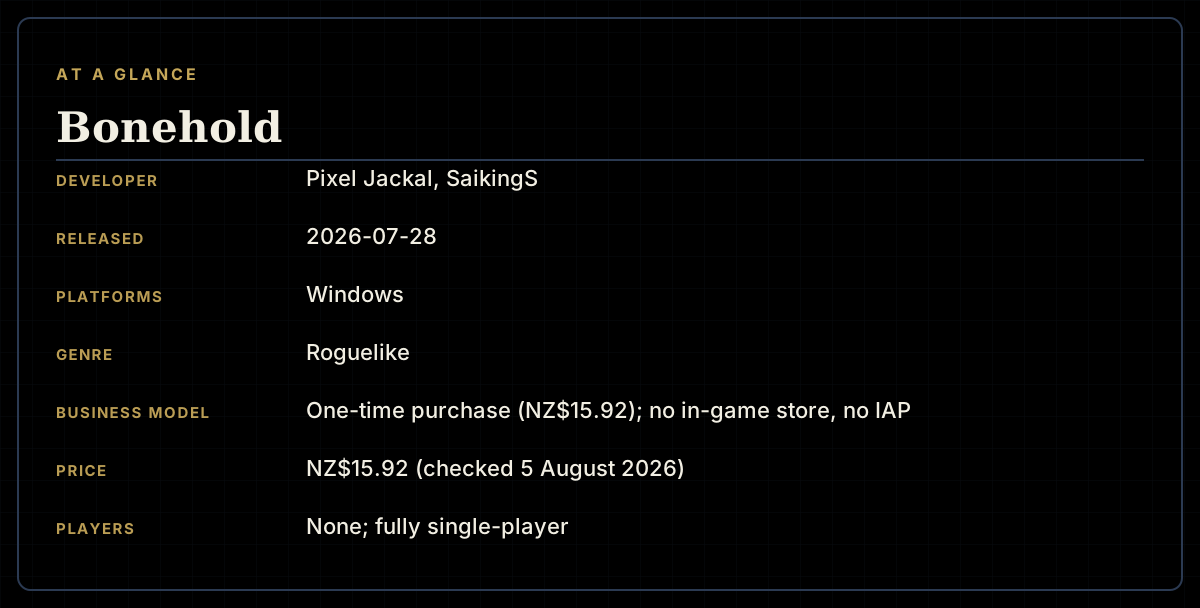
The game at a glanceWanderer Editorial -
The short versionWanderer Editorial