
Game review
BioShock Infinite
7.5 / 10
- Developer
- Irrational Games
- Publisher
- 2K Games
- Released
- 26 March 2013
- Platforms
- Windows, macOS, Linux
- Genre
- First-Person Shooter
- Monetisation
- One-time premium purchase; separate Season Pass DLC (Burial at Sea) available. Base game reviewed here
- Players
- Single-player only; no online, co-op or PvP modes
The short version
BioShock Infinite swaps Rapture's crumbling underwater art deco for Columbia, a floating city of American exceptionalism curdled into something far darker, and reviewers overwhelmingly agree the resulting story is the game's real achievement. Years after finishing it, players still describe scenes and twists that stuck with them, and the game's atmosphere, character work around Booker and Elizabeth, and world-building draw consistent, specific praise even from reviewers who find the combat itself less special than its predecessors.
That combat is a genuine, recurring point of contention: several reviewers, including ones who love the story, specifically miss the resource-management tension and weapon variety of the earlier BioShock games, describing Infinite's two-weapon carry limit and streamlined Vigor system as a step toward generic cover-shooting. Separately, and much more seriously, a huge volume of heavily-upvoted reviews — some with over a thousand votes — document a real controversy: 2K added a mandatory third-party launcher to this decade-plus-old single-player game, which multiple reviewers report broke the game outright for some players and which drew sustained, specific anti-consumer criticism, alongside privacy concerns tied to a wider 2K terms-of-service change. Recent 2026 reviews notably don't mention the launcher issue, suggesting it may since have quieted, though this review can't fully confirm its current status either way.
Biggest strengths
- A widely and specifically praised story, with reviewers years removed from playing it still describing individual scenes and twists that stayed with them
- Exceptional atmosphere and world-building around the floating city of Columbia, drawing some of the strongest praise in this review sample, including a detailed structured review scoring atmosphere and originality at the top of its scale
- Strong character writing around Booker and Elizabeth specifically, with reviewers crediting Elizabeth's AI companion behavior as a genuine strength rather than the usual escort-mission liability
Biggest weaknesses
- A well-documented, heavily-upvoted controversy: 2K added a mandatory third-party launcher to this single-player game years after release, which multiple reviewers report broke it outright for some players, alongside broader privacy concerns tied to a 2K terms-of-service change; recent 2026 reviews don't mention this issue, but this review could not independently confirm its current resolution status
- Multiple reviewers, including ones who rate the story highly, specifically miss the deeper resource-management tension and wider weapon variety of BioShock 1 and 2, describing this game's two-weapon carry limit as a step toward generic shooter conventions
- A detailed structured review notes the game shipped as a significantly scaled-down version of what was shown at its original E3 reveal, having cut open-world elements, weapon customization, multiple endings, and manual saving during development
Who it's for: Fans of story-driven, atmospheric first-person shooters who prioritize narrative and world-building over deep survival-horror mechanics. Less suited to players who specifically want BioShock 1 and 2's resource-scarcity tension, or who are wary of buying older single-player games that have had mandatory launchers retrofitted onto them.
Our recommendation: A worthwhile purchase for the story and atmosphere alone, even for players who end up finding the combat itself unremarkable — just go in aware of the launcher controversy's history and check current reports before buying if that's a dealbreaker.
7.5 / 10
Few story-driven shooters generate the kind of specific, years-later devotion that BioShock Infinite still pulls from its review base. Irrational Games swapped Rapture's collapsing underwater art deco for Columbia, a floating city built on a curdled vision of American exceptionalism, and cast players as Booker DeWitt on a mission to retrieve a young woman named Elizabeth. Reviewers consistently treat the resulting story as the reason to play, even when they're less enthusiastic about everything surrounding it.
A story reviewers still think about years later
The praise here is specific rather than generic. "Even a year after playing it all the way through, some aspects of the underlying story still stick with me," one reviewer writes, adding that while they enjoyed the gameplay, "that wasn't what made this a true experience." Another puts it more bluntly: "Crazy great plot and gameplay. 10/10." A detailed, structured review that scores the game across ten separate categories rates Atmosphere, Graphics, Characters, Originality and Sound at the maximum of its own ten-point scale, landing on an overall 94/100 — an unusually rigorous, category-by-category endorsement rather than a vague "loved it."
Elizabeth, and a step down in combat depth some reviewers regret
Character writing around Booker and Elizabeth draws real, specific credit, with reviewers singling out Elizabeth's behavior as an AI companion as a genuine strength rather than the escort-mission liability that trope usually produces. Where opinion splits is combat. The same structured review that praised the game's atmosphere and story notes it shipped as a considerably scaled-down version of what Irrational originally showed at its E3 reveal, having cut open-world elements, weapon customization, multiple endings, manual saves and stealth options during development — concluding that "not every game has to have" those features to be worthwhile, while still flagging their absence directly. A separate, blunter critique from a different reviewer describes the combat as leaning on "linear shooting rooms" and armored "Handyman" enemies acting as bullet sponges, missing the resource-scarcity tension of BioShock 1 and 2 and the ability to carry more than two weapons at once.
A real, well-documented launcher controversy
This is the single largest and most heavily upvoted theme in the entire review sample, and it deserves to be taken seriously rather than waved off as ordinary grumbling. Years after release, 2K added a mandatory third-party launcher to this single-player game, and the backlash was substantial: the single most-upvoted negative review in this sample, with nearly 1,500 votes, states plainly, "The game is great, but ruined by the random inclusion of 2K launcher and DRM with today's update. REMOVE IT NOW, 2K!! It's a single player game that's over 10 years old." A separate detailed review, with over 250 votes, offers a specific step-by-step workaround (launching the game's executable directly from its install folder rather than through the added launcher) to bypass the requirement entirely. Other reviewers connect the launcher to a broader 2K terms-of-service update affecting privacy, mod policy and arbitration rights across the publisher's whole catalogue, with one review reporting the launcher wrongly telling them they no longer owned a game they'd held for a decade. These are specific, corroborated, heavily-voted complaints spanning 2022 through mid-2025, not an isolated incident.
What's changed more recently, and what this review can't confirm
Checking the most recent reviews available, from August and September 2026, is notable mainly for what's absent: none of them mention the launcher, DRM, or the terms-of-service concerns that dominated the 2022–2025 window. Current negative reviews instead focus on gameplay complaints — the two-weapon carry limit, enemies described as bullet sponges, and a story some recent reviewers find less impressive on replay than on first encounter. That absence is suggestive that the launcher issue may have been resolved, deprioritized, or simply stopped drawing fresh complaints, but this review could not independently confirm a fix or an official statement addressing it, and states that limitation directly rather than assuming the problem is gone.
What the completion data adds, and its limits
Steam's global achievement statistics offer a useful independent check on how far the average player actually gets. The earliest, most basic achievement here sits above 90% of the tracked playerbase, but that figure falls off sharply from there, and the hardest, presumably end-of-campaign or highest-difficulty achievements sit below 2% — a steep curve consistent with a large share of buyers starting the game but a much smaller share finishing it on tougher settings. One limitation is worth stating plainly: this game's achievement schema returns only generic, undescriptive internal names rather than readable titles, so this review can identify the general shape of the completion curve without being able to tie specific milestones to specific story beats or difficulty settings the way a fully labelled schema would allow.
A step in a larger, still-active series
BioShock Infinite arrived years after the original BioShock and its 2010 sequel, and it later received its own narrative-focused DLC, Burial at Sea, sold separately rather than folded into this base listing. Reviewers in this sample frequently compare Infinite against its predecessors directly rather than judging it in isolation — some rank it as their favorite of the three for its story and setting, others specifically miss the earlier games' tighter resource management and consider it the weakest entry mechanically despite its narrative strengths. That's worth keeping in mind for anyone deciding where to start in the series: this is a game whose reception is genuinely bound up with how it's measured against the games that came before it, not just judged as a standalone shooter.
Where it lands
BioShock Infinite earns its landmark reputation through a story and setting that reviewers consistently describe in specific, personal terms years after playing it, backed by genuinely strong character writing and atmosphere. The combat trades some of its predecessors' tension for a more conventional shooter loop, a real and recurring point of reviewer disappointment rather than a universal complaint. The launcher controversy is serious enough, and corroborated by enough independently detailed reviews, to flag clearly for any prospective buyer — even though the most recent reviews available suggest it may no longer be the live issue it once was. Taken together, this remains a shooter worth playing primarily for its story, with clear eyes about both its combat's real limitations and its rocky recent history around mandatory software.
Pros and cons
Pros
- A widely and specifically praised story, with reviewers years removed from playing it still describing individual scenes and twists that stayed with them
- Exceptional atmosphere and world-building around the floating city of Columbia, drawing some of the strongest praise in this review sample, including a detailed structured review scoring atmosphere and originality at the top of its scale
- Strong character writing around Booker and Elizabeth specifically, with reviewers crediting Elizabeth's AI companion behavior as a genuine strength rather than the usual escort-mission liability
- A distinctive setting and tone that clearly differentiates it from its own predecessors rather than simply reskinning the original BioShock formula
- An enormous, engaged Steam review base (over 47,000 reviews, Very Positive overall) reflecting a genuinely large and still-active audience over a decade after release
Cons
- A well-documented, heavily-upvoted controversy: 2K added a mandatory third-party launcher to this single-player game years after release, which multiple reviewers report broke it outright for some players, alongside broader privacy concerns tied to a 2K terms-of-service change; recent 2026 reviews don't mention this issue, but this review could not independently confirm its current resolution status
- Multiple reviewers, including ones who rate the story highly, specifically miss the deeper resource-management tension and wider weapon variety of BioShock 1 and 2, describing this game's two-weapon carry limit as a step toward generic shooter conventions
- A detailed structured review notes the game shipped as a significantly scaled-down version of what was shown at its original E3 reveal, having cut open-world elements, weapon customization, multiple endings, and manual saving during development
- Several reviewers describe enemies, particularly the armored "Handyman" type, as bullet sponges that lean on attrition rather than tactical variety
- No native multiplayer or co-op of any kind, which won't matter to story-focused buyers but is worth stating plainly for anyone expecting parity with other shooters in this price range
Screenshots
-

BioShock InfiniteImage: 2K Games via Steam -

BioShock InfiniteImage: 2K Games via Steam -
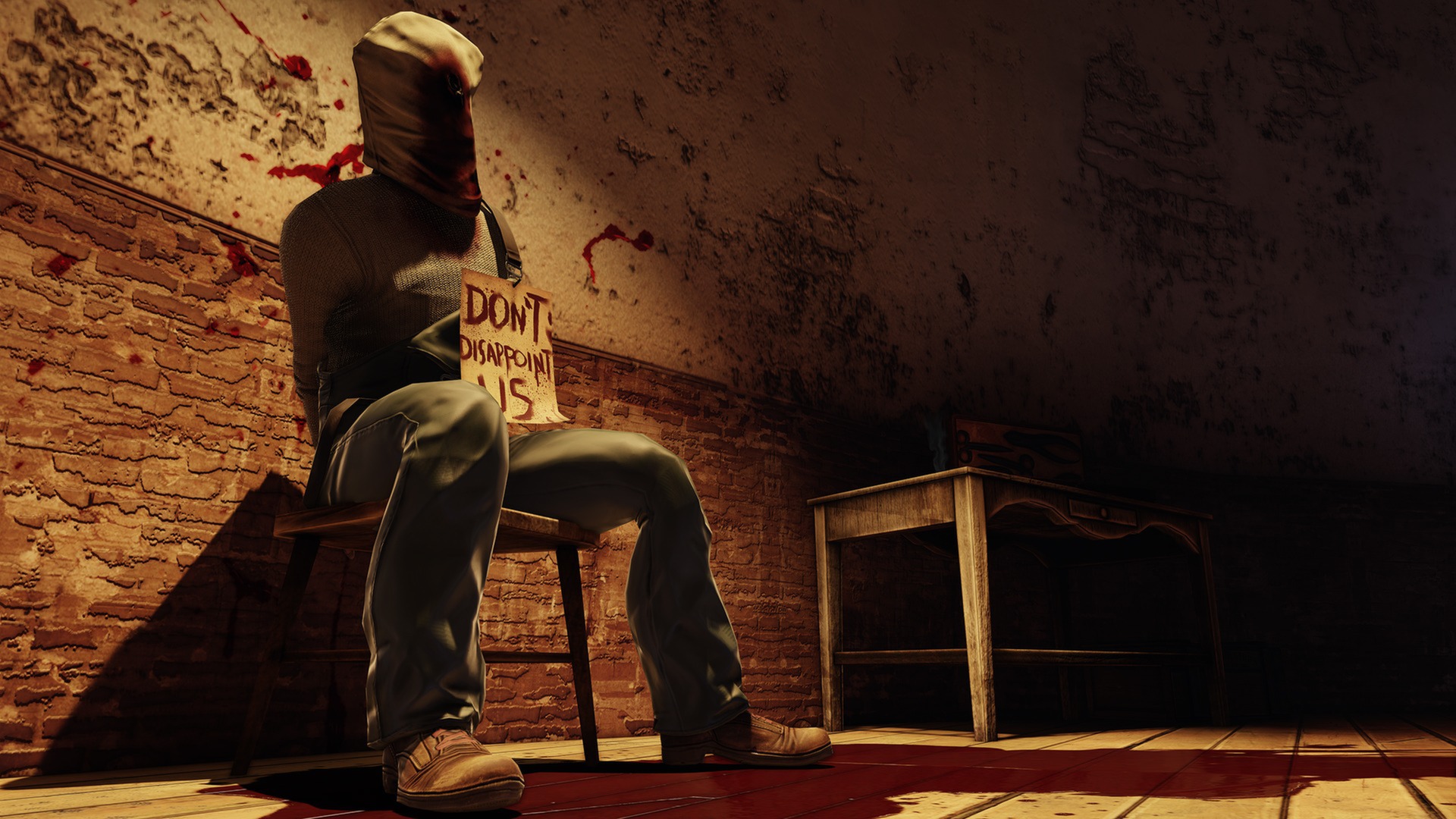
BioShock InfiniteImage: 2K Games via Steam -
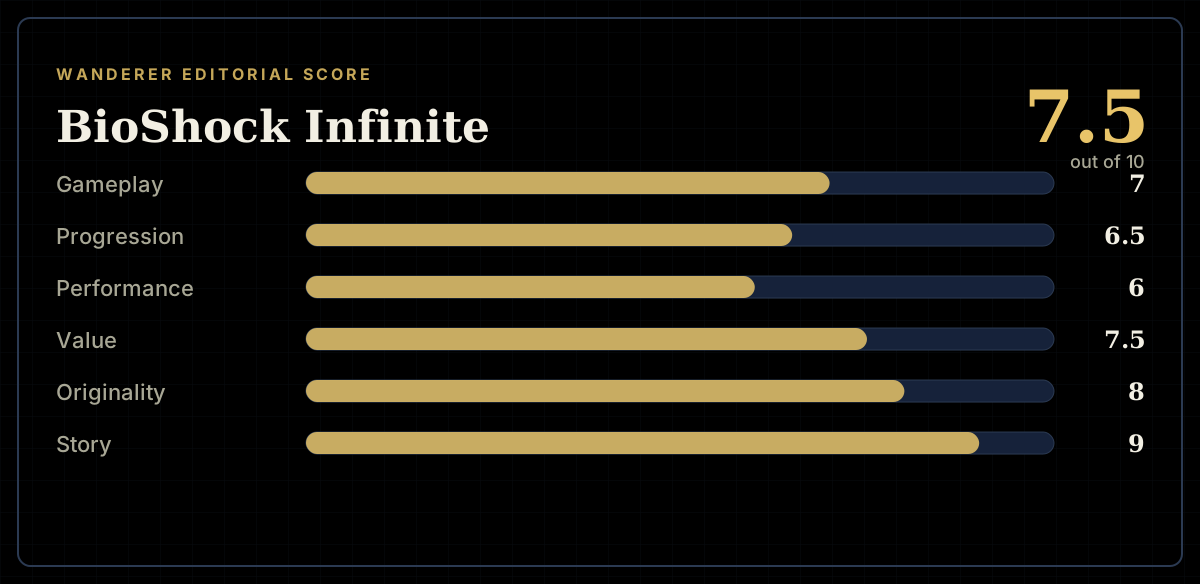
How the review scores each part of the gameWanderer Editorial -
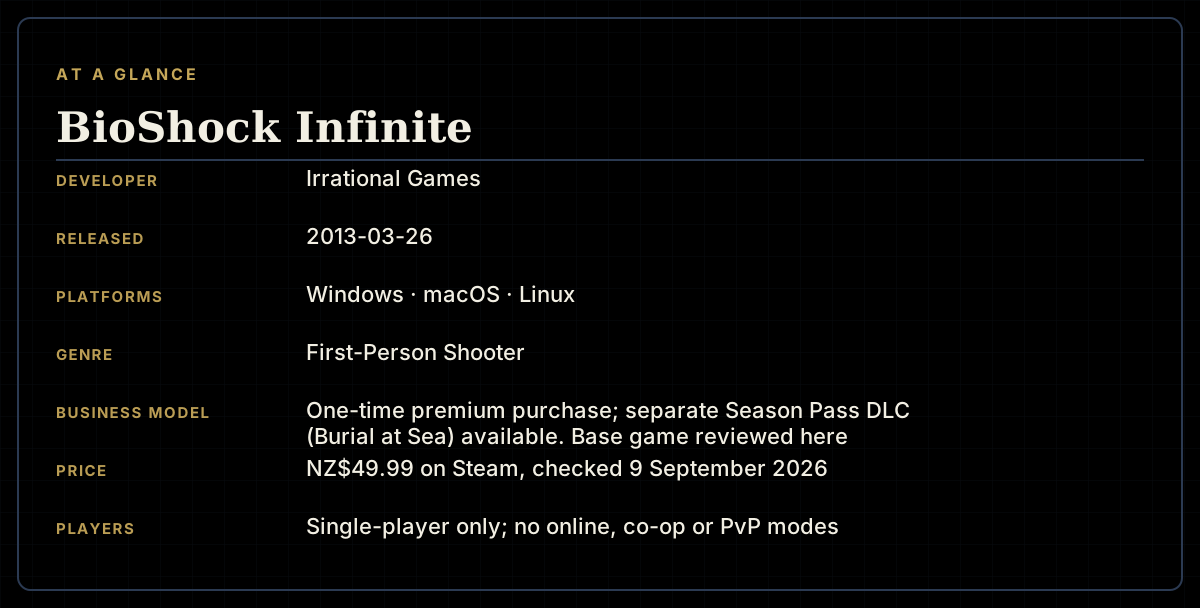
The specsWanderer Editorial -
The short versionWanderer Editorial