Game review
Bind
6.5 / 10
- Developer
- Glowetic Games
- Publisher
- DADIU
- Released
- 17 June 2026
- Platforms
- Windows
- Genre
- Casual, Indie
- Monetisation
- free-to-play
- Players
- false
The short version
Biggest strengths
- Distinctive, genuinely atmospheric sound design, with ethereal voices and unsettling ambience that multiple reviewers called the game's strongest element
- A unique core mechanic built around manipulating threads tied to fate and the connective tissue of life, matched well to its abstract, liminal death-and-rebirth setting
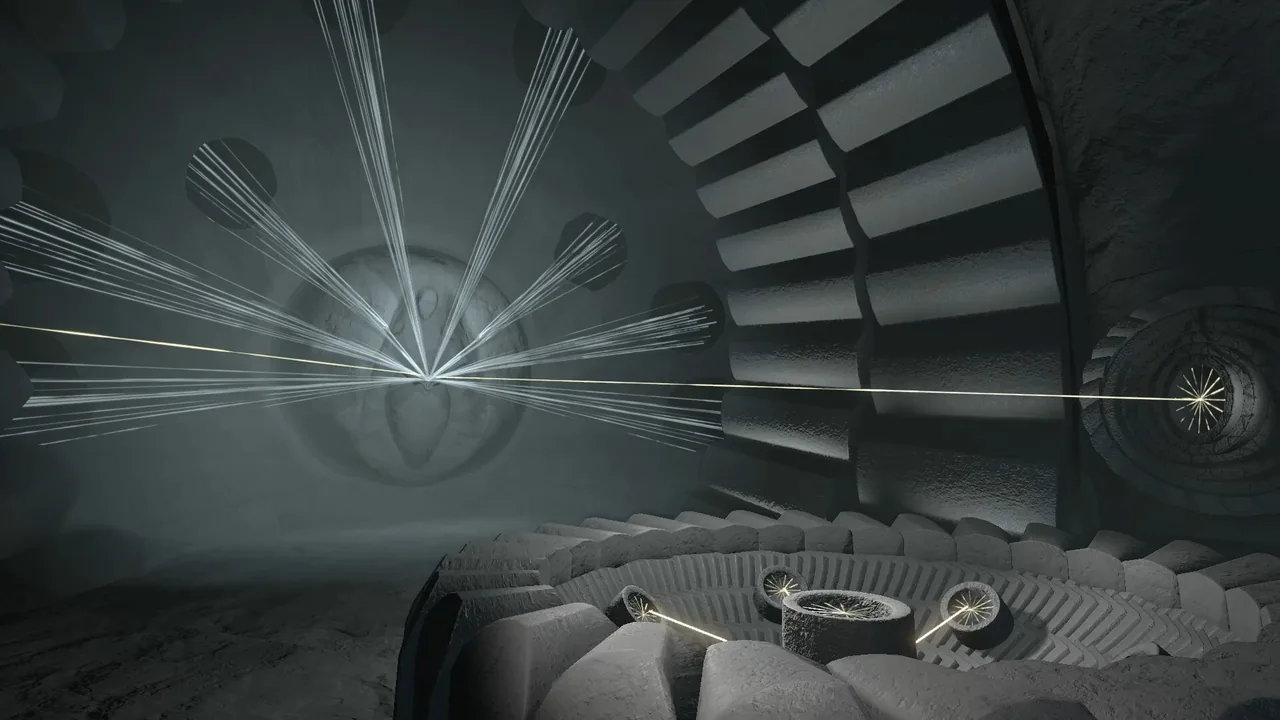
- A striking, minimalist monochrome visual style broken up by glowing white thread accents, praised repeatedly for feeling genuinely otherworldly
Biggest weaknesses
- Extremely short, corroborated across nearly the entire pool at roughly 5 to 23 minutes for a full playthrough, with multiple reviewers describing it more as a demo or proof of concept than a complete game
- Serious performance issues reported independently by at least three separate reviewers, including graphics processors and fans running at full load even on capable gaming PCs for a visually simple 3D puzzle game
- No separated or muteable audio track for sound effects versus music, with one reviewer reporting sound continued to play even after muting
Who it's for: Players curious about a free, moody, abstract short-form puzzle experience with striking sound design, not recommended for anyone wanting more than 10-25 minutes of content or a game that runs comfortably on their hardware
Our recommendation: recommended
6.5 / 10
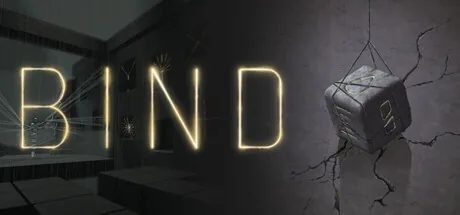
Bind released in full, and entirely free, on Steam on June 17, 2026, a student project from Glowetic Games made through the Danish game-development school DADIU, in which players guide a spirit through a metaphysical realm between death and rebirth, solving thread-based puzzles connected to the theme of fate. Its 14-15-review English pool sits at Positive (14 up, 1 down, 93%), and the reviews consistently describe a small but atmospherically striking experience whose most serious problems are its brevity and, more surprisingly, its performance demands.
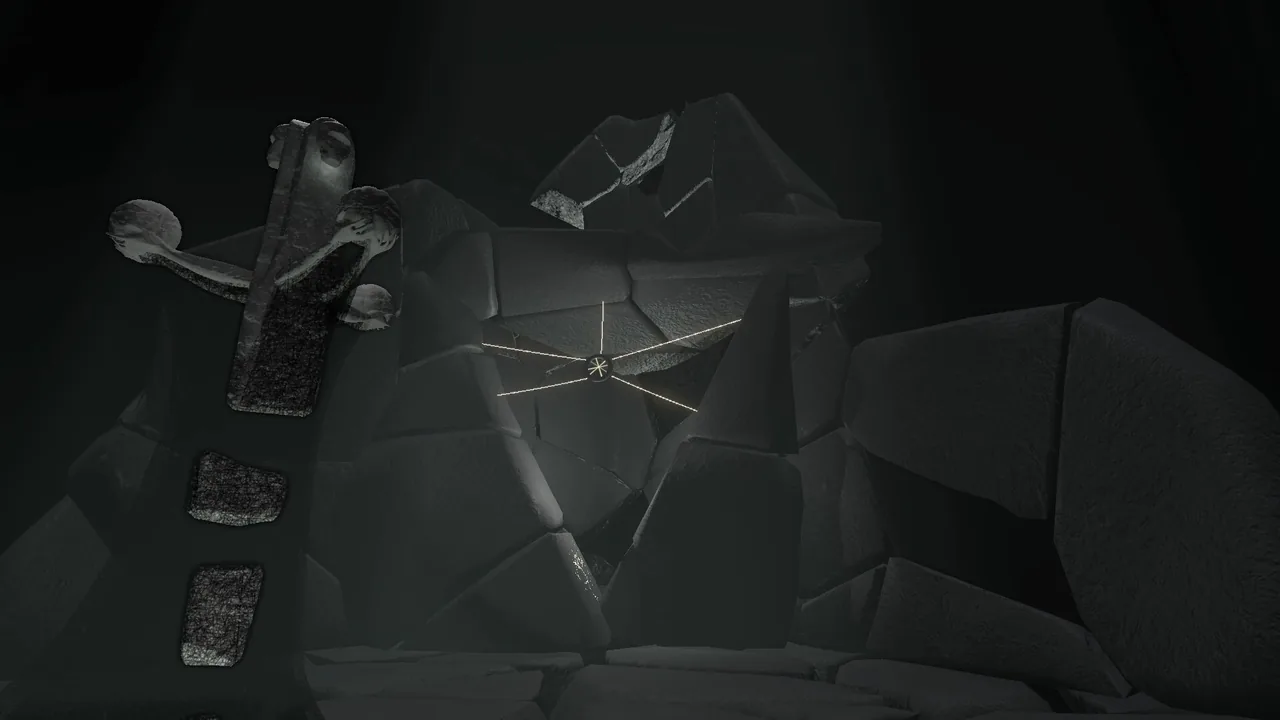
Atmosphere and presentation draw the pool's clearest, most consistent praise. One detailed reviewer called the sound "probably what stands out most for me," describing "strange ethereal voices and a lot of atmospheric sound that make the whole place feel empty and unsettling," and praised the abstract visual design's "large spaces and unusual shapes that make it feel like I am somewhere that is not supposed to exist." A separate reviewer echoed the same reaction almost exactly, calling it "an atmospheric game with unique puzzles and amazing sound design" and adding they "could listen to the music all day, it's calming and eerie in all the right ways." A third, more clipped review simply summarized it as "aesthetically very cool," a sentiment that recurs across nearly every review in the pool regardless of overall score.
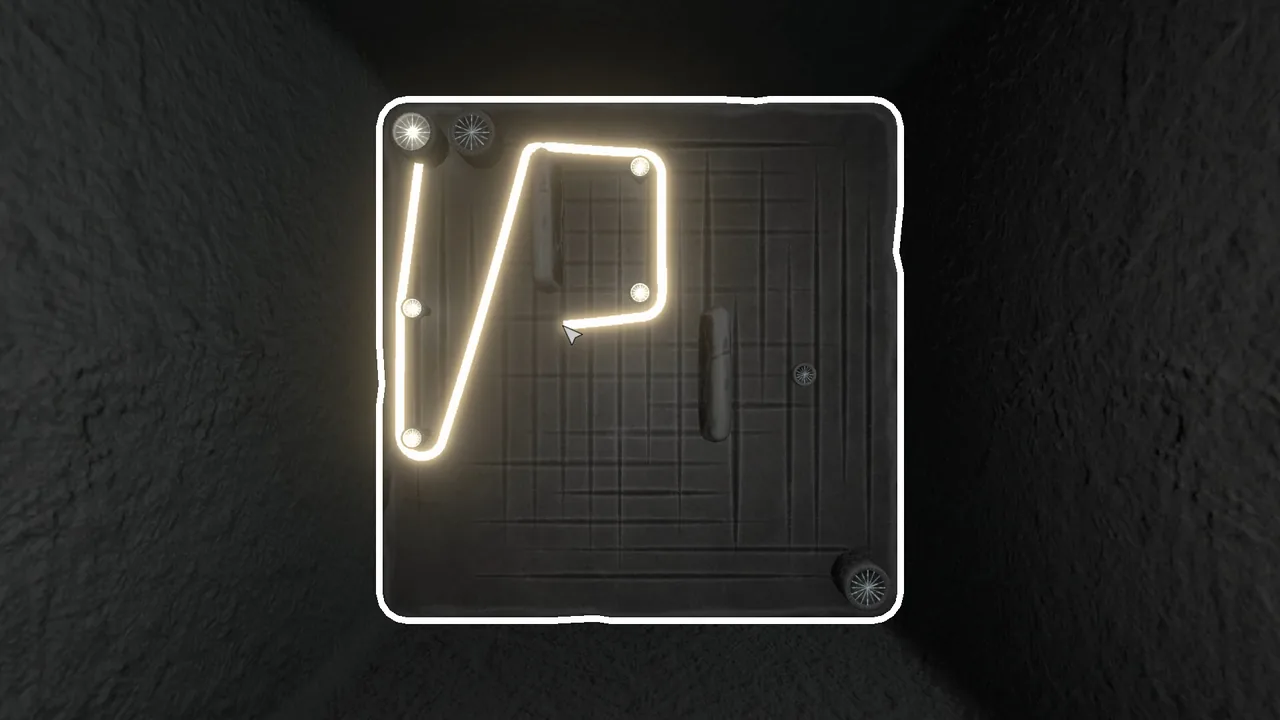
The central thread-manipulation mechanic, tying puzzle-solving directly to the game's fate-and-rebirth theme, was singled out repeatedly as a genuinely novel hook. One reviewer described the puzzles as being "tied into the theme of fate" in a way that made them "support the atmosphere rather than completely take over," while another called it a "cool short threads/strings manipulating puzzle gamy with mystical vibe." That said, more than one reviewer was candid that the puzzles themselves are simple by dedicated puzzle-game standards, with one describing the second of the game's three puzzles as lacking "a very satisfying answer" and the third as "really easy."
Length is where the pool's near-total agreement turns sharply critical, and the numbers reviewers report are strikingly consistent. One reviewer finished in "23 minutes," another in "about 5 minutes," and a third simply wrote "reallllllllllly short though. Like 10 minutes." A more detailed reviewer, while praising the game's ideas around "fate, death and rebirth," felt they "could have supported a much larger game with more puzzles and more time spent with the sisters," adding that "everything is so brief, some of the ideas are introduced and then gone before I have really had time to think about them." Multiple reviewers independently described the experience as feeling closer to a demo or proof of concept than a finished game, a framing that's hard to argue with given a full playthrough clocking in well under half an hour for most players.
Performance is the pool's least expected but most concretely corroborated complaint, given how visually simple the game otherwise looks. One reviewer with what they described as "a pretty beefy PC" reported it was "as loud as a plane engine rendering this game." A second reviewer independently confirmed the same symptom, writing that their "PC's graphics processor & fans went into overdrive on the default graphical settings." A third reviewer made the identical observation once more, calling it "crazy performance issues" despite the preview screenshots already showing "most rooms in the entire game." Three separate, independent reports of the same specific technical symptom, unusually heavy GPU and fan load for a small, monochrome, low-poly puzzle game, is a strong enough pattern to flag directly for anyone considering downloading it, particularly on laptops or older hardware.
Audio settings drew a smaller but specific complaint worth noting on its own. One reviewer reported "no seperate audiotrack so volume mixer could not isolate the sound," adding that "even when muted it would still play," a basic settings gap that stands out given how central the sound design otherwise is to the pool's praise.
Several reviewers explicitly credited the game's DADIU origins for tempering their expectations in a way that clearly shaped their final scores. One reviewer wrote that "knowing that Bind was made as a student project through DADIU, with the actual development taking only seven weeks including the polishing period," made it easier to appreciate what the team accomplished, adding they could "notice a few rough edges and occasional performance problems" but still found "something impressive about how much atmosphere the team managed to create in such a short development period." That same forgiving framing shows up across much of the pool: reviewers who flagged real, specific problems, the length, the performance demands, the thin puzzle count, still consistently landed on a recommendation, treating those issues as understandable limitations of scope rather than reasons to dismiss the project outright.
A handful of reviewers used their reviews to sketch out what a longer, fuller version of Bind could become rather than simply criticizing its current scope. One asked directly for "a 3-5 hour version" built on the same concept, while another wanted transitions added between puzzle segments to smooth out what currently feels like abrupt, "glitchy" cuts between rooms. That kind of constructive, forward-looking feedback, rather than frustration at what's missing, suggests the small team has built enough goodwill with this short release that an expanded version would likely find a receptive audience already primed to want more.
Taken together, Bind succeeds at what it clearly set out to do in a compressed seven-week student development window: build a small, memorable, atmospherically distinct world around an interesting central idea, even if the puzzles built around that idea don't yet have much depth of their own. Its extreme brevity and surprisingly demanding performance profile are real, well-corroborated limitations rather than isolated complaints, but at zero cost, with genuinely striking sound and visual design, it remains an easy, low-risk experience worth trying for anyone drawn to its premise.
Pros and cons
Pros
- Distinctive, genuinely atmospheric sound design, with ethereal voices and unsettling ambience that multiple reviewers called the game's strongest element
- A unique core mechanic built around manipulating threads tied to fate and the connective tissue of life, matched well to its abstract, liminal death-and-rebirth setting
- A striking, minimalist monochrome visual style broken up by glowing white thread accents, praised repeatedly for feeling genuinely otherworldly
- Completely free, with reviewers near-unanimously framing it as an easy, low-risk recommendation for its atmosphere alone, even given its other flaws
Cons
- Extremely short, corroborated across nearly the entire pool at roughly 5 to 23 minutes for a full playthrough, with multiple reviewers describing it more as a demo or proof of concept than a complete game
- Serious performance issues reported independently by at least three separate reviewers, including graphics processors and fans running at full load even on capable gaming PCs for a visually simple 3D puzzle game
- No separated or muteable audio track for sound effects versus music, with one reviewer reporting sound continued to play even after muting
- Abstract, sparse storytelling that several reviewers found left them uncertain whether they'd understood a given scene's meaning or were simply meant to move forward
- Only three puzzles total, with more than one reviewer describing the easiest of them as offering little real challenge or logical satisfaction
Screenshots
-
BindImage: DADIU via Steam -
BindImage: DADIU via Steam -
BindImage: DADIU via Steam