Game review
The Light that Binds Us
7 / 10
- Developer
- ISART Digital
- Publisher
- ISART Digital
- Released
- 23 June 2026
- Platforms
- Windows
- Genre
- Adventure, Casual, Indie, Free To Play
- Monetisation
- free-to-play
- Players
- false
The short version
Biggest strengths
- A genuinely appealing core mechanic, casting light and shadow to reshape solid geometry, that reviewers consistently praised as simple but satisfying
- Polished, evocative audiovisual presentation for a student project, with reviewers specifically praising the music, art direction, and a Chinese-mythology-inspired storytelling style
- Free and low-footprint, with easy controller setup that at least one reviewer called effortless
Biggest weaknesses
- Extremely short, most reviewers completed it in 10 to 20 minutes, leaving several wishing for meaningfully more content and puzzle variety
- Awkward, non-standard default keyboard bindings (apparently based on an AZERTY layout) that one detailed reviewer found confusing enough to nearly quit before checking the settings
- A restrictive camera that doesn't let players freely pan and admire the game's environments despite clearly supporting wider camera movement internally
Who it's for: Players who enjoy short, atmospheric student projects with a simple, well-realized puzzle hook, more than anyone expecting extensive content or a fully polished PC control scheme
Our recommendation: recommended
7 / 10
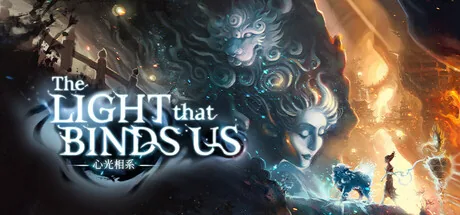
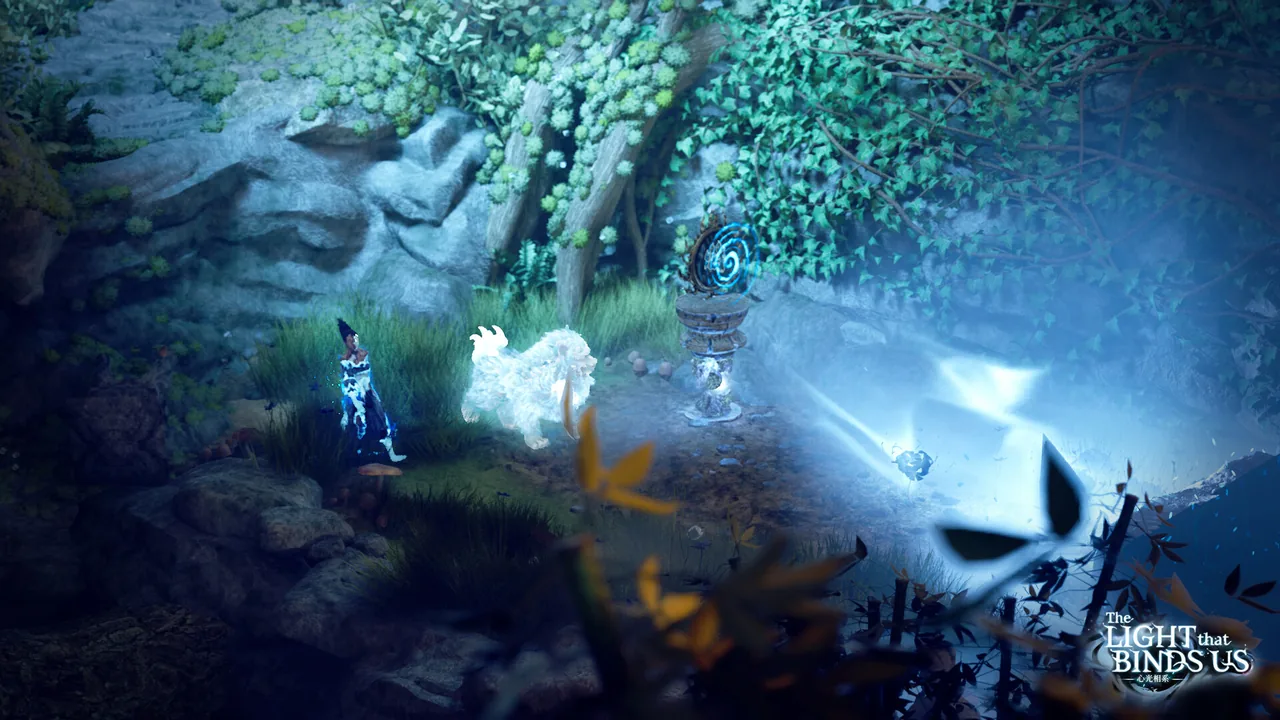
The Light that Binds Us released free on Steam on June 23, 2026, a short 3D puzzle-platformer from ISART Digital, the same French game-development school behind Once Upon A Card, casting the player as Yuè, a tormented soul accompanied by a protector, Yún, who solves environmental puzzles by manipulating light so that shadows solidify into walkable platforms. Its 12-review English pool lands at Positive (11 up, 1 down, 92%), and while the sample is small, the reviews themselves are detailed and specific enough to paint a clear, useful picture, including one unusually thorough critical review that's worth engaging with directly.
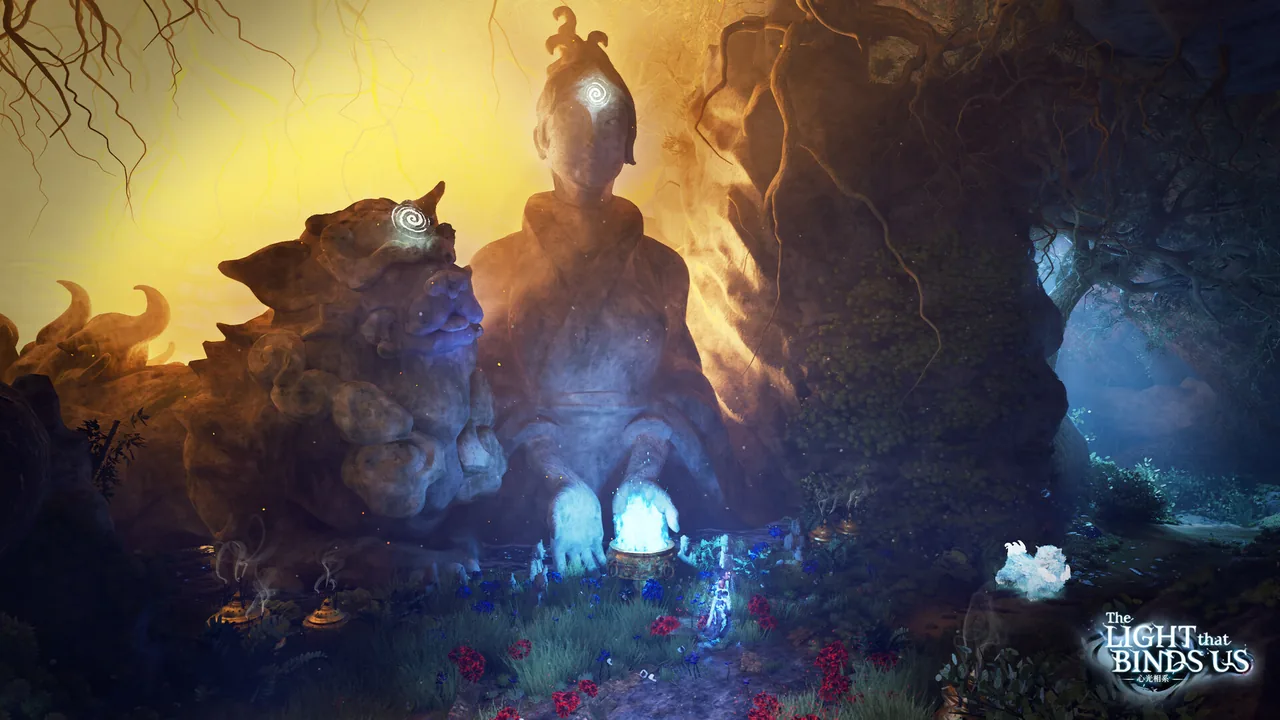
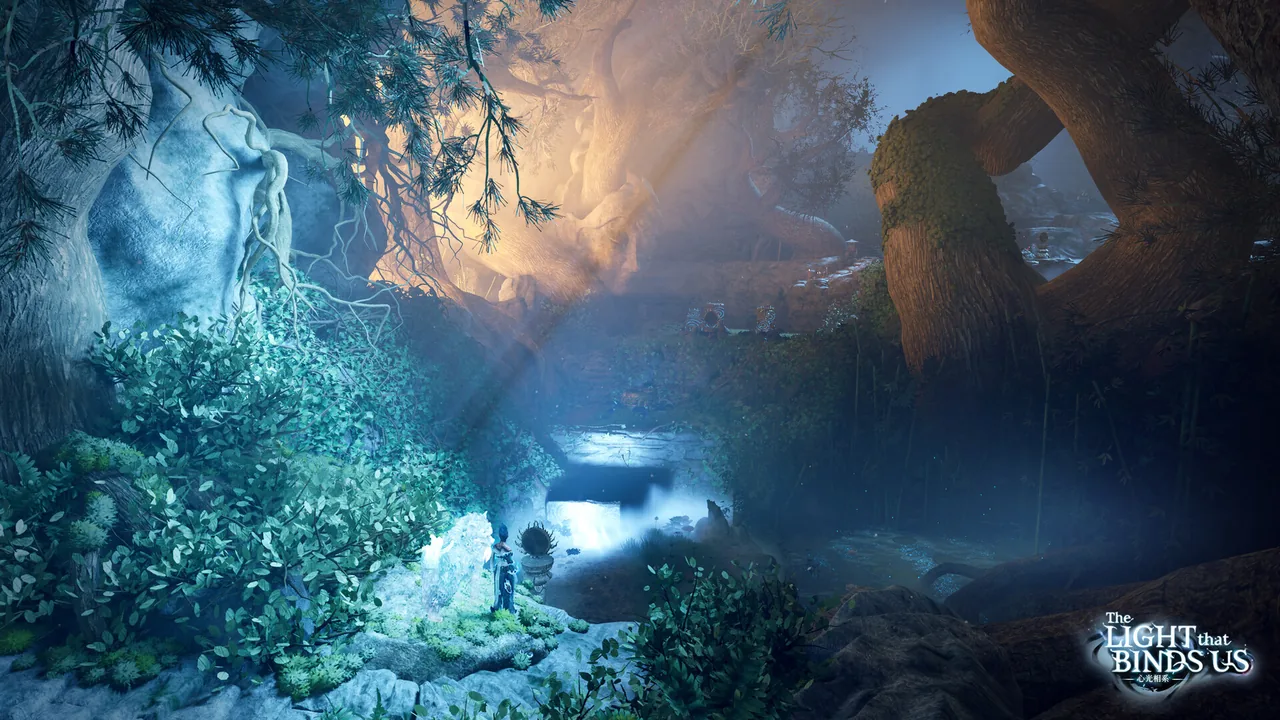
The core shadow-casting mechanic draws unanimous praise, even from the reviewer who ultimately didn't recommend the game. That critical review opened by conceding exactly this: "manipulate light so that the shadows turn into solid geometry and help you navigate the world, I really, really like that idea," pairing that with praise for soothing music and very nice graphics before pivoting to a detailed list of complaints. On the positive side, one reviewer called it an "impressive student-made 3D puzzle-platformer based on Chinese mythology, with very pretty visuals, an overall extremely polished audiovisual presentation," specifically praising the shadow-platforming mechanic as "simple but well-executed." Another reviewer reached for more evocative language entirely, comparing the game's visual storytelling to "Asian storytelling art" akin to the painting-portal sequences in Super Mario 64, calling the movement "smooth, like the stroke of the brush on the canvas" and singling out the companion dog character with genuine enthusiasm.
Runtime length is the single most consistent complaint across the pool, showing up in nearly every review regardless of overall sentiment. One reviewer noted it took "less than 20 minutes to complete, with only a handful of puzzles to solve," while another was more pointed, noting the game "could beat it on your first run in 10 minutes" and wishing for more exploration of what the shadow-movement mechanic could do beyond its current scope. A third reviewer, generally positive, put it plainly: "great game, wish there were more levels," a sentiment echoed closely enough across multiple independent reviews to read as the community's single clearest piece of shared feedback for the developers.
The pool's lone negative review deserves real attention, both because it's the most detailed review in the sample and because its specific complaints are corroborated, in smaller form, by other reviewers. Its central issue was control scheme: the reviewer objected to a "best played on controller" framing for a PC release, and was particularly frustrated by non-standard default keyboard bindings that appeared based on a French AZERTY layout (forward on Z, left on Q, right on D) rather than the QWERTY layout most PC players would expect, calling it confusing enough to nearly sour their first impression before they found the settings to remap it. That same reviewer also flagged a restrictive camera that doesn't let players freely look around a world the game otherwise clearly renders beautifully, and a narrative line they felt used "eternity" imprecisely given the story's actual stakes, before closing constructively: "I hope these critiques are received in the spirit in which they were written and helped you learn something. I look forward to discovering your next project." Another reviewer independently corroborated a related but distinct issue, camera angles making it hard to judge jumps, and shadows feeling "a little slippery when you land on them," making the game harder than its short length and simple mechanics should otherwise allow.
It's worth calibrating these complaints against what this actually is: a free, short project built by students, not a commercial studio's paid release, a context the negative reviewer themselves explicitly acknowledged even while still declining to recommend it. Judged as a student project, the specific, reproducible nature of its rough edges, non-standard keybinds, a restrictive camera, a few optimization gaps, are exactly the kind of feedback a small team should find genuinely useful rather than discouraging, and none of it undermines the strength of the central idea that every single reviewer, positive or negative, agreed was the game's real accomplishment.
It's worth putting this alongside Once Upon A Card, another free ISART Digital student project this lane recently covered, since the pattern across both is instructive. Both games draw the same broad shape of feedback: real, specific enthusiasm for a clean central idea, paired with reviewers explicitly grading content depth and technical polish on a curve appropriate to a student production rather than a commercial one. That consistency suggests ISART Digital's program is turning out students capable of nailing a strong, legible core concept and a genuinely appealing visual identity, even while the surrounding systems, control mapping, camera freedom, level count, remain the areas where a small team's limited time shows most clearly. For prospective players, that's a useful signal about what to expect walking in: judge the idea and the atmosphere on their own considerable merits, and treat the rough edges as exactly what they are, a snapshot of promising, still-developing craft rather than a finished commercial product's shortcomings.
At zero cost and a runtime measured in minutes rather than hours, The Light that Binds Us is an easy, low-risk recommendation for anyone drawn to short, atmospheric puzzle experiences with real visual and musical craft behind them. It won't satisfy players hoping for a substantial puzzle-platformer with room to grow into its ideas, and PC players should be prepared to dip into the settings menu before their first run, but as a brief showcase of a genuinely appealing mechanic and a striking visual style, it delivers more than its price tag would ever require.
Pros and cons
Pros
- A genuinely appealing core mechanic, casting light and shadow to reshape solid geometry, that reviewers consistently praised as simple but satisfying
- Polished, evocative audiovisual presentation for a student project, with reviewers specifically praising the music, art direction, and a Chinese-mythology-inspired storytelling style
- Free and low-footprint, with easy controller setup that at least one reviewer called effortless
- Charming, memorable atmosphere and companion character that left a strong impression despite the brief runtime
Cons
- Extremely short, most reviewers completed it in 10 to 20 minutes, leaving several wishing for meaningfully more content and puzzle variety
- Awkward, non-standard default keyboard bindings (apparently based on an AZERTY layout) that one detailed reviewer found confusing enough to nearly quit before checking the settings
- A restrictive camera that doesn't let players freely pan and admire the game's environments despite clearly supporting wider camera movement internally
- Reported optimization gaps and jump-judging difficulty caused by unhelpful camera angles and slightly unpredictable shadow-platform footing
Screenshots
-
The Light that Binds UsImage: ISART DIGITAL via Steam -
The Light that Binds UsImage: ISART DIGITAL via Steam -
The Light that Binds UsImage: ISART DIGITAL via Steam