Game review
Hearing Voices
7.5 / 10
- Developer
- Fuupu
- Publisher
- Fuupu
- Released
- 8 June 2026
- Platforms
- Windows
- Genre
- Adventure, Indie, Free To Play
- Monetisation
- free-to-play
- Players
- false
The short version
Biggest strengths
- A genuinely novel central mechanic, deciphering deliberately garbled audio recordings by ear rather than solving a visual puzzle, that reviewers consistently called the strongest and most distinctive part of the game
- Consequences for wrong answers that push the story's paranoia forward rather than simply letting players brute-force guesses, adding real tension to small decisions
- Minimal, hand-drawn 2D artwork reviewers said works in the game's favor by keeping focus on the unsettling audio design rather than competing with it
Biggest weaknesses
- A very short runtime, playable in a single sitting, that multiple reviewers said left them wanting the central premise developed and varied further
- Limited replay incentive, with only two Steam achievements and little reason to return once the twist and audio mechanic are understood
- At least one reviewer's minor but specific accessibility concern, noting the game could be difficult or uncomfortable for players with hearing impairments given how central listening is to solving its puzzles
Who it's for: Horror fans looking for something genuinely different from jump-scare corridor crawls, who enjoy careful listening and deduction and don't mind a game that's over in well under an hour
Our recommendation: recommended
7.5 / 10
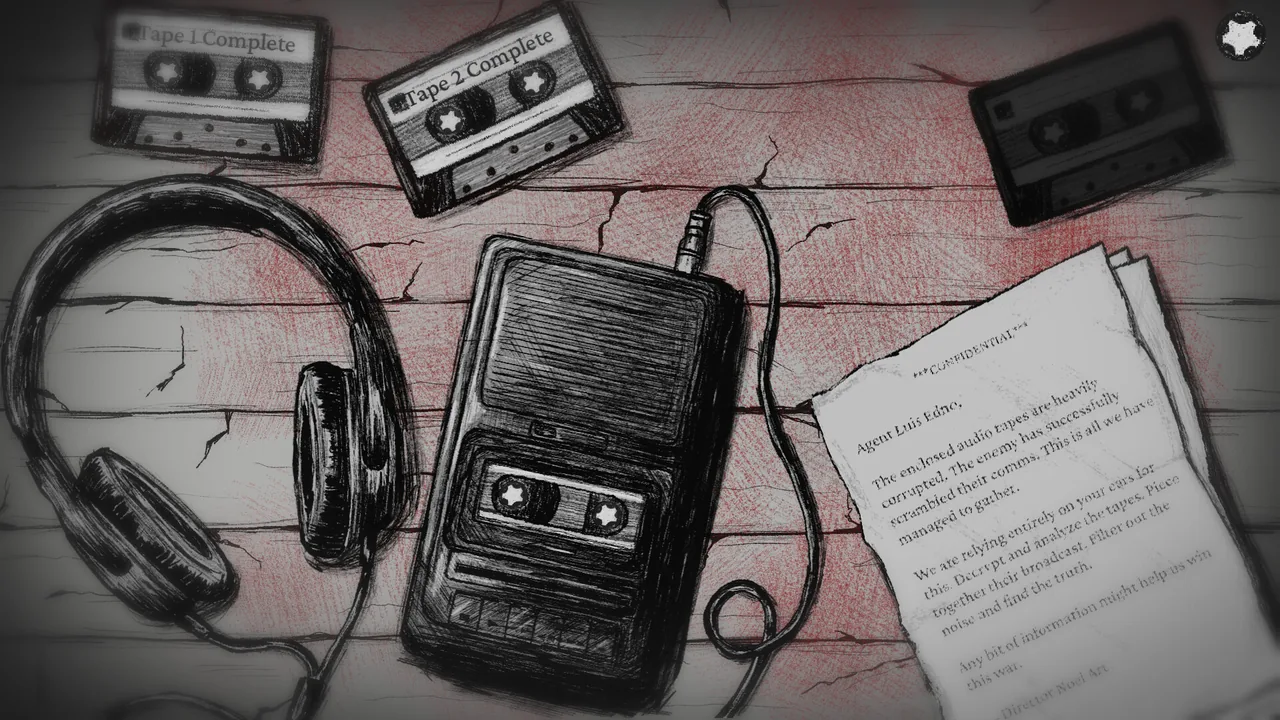
Hearing Voices, released free on Steam on June 8, 2026, does something genuinely uncommon in an indie horror landscape saturated with dark hallways and jump scares: it builds its entire fear response around careful listening rather than looking. Players take the role of Luis Edno, an audio analyst tasked with examining strange, deliberately garbled recordings and working out the hidden messages inside them. Most of the game plays out at a desk, headphones effectively mandatory, parsing static and distorted speech to identify what's actually being said. It's a small, focused idea, and the review pool, Positive at 97% across 38 English reviews, is remarkably consistent in crediting that focus as the game's greatest strength.
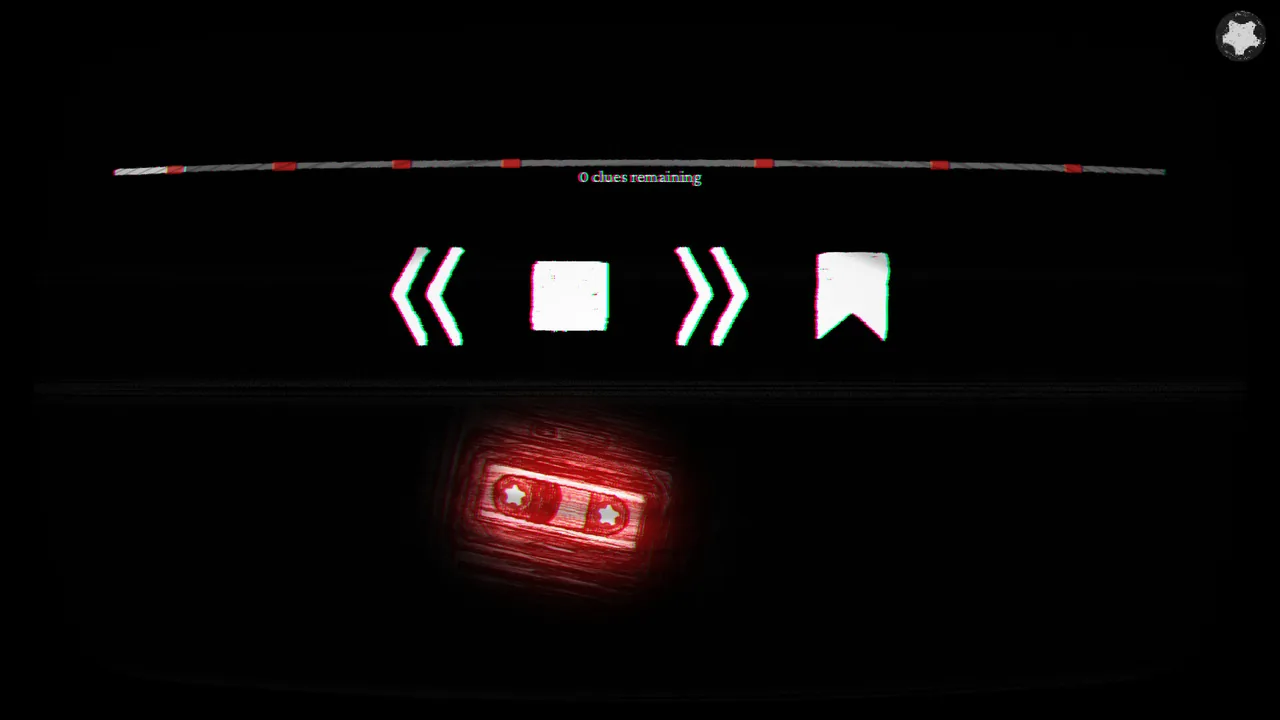
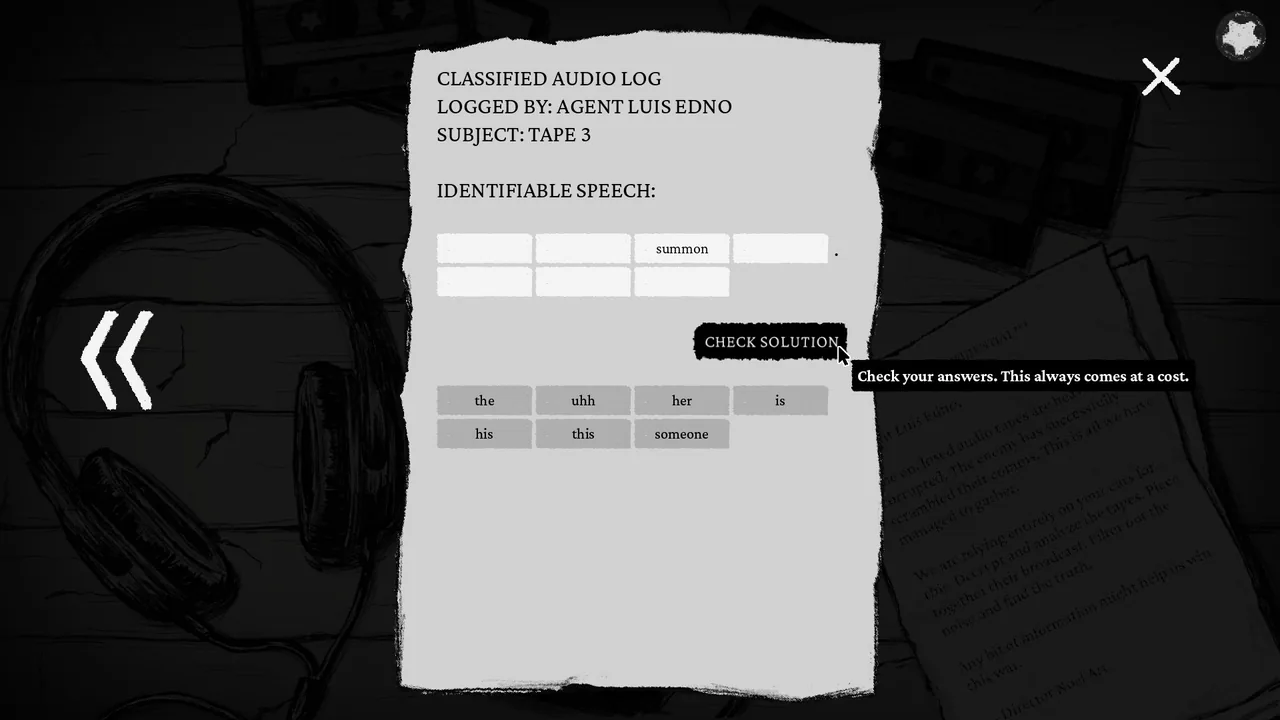
The audio puzzles themselves draw the most specific praise. One reviewer described the recordings as deliberately difficult to parse, mixing static and strange ambient sounds with the actual speech, to the point of genuinely wondering whether a word was really there or simply imagined, a sensation that dovetails perfectly with the game's psychological horror premise. That same reviewer highlighted how mistakes carry real weight: getting an answer wrong doesn't just reset the puzzle, it pushes the protagonist further into paranoia, which makes every small guess feel more consequential than a typical trial-and-error adventure-game puzzle. Another reviewer called the tapes "well made" and praised how effectively they carried a "terrifying, spooky atmosphere" despite the premise being easy to grasp within seconds of starting: listen to a recording, mark the segments that sound like speech, then unscramble what you've identified.
Presentation choices reinforce rather than compete with that audio-first design. Reviewers repeatedly pointed to the game's hand-drawn, minimal 2D artwork as a smart restraint, letting the unsettling sound design carry most of the horror weight while the visuals provide just enough unease between audio sections without overwhelming the player with visual noise. One reviewer specifically called out a recurring "face" shown on failure as an effective jolt the first few times it appeared, and multiple reviewers independently noted the game shipped free of bugs, glitches, or crashes at launch, an unusually clean technical showing for a small, newly released free title.
The single most consistent complaint across the pool is length, and reviewers are candid that it's a real limitation rather than a minor nitpick. One detailed review put it plainly: the game is clearly designed for a single sitting, and once the core audio-puzzle mechanic clicks, there isn't much additional gameplay left to explore it further, with only two Steam achievements offering little incentive to replay after finishing. That same reviewer wished the underlying idea had been pushed further, wanting more variety in how players interact with the recordings and more situations designed to make them question what's real, arguing the psychological angle doesn't have enough time to fully develop before the game ends. A separate reviewer echoed the sentiment more briefly, calling the ending "a little lack-luster" even while still recommending the game overall as a short, gore-free horror experience worth trying.
A couple of smaller, more specific complaints round out the critical side. One reviewer flagged a genuine accessibility concern worth taking seriously: because the entire puzzle system depends on precise listening, the game could be difficult or uncomfortable for players with hearing impairments, a limitation baked into the premise itself rather than something easily patched. The same reviewer also noted a design quirk in a couple of early puzzles, where a scrambled recording contains two separate sentences that could reasonably be ordered either way, but the game only accepts one specific ordering as correct, leading to avoidable frustration on otherwise valid answers. Elsewhere in the pool, the single negative English-language review dismissed the game's scares as "gratuitous jumpscares," though that read appears to be an outlier against the much larger consensus praising the game's atmosphere as earned through tension rather than cheap jolts.
Story structure earned its own specific commentary from reviewers who engaged with it closely. One review noted that the game's central twist "became evident about halfway through," but credited the writing for still taking that reveal in an interesting direction rather than treating the midpoint realization as an anticlimax, adding that the atmosphere kept them on edge for the rest of the runtime even once they'd guessed where things were heading. That same reviewer's only complaints were small presentation details rather than structural ones, pointing out that every tape is labeled generically as "Tape 1" on the results screen regardless of which one was actually completed, a minor but noticeable rough edge in an otherwise tightly assembled short experience. Given the price of entry is zero, reviewers were broadly willing to treat these kinds of small issues as forgivable polish gaps rather than serious flaws, a leniency that tracks with how most of the pool talked about the game's brevity as well: a shortcoming worth naming honestly, but not one that changed anyone's underlying recommendation.
None of these complaints undercut what nearly every reviewer agrees on: Hearing Voices finds a genuinely fresh angle on horror-puzzle design and executes it with more polish and consistency than its short length and zero price tag might suggest. It's not attempting to be a lengthy, sprawling horror experience, and reviewers who went in expecting that were the ones most likely to come away wanting more. Judged on its own terms, as a tightly focused, free, single-sitting experiment in horror you solve with your ears instead of your eyes, it's an easy, low-risk recommendation, and one of the more distinctive small horror releases of the month.
Pros and cons
Pros
- A genuinely novel central mechanic, deciphering deliberately garbled audio recordings by ear rather than solving a visual puzzle, that reviewers consistently called the strongest and most distinctive part of the game
- Consequences for wrong answers that push the story's paranoia forward rather than simply letting players brute-force guesses, adding real tension to small decisions
- Minimal, hand-drawn 2D artwork reviewers said works in the game's favor by keeping focus on the unsettling audio design rather than competing with it
- Technically solid at launch, with multiple reviewers explicitly noting no bugs, glitches, or crashes despite the game being newly released
Cons
- A very short runtime, playable in a single sitting, that multiple reviewers said left them wanting the central premise developed and varied further
- Limited replay incentive, with only two Steam achievements and little reason to return once the twist and audio mechanic are understood
- At least one reviewer's minor but specific accessibility concern, noting the game could be difficult or uncomfortable for players with hearing impairments given how central listening is to solving its puzzles
- Some scoring ambiguity in a couple of two-answer audio puzzles, where multiple orderings of a sentence feel valid but only one is registered as correct
Screenshots
-
Hearing VoicesImage: Fuupu via Steam -
Hearing VoicesImage: Fuupu via Steam -
Hearing VoicesImage: Fuupu via Steam