Game review
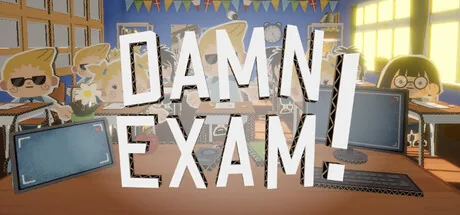
Damn Exam
7 / 10
- Developer
- Dual Daggers
- Publisher
- Dual Daggers
- Released
- 8 June 2026
- Platforms
- Windows
- Genre
- Casual, Indie, Free To Play
- Monetisation
- free-to-play
- Players
- false
The short version
Biggest strengths
- A genuinely creative core hook, catching each student's distinct cheating method using different tools and camera angles, that reviewers repeatedly called the highlight of the game
- Cute, distinctive cutout-style visuals and a catchy soundtrack reviewers praised for personality well beyond what the free price tag implies
- A gameplay loop reviewers described as immediately engaging and "leaving you wanting more," with fake-out cheating attempts that keep the supervision loop from feeling rote
Biggest weaknesses
- A short five-day campaign several reviewers explicitly wished were longer, some completing full 100% clears in as little as twenty to thirty minutes
- Specific detection frustrations, particularly students who visibly wobble or shift while being observed, making it easy to misclick and accuse the wrong student
- Uneven difficulty across student types, with some easy to catch and others, notably characters requiring specific camera filters, disproportionately harder to identify
Who it's for: Anyone looking for a free, charming twenty-to-thirty-minute time-waster with a clever hook, more than players wanting a substantial campaign or lasting challenge
Our recommendation: recommended
7 / 10
Damn Exam released free on Steam on June 8, 2026 with a premise that sells itself in one sentence: you're not the teacher, you're the exam supervisor, and an entire classroom of students is determined to cheat right under your nose. It's a tightly scoped observation game, and its review pool responded to that scope with total agreement, all 33 English-language reviews recommend it, a perfect positive score for a free release that clearly understood exactly what it was trying to be.
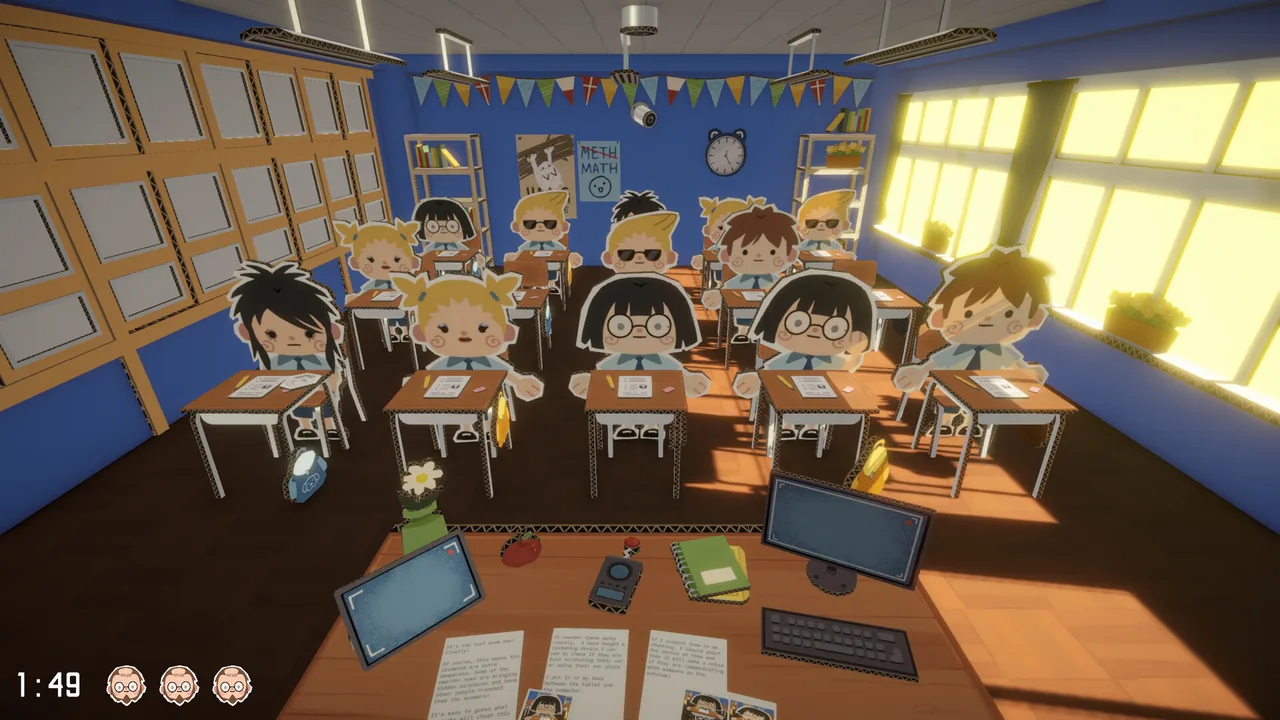
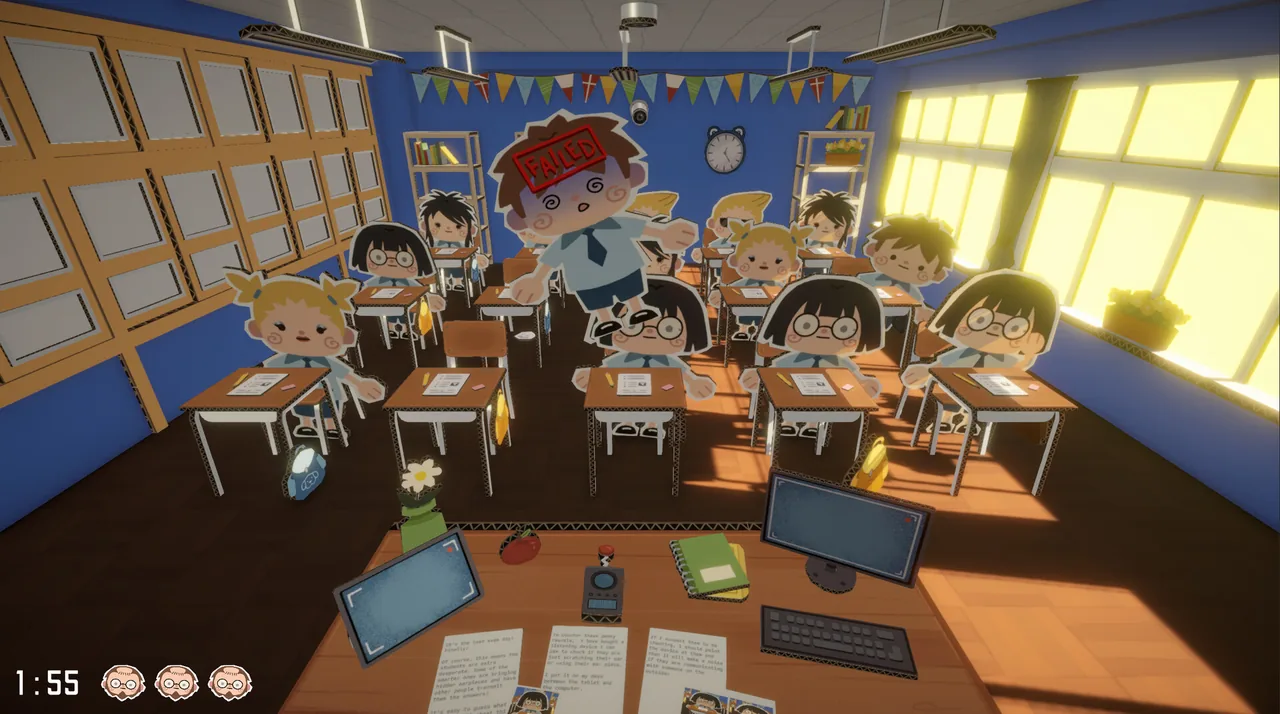
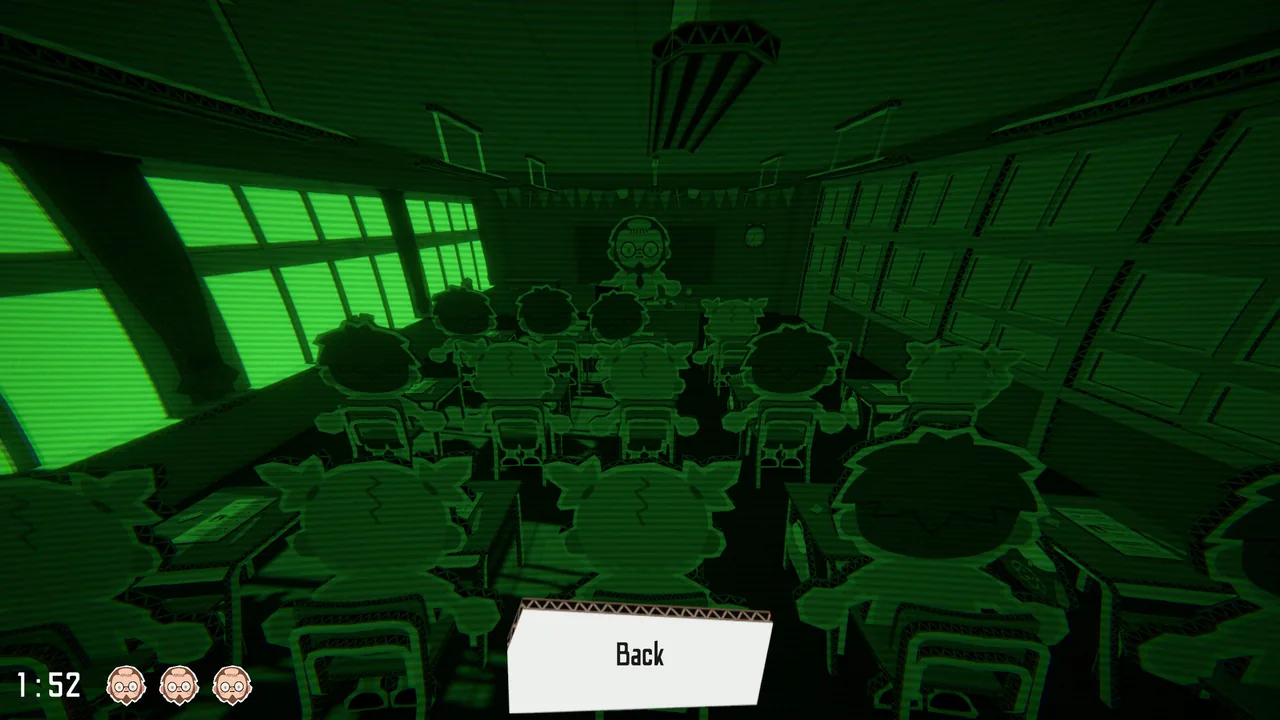
What reviewers praise most consistently is the specificity of the core hook. Each student cheats differently, and catching them means learning and applying a different tool or camera trick per character, rather than repeating one detection method across the board. One reviewer called the combination of different mechanics for identifying cheaters "super engaging," specifically highlighting how camera orientation changes deepen the challenge of tracking students around the classroom. Another reviewer praised the game's creativity and style as its two strongest assets, noting that actually catching most students is fairly straightforward once you learn their tell, while a handful of trickier characters requiring specific tools keep the loop from ever feeling too easy. The visual presentation earned its own specific praise, with one reviewer singling out the flat, cutout-style character models used when looking straight down at students as a clever, distinctive visual choice that reinforces the game's cute art direction, paired with a soundtrack another reviewer called catchy.
The most common complaint by a wide margin is length. Several reviewers explicitly said they wanted a longer campaign than the five days the base game currently offers, with one completing a full clear, zero mistakes, no time run-outs, in a single sitting and noting they suspected a custom mode exists for players wanting more challenge. Another reviewer framed the brevity more charitably, pointing out that a free game being short is a much easier pill to swallow than a paid one, and specifically thanked the developers for making it available at no cost while encouraging other players to support them however they could.
Beyond length, the sharpest specific frustrations cluster around detection fairness. Multiple reviewers flagged one particular student archetype, described across reviews as the girl with notes hidden in her hair, as a recurring annoyance, since she can stop cheating in the brief window between a player closing their observation tool and clicking to accuse her, effectively punishing correct suspicion with bad timing rather than bad judgment. A separate but related complaint involves students who physically wobble or shift while under observation, which one reviewer said makes it easy to misclick and accuse the wrong student entirely, calling the resulting false accusations unfair given the game's otherwise precise detection logic. Difficulty also isn't evenly distributed across student archetypes: one reviewer specifically called out that camera-filter-dependent characters are disproportionately harder to identify than others, making certain days feel unbalanced relative to the rest of the campaign, though the same reviewer was careful to frame this as fixable groundwork rather than a fundamental flaw, calling the overall structure "a great template" worth building further.
A smaller cluster of reviews raised control-level quality-of-life requests rather than design complaints: a faster way to back out of a held camera or tool using a dedicated key, and a proper pause function for a game that otherwise runs on a tight day-by-day timer. None of these read as significant enough to sour anyone's overall recommendation, but they're the kind of small friction points that would meaningfully smooth out repeat playthroughs or attempts at a faster, cleaner clear.
The game also appears to have found an audience well beyond its home market, which is a reasonable signal of broad appeal for a small free release. One reviewer wrote entirely in Russian before translating their own review into English, describing the game as fun and fast-paced while flagging the same core difficulty complaint echoed elsewhere, that correctly identifying which student is cheating can be genuinely hard to pin down in the moment. That the complaint lines up so closely across reviewers writing in different languages suggests the detection-fairness issues aren't a fluke of any one playstyle or player skill level, but a real, reproducible rough edge in how the game currently communicates who's guilty and who isn't.
It's also worth noting how consistently reviewers frame their frustration as affectionate rather than genuinely soured. One reviewer, tongue firmly in cheek, labeled their recommendation "through gritted teeth" and joked about yelling at fictional students to hold still, which is a pretty good encapsulation of the entire review pool's tone: real, specific annoyance with individual mechanics, wrapped around a fundamentally positive experience nobody seemed to regret spending their time on. For a genre where a poorly balanced detection system could easily tip an entire playthrough from clever to maddening, keeping that goodwill intact across 33 reviews without a single negative one is a meaningful achievement in its own right, even accounting for the low bar a free release sets for player patience.
Taken as a whole, Damn Exam earns its unanimous review pool by nailing the fundamentals of a good short-form free game: a distinctive hook, charming presentation, and a gameplay loop reviewers describe as immediately satisfying without demanding a large time investment. Its weaknesses, uneven difficulty, a few specific detection frustrations, and a campaign several players wanted more of, read less like flaws and more like a clear roadmap for a sequel or expanded version, something more than one reviewer seemed to be actively rooting for. As a free twenty-to-thirty-minute diversion, it's an easy recommendation with essentially no downside risk.
Pros and cons
Pros
- A genuinely creative core hook, catching each student's distinct cheating method using different tools and camera angles, that reviewers repeatedly called the highlight of the game
- Cute, distinctive cutout-style visuals and a catchy soundtrack reviewers praised for personality well beyond what the free price tag implies
- A gameplay loop reviewers described as immediately engaging and "leaving you wanting more," with fake-out cheating attempts that keep the supervision loop from feeling rote
- Zero cost of entry, making it an easy, low-risk recommendation as a short side-quest between bigger games
Cons
- A short five-day campaign several reviewers explicitly wished were longer, some completing full 100% clears in as little as twenty to thirty minutes
- Specific detection frustrations, particularly students who visibly wobble or shift while being observed, making it easy to misclick and accuse the wrong student
- Uneven difficulty across student types, with some easy to catch and others, notably characters requiring specific camera filters, disproportionately harder to identify
- Minor control friction reviewers flagged, including no dedicated way to quickly exit a held camera or tool, or a proper pause function
Screenshots
-
Damn ExamImage: Dual Daggers via Steam -
Damn ExamImage: Dual Daggers via Steam -
Damn ExamImage: Dual Daggers via Steam