Game review
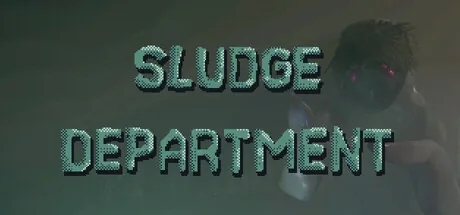
Sludge Department
7.5 / 10
- Developer
- Simon Juhl
- Publisher
- Lunch Money Games
- Released
- 23 June 2026
- Platforms
- Windows
- Genre
- Adventure, Casual, Indie
- Monetisation
- paid
- Players
- false
The short version
Biggest strengths
- A convincingly retro, PS1-inspired look and node-based Myst-style movement that multiple reviewers said felt like a genuine lost 90s adventure game rather than a pastiche
- Witty, pun-heavy writing and a cast of increasingly odd characters, with reviewers consistently praising the humor and voice
- Strong atmosphere throughout, described variously as quirky, uncanny, whimsical, and ominous, without ever tipping into full horror
Biggest weaknesses
- A noticeably slower, more uneventful first half, with several reviewers agreeing the game's best material (its odder characters and set pieces) is saved for later chapters
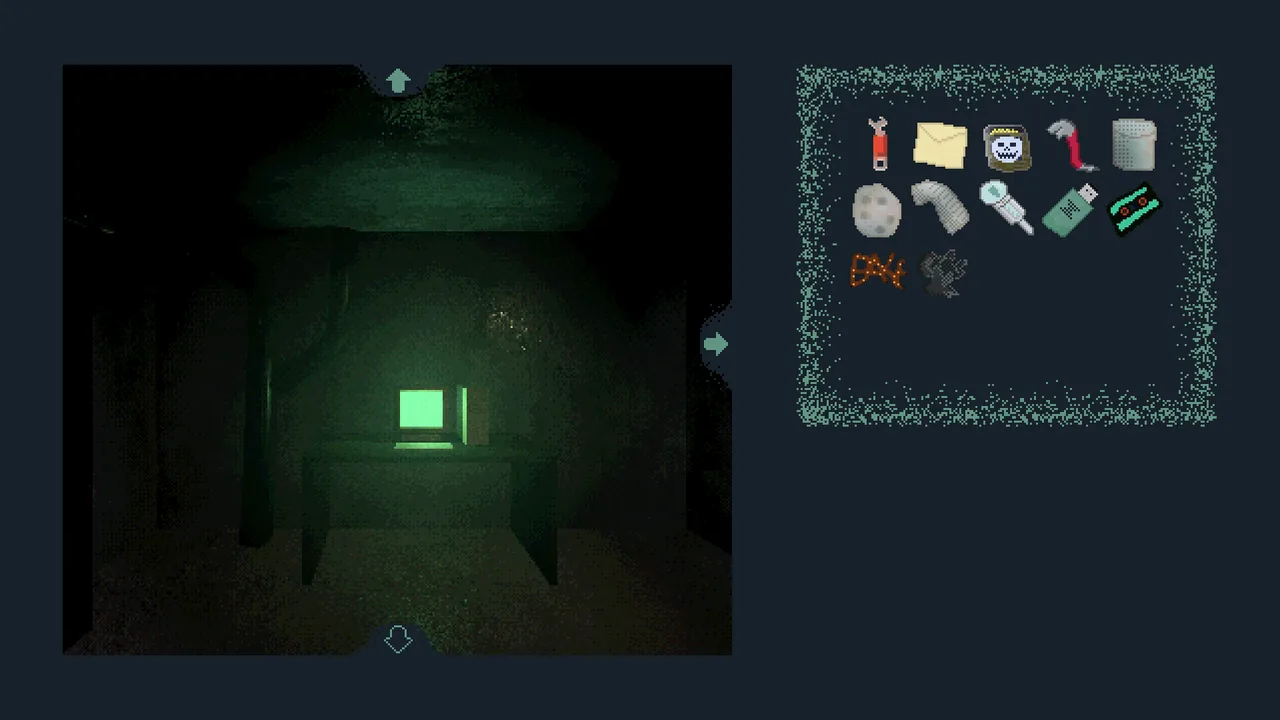
- No modern point-and-click convenience like an interactables-highlight button, leading to pixel-hunting frustration in a few specific rooms
- Save points sit only at chapter boundaries, so quitting mid-chapter can mean replaying a section, though chapters are short enough that this is a minor cost
Who it's for: Point-and-click fans nostalgic for 90s adventure games and PS1-era presentation, who don't mind a slow-burn opening in exchange for a genuinely strange and funny back half
Our recommendation: recommended
7.5 / 10
Sludge Department released in full on Steam on June 23, 2026, from developer Simon Juhl and publisher Lunch Money Games, a first-person point-and-click adventure that opens with an engineer sent to repair a water treatment plant and quickly descends into something far stranger the deeper the job goes. Its 29-review English pool is a clean 100% Positive, with reviewers converging heavily on the game's convincing retro presentation and its writing as the two biggest draws.
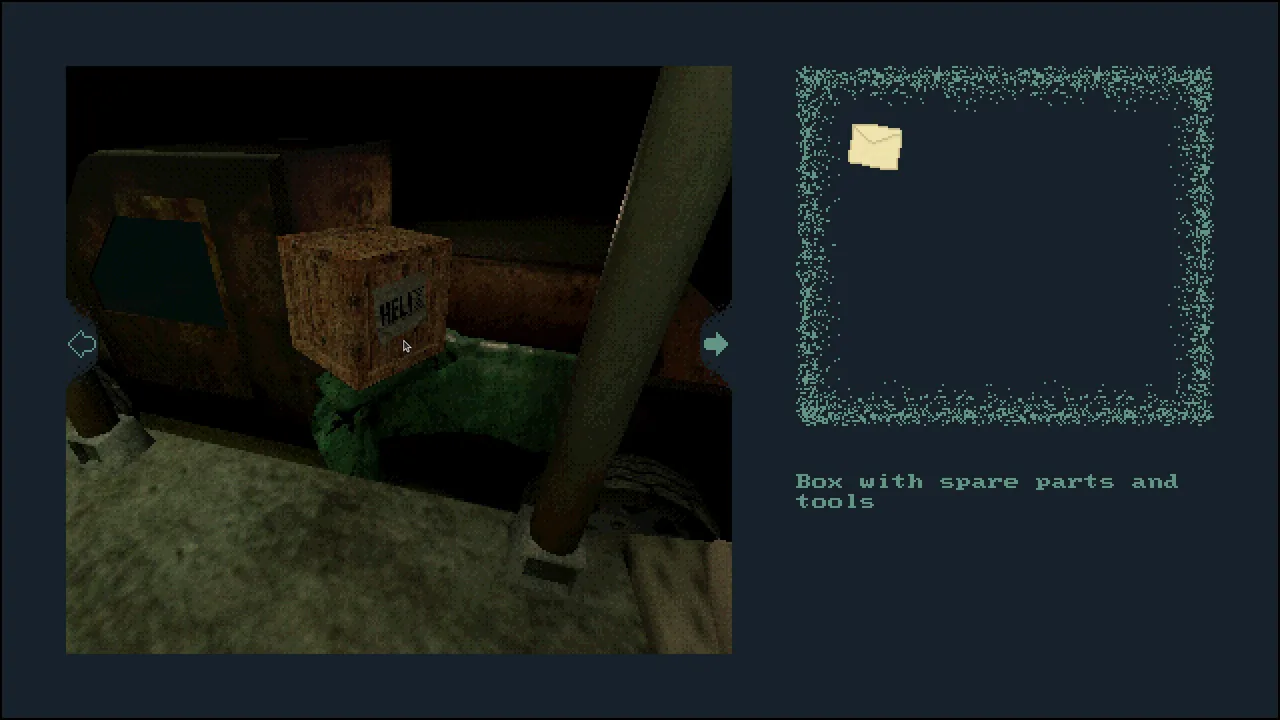
The retro credentials get singled out repeatedly and specifically. One reviewer, who wrote the pool's longest and most detailed critique, opened with, "for a second there I thought it was some lost adventure game from the mid 90s, it looked too old to be an imitation." Another described the movement style precisely: "a first person point'n'click with node-based movement (that is, like Myst). It's linear and divided into short levels (that is, unlike Myst)," praising the visuals and audio as "pretty nice" while noting, helpfully for anyone expecting something scarier, "it's not a horror. If anything, the game is rather silly." A third reviewer put it more simply: "PS1-inspired graphic with a mix of silly and genuinely stunning art. Absolutely great ambience, vibes are off the charts."
The writing is the other consistent highlight. One reviewer called out "witty dialogues and a mysterious atmosphere that really pulled me in," adding that "the game's silly humor and puns just kept surprising me as I play." That same reviewer laid out the setup clearly: "we play as an engineer whose latest job is to go fix a water treatment plant. But getting there is anything but straightforward," describing a journey through "strange obstacles and odd encounters" that gets more surreal the further the player descends. Several shorter reviews echoed the same sentiment about the game's escalating weirdness paying off, with the longest critical-but-positive review specifically praising the back half: "the stages starting with the duck were much more enjoyable... the mayor area being my favorite because it had the most personality."
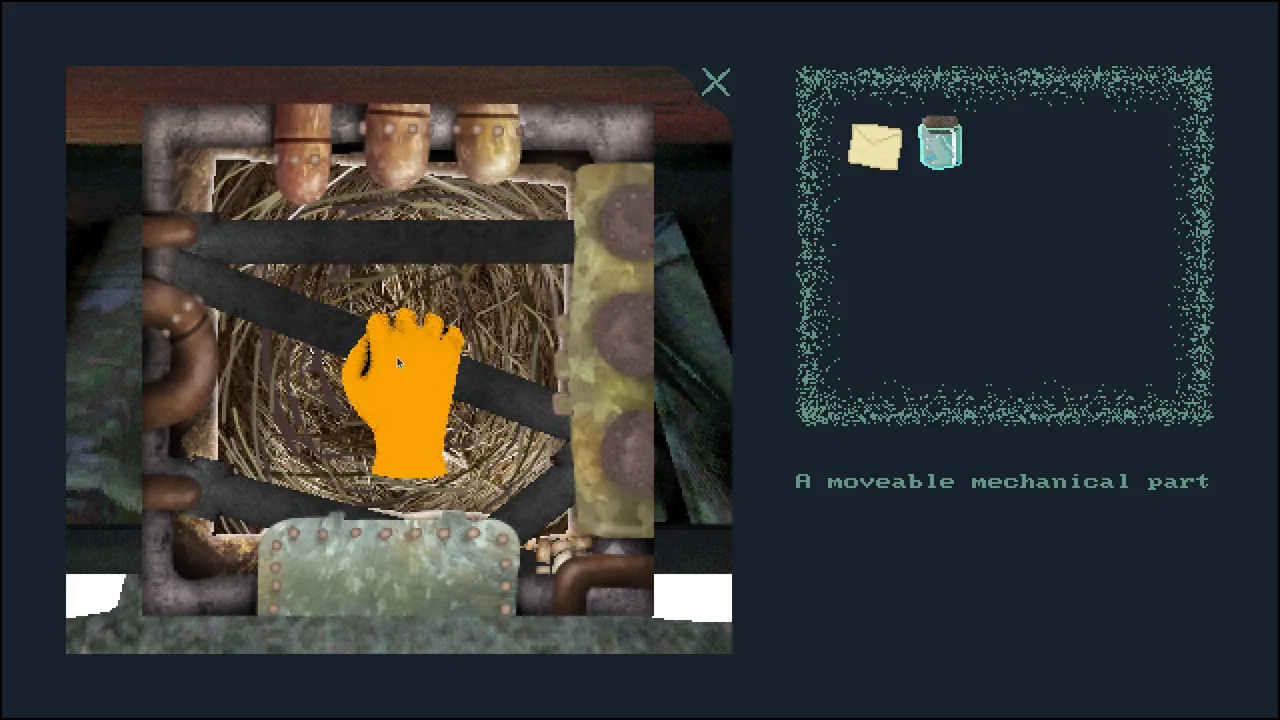
That same detailed 7/10 review is also the pool's most useful source of concrete, constructive criticism, and it's worth taking seriously precisely because the reviewer was otherwise enthusiastic about the game. Their central complaint was pacing: "I thought the first half wasn't as exciting... I felt like there were a bit too many fetch quests in the first half of the game that didn't move the narrative." They also flagged specific interface friction, "icons sticking on the screen, items not leaving the inventory, and other random bugs," and a camera that "was not always intuitive" and "gotten a bit lazy" toward the end. A separate reviewer independently raised a related usability gap, noting the absence of "the modern point and click staple of hold tab or some button to highlight all interactables," which led to real time lost wandering rooms looking for a specific clickable object. Together these amount to a consistent, if secondary, thread: the core writing and atmosphere land well, but the interface and early pacing could use more polish.
A smaller, practical complaint concerns saving. One reviewer noted that "the game only saves at the end of a chapter," and another separately confirmed there are "no real checkpoints within the chapters, so if you have to quit out of one of them you'll likely need to replay it from the beginning." Both reviewers immediately softened the complaint by noting the chapters themselves are short, so the actual cost of a mistimed exit is low, and the ability to replay any completed chapter independently from the main menu to mop up missed achievements or items was specifically praised as a nice convenience layered on top.
On length and value, the pool is close to unanimous that the roughly $4.99 asking price is fair. Playtimes cluster between two and four hours depending on how thoroughly players explore, and multiple reviewers noted the existence of several distinct endings (three, according to one detailed account) worth chasing via the chapter-select system. One reviewer summed up the value proposition well: "it doesn't ask for too much of your time and it doesn't bloat itself with unnecessary segments just to extend its run time." A free demo covering the first chapter is also referenced by reviewers as accurately representative of the full experience, giving prospective buyers an easy, low-risk way to gauge whether the humor and pacing suit them before purchasing.
A couple of smaller, more idiosyncratic notes round out the pool. One reviewer, who otherwise scored the game 7.7/10 and specifically enjoyed collecting its three distinct endings, suggested "it could use some proofreading by a native English speaker," a minor but specific polish note on the localization of the script rather than a complaint about the jokes or plot themselves, which multiple other reviewers found consistently funny. Another reviewer highlighted a nice bit of world-state persistence: items collected by backtracking to an earlier chapter and finishing it again carry forward into all subsequent chapters, a small but appreciated bit of design generosity for players chasing full completion rather than a strictly linear single run. None of these notes shifted anyone's overall recommendation, but they add useful texture for players deciding whether to prioritize a completionist playthrough.
Taken together, Sludge Department is a confidently retro, well-written point-and-click that earns its comparisons to Myst-era adventure games while carving out its own weird, funny identity, particularly once its stranger back half kicks in. The slower opening stretch and some interface rough edges keep it a notch below essential, but at its price and length, it's an easy recommendation for anyone with fondness for the genre's 90s heyday.
Pros and cons
Pros
- A convincingly retro, PS1-inspired look and node-based Myst-style movement that multiple reviewers said felt like a genuine lost 90s adventure game rather than a pastiche
- Witty, pun-heavy writing and a cast of increasingly odd characters, with reviewers consistently praising the humor and voice
- Strong atmosphere throughout, described variously as quirky, uncanny, whimsical, and ominous, without ever tipping into full horror
- Compact length (roughly two to four hours) and multiple endings that reward replaying individual chapters, which can be selected independently from the main menu
Cons
- A noticeably slower, more uneventful first half, with several reviewers agreeing the game's best material (its odder characters and set pieces) is saved for later chapters
- No modern point-and-click convenience like an interactables-highlight button, leading to pixel-hunting frustration in a few specific rooms
- Save points sit only at chapter boundaries, so quitting mid-chapter can mean replaying a section, though chapters are short enough that this is a minor cost
- Assorted small bugs and interface rough edges, including inconsistent feedback on interactions and icons occasionally sticking on screen
Screenshots
-
Sludge DepartmentImage: Lunch Money Games via Steam -
Sludge DepartmentImage: Lunch Money Games via Steam -
Sludge DepartmentImage: Lunch Money Games via Steam