VENERA 31 Review
Two Hundred Days Since the Act of Oblivion VENERA 31 opens with a countdown that never quite explains itself: it's 2031, two hundred days since something called "the Act o
7.6 / 10
The Wanderer reading room
Idle RPGs, MMOs, browser games and mobile RPGs, taken apart properly. Every review carries a score out of 10, what the game does well, what it does badly, and the kind of player it is actually for.
Two Hundred Days Since the Act of Oblivion VENERA 31 opens with a countdown that never quite explains itself: it's 2031, two hundred days since something called "the Act o
7.6 / 10
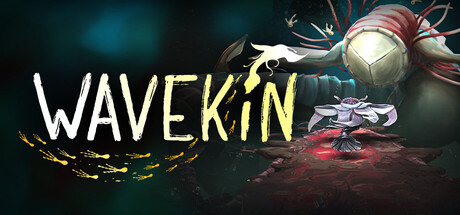
A Small Studio's Debut: Singing Your Way Through a Dying Reef Wavekin casts you as a hatchling exploring a colorful, half-abstract coral reef, trying to uncover why the Spirit
7.5 / 10
Cute Gum Blobs, Genuinely Mean Puzzles We Are Gum, released September 1, 2026 by developer and publisher Curious Nessie Club, is a $9.99 Sokoban-style puzzle game with a premise th
8 / 10
A Debut Horror Short From A Studio Nobody's Heard Of Yet We Are Sisters is a $3.99 first-person psychological horror game from BobaGames, a studio whose first release this appe
7 / 10
Cards Are Animals, Animals Are Politics Wild City takes the deckbuilding roguelike template popularized by Slay the Spire and, more recently, Balatro, and swaps the usual fantasy t
7.2 / 10
A Pirate Survival Game That Became an Instant Phenomenon Windrose dropped players into a cursed stretch of pirate-infested ocean on April 14, 2026, and within six days had sold ove
7.5 / 10
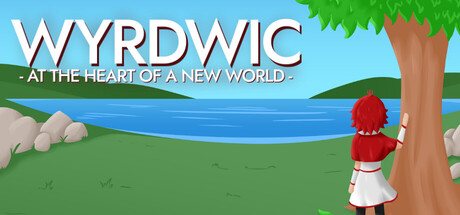
A Continent on the Edge of War Wyrdwic: At the Heart of a New World opens on a familiar kind of fantasy hinge point, a fragile peace shattered by a ruler's death and an heir
7.5 / 10
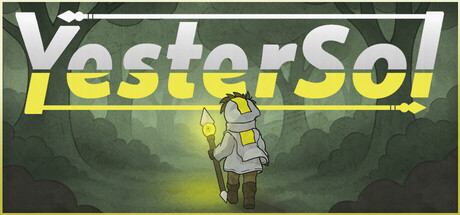
A Spear That Is Also a Platform, a Weapon, and a Seed YesterSol's entire identity is built around one tool: the SolSpear, a magical weapon that a young sun warrior named Corin
7 / 10
Twenty New Tiny Puzzles From a Beloved One-Person Studio 20 More, Somehow Even Smaller, Mazes is the direct sequel to solo developer FLEB's 20 Small Mazes, a free browser-flash
8.2 / 10
A Free Detective Adventure Built From a Hit TV Series A Night at Moka Efti: A Babylon Berlin Story is a free-to-play narrative adventure from Paintbucket Games, the studio behind T
7.5 / 10
Read review of A Night at Moka Efti: A Babylon Berlin Story Review
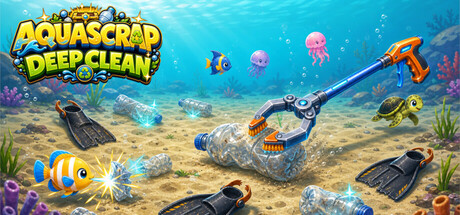
Scrubbing the Seabed, One Timed Dive at a Time Aqua Scrap: Deep Clean is a cursor-driven incremental game built around a simple, repeatable loop: dive to the ocean floor for a stri
7.4 / 10
Orcs, Elves, and a Spreadsheet: Fantasy Football Without the Joystick Brutal Ball Manager 2 is a franchise management simulation built around 8-versus-8 American football, reimagin
7.3 / 10
Forget the Joystick, You're Playing Football With a Deck of Cards Card Revolution Soccer strips the football simulation down to a single, unusual mechanic: instead of dribbling
7.1 / 10
A Grapple-Swing Platformer Built for a Specific, Devoted Audience Cattopia's entire identity rests on one piece of source material: Umihara Kawase, the cult Japanese fishing-li
7 / 10
A Blood-Fueled Descent Into a Brutalist Catacomb CONCRETE BURIAL is a short, first-person horror game from Games From The Abyss, published by DreadXP, built around a single, sharp
7.1 / 10
Sliding Through Walls, Possessing Enemies, and Chasing a Groove Craving Wisps is a short, tightly focused 3D platformer built around a movement kit that keeps expanding for as long
7.3 / 10
A Free, Modern Take on a 400-Year-Old Card Game Cribbage! is exactly what its title promises: a digital adaptation of the classic peg-and-pegboard card game, playable solo against
8.1 / 10
Crime, Snitching, and Proximity Chat in a Trailer Park Dawson Oaks Trailer Park is a proximity-voice-chat social deduction game that swaps the sci-fi spaceship trappings of the gen
7 / 10
A Snake Wearing a Chess Set Into Battle Dragon Tiles is a lightweight top-down bullet-hell survival roguelite built around a single, distinctive visual idea: a dragon's head le
7.2 / 10
Balatro Meets Need for Speed Underground Driving Rogue is a card-driven roguelike arcade racer from developer Gravity Works, built around a loop that reviewers describe again and a
8.1 / 10
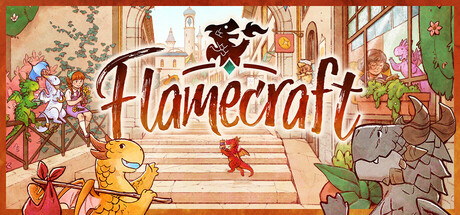
A Beloved Tabletop Game About Cozy Dragons Comes to Steam Flamecraft is the official digital adaptation of Cardboard Alchemy's tabletop board game of the same name, developed b
7.1 / 10
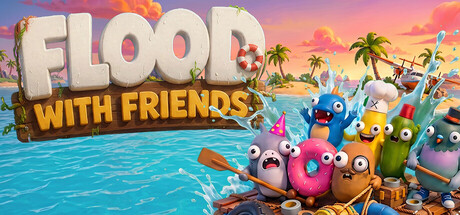
Nail a Raft Together Before the Water Gets You Flood With Friends drops up to eight players on a shrinking island with a nail gun, a scattered pile of junk, and no instructions. Ch
7.6 / 10
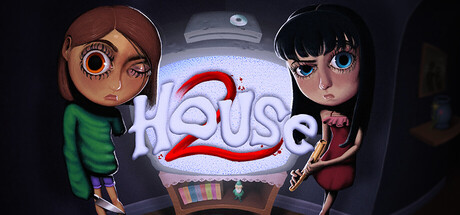
A Groundhog Day Horror Loop, Now With a New Face House 2 picks up the trial-and-error, time-loop horror formula of the original House, in which a girl is trapped reliving the same
7.2 / 10
Finding a Stranger's Laptop From 2004 and Piecing Together What Happened to Her lily's world XD is a desktop-simulation psychological horror game from solo developer Sonder
7.5 / 10