Game review
War Thunder
6 / 10
- Developer
- Gaijin Entertainment
- Publisher
- Gaijin Network Ltd
- Released
- 15 August 2013
- Platforms
- Windows, macOS, Linux
- Genre
- Combined-arms Vehicle Sim
- Monetisation
- Free to install. Revenue comes from premium vehicles, premium account time and currency, sold as 35 Steam add-ons — 32 of which carry a price on 4 August 2026, totalling **NZ$2,113.81** with a median of NZ$59.99 and a top item at NZ$139.00. Premium vehicles skip research entirely and earn substantially more currency per match.
- Players
- Online PvP and PvE across air, ground and naval battles, with cross-platform play
The short version
As a simulation this is remarkable — thousands of vehicles modelled to the individual armour plate, air, ground and naval combat in one engine, and it runs on Linux. As a game to progress through, it is a twelve-year argument between a developer and its own playerbase about how long a tank should take to unlock. The first few tiers are genuinely great and free. Then the research costs climb, the repair bills bite, and the store starts making a lot of sense — which is the design working exactly as intended. Play it for the sim. Decide early how much of the ladder you actually intend to climb.
Biggest strengths
- Extraordinary technical scope — air, ground and naval combat in a single engine, with damage modelling down to individual components and crew
- Thousands of vehicles across many nations, researched through tech trees with real historical depth
- Genuinely free to start, and the early tiers offer dozens of hours before the economy tightens
Biggest weaknesses
- The progression economy is the defining complaint across the game's entire history — research costs, repair bills and modification grinds that steepen sharply above the early tiers
- The Steam add-on catalogue totals over NZ$2,100 with a median item price near NZ$60, on a game advertised as free
- Premium vehicles skip research and earn more per match, so purchases directly accelerate the progression the game is built around
Who it's for: Vehicle and history enthusiasts who want fidelity nothing else offers and are content to live in the lower and middle tiers. Not for players who need to reach the top of a tech tree, and not for anyone who resents a progression curve that bends toward a shop.
Our recommendation: Install it — it's free, the early tiers are the best part, and you'll know within twenty hours whether the simulation grabs you. Set your expectations deliberately: pick one nation and one branch rather than spreading across trees, stay in the tiers you enjoy rather than racing upward, and treat premium account time as the only purchase worth considering if you play regularly. Buying a NZ$139 vehicle bundle to skip a grind is buying your way out of the game you installed.
6 / 10
War Thunder is free. Its Steam add-on catalogue costs NZ$2,113.81.
That's 32 priced items out of 35, with a median price of NZ$59.99 and a single bundle at NZ$139.00. For comparison, I priced The Sims 4's 113 add-ons the same afternoon and the median there was NZ$10.46. War Thunder sells fewer things, six times dearer each.
Hold that thought, because the game underneath it is genuinely magnificent.
What Gaijin actually built
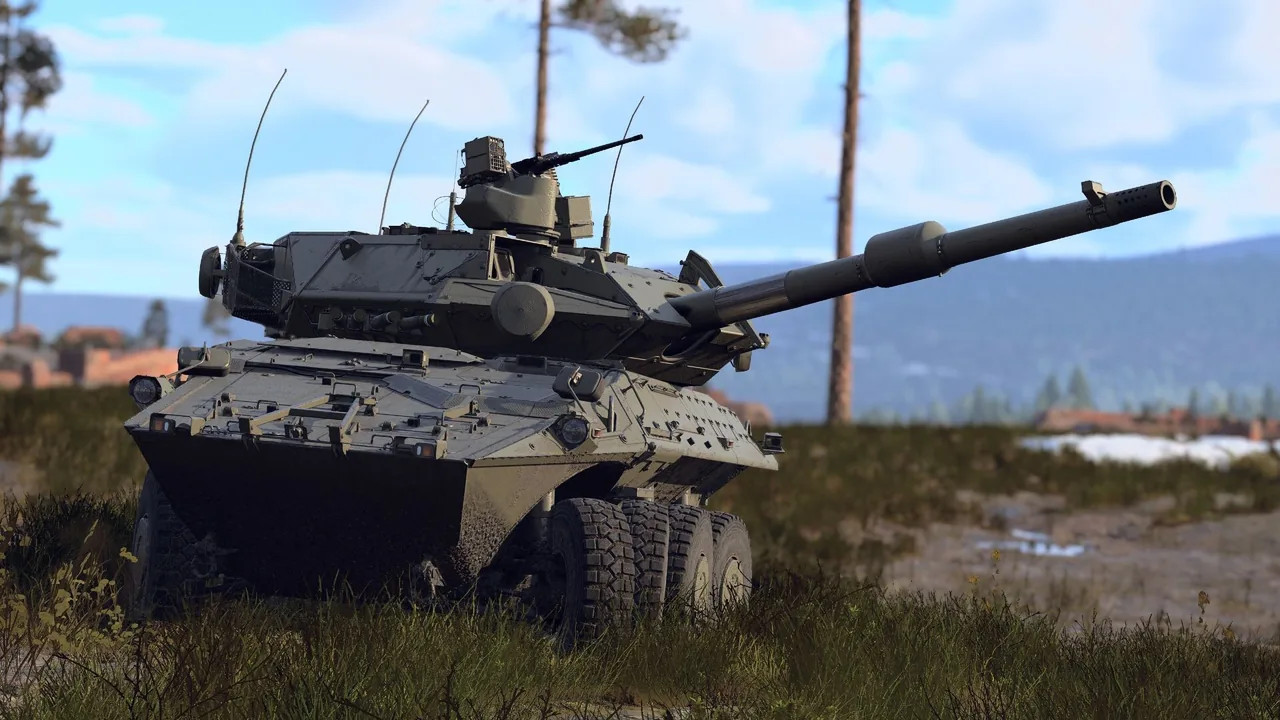
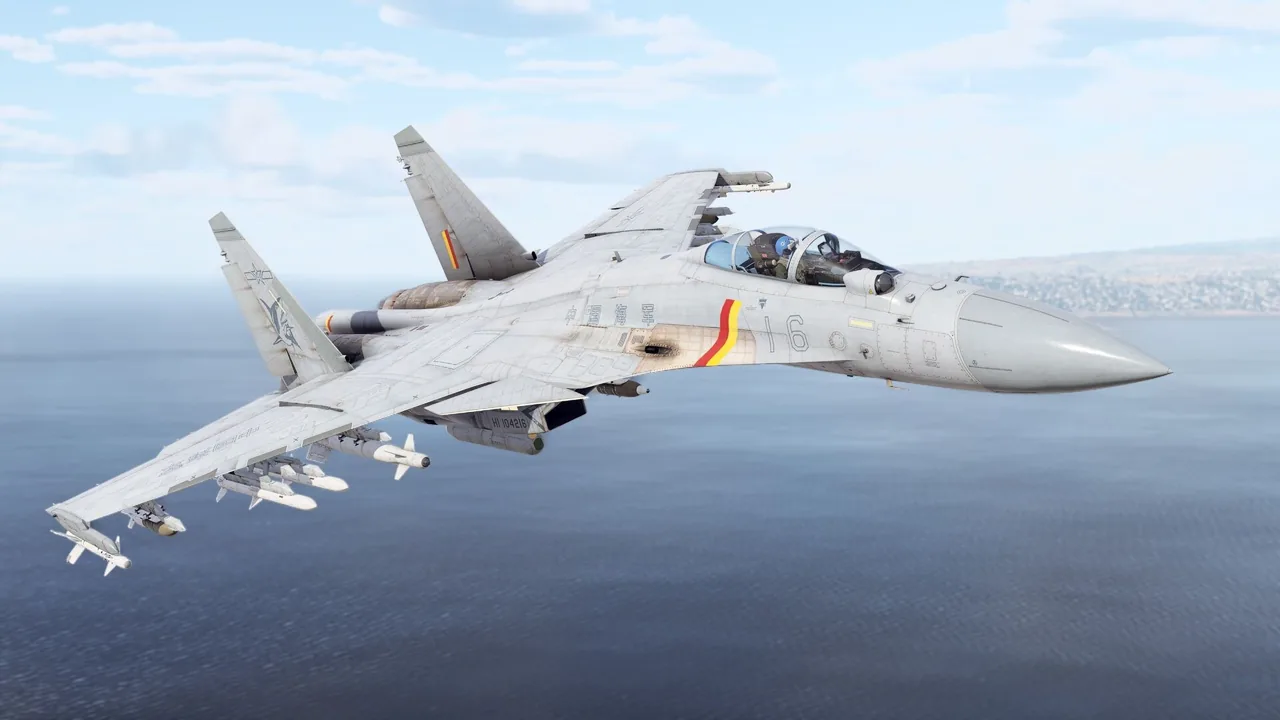
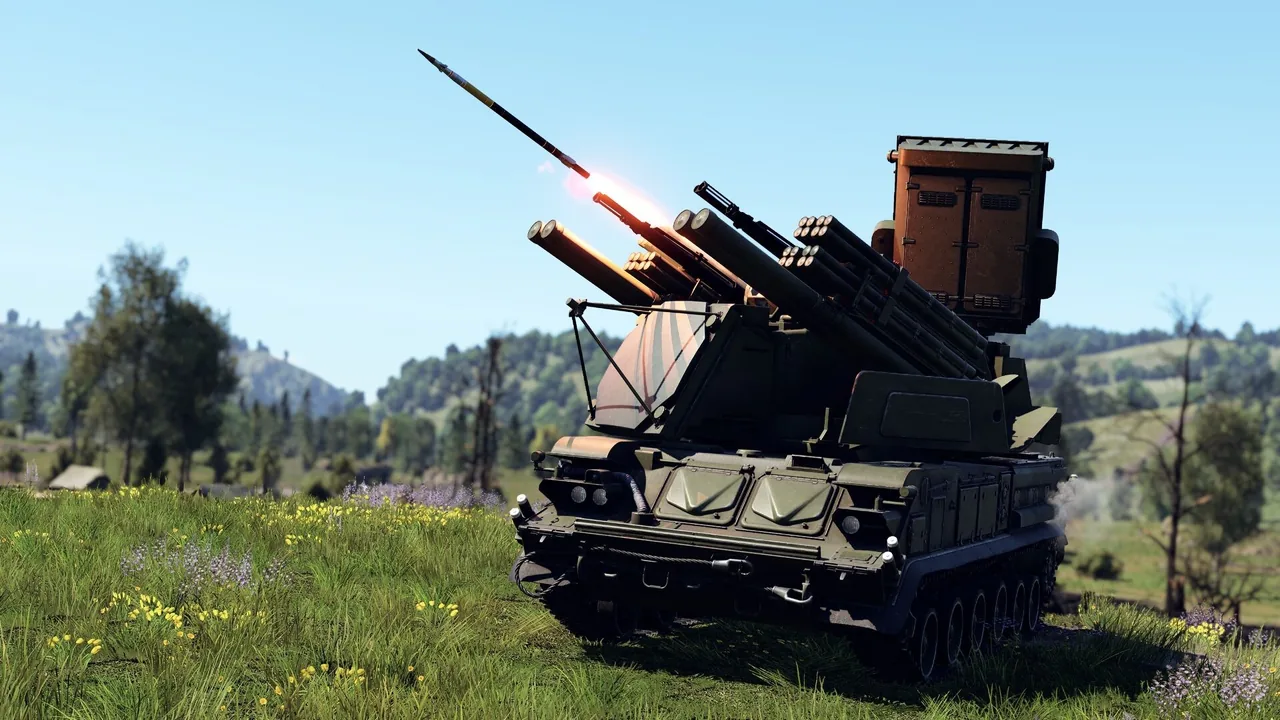
There is nothing else quite like this. Thousands of vehicles — aircraft, tanks, helicopters, ships — modelled with real engineering fidelity, in a single engine, playable against each other. Shells have penetration values that interact with plate thickness and angle. Aircraft have individual control surfaces that stop working when you shoot them off. Crew members occupy positions and can be individually incapacitated.
Twelve years of continuous development have produced a scope that no competitor approaches, and Gaijin have kept it running natively on Windows, macOS and Linux with cross-platform play — a level of platform care that puts far larger studios to shame.
And the first stretch of it is free and terrific. Low-tier propeller aircraft and early tanks are forgiving, the maps suit their speed, and matches are quick and readable. Reviewers who dislike everything else routinely concede this part. One of the most common formulations in the current negative reviews is that the fun parts were the first few tiers — which is a complaint, but it's also an admission that the first few tiers are fun.
The median recent reviewer has 65 hours in it. Nobody spends 65 hours in a game they hate.
Then the economy arrives
The single most consistent criticism of this game, running unbroken from 2017 to reviews posted this year, is that progression is tuned to be unpleasant enough to sell you a way around it.
The mechanics of that are worth spelling out, because "grindy" is too vague to act on. Research costs to unlock the next vehicle rise sharply with tier. Each vehicle then needs modifications researched separately before it performs as designed, so a freshly unlocked tank is a worse version of itself for some hours. Repair costs are deducted after matches, and at higher tiers a bad game can cost more than it earns. Premium account time multiplies your earnings. Premium vehicles skip research entirely and earn more per match than researched equivalents.
Put together, money doesn't buy you a better tank so much as it buys you time — and in a game whose entire structure is a research ladder, time is the whole product. That's a more honest framing than "pay-to-win" and, I'd argue, a more damning one. Nobody is beating you because they paid. They're simply thirty hours ahead of where you'd be, permanently, and the gap compounds.
A player with over seven thousand hours summarised it in 2023 as ever-changing economy updates and an inability to play what they wanted without opening their wallet. A 2017 review with 507 hours described hitting a brick wall after tier two. The dates are nine years apart and the sentence is the same.
The other long-running grievances
Top-tier design. A detailed 2026 review from a player of many years makes a specific structural point: as you climb, vehicles get faster, longer-ranged and more lethal, but the maps do not get bigger. Several get smaller and more cramped. The result is that top-tier ground battles — the thing the entire grind is pointed at — are frequently the least enjoyable version of the game.
Balance perception. There's a durable, widely-held belief in the community that certain nations receive favourable treatment. I'm not in a position to adjudicate that, and much of how it's expressed in reviews is unusable. But a decade-old, unresolved perception of bias is itself a fact about the game's health, and it colours a lot of the sentiment you'll read.
The 2017 agent controversy. The two most-upvoted negative reviews this game has are both from early 2017 and concern a background component, the Gaijin.net agent, which players described as persisting after uninstall, adding itself to startup and using their bandwidth to distribute updates to other players. I'd treat that as a historical episode rather than current guidance — it's nine years old, and I haven't verified present behaviour — but it's the loudest thing in the negative corpus and you should know what you're reading when you meet it.
It's also a useful reminder about Steam review data on very old games: sorting negatives by helpfulness gives you the loudest moment in a game's history, not its current state. The recent reviews are a better guide, and they run 65% positive against a 71% lifetime figure — slightly worse than the average, not catastrophically so.
The verdict
6.0 out of 10. Rated 6.0 out of 10.
I want to be fair to what this is. As a piece of simulation engineering, War Thunder deserves an 8.5, and the fact that it's free, cross-platform and still receiving major updates twelve years in is genuinely admirable. If you like aircraft or armour, you should install it today, because there is no substitute and it costs nothing to find out.
The score is lower because a game is its progression as much as its mechanics, and this one's is built to be endured rather than enjoyed above the early tiers, with a shop positioned precisely where the endurance starts. Twelve years of players saying the same thing in the same words is not a coordinated grievance; it's a design that has been repeatedly measured and repeatedly found wanting.
So play it deliberately. Pick one nation, one branch, stop where you're having fun, and ignore the ladder above you. Played that way it's one of the best free games on Steam. Played as a completion project it will cost you either two thousand dollars or a great deal of your patience, and the reviews suggest most people spend the patience first.
Pros and cons
Pros
- Extraordinary technical scope — air, ground and naval combat in a single engine, with damage modelling down to individual components and crew
- Thousands of vehicles across many nations, researched through tech trees with real historical depth
- Genuinely free to start, and the early tiers offer dozens of hours before the economy tightens
- Excellent presentation, and it runs well across Windows, macOS and Linux with cross-platform play
- Twelve years of continuous development with regular major updates
- The median recent reviewer still has 65 hours logged, which tells you the core is compelling whatever the complaints
Cons
- The progression economy is the defining complaint across the game's entire history — research costs, repair bills and modification grinds that steepen sharply above the early tiers
- The Steam add-on catalogue totals over NZ$2,100 with a median item price near NZ$60, on a game advertised as free
- Premium vehicles skip research and earn more per match, so purchases directly accelerate the progression the game is built around
- Long-standing player perception of national balance favouritism, which the developer has never resolved to the community's satisfaction
- Top-tier play draws specific criticism for maps that get smaller and more cramped as vehicles get faster and longer-ranged
- The community is frequently hostile, and a meaningful share of the review corpus is unusable abuse
Screenshots
-
War ThunderImage: Gaijin Network Ltd via Steam -
War ThunderImage: Gaijin Network Ltd via Steam -
War ThunderImage: Gaijin Network Ltd via Steam -
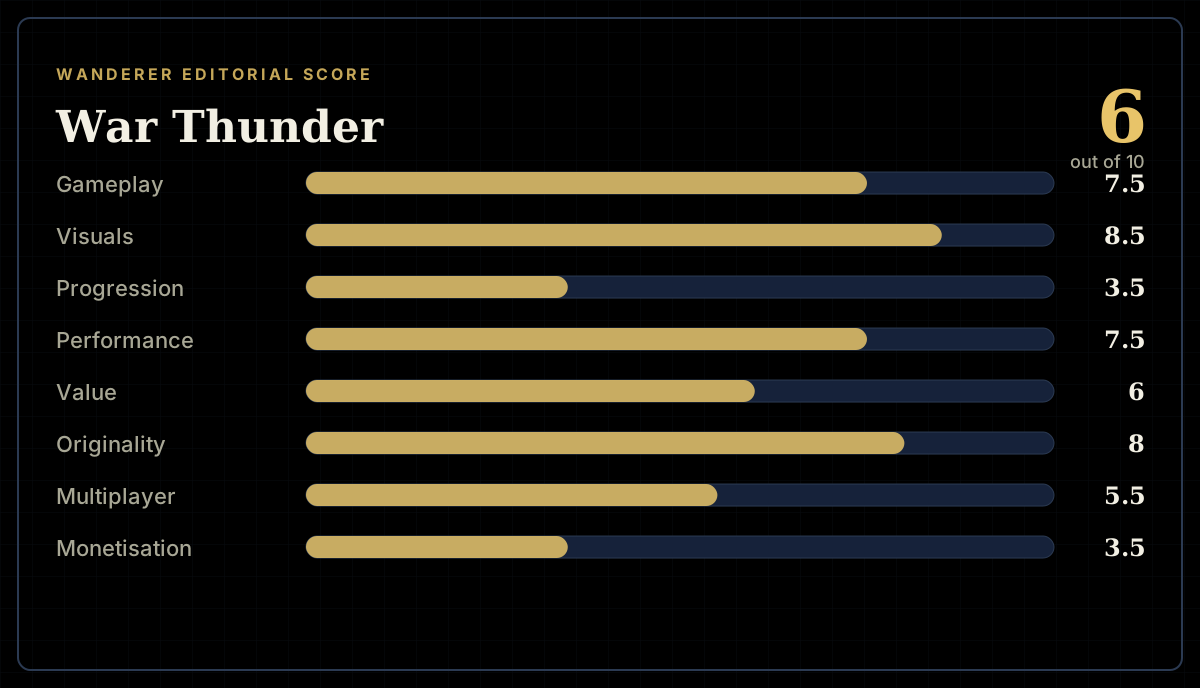
How the review scores each part of the gameWanderer Editorial -
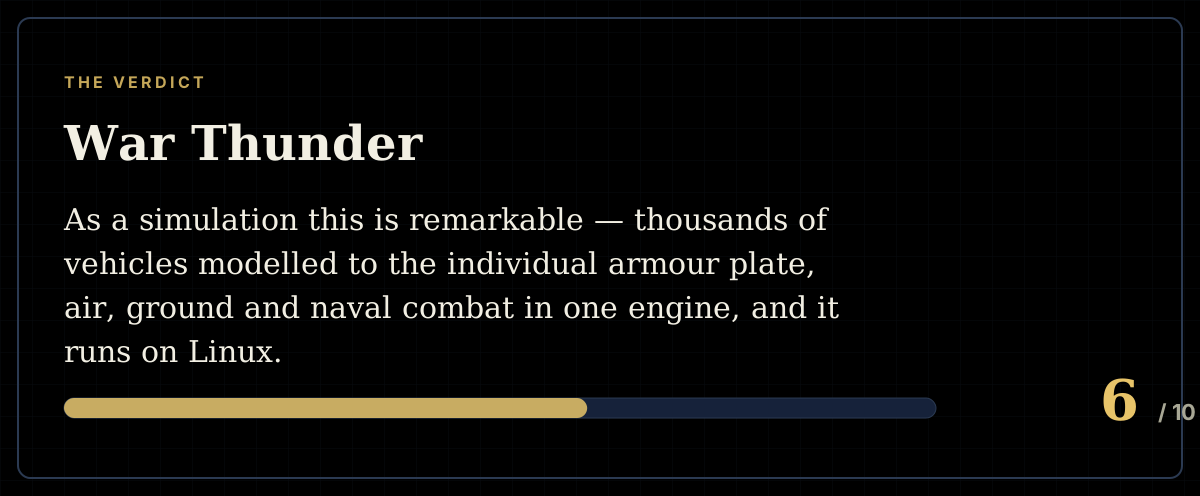
The short versionWanderer Editorial