
Game review
Tukoni: Forest Keepers
6 / 10
- Developer
- Dream Operator
- Publisher
- Dream Operator, Gamersky Games
- Released
- 17 August 2026
- Platforms
- Windows
- Genre
- Adventure
- Monetisation
- One-time purchase
- Players
- Single-player
The short version
Tukoni: Forest Keepers, released 17 August 2026, turns illustrator Oksana Bula's beloved Ukrainian children's-book world into a hand-drawn point-and-click adventure about helping forest spirits and animals prepare for winter. Reviewers are close to unanimous that its watercolour-storybook art and gentle, unhurried tone are exceptional, but a recurring and candid thread, including from reviewers who still recommend it, describes a main campaign that runs two to four hours, puzzles that rarely challenge, and gameplay mechanics that several say never quite live up to the life and playfulness of the artwork surrounding them.
Biggest strengths
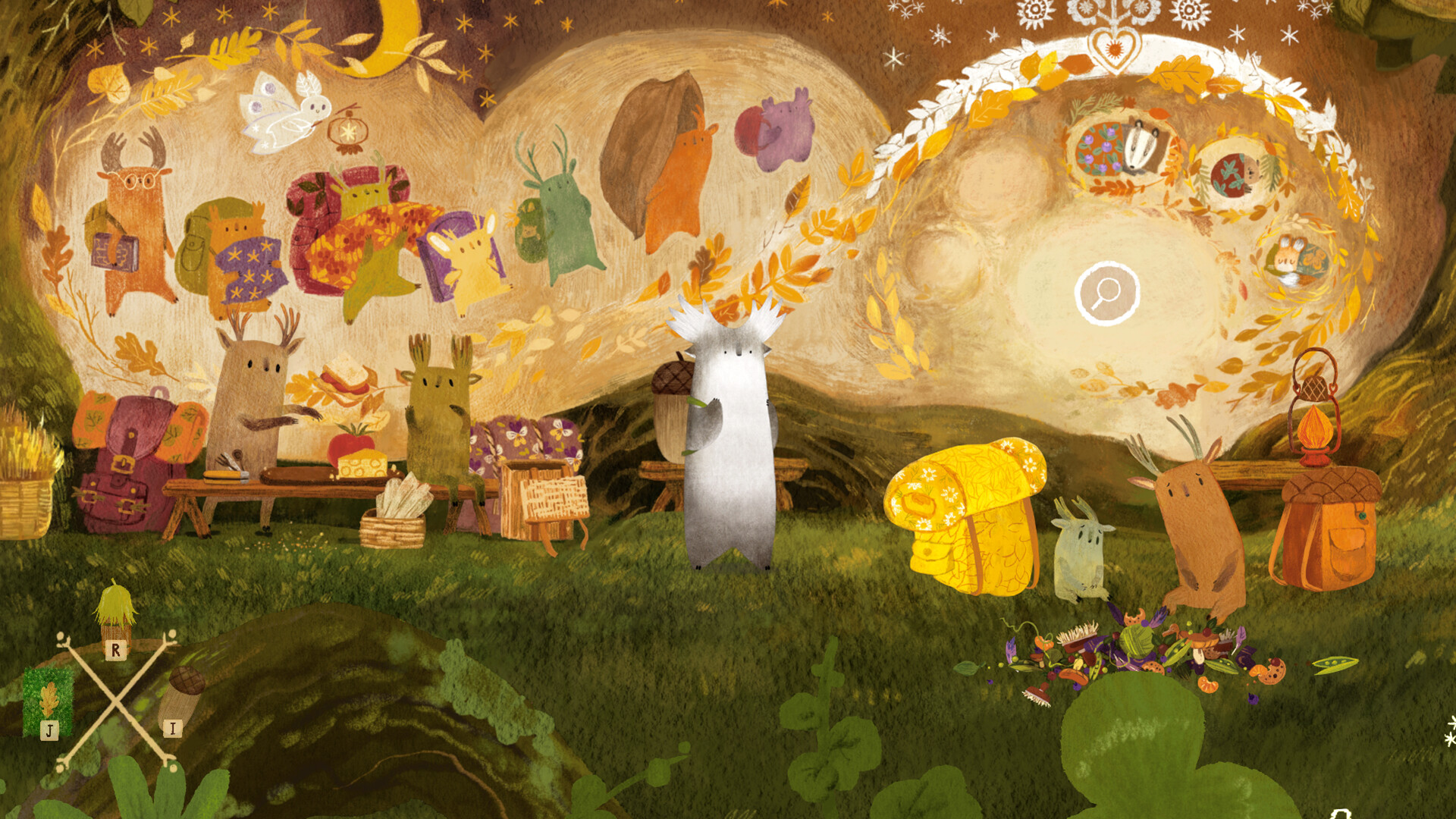
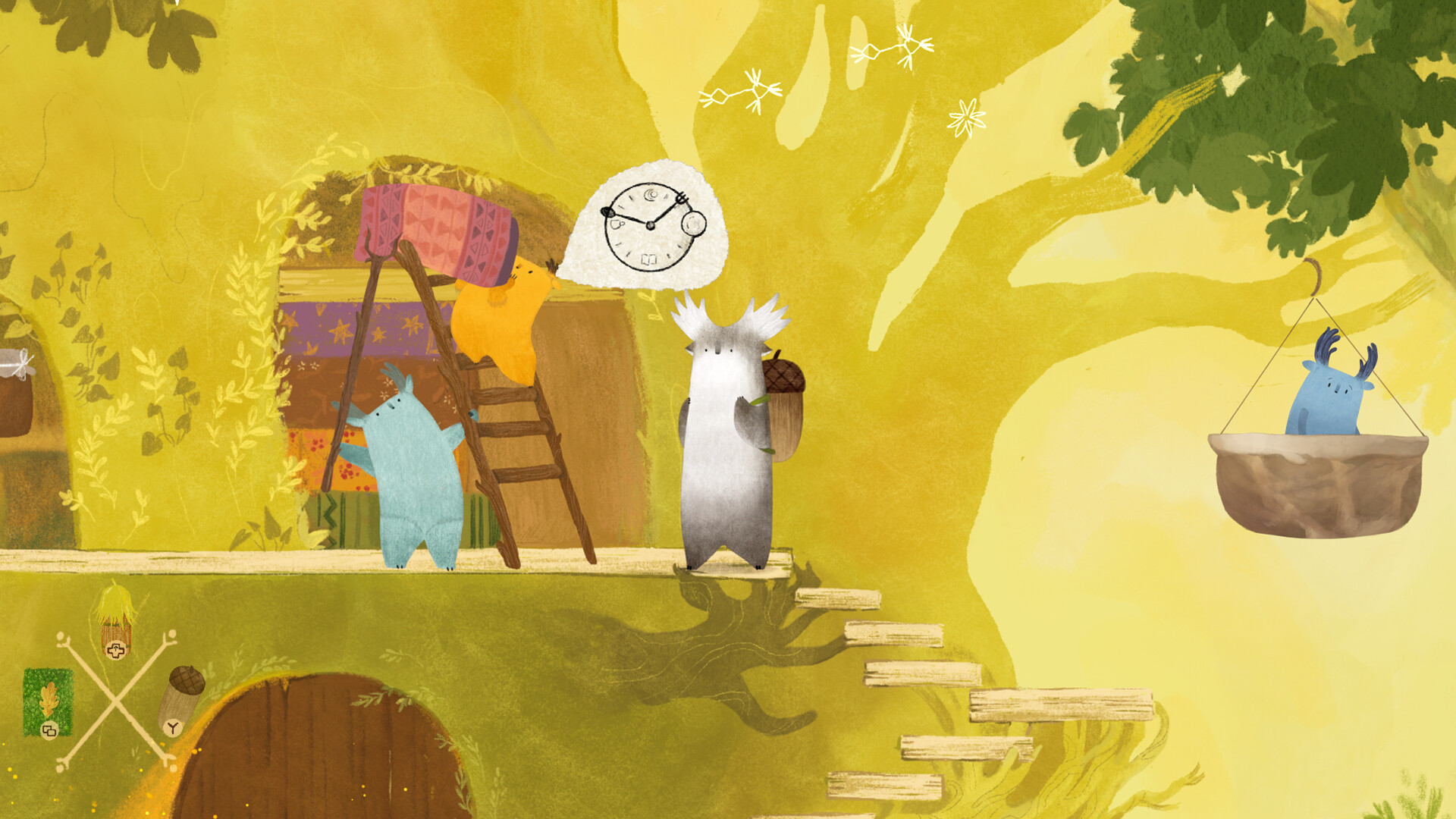
- The hand-drawn, watercolour-style art direction, adapted directly from Oksana Bula's Tukoni picture books, draws close to universal praise for its warmth, detail, and distinctive Ukrainian-folklore character design
- A quiet, unhurried design philosophy, dedicated rest spots that reward the player for simply sitting and observing rather than progressing, is repeatedly singled out as an unusually sincere commitment to the game's cozy premise
- The in-world Notebook, which records the Traveller's observations and doubles as a non-intrusive hint system, is praised for staying in character rather than functioning like a bolted-on help menu
Biggest weaknesses
- The main campaign is very short, most reviewers report finishing in two to four hours, and a recurring complaint, even among enthusiastic reviews, is that the story ends abruptly just as players are settling in
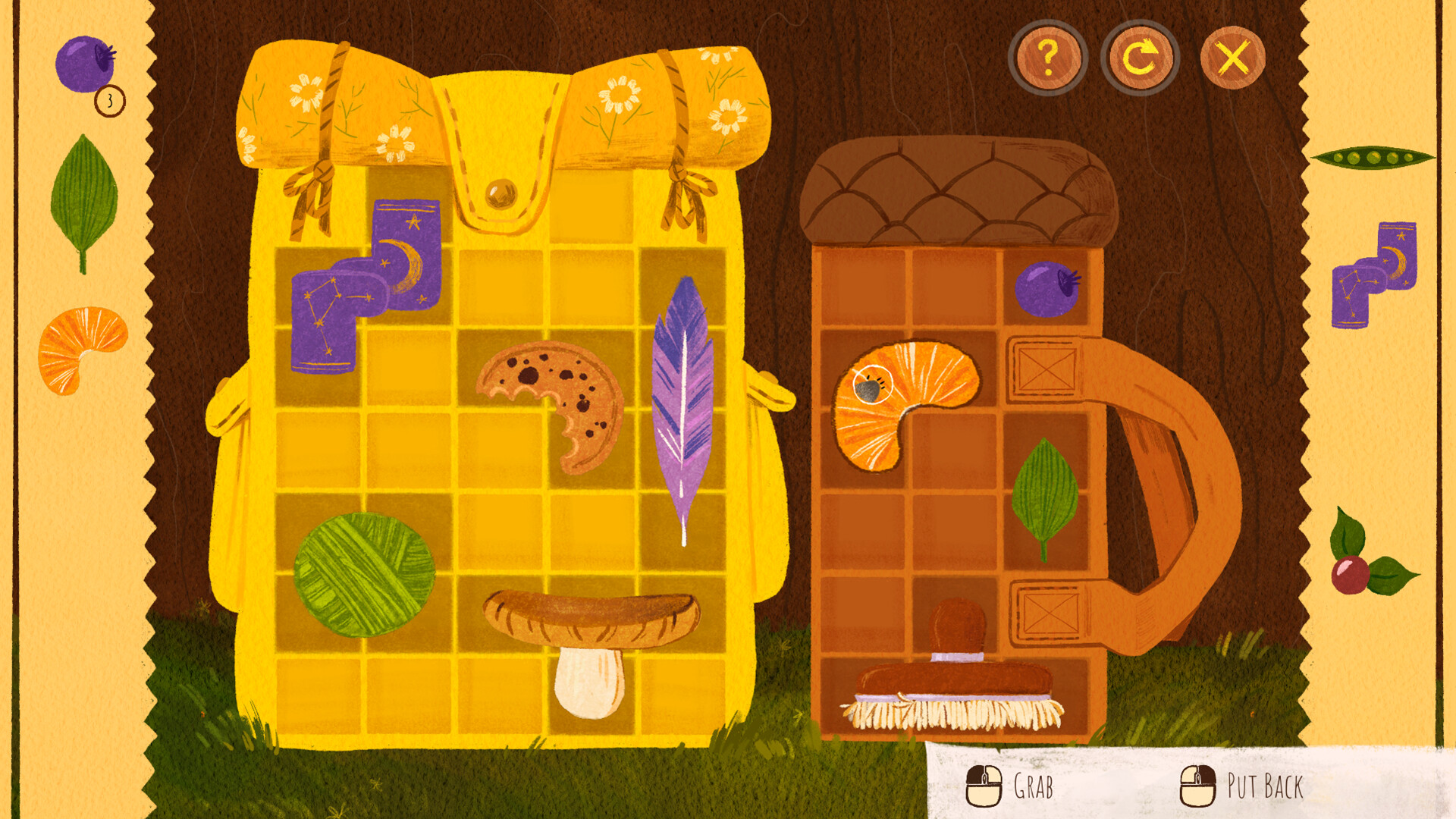
- One especially detailed review argues in depth that the puzzle design itself is mechanically flat, comparing it unfavourably to Amanita Design's catalogue and describing a sigil puzzle as a joyless, unrotatable version of a mechanic done better elsewhere
- Movement around the hand-drawn scenes is described by at least one reviewer as awkward enough to prompt giving up on the game entirely, despite otherwise finding the art and puzzles charming
Who it's for: Fans of gentle, low-stakes point-and-click adventures like Dordogne or Samorost, players drawn to distinctive hand-illustrated art styles, and families looking for a short, all-ages game to play together.
Our recommendation: A beautiful, sincere little game that's easy to recommend to anyone drawn to its storybook aesthetic, but buyers expecting the puzzle depth or interactivity to match the artwork, or a campaign that lasts more than a single sitting, should wait for a sale.
6 / 10
Tukoni: Forest Keepers casts the player as Traveller, a forest spirit helping around twenty woodland characters, animals and the tiny Tukoni themselves, prepare for winter across four hand-illustrated locations. Released 17 August 2026 by developer Dream Operator in collaboration with Ukrainian illustrator Oksana Bula, whose picture books provide the game's entire visual and narrative foundation, it arrived as the full realisation of a free prologue that had built a devoted following years earlier. Reading through its Very Positive review sample turns up a rare, near-total consensus on what the game gets right, alongside a smaller but pointed and specific thread describing where it falls short of that same standard.
A storybook brought convincingly to life
Almost without exception, this review sample treats the game's presentation as its defining achievement. Reviewers describe the watercolour-style illustrations, whimsical creature designs, and autumnal woodland settings as feeling like "stepping into a cozy illustrated storybook," and several longtime fans of Bula's books specifically praise how faithfully the game translates still illustrations into a living, animated world without losing their character. One detailed, largely positive review calls the visual and narrative craft "a masterclass in atmosphere," pointing to small, deliberately unhurried touches, hidden resting spots scattered through the world that invite the player to simply sit by a stream or beneath the autumn leaves with no objective attached, as evidence of a design team genuinely committed to its cozy premise rather than merely marketing toward it. The Notebook that accompanies the player throughout, filling with sketches and clues as the story progresses, draws specific praise for functioning as an in-world object rather than an obviously bolted-on hint system.
Puzzles and pacing that don't match the artwork
Set against that presentation is a recurring, more measured critique, and it's notable that it comes as often from reviewers who still recommend the game as from the small handful who don't. The most detailed example in the sample, a long positive review from a player who had followed the Tukoni series since its free prologue, argues at length that the actual puzzle-solving never achieves the playfulness of the art around it, describing item-fetching tasks and a shape-fitting puzzle borrowed loosely from The Talos Principle's sigil mechanic (without even the ability to rotate pieces) as mechanically inert compared to the visual world hosting them. That review specifically contrasts Tukoni with Amanita Design's catalogue, arguing the interactions themselves lack the same sense of discovery. A separate, shorter negative review corroborates part of this from a different angle, describing the movement and navigation around scenes as "awkward and painful" enough to abandon the game despite finding its art, story, and puzzles charming. Length is the single most repeated specific complaint across the wider sample: most reviewers report finishing in two to four hours, and even strongly positive reviews frequently include some version of "I wish it was longer" or note the ending arrives abruptly.
Friction for anyone chasing full completion
A smaller but specific complaint concerns players trying to complete the game fully rather than simply experience it once. One detailed review describes achievement hunting as "a bit punishing," since replaying a chapter to catch a missed achievement resets all prior progress within it, and there's no option to skip slow, already-watched animations on a repeat pass, turning an otherwise leisurely cozy game into a chore for completionists. Other minor interface requests recur across the sample too, cycling inventory items with a controller's d-pad, and removing a redundant hold-to-confirm step after a puzzle is already solved, small but specific quality-of-life gaps rather than serious flaws.
Built for playing together, with one caveat
Several reviews specifically frame Tukoni: Forest Keepers as a game to play with children, and the design choices back that reading up: gentle pacing, no fail states, no combat or time pressure, and puzzles pitched at a level a younger or less experienced player can work through with an adult alongside them. Full controller support is repeatedly praised as making the game comfortable to play from a couch, and one long, structured review specifically recommends it as a portable option for handheld PCs, while carefully noting that Steam Deck Verified status hadn't actually been confirmed by Valve at the time of writing, only that it played well on one in practice, a useful distinction for anyone buying with a specific handheld in mind. The game's connection to Oksana Bula's original Tukoni books also comes through as more than surface dressing: several reviewers, including at least one writing from a Ukrainian perspective, note real appreciation for seeing Ukrainian folklore characters and settings rendered with this much care and warmth, rather than folklore used as a generic aesthetic backdrop, and treats that cultural specificity as a genuine strength rather than an incidental detail of the setting.
Final Verdict
Tukoni: Forest Keepers succeeds completely at what it visibly set out to do: translate a beloved illustrated world into a gentle, unhurried adventure that rewards players for slowing down rather than rushing through. Its hand-drawn presentation and sincere commitment to a cozy, low-stakes tone are genuinely well executed and consistently praised across this review sample. But a specific, well-corroborated thread of criticism, echoed even by many of its fans, makes clear the puzzle design and interactivity underneath that presentation are comparatively thin, and the two-to-four-hour runtime will leave plenty of players wanting more just as they've settled in. Worth it for the art and atmosphere alone if that's what you're after; less so if you need the gameplay to match.
Pros and cons
Pros
- The hand-drawn, watercolour-style art direction, adapted directly from Oksana Bula's Tukoni picture books, draws close to universal praise for its warmth, detail, and distinctive Ukrainian-folklore character design
- A quiet, unhurried design philosophy, dedicated rest spots that reward the player for simply sitting and observing rather than progressing, is repeatedly singled out as an unusually sincere commitment to the game's cozy premise
- The in-world Notebook, which records the Traveller's observations and doubles as a non-intrusive hint system, is praised for staying in character rather than functioning like a bolted-on help menu
Cons
- The main campaign is very short, most reviewers report finishing in two to four hours, and a recurring complaint, even among enthusiastic reviews, is that the story ends abruptly just as players are settling in
- One especially detailed review argues in depth that the puzzle design itself is mechanically flat, comparing it unfavourably to Amanita Design's catalogue and describing a sigil puzzle as a joyless, unrotatable version of a mechanic done better elsewhere
- Movement around the hand-drawn scenes is described by at least one reviewer as awkward enough to prompt giving up on the game entirely, despite otherwise finding the art and puzzles charming
- Achievement hunters report real friction: replaying chapters resets all prior progress, and there's no way to skip slow, already-seen animations on a second pass
Screenshots
-
Tukoni: Forest KeepersImage: Dream Operator via Steam -
Tukoni: Forest KeepersImage: Dream Operator via Steam -
Tukoni: Forest KeepersImage: Dream Operator via Steam