Game review
Three Kingdoms Mushouden
6 / 10
- Developer
- NanBei Studio
- Publisher
- Paleo
- Released
- 16 June 2025
- Platforms
- Windows
- Genre
- Adventure, Indie, RPG, Simulation, Strategy
- Monetisation
- paid
- Players
- false
The short version
Biggest strengths
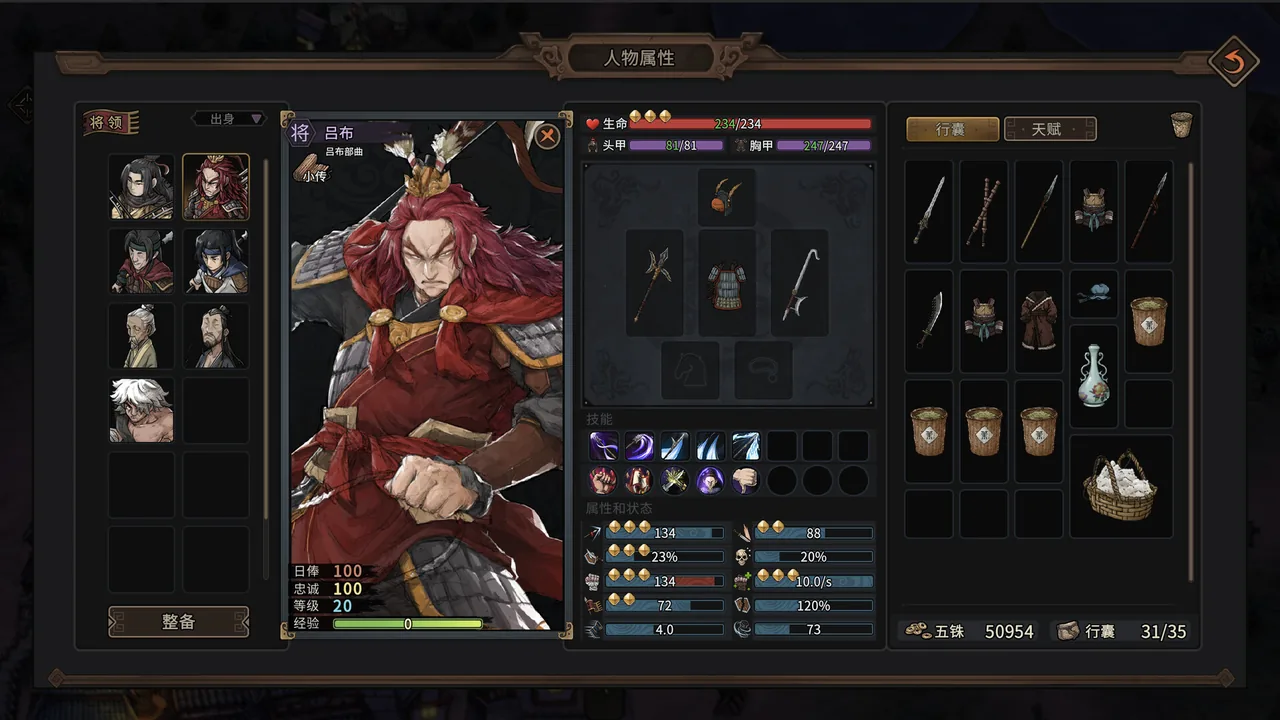
- A deep, Battle Brothers-inspired recruitment and character-building system, with over a hundred historical Three Kingdoms officers to find, equip, and level, each with distinct traits and unique combat moves
- A free-form, sandbox-style open world that lets players choose historical lords or custom upstarts, with reviewers praising the flexibility to lone-wolf or build a growing mercenary band
- A well-realized Three Kingdoms setting with genuine narrative texture in places, including cutscenes and character arcs several reviewers singled out as unexpectedly compelling
Biggest weaknesses
- Widely corroborated complaints about repetitive quest design, with multiple independent reviewers describing fetch quests, bandit camps, and dungeon dialogue that repeat near-identically throughout the game
- A real-time auto-battler combat system that many reviewers who came in expecting Battle Brothers-style tactics found underwhelming or clunky, with limited direct unit control once armies grow large
- Rough, occasionally incomplete English translation, with several reviewers independently reporting untranslated buttons, dialogue, and unclear quest guidance
Who it's for: Fans of Battle Brothers, Mount & Blade, and Three Kingdoms-era historical fiction looking for a deep mercenary-band management sandbox, who can tolerate a repetitive quest structure and a shallower real-time combat system
Our recommendation: mixed
6 / 10
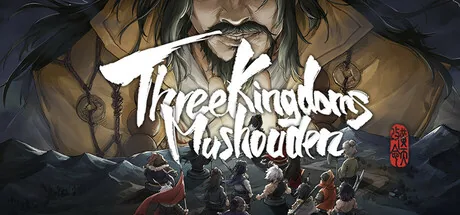
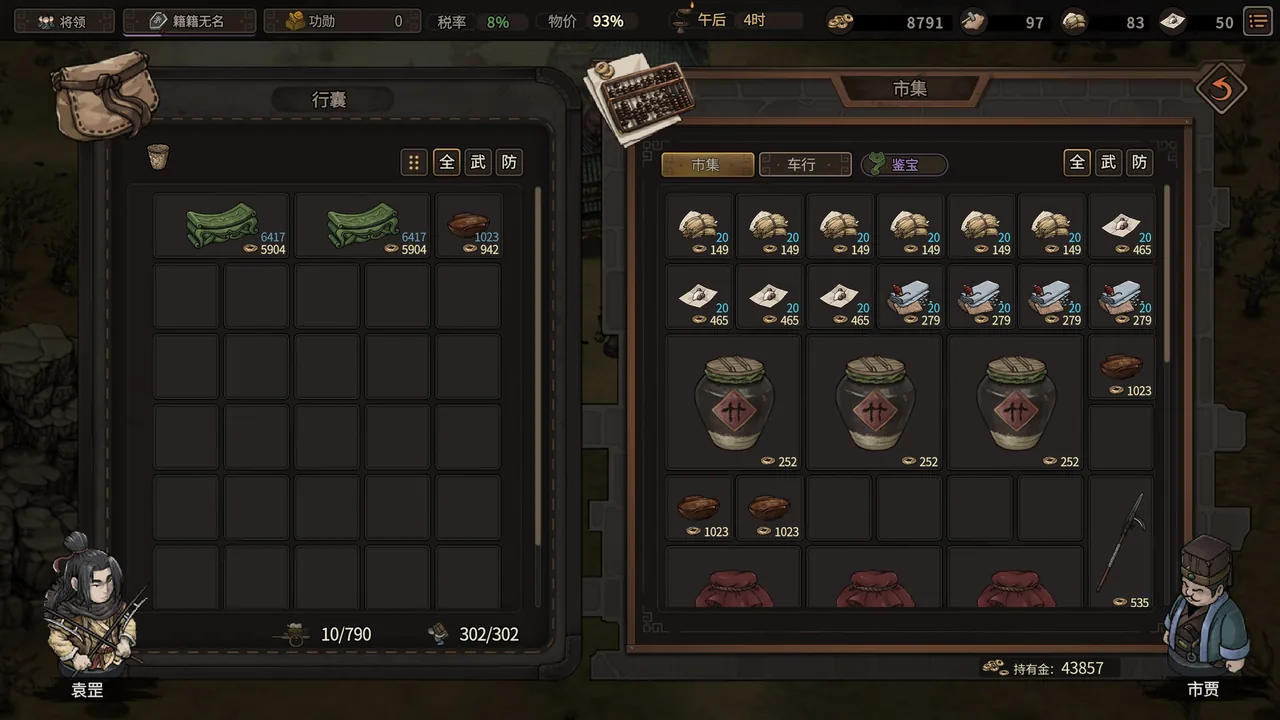
Three Kingdoms Mushouden released on Steam on June 16, 2025, a $24.99 mercenary-band sandbox RPG from developer NanBei Studio, set on the eve of the Yellow Turban Rebellion in the final years of the Han dynasty. Players begin as a custom upstart or a historical lord and build a growing band of mercenaries and officers by taking contracts, exploring ruins, and fighting through real-time battles, in a structure reviewers overwhelmingly describe as borrowing heavily from Battle Brothers and Mount & Blade. Its 134-review English pool sits at a Very Positive 85%, describing a game with genuinely deep systems undercut by real, frequently repeated rough edges.
The recruitment and character-building loop is the pool's clearest strength. One reviewer with 677 hours logged called it "a fun strategy RPG" offering "a different take on the mythology of the romance of the three kingdoms," while another, with 220 hours played, described it as "almost a clone" of Battle Brothers "when it comes to loot and leveling," adding that unlike that game, "your army will be led by heroes with significantly improved stats and traits" and certain characters can learn powerful weapon-specific "ultimate" skills. A reviewer with 341 hours praised the way individual generals follow their own hypothetical paths rather than strict history, calling it "a concept I find quite unique and compelling," and specifically highlighted narrative moments like "the desperate defense of Macheng in the north" as unexpectedly effective storytelling for a game built around open-ended sandbox play.
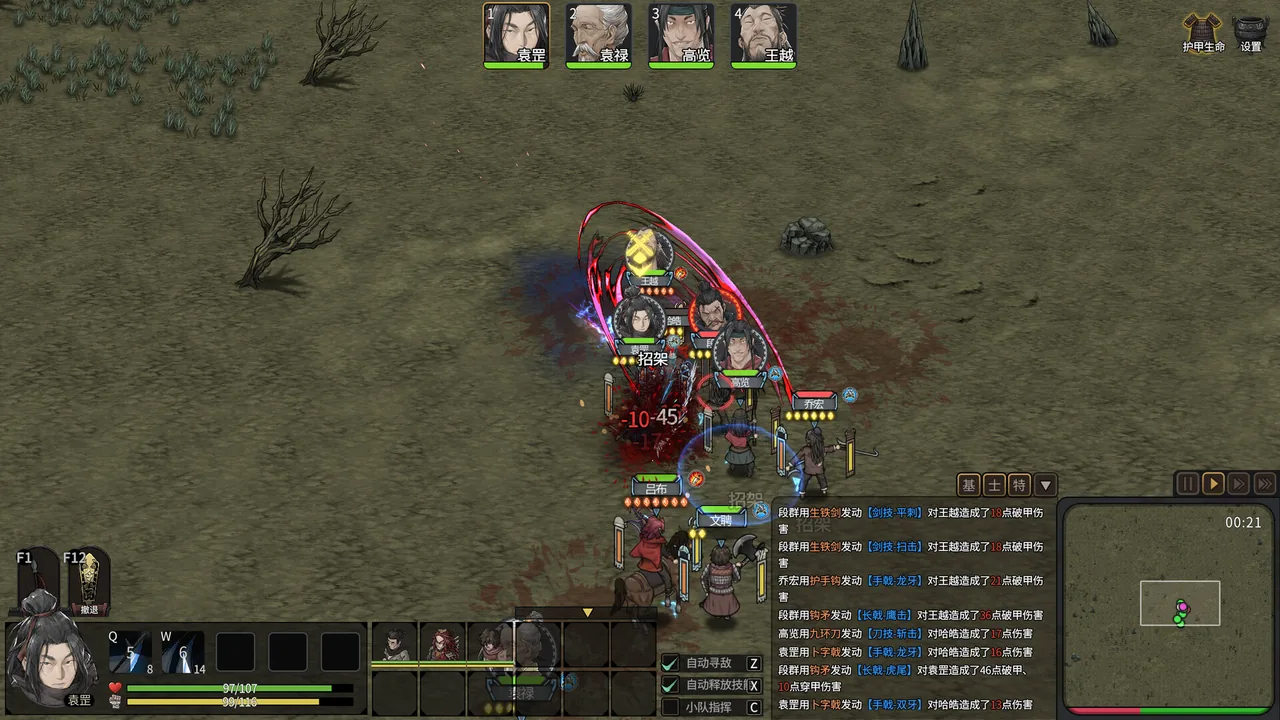
That said, the pool's most consistent and well-corroborated criticism targets the game's real-time combat system, which multiple reviewers found disappointing relative to its Battle Brothers inspiration. One reviewer wrote that combat "lack[s] detailed tactical elements and feels more RTS-like, at times almost like an auto-battler," while another independently reached the identical conclusion, noting that "battles are almost automatic" and players "can only order your commander independently his unit... or all your player forces at once," with no way to control smaller subgroups individually. A third reviewer summarized it as "not deep, but there are strategies to help you take the edge against your foe," framing preparation and battlefield choice as more decisive than in-battle tactics — a fair assessment echoed across several other reviews.
Repetitive content is the pool's second major, independently corroborated complaint. One reviewer wrote that dungeon and ruin exploration involves "literally the same dialogues over and over again," while a separate, harsher review put it more bluntly: "all I've done is grinded very repetitive, boring, and identical fetch quests with an occasional generic battle." A third reviewer with 253 hours invested reached a similar conclusion after finishing one of three character storylines, writing that "the difference is just the main story quest of different characters, everything else is not much change." That three separate, substantially-invested reviewers converged on the same repetition complaint independently makes it a fair, sourced weakness rather than an isolated frustration.
Translation and technical polish draw a further cluster of corroborated complaints. Multiple reviewers independently reported missing or unclear English translation — one wrote plainly that "the language translation is so poorly done that you will be unsure of what you are supposed to do," while another, more measured reviewer noted "some harsh translation here and there" without it derailing their overall enjoyment. Performance issues also surfaced repeatedly: one reviewer with a high-end PC (RTX 3080, Ryzen 9 5950X, 64GB RAM) reported significant UI lag once managing large squads, writing "this 2d game cannot perform at smooth 60 FPS? C'mon guys," while a separate reviewer independently reported a save-breaking bug where a completed high-scoring campaign mission failed to register as cleared. One particularly detailed, high-playtime review (162 hours) opened with "DO NOT BUY YET," praising the game's stability and art direction while arguing the core systems still needed real work before the game matched its price.
It's worth being direct about scope, too: for a game carrying the Three Kingdoms name, at least one reviewer with over 150 hours invested pointed out that the accessible map "actually only has accessible area that is around 1/5 or less the total land mass of ancient China," with the current release focused on the northern Yellow River region rather than the full historical setting the marketing implies. That's a fair expectation-setting note for buyers drawn in primarily by the historical scope rather than the mercenary-management loop itself, though it also leaves clear room for the kind of regional expansion several long-time players said they were hoping for.
Worth noting for anyone weighing the purchase: the developer comes across in the review pool as unusually responsive. One reviewer described reporting a progression-blocking bug directly to the team and having it addressed within a day, and several others referenced ongoing patches adjusting difficulty scaling and adding new recruitable officers since launch. That doesn't erase the rough edges documented above, but it does suggest a studio still actively working the game rather than one that shipped and walked away — relevant context given how many of the pool's complaints (translation gaps, scaling swings, UI lag with large rosters) are the kind of thing patches can realistically improve over time, even if they weren't fully solved at the June 2025 launch.
Taken as a whole, Three Kingdoms Mushouden is a game with real ambition and a genuinely deep recruitment and character-building system that has won over a dedicated base of players willing to invest hundreds of hours into it, several of whom explicitly compare it favorably to genre touchstones like Battle Brothers and Mount & Blade. But the corroborated complaints here are substantial and consistent: combat that undersells its tactical potential, quest content that wears thin quickly, and rough translation and performance issues that a $24.99 full release shouldn't still be carrying. This is a fair, if qualified, recommendation for genre fans with patience for its rough edges, best picked up on sale for anyone less invested in the Three Kingdoms setting itself.
Pros and cons
Pros
- A deep, Battle Brothers-inspired recruitment and character-building system, with over a hundred historical Three Kingdoms officers to find, equip, and level, each with distinct traits and unique combat moves
- A free-form, sandbox-style open world that lets players choose historical lords or custom upstarts, with reviewers praising the flexibility to lone-wolf or build a growing mercenary band
- A well-realized Three Kingdoms setting with genuine narrative texture in places, including cutscenes and character arcs several reviewers singled out as unexpectedly compelling
- Responsive, active developer support, with at least one reviewer describing a bug report resolved within a day of contacting the team
Cons
- Widely corroborated complaints about repetitive quest design, with multiple independent reviewers describing fetch quests, bandit camps, and dungeon dialogue that repeat near-identically throughout the game
- A real-time auto-battler combat system that many reviewers who came in expecting Battle Brothers-style tactics found underwhelming or clunky, with limited direct unit control once armies grow large
- Rough, occasionally incomplete English translation, with several reviewers independently reporting untranslated buttons, dialogue, and unclear quest guidance
- Reported performance problems in the mid-to-late game, including UI lag when managing large squads, alongside scope gaps relative to the game's Three Kingdoms billing, with the accessible map covering only a fraction of ancient China at launch
Screenshots
-
Three Kingdoms MushoudenImage: Paleo via Steam -
Three Kingdoms MushoudenImage: Paleo via Steam -
Three Kingdoms MushoudenImage: Paleo via Steam