Game review
THE WELL IS NOT EMPTY
6.5 / 10
- Developer
- tweakEra
- Publisher
- tweakEra
- Released
- 7 September 2026
- Platforms
- Windows
- Genre
- Action, Adventure
- Monetisation
- One-time purchase, no in-game purchases listed
- Players
- Single-player
The short version
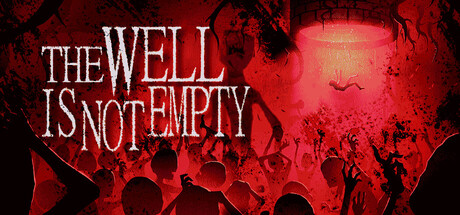
THE WELL IS NOT EMPTY, released 7 September 2026 by tweakEra, is a first-person horror game built around abandoned tunnels beneath a dried-up well: dig through broken earth, power dying machinery, and uncover the remnants of a ritual never meant to be seen, all while evading distinctive monsters that pursue in real time. It sits Positive with a small sample of 31 reviews, and reading through it reveals genuine, specific enthusiasm for atmosphere and creature design that several reviewers rank among the best horror experiences they've played, tempered by practical complaints about length, story cohesion, and at least one reported bug. Reviewers consistently praise sound design and PS1-inspired visuals for building a genuinely cramped, tense atmosphere without leaning on cheap jumpscares, and multiple reviewers specifically single out individual monster designs, including a memorable "piano man" enemy, as standout, distinctive creations. Set against that praise, this review found consistent complaints that the game runs short, typically between ninety minutes and two and a half hours, for a price several reviewers describe as steep relative to that runtime, alongside multiple reports that the story loses narrative focus and rushes its conclusion after a genuinely strong opening. This review also found at least two independent reports of enemies spotting and attacking players through walls, a specific and reproducible bug rather than a vague difficulty complaint.
Biggest strengths
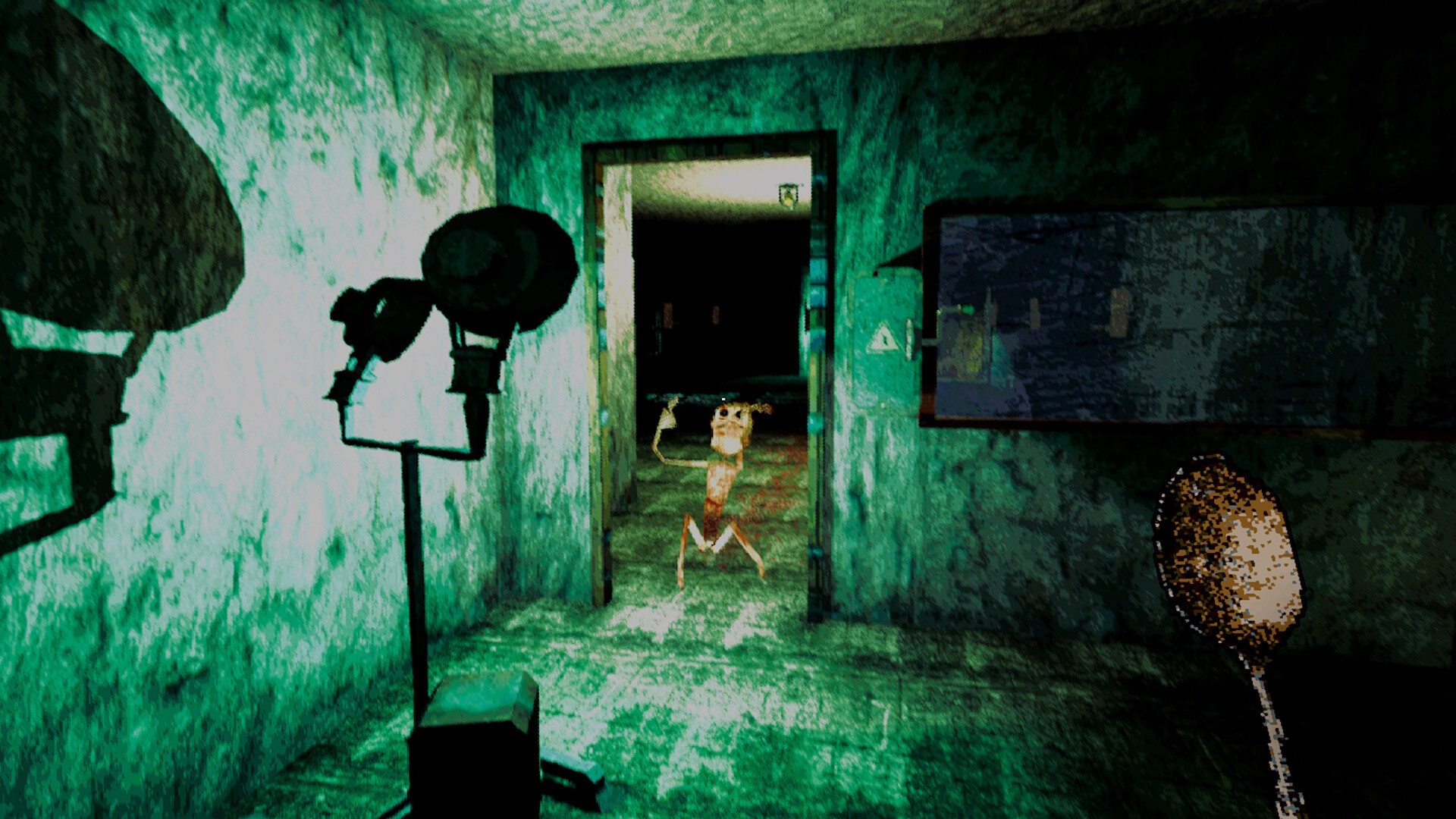
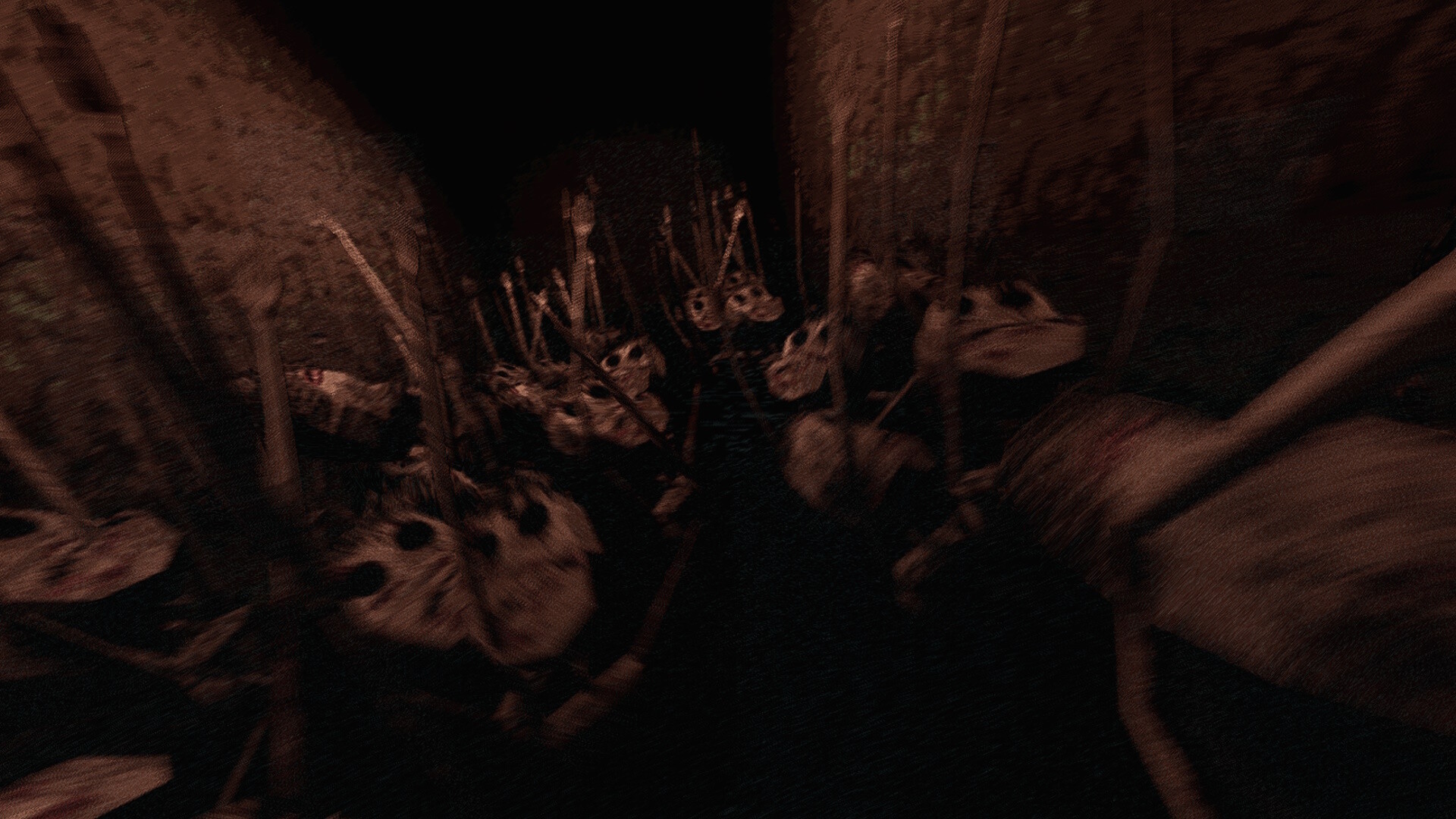
- Atmosphere and sound design draw overwhelming, specific praise, with reviewers repeatedly describing genuinely tense, cramped environments built through audio cues and lighting rather than reliance on cheap jumpscares
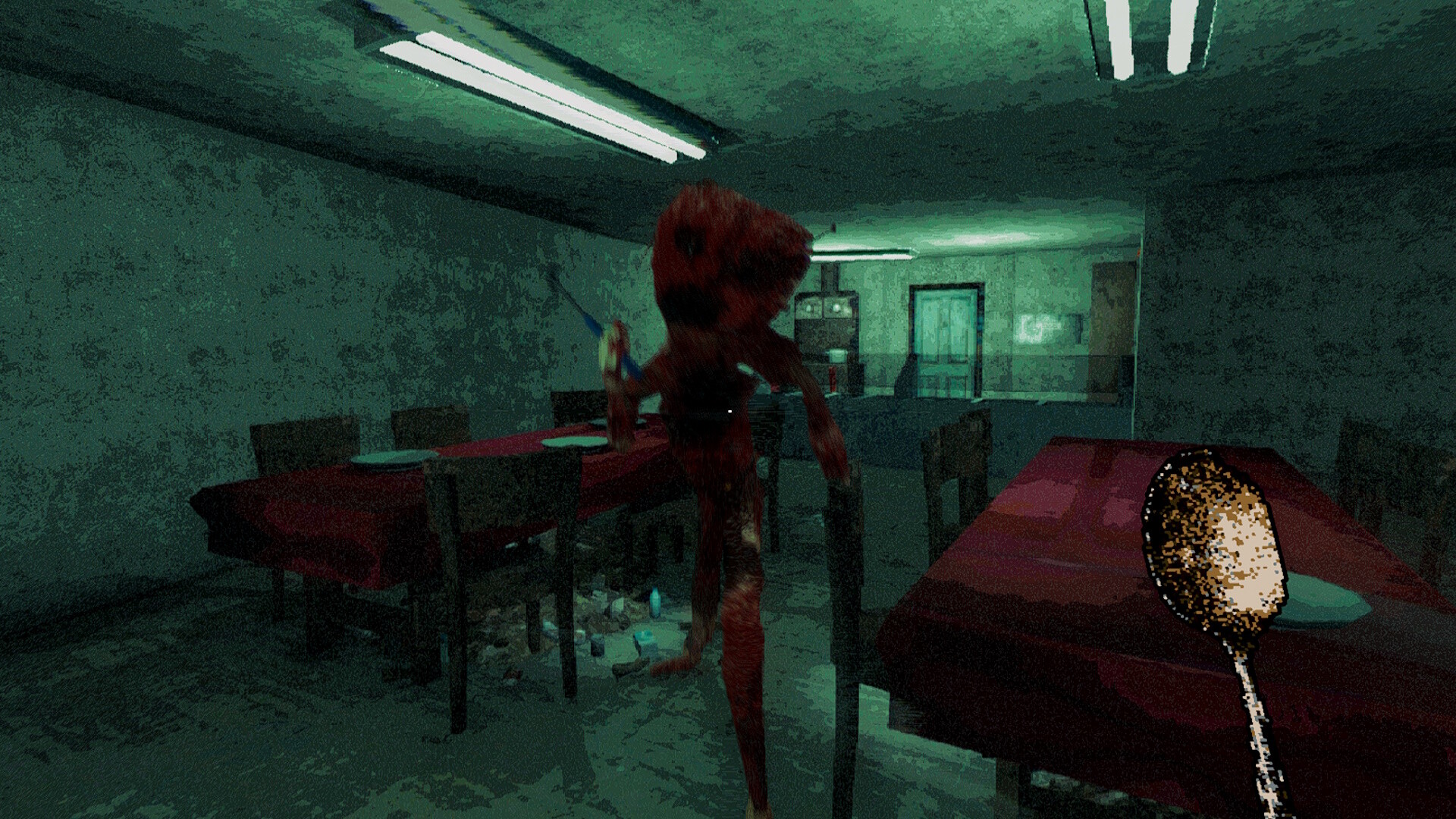
- Monster design draws consistent, enthusiastic praise, with reviewers specifically naming individual creatures, including a distinctive "piano man" enemy, as memorable, unique highlights that feel genuinely different from one another rather than reskinned variations
- The PS1-inspired pixel art style draws repeated, specific appreciation, with multiple reviewers describing the visual approach as a perfect match for the game's tone and a standout piece of art direction within the broader retro-horror trend
Biggest weaknesses
- Multiple reviewers report the game's runtime is short, typically between ninety minutes and two and a half hours, with several specifically describing the asking price as steep relative to that length even while ultimately recommending the game on the strength of its quality
- Multiple reviewers report the story loses narrative focus and feels rushed toward its conclusion, describing a strong, genuinely mysterious opening that doesn't fully pay off, with at least one detailed reviewer specifically criticising the ending as unsatisfying
- This review found at least two independent reports of enemies spotting and killing players through walls, a specific and reproducible bug distinct from ordinary difficulty complaints
Who it's for: Fans of short, atmosphere-driven horror games with distinctive PS1-style visuals, who value creature design and sound over jumpscares and can accept a runtime of roughly two hours for the asking price.
Our recommendation: Worth it for horror fans specifically drawn to atmosphere and creature design; be aware of the short runtime relative to price, and expect the story to lose some of its early momentum by the end.
6.5 / 10
Introduction
THE WELL IS NOT EMPTY, released 7 September 2026 by tweakEra, is a first-person horror game built around abandoned tunnels beneath a dried-up well: dig through broken earth, power dying machinery, and uncover the remnants of a ritual never meant to be seen, all while evading distinctive monsters that pursue in real time. It sits Positive with a small sample of 31 reviews, and reading through it reveals genuine, specific enthusiasm for atmosphere and creature design substantial enough that several reviewers rank it among the best horror experiences they've played, tempered by practical, consistent complaints about length and narrative cohesion.
Atmosphere built on sound and restraint
The clearest, most consistent praise across this sample concerns atmosphere. Reviewers repeatedly describe the game as genuinely tense and cramped, built primarily through sound design and lighting rather than reliance on cheap jumpscares, with multiple reviewers specifically praising ambient audio cues that keep players on edge even during quieter exploration segments. One reviewer describes the demo alone hooking them the moment its audio started, and separately anticipates a future soundtrack release with real enthusiasm. This isn't vague "spooky vibes" praise — reviewers repeatedly point to specific choices, including the pacing of chase sequences and how effectively lower brightness settings enhance the sense of immersion, as evidence of deliberate, considered horror design.
Distinctive, memorable monster design
Beyond atmosphere, this review found consistent, enthusiastic praise for the game's creature design specifically. Reviewers repeatedly single out individual monsters as memorable and genuinely distinct from one another rather than simple reskinned variations on a single enemy type, with a particular "piano man" enemy drawing specific, affectionate mention across multiple reviews. The PS1-inspired pixel art style draws its own repeated praise as a strong match for the game's tone, with reviewers describing the visual approach as a standout example of the broader retro-horror aesthetic trend rather than a derivative genre exercise.
A short runtime at a price some find steep
Set against that praise, this review found a consistent, practical complaint about length. Multiple reviewers report completing the game in somewhere between ninety minutes and two and a half hours, and several specifically describe the asking price as steep relative to that runtime, even while ultimately recommending the game on the strength of its quality. This isn't a universal complaint — other reviewers specifically praise the game for not overstaying its welcome, arguing a longer runtime risks becoming repetitive — but it's a real, recurring tension in this sample between reviewers who wanted more and reviewers who felt the current length was exactly right.
A story that loses its footing
A separate, more substantive complaint concerns narrative structure. Multiple reviewers describe a genuinely strong, mysterious opening that establishes real curiosity and investment, only for the story to lose focus and rush its conclusion in the back half. At least one detailed reviewer specifically criticises the ending as unsatisfying, and a separate reviewer states directly that the store page's own description only accurately reflects the game's first thirty minutes, arguing the remainder doesn't match the tone or quality that opening segment establishes. This review reads that pattern as a genuine structural weakness distinct from the otherwise consistent technical and atmospheric praise.
A specific, reproducible enemy-detection bug
This review found at least two independent reports of a specific, reproducible technical issue: enemies spotting and killing players through walls, rather than requiring genuine line of sight. One reviewer frames this directly as a balance concern requiring the enemies to be toned down, while a separate reviewer describes being grabbed from underneath tables and, on one occasion, seemingly through a wall entirely. Given that this game's tension is built substantially around evading these specific enemies, a detection system that doesn't respect basic geometry undermines the fairness of its most central mechanic.
Smaller rough edges
Beyond the more significant complaints above, this review found a couple of smaller, specific issues worth noting directly. At least one reviewer reports the game's safe-room audio track begins abruptly without any fade-in upon entering the room, a small but noticeable polish gap. A separate reviewer notes the light mechanic, which had featured more prominently in the earlier public demo, appears less extensively used in the full release than that demo had led them to expect.
Weighing a short runtime against genuine quality
It's worth engaging directly with the tension this sample repeatedly raises between length and price, since reviewers land on genuinely different sides of it rather than converging on a single verdict. Several reviewers explicitly frame the roughly two-hour runtime as appropriate specifically because the game never overstays its welcome or pads itself with filler content to reach a longer number, arguing that a horror experience built this tightly around atmosphere and tension benefits from ending before that tension has a chance to dissipate through repetition. Other reviewers weigh the same runtime against the asking price and land on real hesitation, even while still recommending the game overall. This review reads both positions as legitimate rather than contradictory: the quality of what's actually present is rarely in dispute across this sample, and the disagreement is really about how much a prospective buyer should weight runtime specifically against a currently higher-than-average price for the genre, a judgment call this review leaves to individual readers' own priorities rather than resolving definitively one way.
Final Verdict
THE WELL IS NOT EMPTY delivers genuinely effective horror atmosphere through sound design and restraint rather than jumpscares, backed by distinctive, memorable monster design and a striking PS1-inspired visual style that reviewers consistently single out as standout achievements. What holds this score back is a short runtime several reviewers find steep relative to the asking price, a story that loses narrative focus after a genuinely strong opening, and at least one specific, reproducible bug allowing enemies to detect and attack players through walls. Worth it for horror fans specifically drawn to atmosphere and creature design over story or length; go in with realistic expectations for a roughly two-hour experience rather than a sprawling campaign.
Pros and cons
Pros
- Atmosphere and sound design draw overwhelming, specific praise, with reviewers repeatedly describing genuinely tense, cramped environments built through audio cues and lighting rather than reliance on cheap jumpscares
- Monster design draws consistent, enthusiastic praise, with reviewers specifically naming individual creatures, including a distinctive "piano man" enemy, as memorable, unique highlights that feel genuinely different from one another rather than reskinned variations
- The PS1-inspired pixel art style draws repeated, specific appreciation, with multiple reviewers describing the visual approach as a perfect match for the game's tone and a standout piece of art direction within the broader retro-horror trend
- Chase sequences draw consistent praise for tension and pacing, with reviewers specifically highlighting the digging mechanic as a well-integrated tool for both exploration and escape during pursuit
Cons
- Multiple reviewers report the game's runtime is short, typically between ninety minutes and two and a half hours, with several specifically describing the asking price as steep relative to that length even while ultimately recommending the game on the strength of its quality
- Multiple reviewers report the story loses narrative focus and feels rushed toward its conclusion, describing a strong, genuinely mysterious opening that doesn't fully pay off, with at least one detailed reviewer specifically criticising the ending as unsatisfying
- This review found at least two independent reports of enemies spotting and killing players through walls, a specific and reproducible bug distinct from ordinary difficulty complaints
- At least one detailed reviewer reports the store page's description accurately reflects only the game's first thirty minutes, arguing the remainder of the experience doesn't match the tone or quality that opening segment sets up
- Smaller complaints recur across this sample, including a safe-room audio track that begins abruptly without a fade-in, and at least one reviewer noting the game's light mechanic is used less extensively in the full release than the earlier public demo had suggested
Screenshots
-
THE WELL IS NOT EMPTYImage: tweakEra via Steam -
THE WELL IS NOT EMPTYImage: tweakEra via Steam -
THE WELL IS NOT EMPTYImage: tweakEra via Steam -
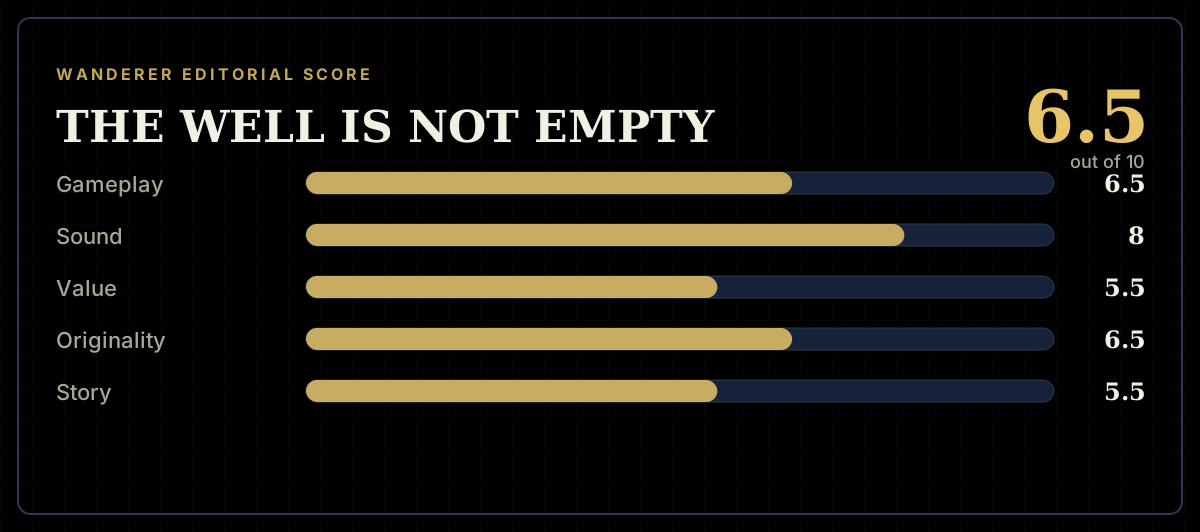
How the review scores each part of the gameWanderer Editorial -
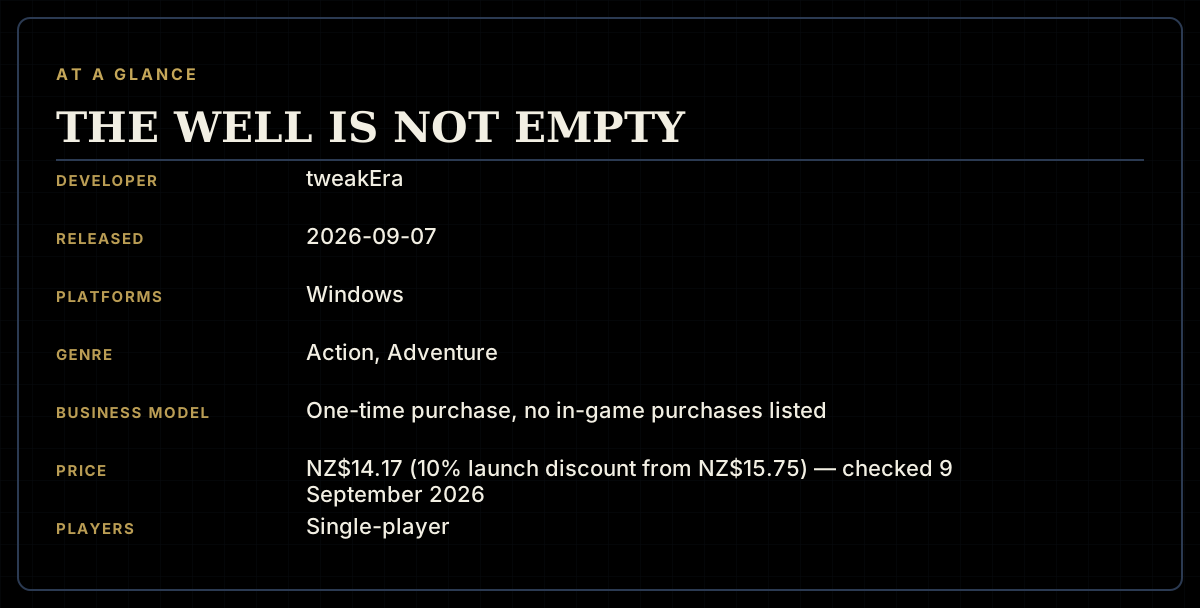
The essentials at a glanceWanderer Editorial -
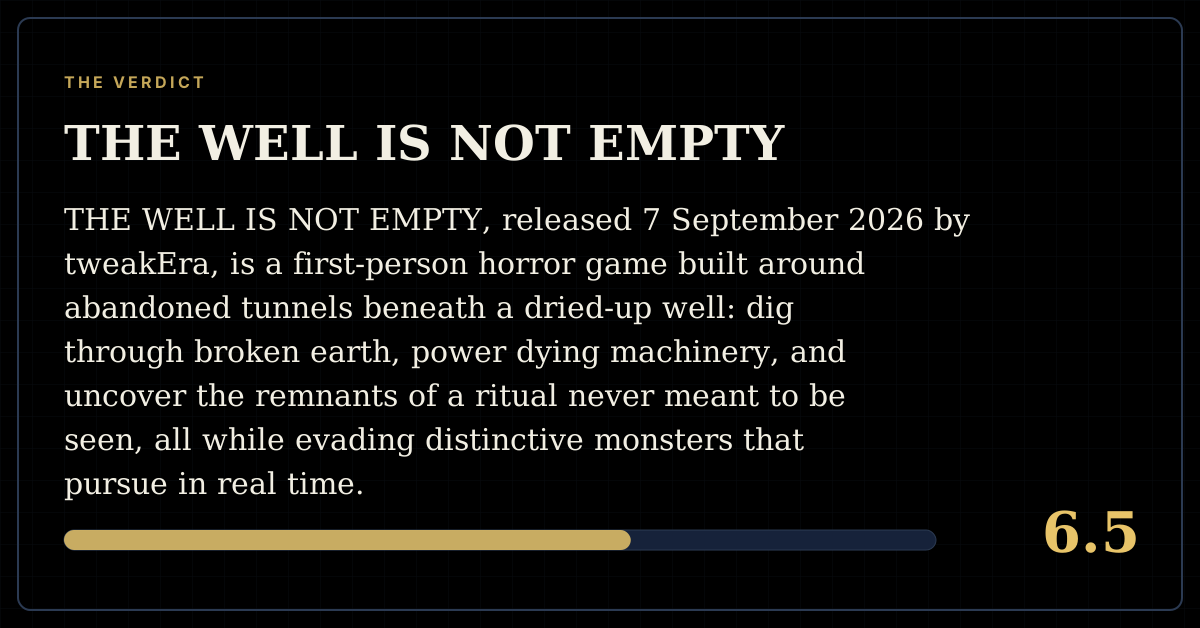
The short versionWanderer Editorial