Game review
The Sims 4
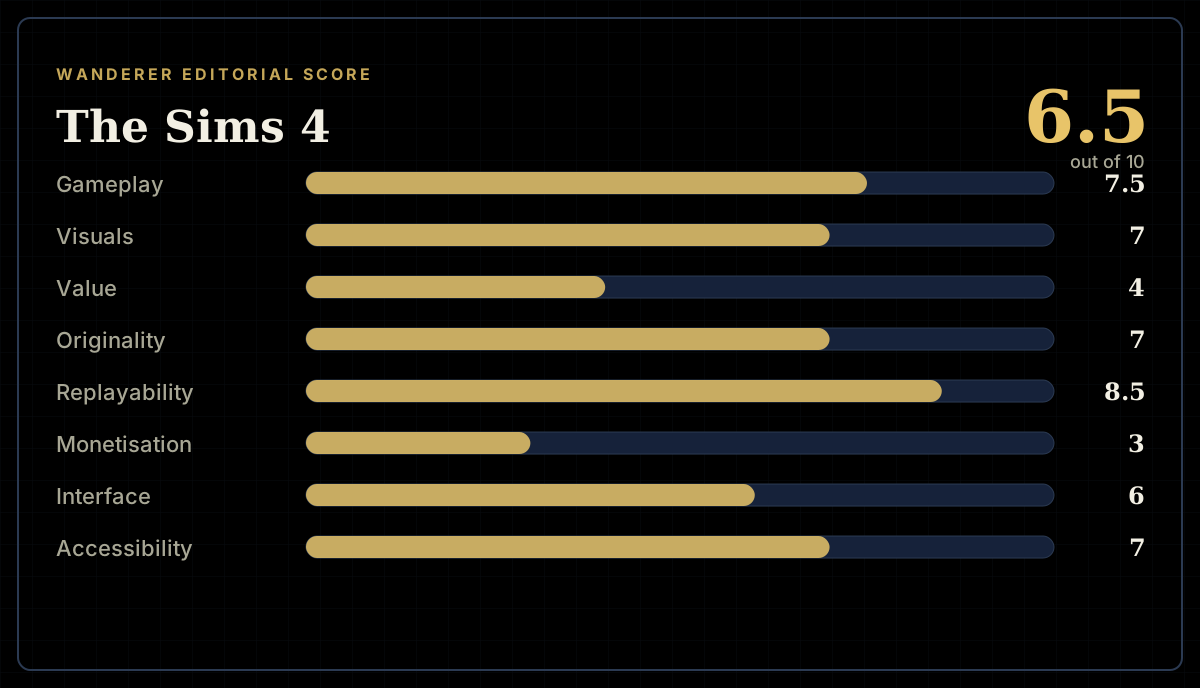
6.5 / 10
- Developer
- Maxis
- Publisher
- Electronic Arts
- Released
- 2 September 2014
- Platforms
- Windows
- Genre
- Life Simulation
- Monetisation
- Free base game plus 113 paid add-ons. Pricing 111 of them on 4 August 2026 gives a catalogue total of **NZ$1,579.15** — 79 kits under NZ$15, 24 packs between NZ$15 and NZ$29, and 8 larger packs from NZ$30 to NZ$55.96. Requires the EA app alongside Steam.
- Players
- Single-player only
The short version
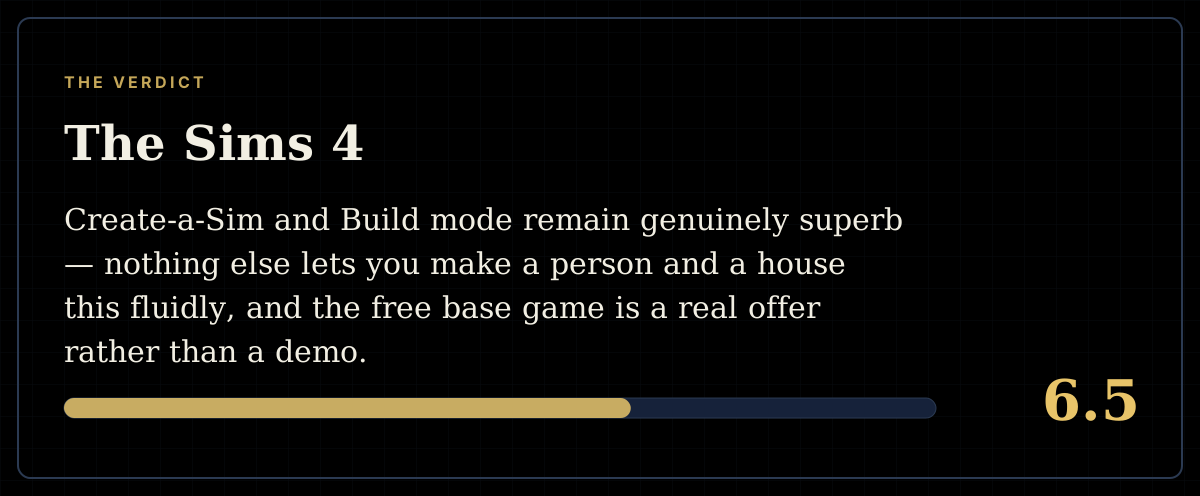
Create-a-Sim and Build mode remain genuinely superb — nothing else lets you make a person and a house this fluidly, and the free base game is a real offer rather than a demo. What surrounds them is the most aggressive content-splitting operation in mainstream gaming: 113 separate purchases, the great majority of them small kits, adding up to more than fifteen hundred dollars. The individual packs are mostly decent. The structure they sit inside is not, and after a decade the base experience is still shaped by what's been carved out of it.
Biggest strengths
- Create-a-Sim and Build mode are still the best tools of their kind, fluid enough to be a pastime in themselves
- The base game is genuinely free, and a substantial mod scene extends it further at no cost
- Enormous longevity — the median recent reviewer has 42 hours, and reviews from players past 900 are common
Biggest weaknesses
- The full catalogue costs about NZ$1,580 across 113 separate purchases, and that total has roughly doubled since players were already calling it excessive in 2020
- 79 of the 113 add-ons are small kits, the format most players consider the poorest value
- The base experience is widely described as hollow, with features people expect as standard sold back as packs
Who it's for: Players who want the best character creator and house builder in games and are happy to buy two or three packs they actually care about. Not for completionists, not for anyone who wants a full-featured life sim without a shopping list, and not for players allergic to a second launcher.
Our recommendation: Install it — it's free, and the base game plus mods will tell you within an evening whether this is for you. If you do buy, buy narrowly and on sale: pick the two or three packs covering the thing you actually want to play with and ignore the kits, which are the worst value in the catalogue by a distance. Do not attempt to buy everything; that way lies four figures.
6.5 / 10
I priced every add-on The Sims 4 sells. There are 113 of them; 111 currently carry a price, and those come to NZ$1,579.15.
That's the review, really, but it's worth putting next to something. The single most-upvoted negative review this game has — nearly four thousand people found it helpful — was written in 2020 and complains that the whole thing costs "$500+". Six years later the catalogue has roughly doubled. The complaint didn't age badly. It aged optimistically.
The good game underneath
None of which means the game is bad, and it's important to be clear about that before the arithmetic takes over.
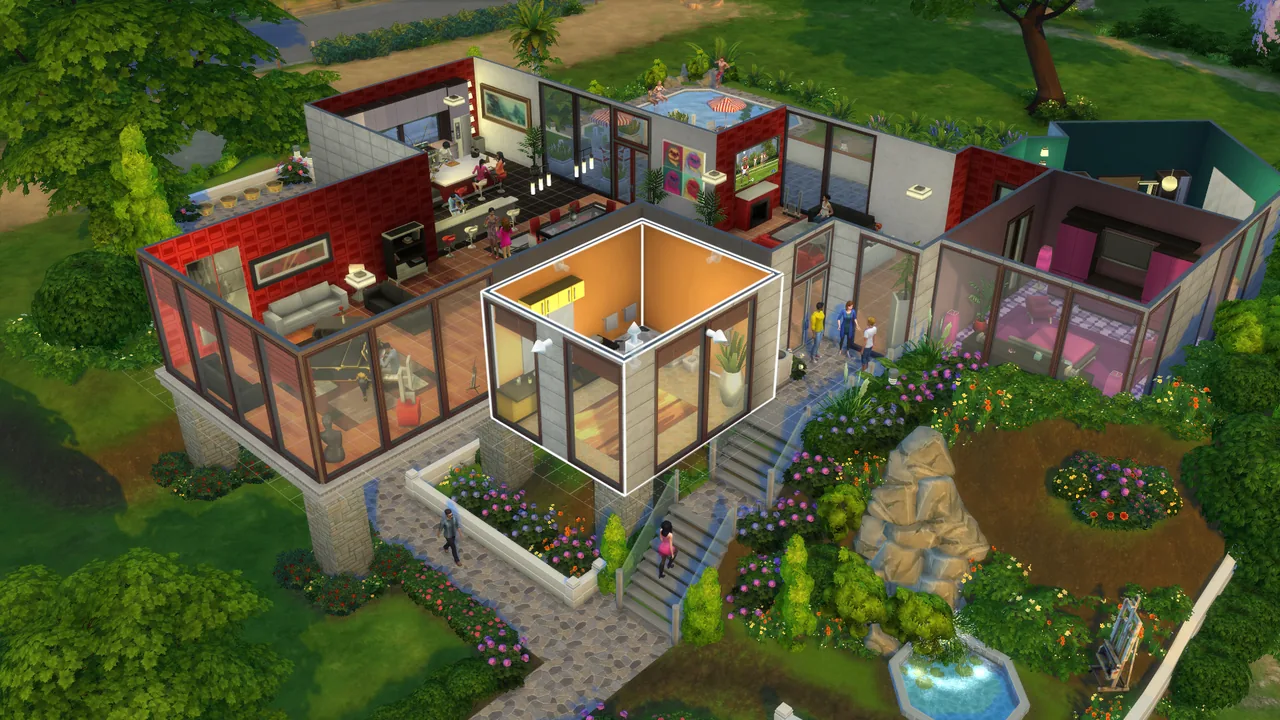
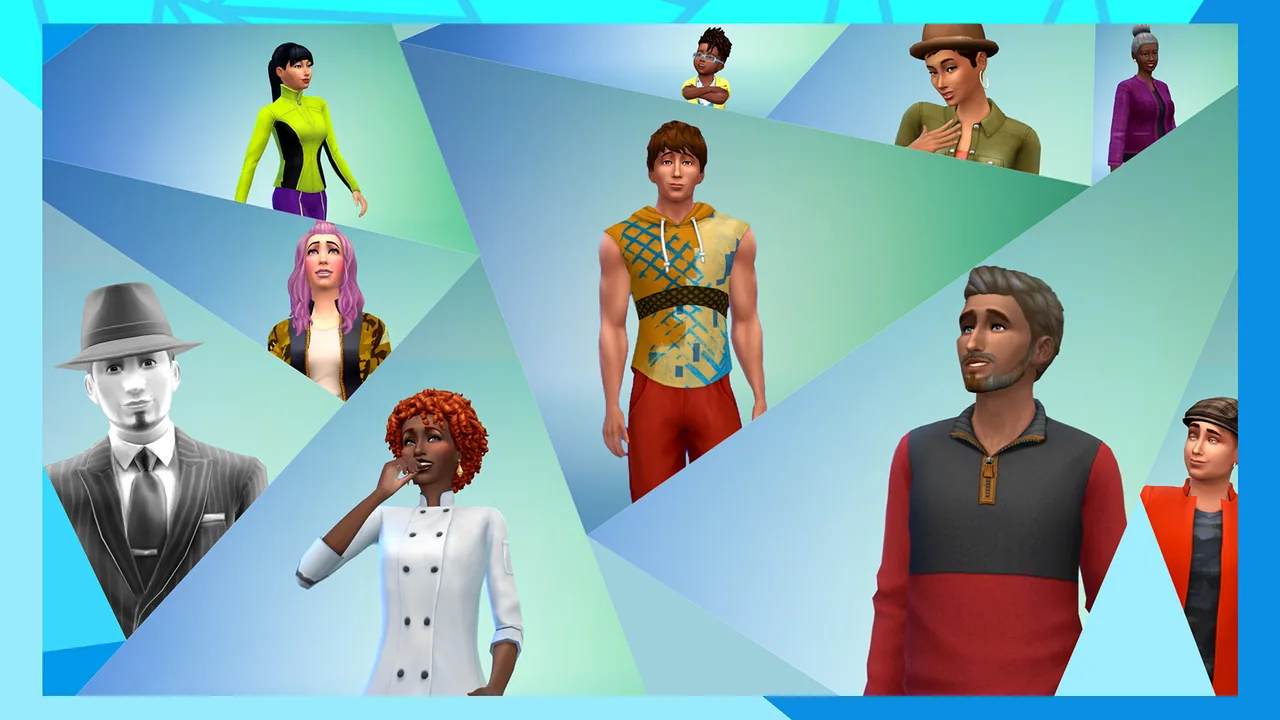
Create-a-Sim is still the best character creator in mainstream games — direct manipulation, pull a face into the shape you want, an enormous range of body types and presentation options, and it's fast enough to be an activity rather than a chore. Build mode is equally good: rooms that resize by dragging, roofs that behave, and a library of community-made houses to drop onto a lot.
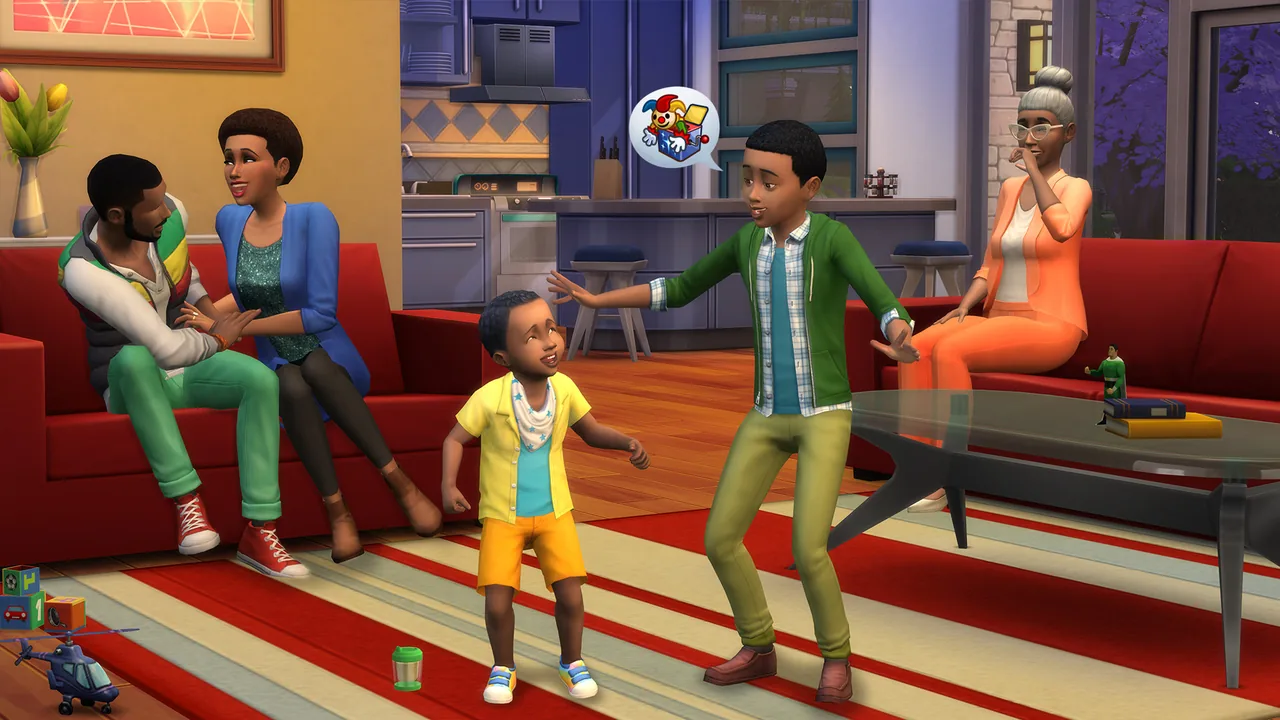
Plenty of people never play the actual life sim at all. They make a person, build a house, and start again. As a creative toy it's excellent, and the base game — genuinely free since 2022, not a demo — gives you all of that at no cost. Add mods and it goes further still.
The simulation part holds up too, if less spectacularly. Sims have traits and aspirations, families persist across generations, and the emergent domestic comedy that made the series famous still happens. The median recent reviewer has 42 hours in it and reviews from people past nine hundred are routine.
The arithmetic
Here's how the NZ$1,579.15 breaks down, and the shape matters more than the total.
Of the 113 add-ons, 79 cost under NZ$15. Those are kits — small bundles of furniture or clothing, often a couple of dozen items. Twenty-four sit between NZ$15 and NZ$29. Only eight are in the NZ$30–56 range, and the dearest single item in the entire catalogue is NZ$55.96.
So this isn't a game with a few expensive expansions. It's a game with an enormous long tail of cheap-looking purchases, and the kit format is precisely the thing the playerbase objects to most — small enough to feel trivial, numerous enough to add up to more than the eight big packs combined. That's the mechanism. Nobody decides to spend fifteen hundred dollars; they decide fifty times to spend twelve.
The complaint that recurs alongside it, and which I think is the more substantive one, is that the base game feels shaped by its own absences. Reviewers describe the vanilla experience as barebones and stale, with things they'd expect as standard — weather, seasons, particular careers, whole life stages — arriving as purchases. Whether that's content removed or content simply never made is unknowable from outside, but the felt experience is of a game with holes in it that happen to be shop-shaped.
Which tier is actually worth buying
Since almost nobody buys everything, the useful question is which of the four tiers earns its money. Having priced the whole catalogue, the ranking is fairly clear.
The eight big packs at NZ$30–56 are the only ones that change how the game plays. These are the ones that add a life stage, a career system, a season cycle, a new world with its own rules — the sort of thing that alters your next fifty hours rather than your next fifty minutes. If you buy anything, buy from here, and buy the one that matches the story you want to tell. On a decent discount these are defensible purchases.
The mid tier at NZ$15–29 is where judgement is required. Some deliver a genuinely new activity; others are a themed furniture set with a single mechanic attached. There's no reliable way to tell from the store page which is which, so this is the tier where reading what a pack actually contains before buying matters most.
The 79 kits under NZ$15 are, by broad consensus and my own read of the pricing, the worst value in the catalogue. A kit is typically a small collection of clothing or furniture in a single style. None of them changes anything. Bought individually they feel harmless; collectively they're the single largest contributor to that NZ$1,579 total, because there are seventy-nine of them. If you take one piece of purchasing advice from this review, it's to treat kits as a category you don't buy rather than as individual decisions you keep making.
And before any of it, try the mods. A great deal of what the kits sell — clothing, hair, furniture, interface improvements, even meaningful gameplay tweaks — exists free and often better in the community scene. Players who mod heavily routinely report needing two or three official packs total. That's the version of this game I'd actually recommend: free base, a strong mod list, and a small, deliberate handful of the big packs bought on sale.
The launcher, and other indignities
Buying on Steam does not free you from EA's app, which still has to run alongside it. Reviewers from the 2020 Steam launch documented the migration mess in detail: DLC bought on EA's store carries over but doesn't unlock through Steam, and the base game had to be reacquired. Some of that is historical now that the base game is free, but the second launcher is not.
There are also bugs with real seniority. Sims abandoning their queued actions to stand idle is the example reviewers reach for, and it has outlasted several expansions.
None of this is fatal. All of it contributes to a sense, expressed repeatedly and with feeling, that the game is tolerated rather than loved — that people play it because there isn't an alternative, not because it's being looked after. One reviewer put it plainly: they've loved the series for decades, not because it's a great game but because it's the only one.
What it's worth
6.5 out of 10. Rated 6.5 out of 10.
If I were scoring the creative tools alone this would be an 8.5. If I were scoring the content model it would be a 3. Six and a half is where a free, genuinely capable, endlessly replayable sandbox lands once you account for the fact that its full form costs more than a console and that its default form is deliberately incomplete.
The practical advice is simple and it's the same advice its own community gives: play the free base game, add mods, and if something specific is missing — you want the seasons, or the pets, or the university — buy that one pack on sale and stop. The packs are mostly fine. The catalogue is the problem, and you don't have to buy the catalogue.
And keep an eye on the competition. A meaningful chunk of this game's negative reviews are people saying, in so many words, that they're waiting for somebody else to build this. That's a precarious position for a decade-old market leader to be in, and it's the one thing likely to change the pricing.
Pros and cons
Pros
- Create-a-Sim and Build mode are still the best tools of their kind, fluid enough to be a pastime in themselves
- The base game is genuinely free, and a substantial mod scene extends it further at no cost
- Enormous longevity — the median recent reviewer has 42 hours, and reviews from players past 900 are common
- Strong accessibility footing: mouse-only play, no timed input requirements, and save-anytime
- Individual packs, judged alone, are usually competent and occasionally excellent
- Still the only mature product in its genre, with the competition yet to land
Cons
- The full catalogue costs about NZ$1,580 across 113 separate purchases, and that total has roughly doubled since players were already calling it excessive in 2020
- 79 of the 113 add-ons are small kits, the format most players consider the poorest value
- The base experience is widely described as hollow, with features people expect as standard sold back as packs
- Requires the EA app on top of Steam, and DLC bought on EA's own store does not unlock through Steam
- Long-standing behavioural bugs persist, including sims abandoning queued actions
- Discounting is shallow and infrequent relative to the catalogue's size
Screenshots
-
The Sims™ 4Image: Electronic Arts via Steam -
The Sims™ 4Image: Electronic Arts via Steam -
The Sims™ 4Image: Electronic Arts via Steam -
How the review scores each part of the gameWanderer Editorial -
The short versionWanderer Editorial