Game review
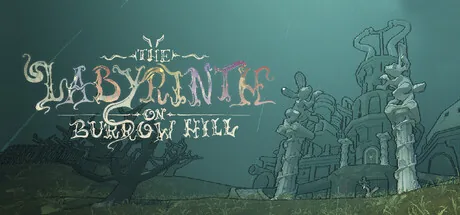
The Labyrinth on Burrow Hill
7.5 / 10
- Developer
- Jonny Haynes
- Publisher
- Jonny Haynes
- Released
- 19 June 2026
- Platforms
- Windows
- Genre
- Adventure, Indie
- Monetisation
- paid
- Players
- false
The short version
Biggest strengths
- Genuinely inventive, thematically coherent puzzles that reward paying attention to notes, motifs, and environmental detail rather than brute-forcing solutions
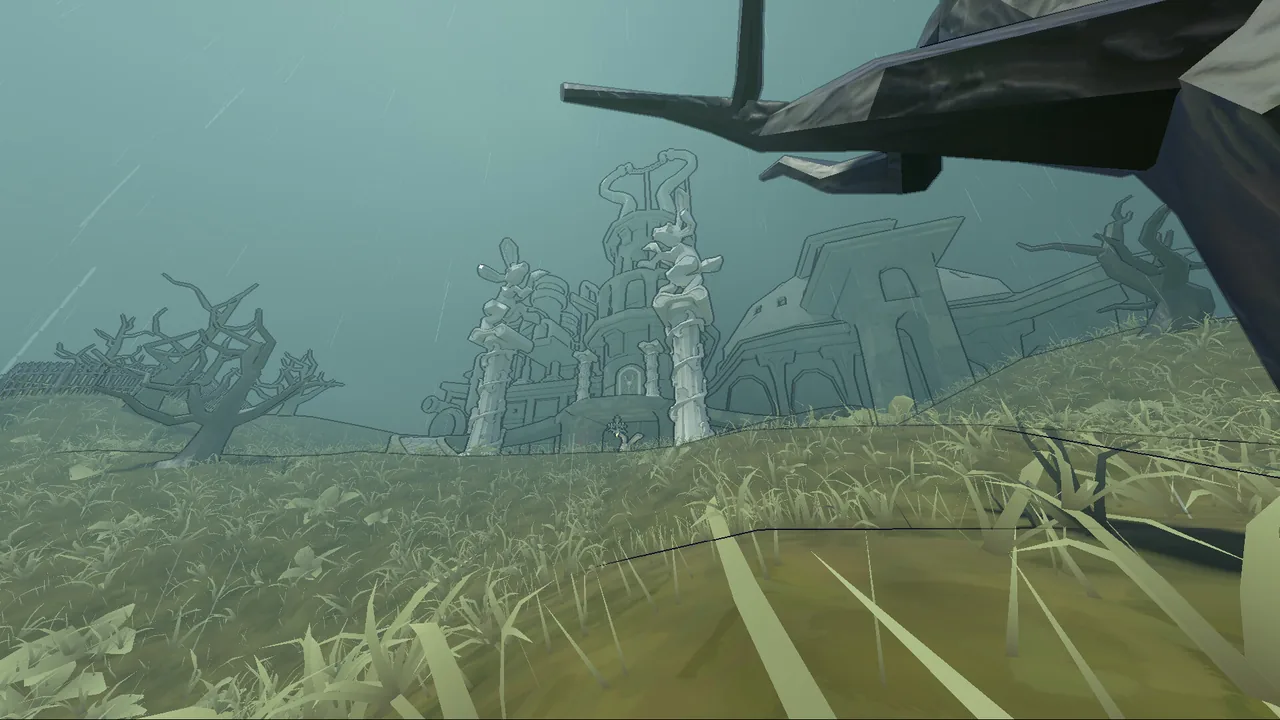
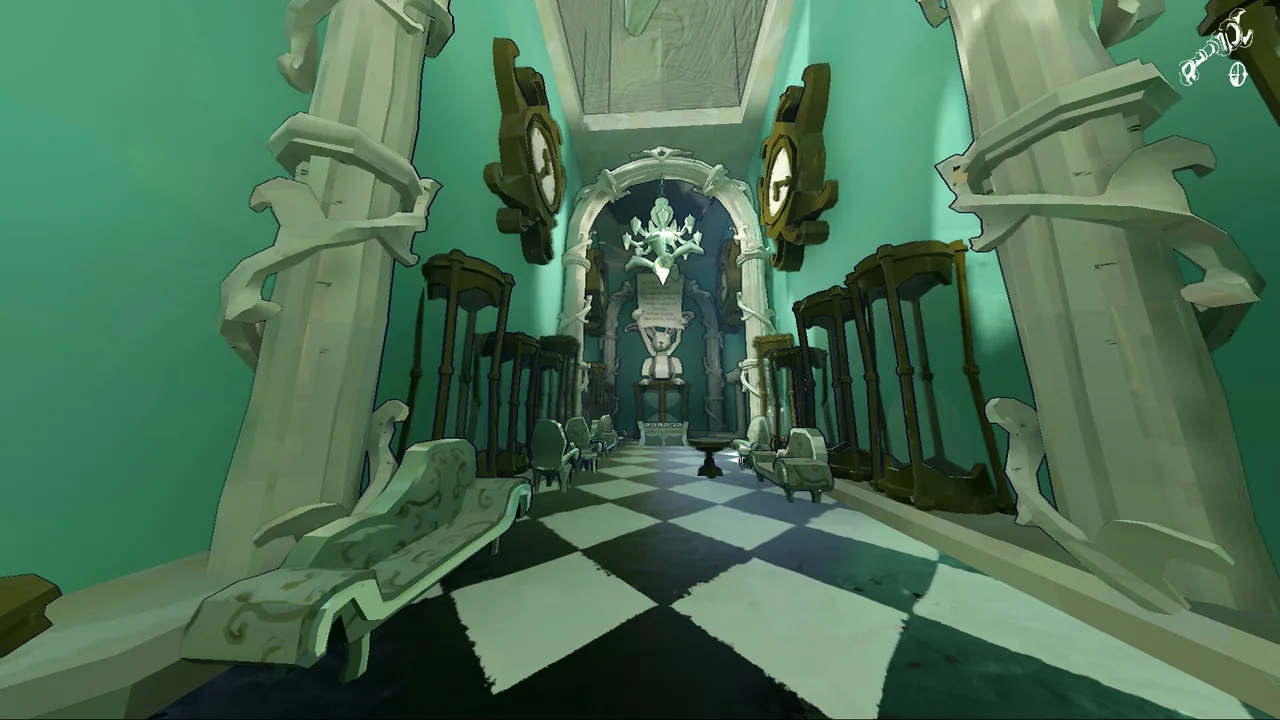
- A strong sense of place and atmosphere, with each room in the labyrinth given distinct architecture, art direction, and mood
- A quiet, well-told narrative about a father's death and sibling grief that unfolds through found letters rather than exposition
Biggest weaknesses
- A cramped camera and slow, fiddly movement that multiple reviewers said actively hindered reading clues and hitboxes, especially in tightly designed rooms
- No in-game hint escalation system, meaning stuck players are pushed toward outside guides rather than a built-in nudge
- Specific, corroborated accessibility gaps, an unreadable handwritten font for key story letters and puzzles that depend on brightness/visibility, that shut some players out of parts of the game entirely
Who it's for: Fans of self-contained brain-teaser puzzle games in the Blue Prince/The Witness mould who don't mind fighting a stiff camera in exchange for genuinely clever, thematically layered puzzles
Our recommendation: recommended
7.5 / 10
The Labyrinth on Burrow Hill released in full on Steam on June 19, 2026, from solo developer Jonny Haynes, a first-person puzzle adventure in which returning home after your father's death reveals the family mansion transformed into a sprawling, surreal labyrinth. Its 37-review English pool lands at a strong Positive (34 up, 3 down, 92%), with reviewers converging heavily on two comparisons: Blue Prince, for its self-contained, thematically dense room-by-room puzzles, and Alice in Wonderland, for its whimsical, slightly unsettling visual and narrative tone.
The premise draws players in quickly. One reviewer summarized it well: "after your father's passing, you return back home only to find it transformed into a huge maze. In the center you'll find promised treasure... but is it really only there?" Rather than dumping story on the player, the game distributes its narrative through found letters and notes, which several reviewers specifically praised for restraint. One wrote that they "really enjoyed how much personality each sibling has without seeing them," while another noted the story "isn't really fed to you, but you have to pay attention to the details and the metaphors." A third reviewer, clearly moved by the ending, wrote simply "Justice for Dan, he totally deserved better," a small but telling sign of how much emotional investment the letter-driven storytelling generated for at least some players.
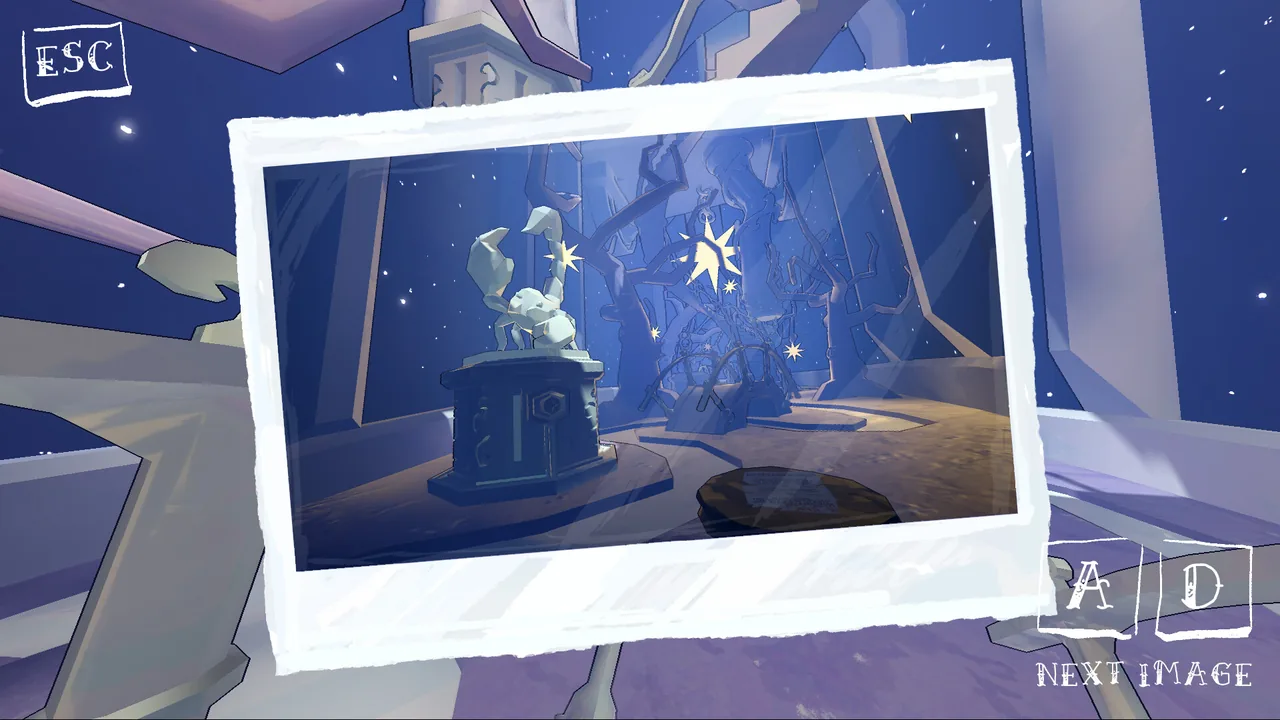
The puzzle design itself draws the most consistent, specific praise in the pool. One reviewer, self-described as having only spent ninety minutes with the game, called out how "they don't just ask you to find the obvious answer, they encourage you to slow down, think creatively, and approach each challenge from a different perspective." Multiple reviewers highlighted the game's structural trick of layering thematic motifs (chess, astrology, cartography, sudoku-style logic) into distinct rooms that each teach and then test a different kind of reasoning, with one calling the overall design "diverse and well-balanced" with "few misses." A streamer reviewer added an unusual angle, noting the puzzles worked especially well as a communal experience: "chat actually began to interact and notice things that I had missed."
That praise comes with a real, well-corroborated caveat around usability. Two of the longest, most detailed reviews in the pool, both ultimately positive and recommending the game, independently describe fighting the same core problems: a restrictive camera and slow movement that made reading environmental clues genuinely difficult. One wrote bluntly, "I'm spending 50% of the time thinking about the clever and unique puzzles, and 50% of the time saying 'why can't I just alter my camera field of view?'" after describing giving up entirely on one room due to readability rather than puzzle difficulty. The other, a lengthy piece of direct, constructive feedback addressed to the developer, made a near-identical point about specific rooms: "the statues are hard to get a good look at because the player character is really low relative to all of the objects/architecture of the game." A third, separate reviewer who fully completed the game echoed the same theme in miniature, wishing for "a tiny bit better" controls and "a different approach to clues/hints," directly comparing the friction to similar complaints they'd had with Blue Prince and Lorelei and the Laser Eyes.
More serious, and corroborated by a different but equally detailed reviewer, are two specific accessibility gaps. One reviewer, a non-native English speaker, described the father's in-game handwritten letters as "pretty much incomprehensible," writing "I understood maybe a third of what his letters said, which made an important part of the game impossible to complete," and separately flagged two puzzles they could only pass with a guide "because I just couldn't see the hints" due to in-game darkness, requesting a brightness option that doesn't currently exist. They were careful to frame this constructively, closing with "I really hope there is a way to increase the accessibility of the game," but the underlying complaint, that stylised handwriting fonts and unadjustable lighting can wall off entire puzzles rather than just adding difficulty, is a legitimate, specific critique rather than a vague one.
A smaller number of reviewers took issue with individual puzzle logic rather than the interface around it. The astrology room in particular drew pointed frustration from one reviewer over an ambiguous riddle that "could be solution 1, or it could be solution 2," and the cartography room's reliance on an "arbitrary" hidden dial tied to an in-room thermometer struck the same reviewer as a twist for its own sake rather than a fairly clued deduction. These are narrower complaints than the camera and accessibility issues above, tied to specific rooms rather than the whole experience, but worth flagging for players who prefer their puzzle logic airtight.
On presentation and length, the pool is close to unanimous. Reviewers repeatedly singled out the art direction and score as standout elements independent of the puzzles themselves, with one calling the soundtrack "brilliantly designed" and reflective of "your entire thinking process," and another praising how "every room has [a] different theme and different feel to the architecture." Playtimes reported across the pool cluster in the four-to-six-hour range for a full completion, with the game's branching room order (players choose which wing to tackle first with their initial keys) giving it some structural variety without padding it out. At $8.99, that lands as reasonable value for a tightly scoped, single-playthrough puzzle box rather than a game built around replayability, and no reviewer in the pool suggested the price felt out of step with what's delivered.
Taken together, The Labyrinth on Burrow Hill is a genuinely inventive, well-realised puzzle adventure that earns its Blue Prince comparisons on the strength of its writing, atmosphere, and puzzle variety, while sharing some of that game's rough edges around usability. Players comfortable working through camera friction and the occasional obscure leap of logic will find a short, memorable, thematically rich few hours here; players who need generous accessibility accommodations or a built-in hint system to progress should go in aware of the specific, reviewer-corroborated gaps the current build has.
Pros and cons
Pros
- Genuinely inventive, thematically coherent puzzles that reward paying attention to notes, motifs, and environmental detail rather than brute-forcing solutions
- A strong sense of place and atmosphere, with each room in the labyrinth given distinct architecture, art direction, and mood
- A quiet, well-told narrative about a father's death and sibling grief that unfolds through found letters rather than exposition
- Strong comparisons across the pool to Blue Prince and Alice in Wonderland, without reviewers feeling it's merely derivative of either
Cons
- A cramped camera and slow, fiddly movement that multiple reviewers said actively hindered reading clues and hitboxes, especially in tightly designed rooms
- No in-game hint escalation system, meaning stuck players are pushed toward outside guides rather than a built-in nudge
- Specific, corroborated accessibility gaps, an unreadable handwritten font for key story letters and puzzles that depend on brightness/visibility, that shut some players out of parts of the game entirely
- A handful of puzzles (the astrology room and cartography room among them) rely on associative leaps some reviewers found arbitrary rather than fairly clued
Screenshots
-
The Labyrinth on Burrow HillImage: Jonny Haynes via Steam -
The Labyrinth on Burrow HillImage: Jonny Haynes via Steam -
The Labyrinth on Burrow HillImage: Jonny Haynes via Steam