Game review
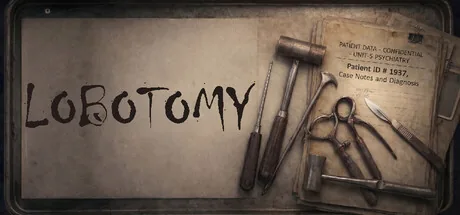
Lobotomy
7 / 10
- Developer
- Yousf Jawhar
- Publisher
- ToYou Studio
- Released
- 12 June 2026
- Platforms
- Windows
- Genre
- Action, Indie
- Monetisation
- paid
- Players
- false
The short version
Biggest strengths
- A consistently praised atmosphere, carried by a looping ambient drone soundtrack reviewers singled out for setting the mood
- Light, approachable puzzles reviewers found satisfying without being frustrating, paired with a story simple enough to follow without derailing the horror pacing
- Reliable, reported-bug-free performance for most players, with several reviewers explicitly noting no lag or crashes during their playthrough
Biggest weaknesses
- A very short overall length that some reviewers said left them wanting more, particularly given the $6.99 asking price
- Jump scares reviewers described as front-loaded into the first half of the game, thinning out noticeably by the back half
- Visibly reused horror-genre assets that at least one reviewer flagged directly, even while praising the game's overall presentation
Who it's for: Fans of short, atmospheric found-footage horror games who want an hour or two of jump scares and light puzzling without a big time commitment, more than players looking for a lengthy or especially frightening experience
Our recommendation: recommended
7 / 10
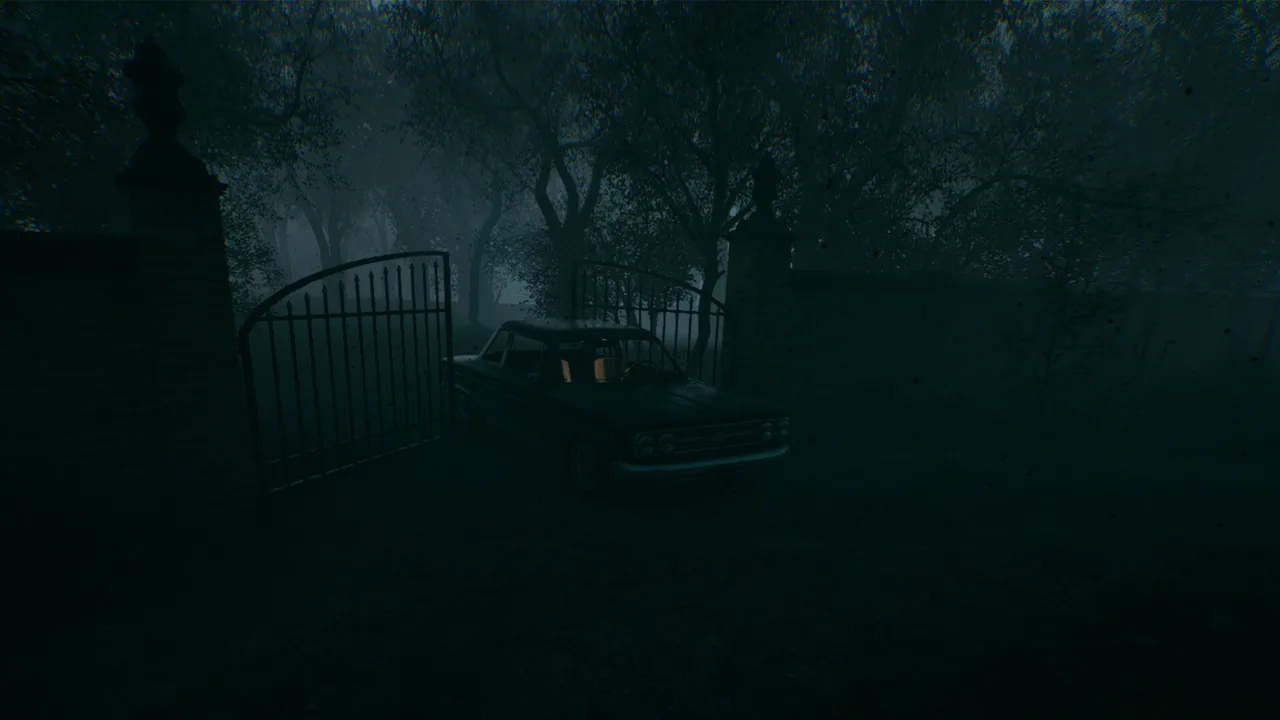
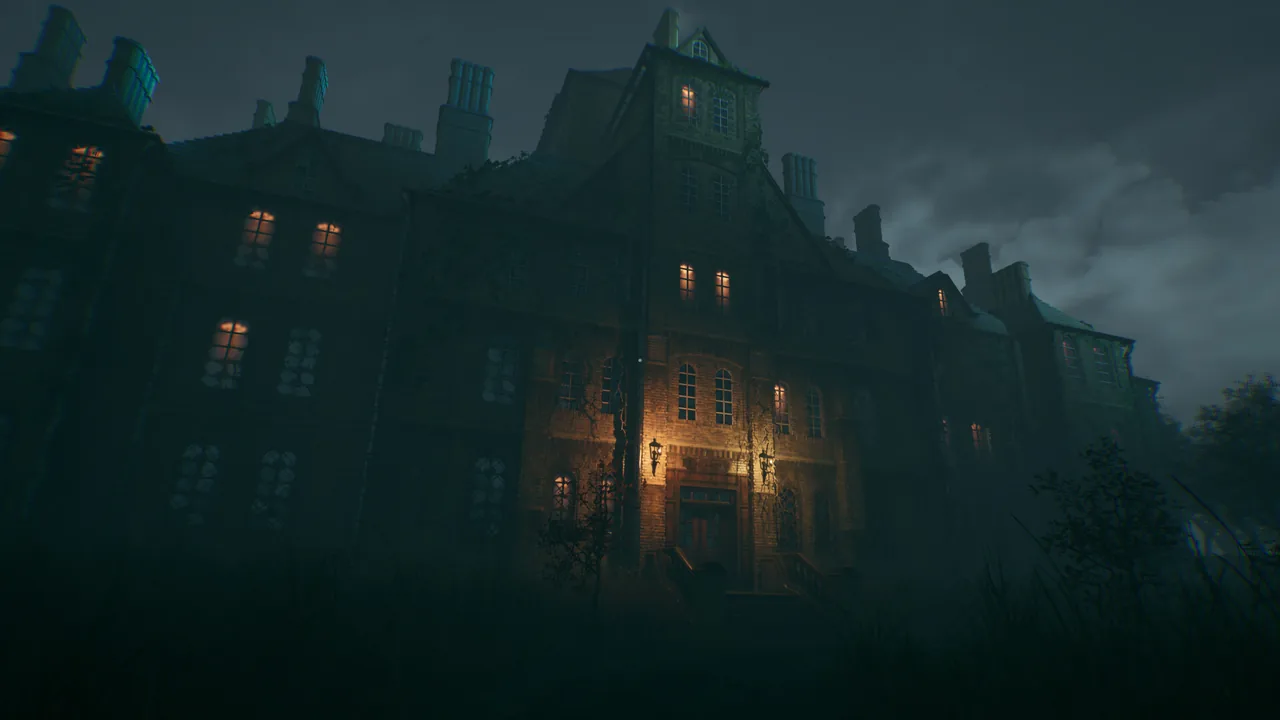
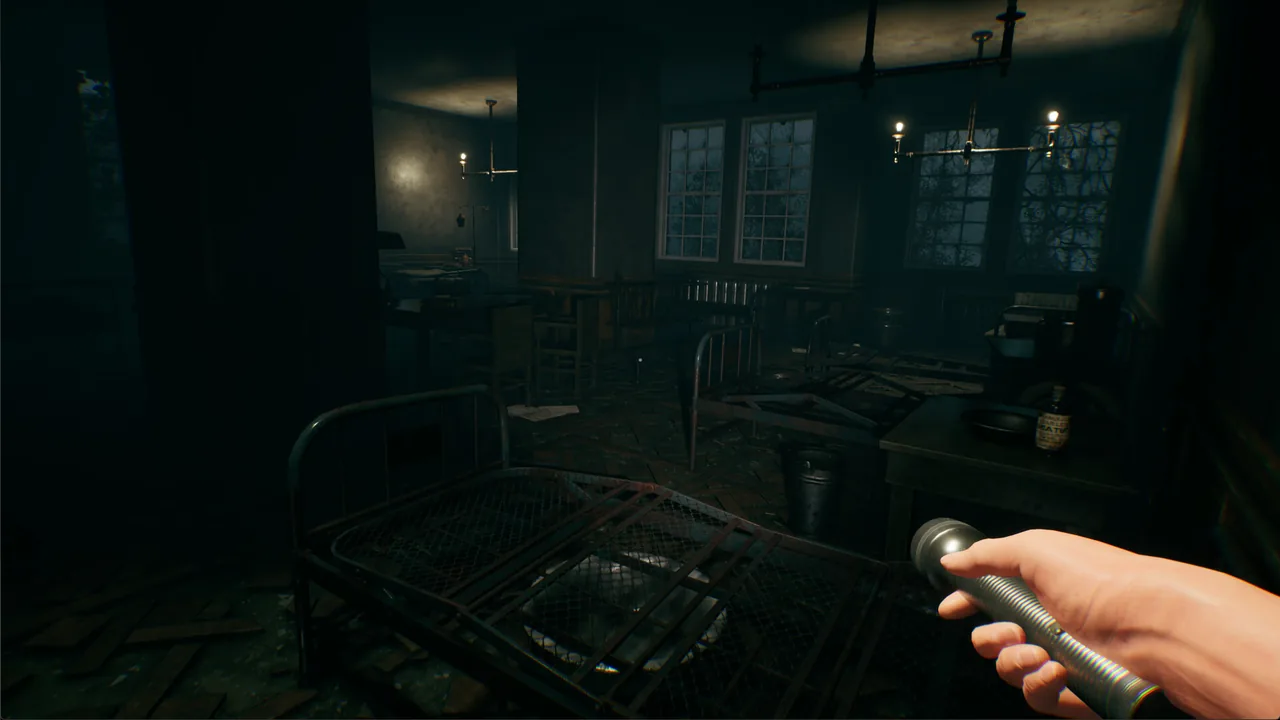
Lobotomy dropped as a full release on June 12, 2026, casting players as a freelance journalist who breaks into a notorious abandoned asylum to expose the brutal experiments once conducted there, armed with a camera, a flashlight, and not much else. It's a familiar horror premise, the found-footage investigative angle has been mined by countless indie horror games before it, but Lobotomy's small review pool is unusually unanimous in saying it executes that familiar shape well: every one of its 24 English-language reviews recommends it, a 100% positive score that's rare even among well-regarded indie horror titles.
What reviewers consistently credit for that reception is atmosphere over outright scares. One reviewer called the looping ambient drone soundtrack central to selling the asylum's dread, describing "some good cheesey scares but not that over the top," and praised solid performance and generous menu and graphics options alongside it. Another reviewer, a self-described veteran of over 700 horror games writing their first-ever Steam review, called it a game that "flows really well" with a strong story and jump scares, landing on an 8/10. A third specifically praised the puzzle design as light and approachable without being frustrating, and noted the roughly hour-long runtime made for a satisfying, unrushed playthrough rather than a padded one. Several reviewers linked to their own recorded playthroughs unprompted, a small but telling signal that the game holds attention well enough to be worth sharing.
That consistency comes with a real caveat, though: this is a genuinely short game, and several reviewers flagged the runtime as the clearest limitation on an otherwise well-executed experience. One reviewer who otherwise enjoyed the game wrote plainly that it "seemed a bit short" and felt it had potential to run longer. Pacing within that short runtime drew its own specific complaint — one reviewer noted the jump scares are heavily front-loaded into the first half, then mostly disappear for the remainder, wishing they'd been spaced out more evenly across the full experience rather than clustered near the start.
A separate reviewer offered a more pointed critique worth flagging directly: despite enjoying the game overall, they noted it uses "a lot of reused assets," a common tell in budget-conscious indie horror where off-the-shelf asset packs get repurposed across many similar titles. That doesn't appear to have hurt the overall reception, since the same reviewer still recommended the game on the strength of its story pacing and scares, but it's a reasonable expectation-setter for anyone hoping for a distinctive visual identity rather than a familiar horror-asset toolkit assembled into something new.
Performance draws one specific, recurring technical complaint: the flashlight, the game's primary tool for both navigation and uncovering evidence in the dark, was flagged by at least one reviewer as poorly optimized and the likely source of frame-rate drops, with a suggestion that a ray tracing toggle might help address it. That same reviewer noted the developer had already added an AI Generated Content Disclosure to the store page shortly after being asked about it — a disclosure that, read directly, states AI was used only for text localization, translation, and character voiceovers, while gameplay, programming, and horror design are described as independent work. Because that's the developer's own stated account of their process rather than a reviewer's unverified allegation, Wanderer reports it here as a sourced fact rather than a contested claim, and it's worth noting the game also appears to include Arabic-language support, per at least one review written in Arabic praising the localization specifically.
Story lands well within its own modest ambitions, several reviewers described it as simple but effective, and more than one specifically called out a twist near the end as a highlight worth staying for. One reviewer who finished the game called the ending "chefs Kiss" and said the overall experience was easy to figure out without feeling shallow, which is a fair summary of how Lobotomy seems to be pitching itself: not a puzzle box demanding deep investment, but a clean, well-paced short story with just enough mechanical texture, evidence-gathering with the camera, light environmental puzzles, to keep players engaged between scares rather than simply walking a corridor waiting to be startled. That restraint is arguably the game's biggest strength relative to its price and scope; it doesn't overstay its welcome or pad its runtime with filler, even if that same brevity is the thing most likely to leave some players wanting more.
Value for money is the one area where the review pool shows any real tension, even among generally satisfied players. At $6.99 for roughly an hour to ninety minutes of content, some reviewers felt the price was fair for a clean, bug-free horror experience with decent production values, praising the ample menu and graphics options as a sign of care beyond the minimum, while others explicitly wished for more length before the credits rolled. Neither camp turned that into an actual negative review, which says something about how well the core hour holds up on its own merits, but it's worth factoring into a purchase decision: this reads as a tightly scoped, single-sitting horror short rather than a full evening's entertainment, and buyers should set expectations accordingly rather than assuming a $6.99 price tag buys hours of additional content.
Taken together, Lobotomy is a well-crafted, if unambitious, entry in the found-footage asylum-horror subgenre: reviewers are near-unanimous that its atmosphere, pacing within individual scenes, and approachable puzzle design work well, and its technical foundation is solid enough that bugs and crashes are barely mentioned at all. Its ceiling is capped mainly by its own modest scope — a short runtime, scares that thin out in the back half, and asset work that leans on familiar horror-genre furniture rather than anything especially original. For genre fans looking for an efficient hour or two of atmospheric dread rather than a lengthy or particularly innovative horror experience, it's an easy, low-risk recommendation at its current price.
Pros and cons
Pros
- A consistently praised atmosphere, carried by a looping ambient drone soundtrack reviewers singled out for setting the mood
- Light, approachable puzzles reviewers found satisfying without being frustrating, paired with a story simple enough to follow without derailing the horror pacing
- Reliable, reported-bug-free performance for most players, with several reviewers explicitly noting no lag or crashes during their playthrough
- A short, easily streamable runtime, roughly an hour to ninety minutes, that reviewers say fits well for a single sitting or livestream
Cons
- A very short overall length that some reviewers said left them wanting more, particularly given the $6.99 asking price
- Jump scares reviewers described as front-loaded into the first half of the game, thinning out noticeably by the back half
- Visibly reused horror-genre assets that at least one reviewer flagged directly, even while praising the game's overall presentation
- An unoptimized flashlight effect reviewers identified as the likely source of frame-rate drops, with one requesting a ray tracing toggle to address it
Screenshots
-
LobotomyImage: ToYou Studio via Steam -
LobotomyImage: ToYou Studio via Steam -
LobotomyImage: ToYou Studio via Steam