Game review
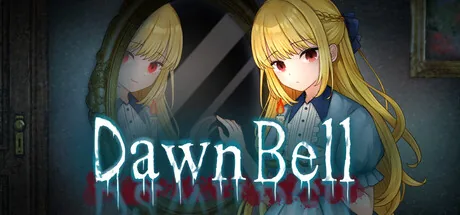
Dawn Bell
6.5 / 10
- Developer
- USAGI STORE
- Publisher
- USAGI STORE
- Released
- 23 June 2026
- Platforms
- Windows
- Genre
- Action, Adventure, Indie
- Monetisation
- paid
- Players
- false
The short version
Biggest strengths
- A nicely realized art style and hand-picked soundtrack reviewers consistently called the game's strongest asset
- A multiple-endings structure, including several bad "death" endings, that gives completionist-minded players real reason to replay a short game
- Several puzzles, particularly a clock puzzle, that reviewers said offered genuine, satisfying friction without becoming frustrating
Biggest weaknesses
- Puzzles that a portion of the review pool found too simple, offering little real challenge across most of the playthrough
- A thin, trope-heavy story and dialogue that several reviewers, including some who otherwise enjoyed the game, described as underwritten or juvenile
- A structural design choice that locks players out of previously visited rooms once they progress, forcing a full restart to revisit missed items or achievements
Who it's for: Fans of short escape-room horror games like Livestream: Escape from Hotel Izanami or The Witches House who enjoy hunting for multiple endings over a single long, difficult playthrough
Our recommendation: recommended with caveats
6.5 / 10
A memory-loss escape room with real style
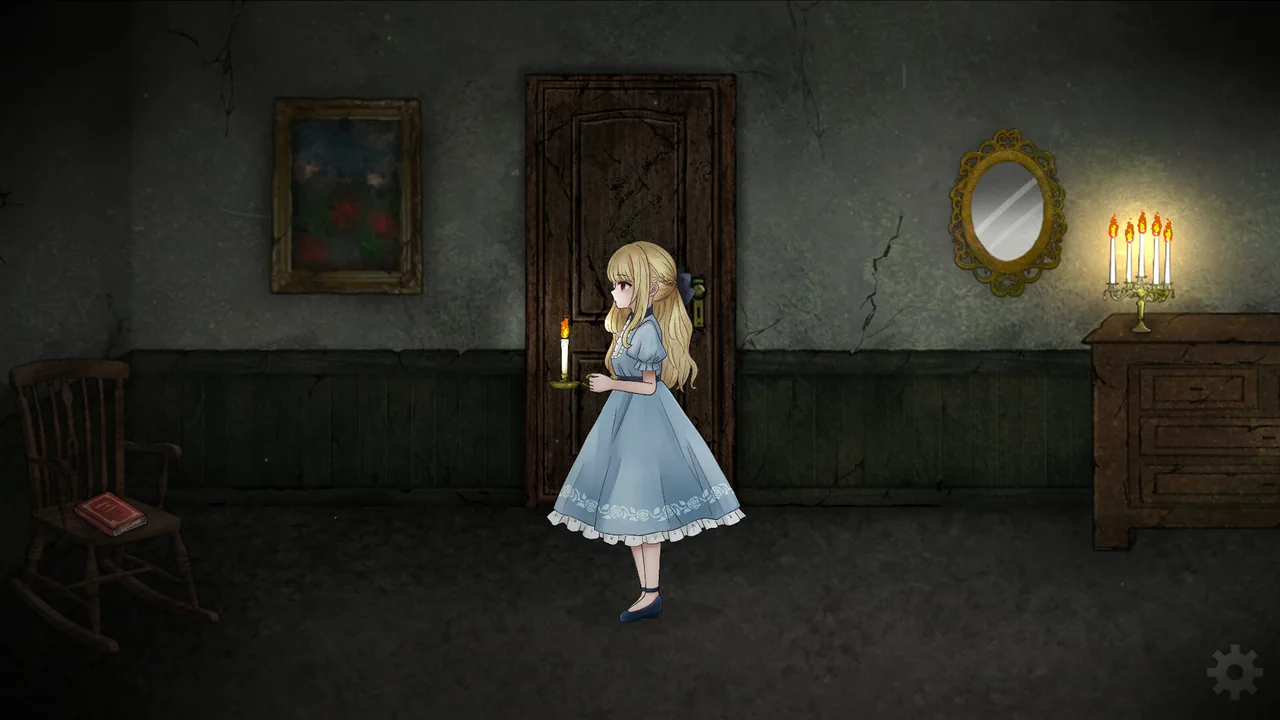
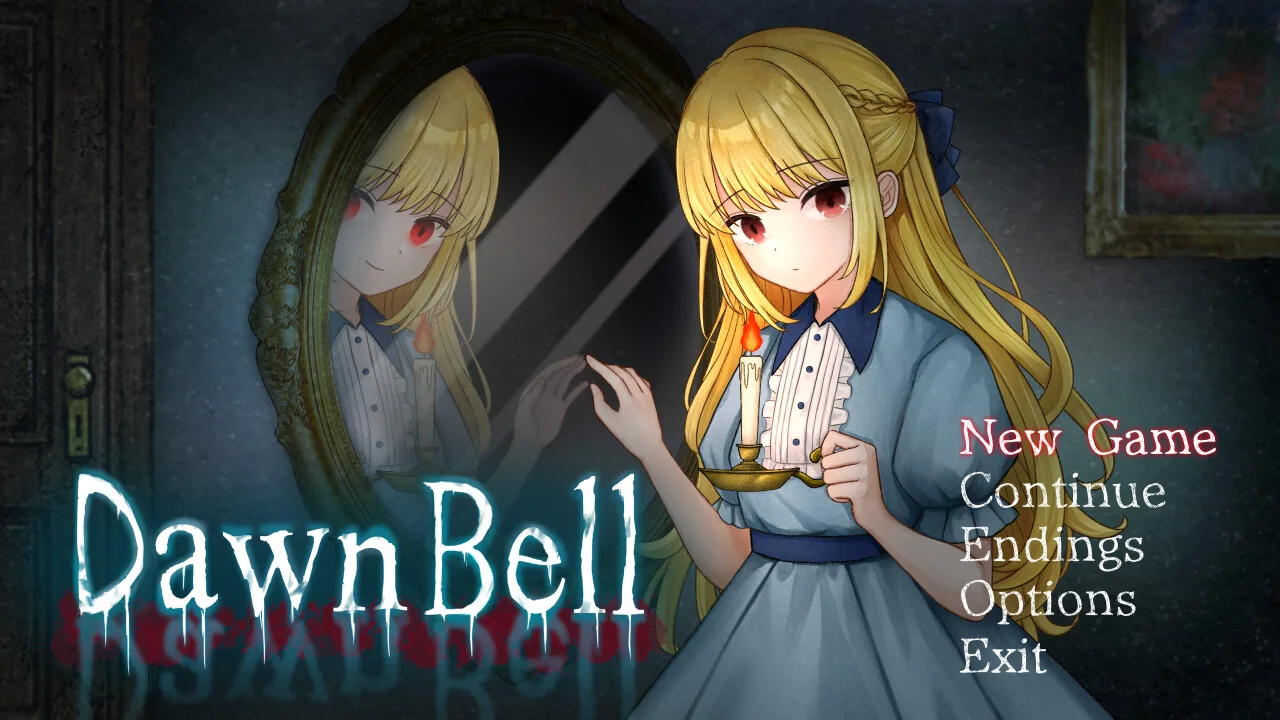
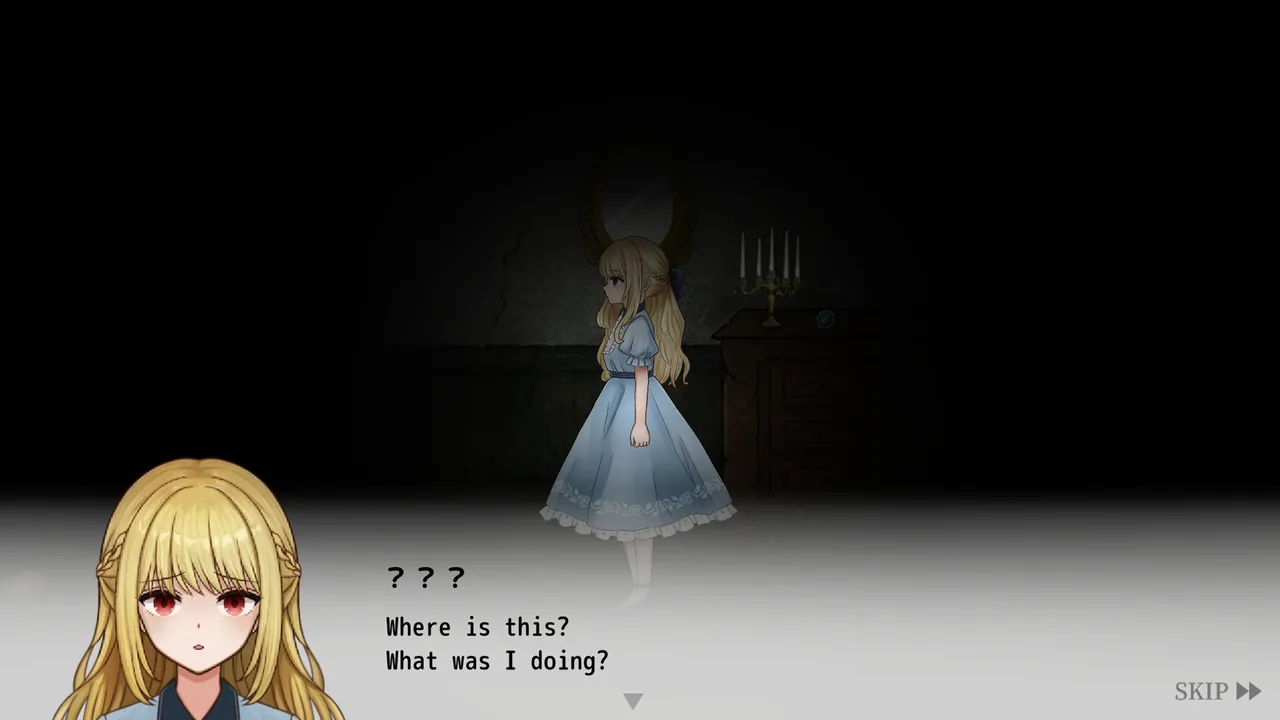
Dawn Bell casts players as Rosa, a girl who wakes up in an unfamiliar castle with no memory of who she is or how she got there, and has to explore, solve puzzles, and avoid deadly traps to piece her identity back together. One reviewer situated it squarely within a recognizable subgenre: "A pretty neat side-scrolling horror game that reminds me a bit of Livestream: Escape from Hotel Izanami... The game's art style is really nice, and the music is quite good as well. Overall, it's a great 2D side-scrolling horror game. If you like games such as Livestream: Escape from Hotel Izanami, you'll definitely enjoy this one." Another reviewer drew a similar comparison to a different genre touchstone, calling it "a cute horror game similar to The Witches House," and specifically praised the protagonist's design: "I specially really liked to play Rosa, her design was so cute~ to me, it was a must, a big part of the experience!"
Puzzles that land for some, feel thin for others
Reviewers were split on how much resistance the castle's puzzles actually offer. One wrote favorably, "there's a couple of puzzles that aren't that difficult but still makes you think. The clock puzzle was the only one that gave me a challenge. The horror is quite tame, and you might die once or twice if you're careless like me." A more critical reviewer disagreed on the difficulty question specifically: "The art style is beautiful. I do like the simple mechanics; the story and the dialog were on the more boring side. As well as the puzzles they were very simple; it's not like I wanted them to be very hard, but there was just no challenge." That same reviewer did credit the game's ending structure for encouraging a second look: "In order to beat the game you have to get 3 endings before it. It's one of the games were having certain items and more info gets you the true ending; which i did enjoy."
A story some found underwritten
The pool's harshest criticism targets the writing rather than the mechanics. One reviewer wrote bluntly, "The story also feels poorly written like a child came up with it. It's a good concept! Just not the greatest execution, which is fine if you just need a quick boredom buster." That same reviewer flagged a structural annoyance layered on top of the thin story: "You're not able to go into the previous rooms to get the achievements or even to look around for things you missed. It forces you to stay in one area so you'll have to fully restart the game if you want to go back to look at anything." For a game built around hunting down multiple endings and achievements, losing access to earlier areas mid-run is a real friction point, one that pushes completionists toward replaying the whole game rather than simply backtracking.
The ending hunt as the real appeal
Despite the story criticism, several reviewers framed Dawn Bell's real draw as its collection of endings rather than any single playthrough. One wrote, "Just got all main endings. I really liked the game, I did wish was a little longer, but overall was a pretty good game, I hope the studio make a new game in the future with a similar vibe." Another, who hadn't yet found every secret, still praised the structure: "I really like this game. However I feel like the keys should be a secret ending - I never even managed to find all the keys tbh I found half of them. Half the achievements are endings the rest are deaths. If this game gets updated and theres a guide on finding the keys I'll play again~!" That design, rewarding repeat runs with new bad endings and hidden content, is doing real work compensating for the otherwise short runtime.
Presentation as the clear high point
Nearly every reviewer, regardless of how they felt about the puzzles or writing, agreed on the game's audiovisual craft. One reviewer's tongue-in-cheek summary captured the tone well: "Came for the cute anime girl, stayed because the game gaslit me with a clock puzzle for 30 minutes... If you enjoy horror, puzzles, and questioning your own IQ, this one's for you." A more measured review reached a similar overall verdict: "A short and simple adventure game with a bit of horror and a couple of puzzles. It looks nice, but the story is rather silly and full of tropes. Still, if you enjoy collecting endings, I'd say it's worth the price and one evening of your time." One Linux-specific note is also worth flagging for that audience: one reviewer reported the game "runs fine without proton," with only a minor settings-menu bug encountered on first launch.
Verdict
Dawn Bell is a short, handsomely presented escape-room horror game whose art and music consistently outshine its writing, and whose puzzles will feel either pleasantly light or unchallenging depending on what a player wants from the genre. Its multiple-ending structure gives it real replay value for a low price, though a design choice that locks off previously visited rooms undercuts that same completionist appeal by forcing full restarts rather than backtracking. At roughly an hour or two per ending, it's an easy recommendation for fans of Hotel Izanami-style castle horror who prioritize mood and collecting endings over a demanding puzzle challenge or a story with real depth.
Pros and cons
Pros
- A nicely realized art style and hand-picked soundtrack reviewers consistently called the game's strongest asset
- A multiple-endings structure, including several bad "death" endings, that gives completionist-minded players real reason to replay a short game
- Several puzzles, particularly a clock puzzle, that reviewers said offered genuine, satisfying friction without becoming frustrating
- Runs cleanly on Linux without Proton according to at least one reviewer, a detail worth noting for that audience
Cons
- Puzzles that a portion of the review pool found too simple, offering little real challenge across most of the playthrough
- A thin, trope-heavy story and dialogue that several reviewers, including some who otherwise enjoyed the game, described as underwritten or juvenile
- A structural design choice that locks players out of previously visited rooms once they progress, forcing a full restart to revisit missed items or achievements
- A very short runtime, roughly one to two hours per ending, that left a portion of players wanting more even when they liked what was there
Screenshots
-
Dawn BellImage: USAGI STORE via Steam -
Dawn BellImage: USAGI STORE via Steam -
Dawn BellImage: USAGI STORE via Steam