Game review
THE CANON OF BALLS Review
8 / 10
- Developer
- Helios Monk
- Publisher
- Helios Monk
- Released
- 13 August 2026
- Platforms
- ["Windows"]
- Genre
- First-Person Platformer
A Ball With A Tongue, A Castle Made Of Trials
THE CANON OF BALLS, a solo-developed release from Helios Monk, launched on Steam on August 13, 2026, priced at just $3.99. It casts the player as a face embedded in a rolling ball, equipped with a jump, a wall-jump, and a tongue that can lick surfaces to launch off them at speed, and drops that ball into a vast, handcrafted open world of physics-based platforming trials with no minimap, no quest markers, and no tutorial beyond trial and error. Across a pool of 324 all-language reviews sitting at 99% positive, "Very Positive" on Steam's own scale, and the 100 most-helpful English reviews read in full here, the reception borders on disbelief that a game this small, this cheap, and built by one person, plays and feels this good.
The Pitch: "Dark Souls Makes A Baby With Super Monkey Ball"
That's the developer's own framing on the store page, and reviewers echo it back almost word for word. "Difficulty is somewhere between Garten of Banban and Elden Ring," joked one, while another called it "the perfect straftat-level brutalism atmosphere" paired with "incredibly fun gameplay." The visual comparisons cluster around a specific mood: several reviewers independently reached for Shadow of the Colossus, ICO, and The Last Guardian to describe the bleak, monumental structures the ball has to climb, while the moment-to-moment traversal draws Super Monkey Ball, Getting Over It, and Jump King comparisons for how punishing a single mistake can be. "This game has what any good rage climbing game needs: a climb, unique physics-based movement, and good writing," wrote one reviewer, framing it less as a single genre and more as several familiar ideas smashed together into something that, by most accounts, shouldn't work as well as it does.
Tongue-Jumping, Momentum Tech, And Sequence Breaks
The system reviewers keep coming back to is the tongue mechanic, an extendable, sticky lick that lets the ball attach to a surface and rocket off it, stacked on top of jumping, wall-jumping, and air-jumping. "The physics-based movement is pretty much first-person marble rolling with jumping, wall-jumping, air-jumping and ballistic-tongue-jumping," one reviewer summarized, and multiple others describe combining a jump with a tongue-lick to build absurd amounts of velocity, to the point that "using the jump momentum plus a lick gives you a ton of extra velocity which makes some areas feel a bit too easy." That's treated as a feature rather than an exploit by most of the pool: one co-op pair described how "one rage quit, another gave up... the last two of us just powered through," while a different reviewer described a friend who "sequence broke the entire game using walljump tech" while they dutifully solved each puzzle the intended way. The freedom to break the game's own courses, intentionally or not, is consistently framed as part of the fun rather than a flaw to be patched out.
Built For Friends, But Complete Without Them
Despite the "co-op" billing, the game is explicitly designed to also work solo, and the store page itself concedes the multiplayer label "might be a bit stretched," since there are no mechanics that strictly require a second player. Reviewers largely agree the social experience is still the main draw. "Balling with the homies is the way to play," is a rough paraphrase of a sentiment that shows up dozens of times in different forms, from "the discord call was just moaning and screaming from start to finish" to "of the four of us playing, one rage quit, another gave up and went to bed, and the last two of us just powered through a bunch of areas." One reviewer who played entirely solo still finished the game and called it a "very fun physics puzzle game," confirming the design holds up without a group, even as nearly every enthusiastic multi-hour writeup in the pool describes a shared voice call as the actual highlight.
Absurd Value For A Few Hours Of Punishment
At $3.99, value is the single most repeated word in this pool, and it's used almost exclusively as praise. "For this price, absolutely great value," "very fun! a bit short, but for 3 dollars is def worth the cost," and "this game could have been 10 dollars and I wouldn't be mad" all show up as near-identical sentiments from different reviewers. Completion times cluster around one to two hours for a fast solo run and three to eight hours for a full exploration pass hunting collectible crystals and artifacts, with several reviewers explicitly recommending it as a bundle-filler or an impulse buy for a group of friends. A level editor with Steam Workshop support was added during the review window and is called out enthusiastically, with one reviewer editing their own review mid-playthrough to note "this absolute chad added a level editor WITH STEAM WORKSHOP SUPPORT," suggesting the single official course is being treated by the community as a foundation rather than the ceiling.
Rough Edges: Jank, No Native Controller Support, And That Maze
The pool's complaints are minor and specific rather than structural. Several reviewers mention no native controller support out of the box, though one shared a Steam Controller Configuration link as a workaround, and another confirmed "Steam Controller worked flawlessly" once configured manually. Missing volume sliders come up more than once, as do occasional invisible static meshes and menu jank that the solo developer has reportedly been patching at "a breakneck pace." A shared-checkpoint system in co-op draws mixed feelings, since one player falling can force the whole group to redo a section, and the game's single maze-like area is singled out by name, repeatedly, as the one part of the experience most reviewers actively disliked. A few also found the ending anticlimactic given the buildup, wishing for a harder final challenge or a more meaningful reward for full completion, though this is framed as wanting more of a good thing rather than a complaint about what's already there.
Verdict
THE CANON OF BALLS is a tiny, confident, deeply strange platformer that fuses Shadow of the Colossus scale with Super Monkey Ball physics and a genuinely inventive tongue-launch mechanic, and it does so with enough craft and personality from a single developer that its $3.99 price feels almost like an oversight. The handful of rough edges, missing volume sliders, no native controller support, one widely-disliked maze section, are exactly the kind of small, fixable issues you'd expect from a solo project rather than signs of a shallow one, and they barely register against a pool of reviews that treats this as an easy, joyful recommendation for anyone with a couple of friends and a few dollars to spare. It's short, it's punishing in short bursts, and it is, almost unanimously, worth far more than what it costs.
Screenshots
-
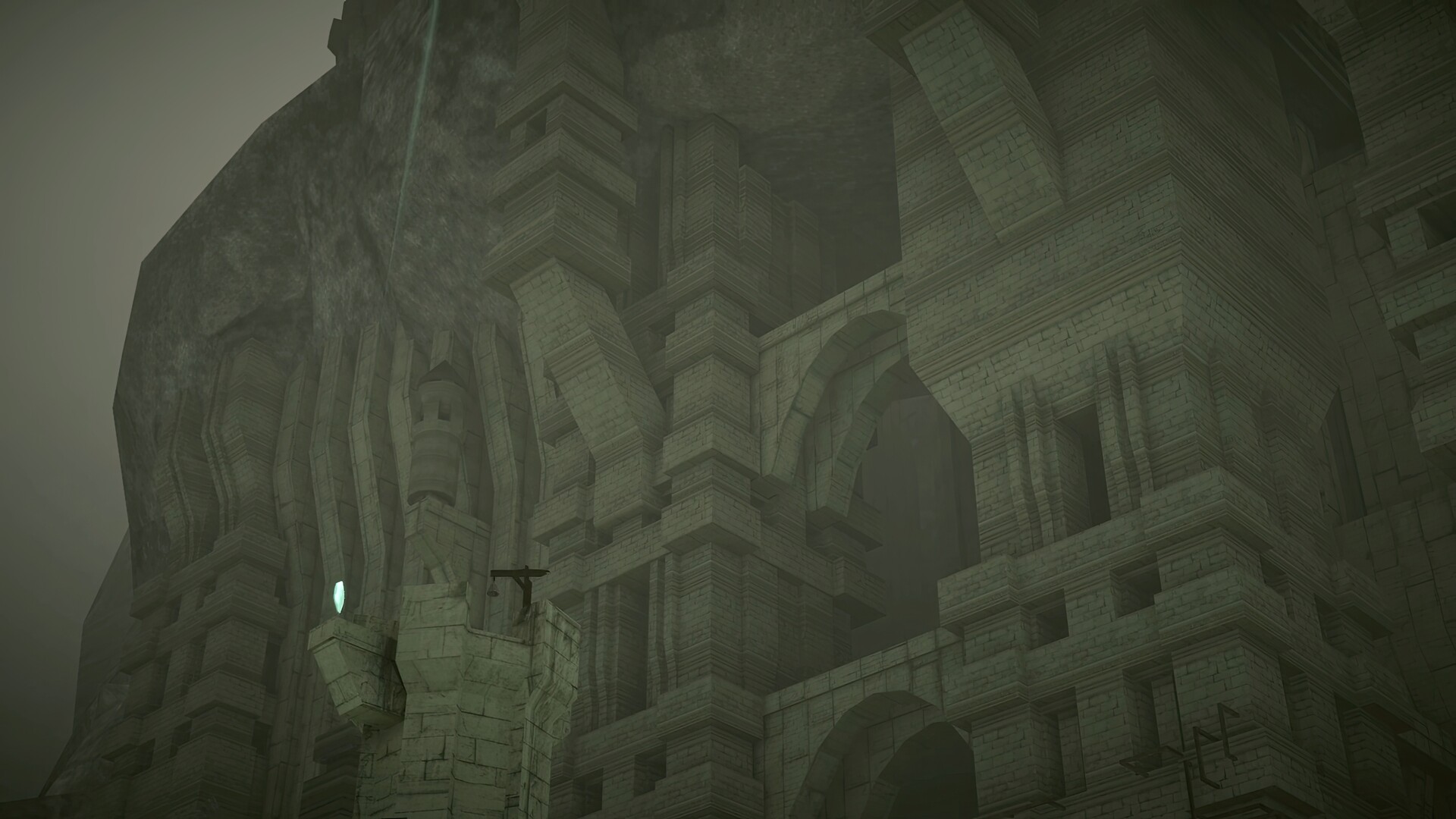
One of the game's Shadow of the Colossus-scale ruins, dwarfing a small ledge holding a glowing crystal.Image: Helios Monk via Steam -
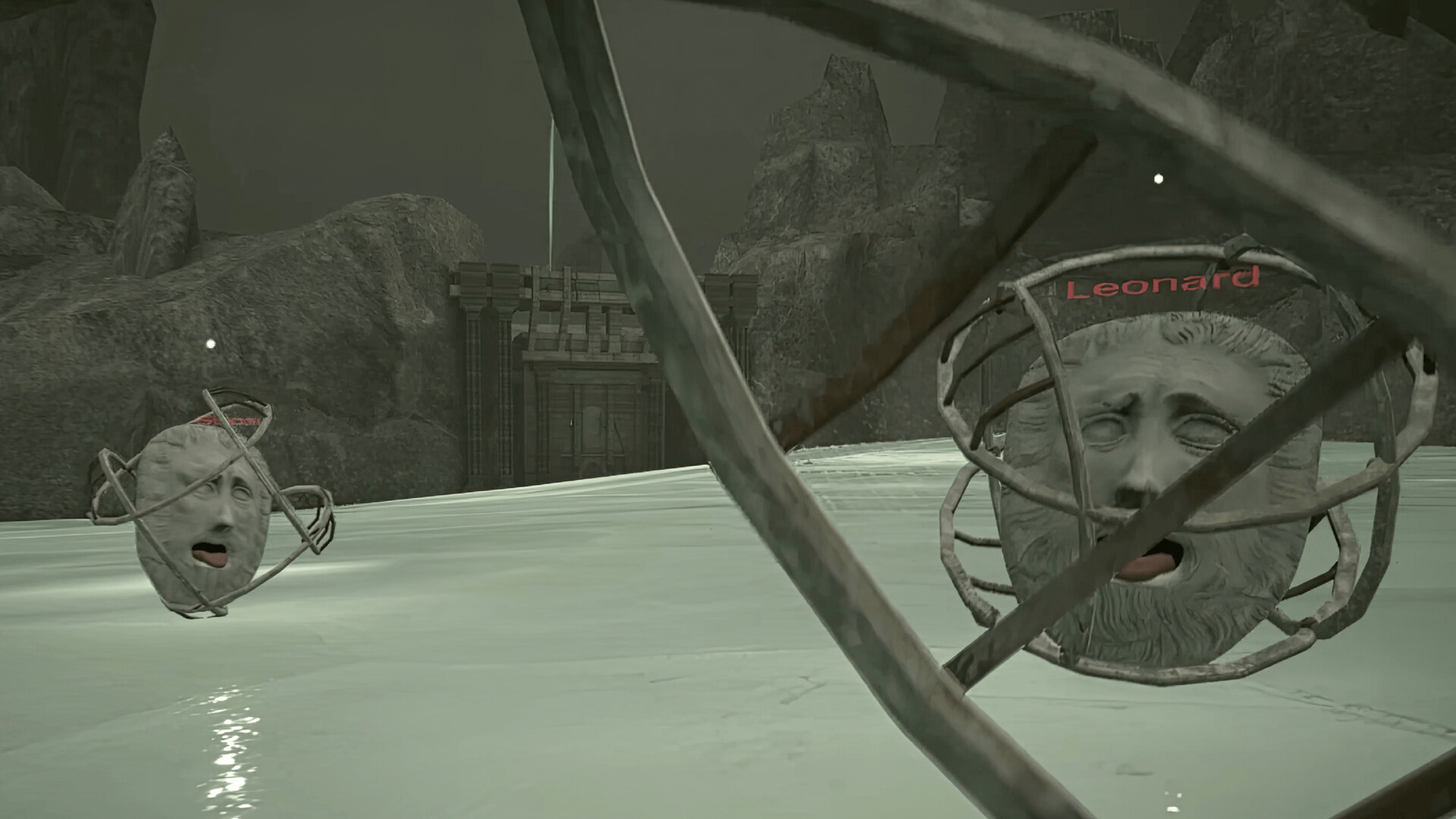
Two caged, tongue-wagging balls, including one named \"Leonard,\" roll across an icy stretch of the open world.Image: Helios Monk via Steam -
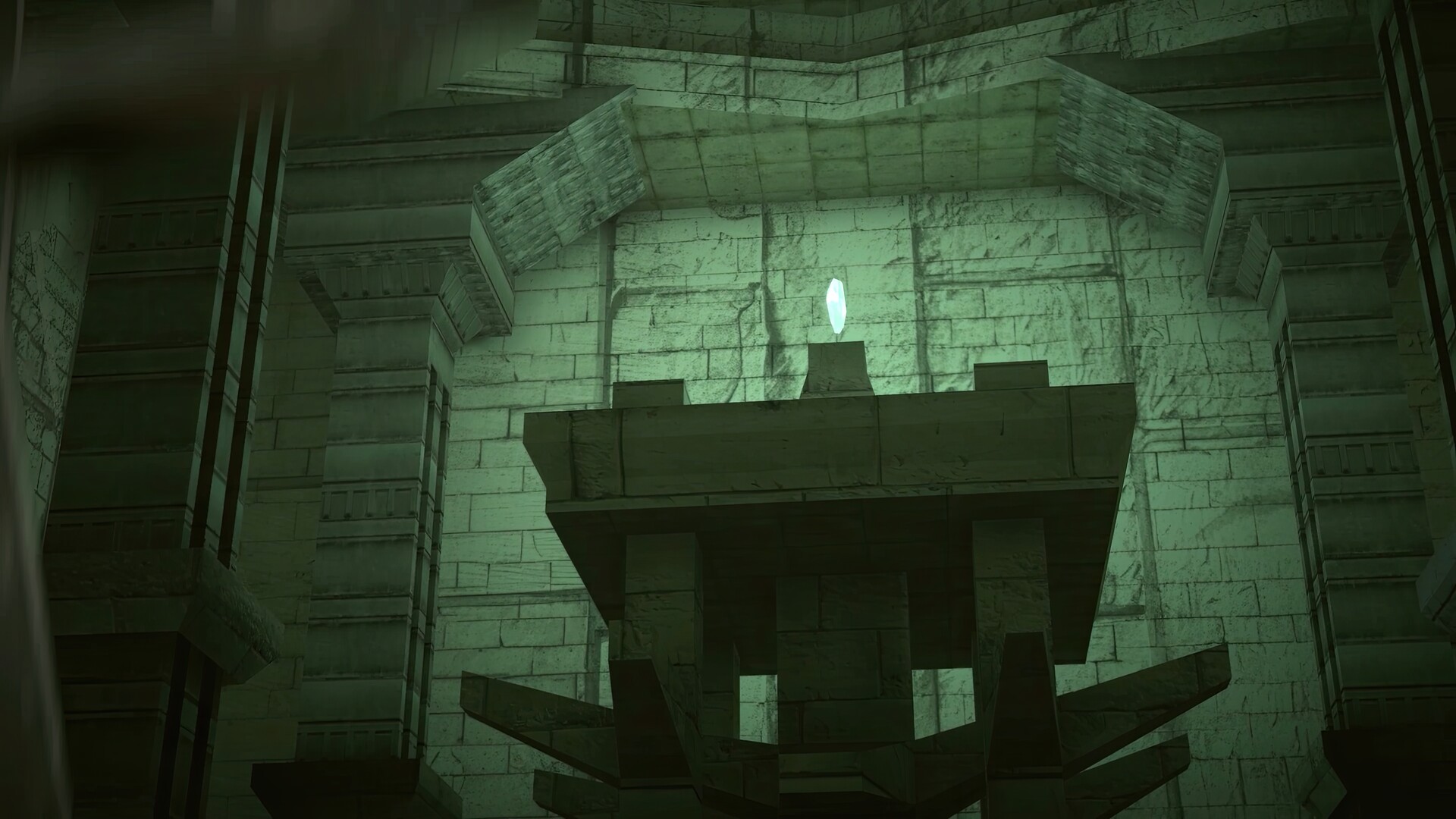
A crystal collectible sits just out of reach atop a pedestal inside one of the level's cavernous interior chambers.Image: Helios Monk via Steam