Game review
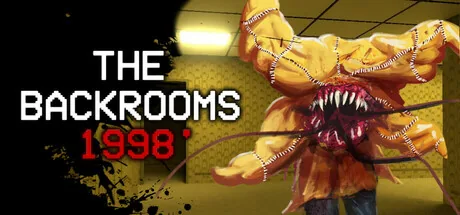
The Backrooms 1998 - Found Footage Survival Horror Game
5.8 / 10
- Developer
- Steelkrill Studio
- Publisher
- Steelkrill Studio
- Released
- 20 February 2025
- Platforms
- Windows
- Genre
- Survival Horror
- Monetisation
- Premium, one-time purchase
- Players
- Single-player
The short version
The Backrooms 1998 nails its own opening: a found-footage camcorder, a mono-yellow maze that hums with fluorescent dread, and a genuinely clever conceit where staying quiet is the entire defence system. Then, by most accounts, it forgets to be about the Backrooms at all — the concept becomes a coat of paint over a linear fetch quest, and the tension gets spent on jumpscares that arrive on a timer rather than a threat.
It's a competent, good-looking short horror game from a solo developer, priced and sized like one. Judge it as that rather than as a definitive Backrooms adaptation and it holds up a lot better.
Biggest strengths
- Strong opening stretch — the found-footage framing and the yellow-hallway atmosphere land immediately
- The "don't make noise" mechanic, including a working microphone option, is a genuinely different way to build tension
- Sizeable price for a two-to-four-hour experience with above-average visual polish for a solo project
Biggest weaknesses
- Many recent players report it drifts from Backrooms lore into a generic missing-persons story with only cosmetic yellow-hallway dressing
- Frequent complaints of jumpscares firing on a timer rather than being earned, which numbs the scare fast
- A meaningful slice of negative reviews describe softlocks, uninteractable objective items and at least one reported save-corrupting crash
Who it's for: Jumpscare-tolerant horror fans after a two-to-four-hour session, and viewers looking for something streamable — not players chasing a faithful liminal-space simulation.
Our recommendation: Worth it on a sale, or if jumpscare-driven horror is specifically what you want; Backrooms purists should look elsewhere first.
5.8 / 10
Introduction
The Backrooms started, as these things do, on 4chan: a single unsettling photo of an empty, sickly-yellow office maze posted anonymously in May 2019, captioned with a warning about "noclipping out of reality" into six hundred million square miles of nothing. It stayed a niche internet legend for a few years — the internet's tidiest example of "liminal space" dread — until a teenager going by Kane Pixels turned it into a YouTube found-footage series in 2022 that racked up hundreds of millions of views and dragged the concept fully into the mainstream. What followed was inevitable: a wave of indie horror games racing to be first to market with a playable Backrooms, most of them thin re-skins of the same yellow corridor.
The Backrooms 1998 - Found Footage Survival Horror Game is Steelkrill Studio's entry, and it is trying harder than most of that wave. Steelkrill is a solo, self-taught developer (previously behind the restaurant-horror game Customers From Hell and the WWI horror title Trenches) who has built a specific story on top of the Backrooms setting rather than just the setting itself: a teenager, lost in the maze in 1998, filming their own escape attempt on a camcorder found among the game's opening supplies. It released on Steam on 20 February 2025 at roughly NZ$12 / US$10, and has pulled in a "Mostly Positive" rating across 328 English-language user reviews (260 positive, 68 negative) — solid for a solo-developer horror game, but with a negative cluster worth reading closely before buying.
Story and premise
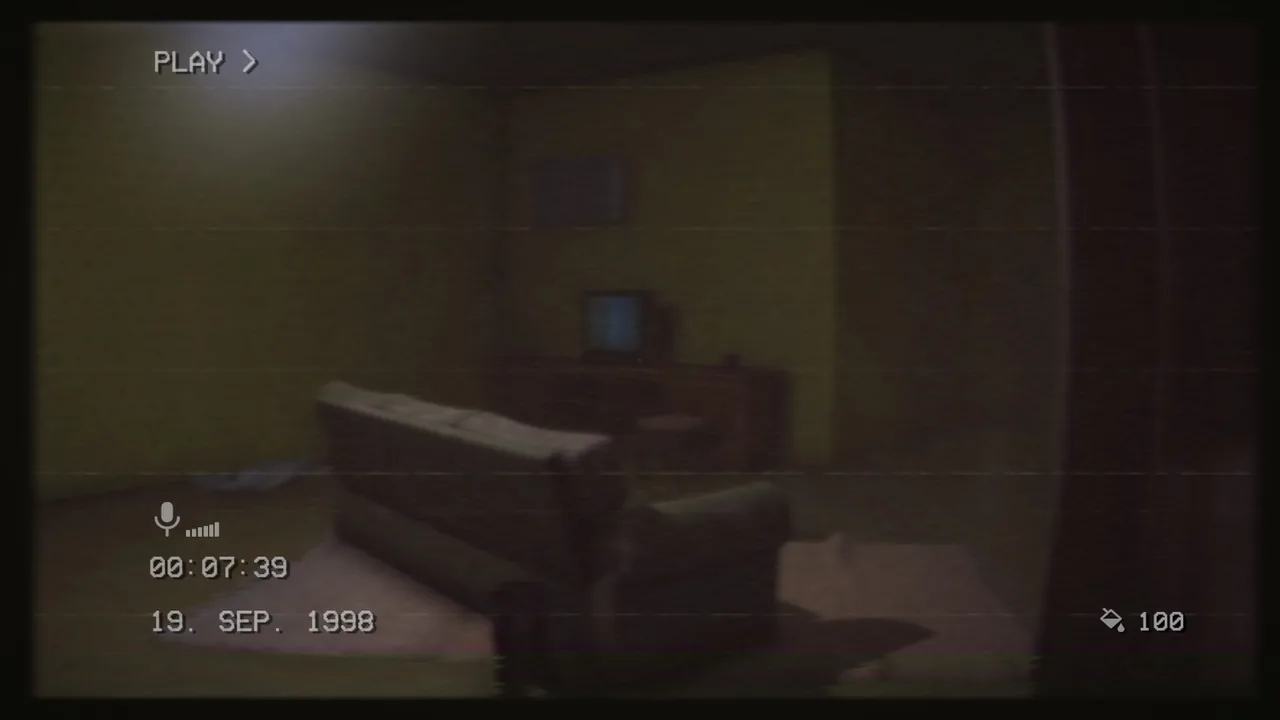
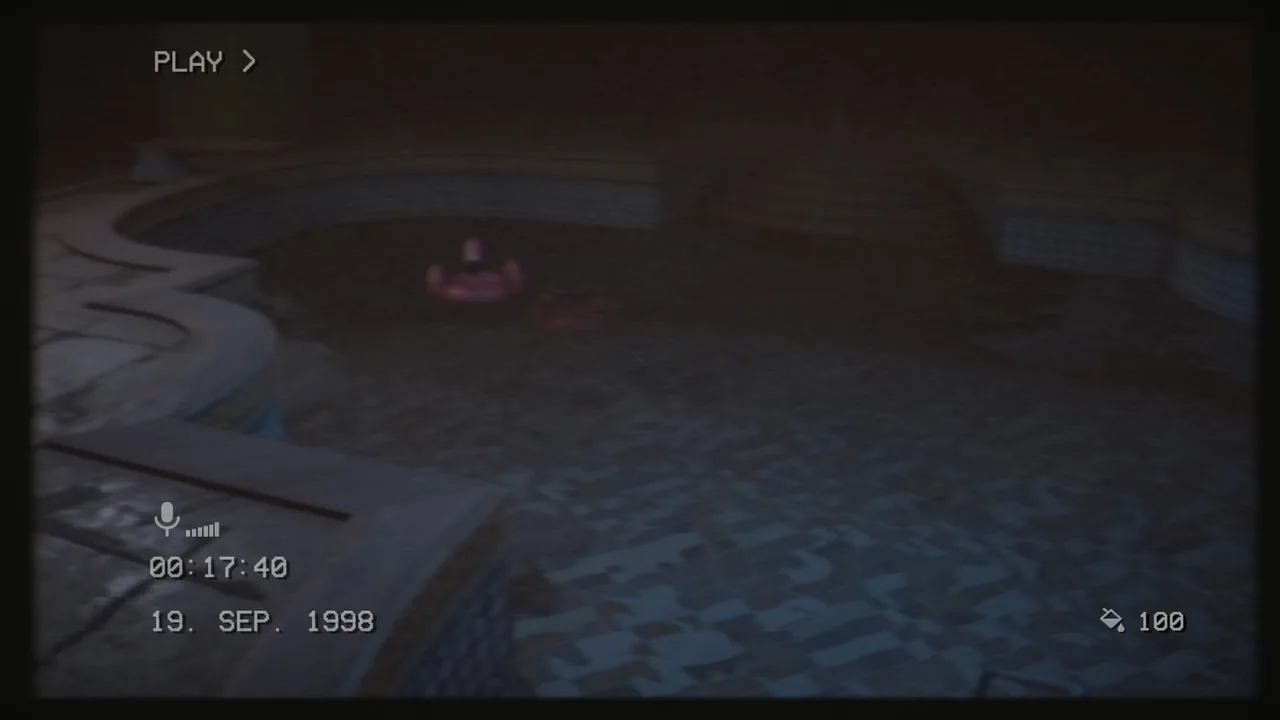
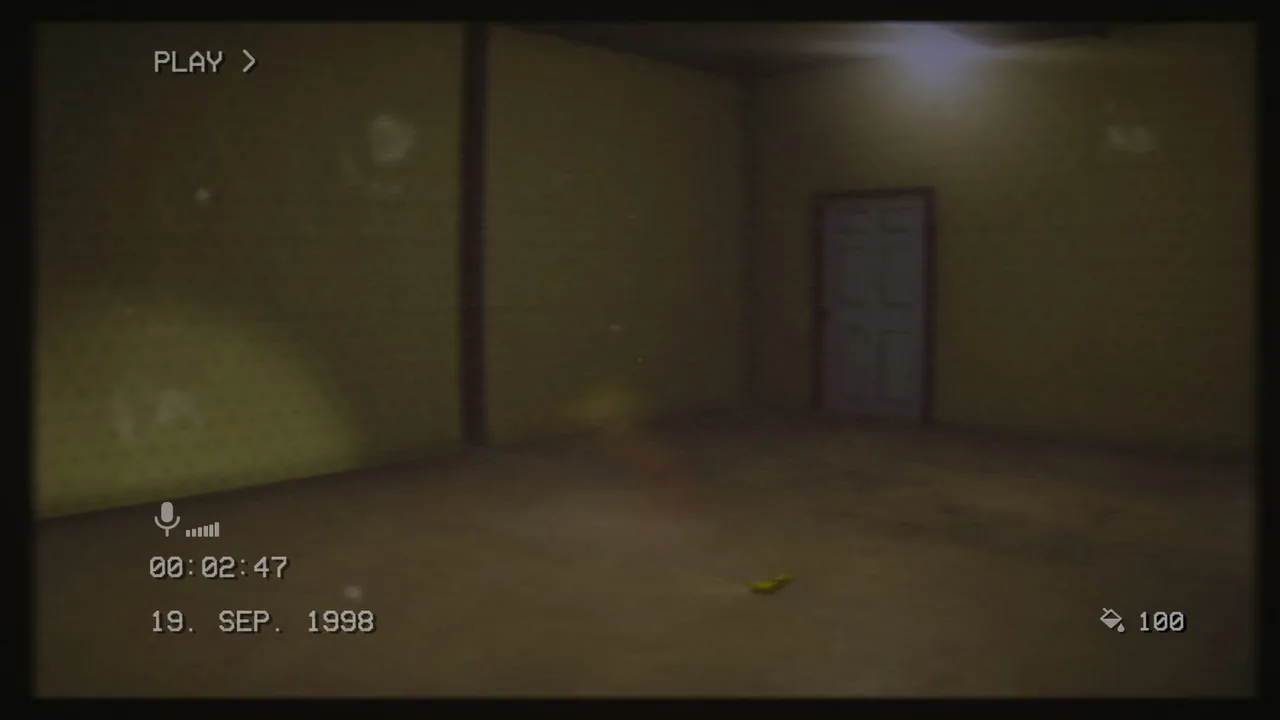
The framing device is the game's best idea. You're playing back — or living through, the game is coy about which — a camcorder recording left behind by a kid who fell into the Backrooms in 1998, with all the era-appropriate static, tape artefacts and found-footage camera language that implies. It's a good fit for the setting: the Backrooms mythos was always partly about degraded, half-remembered media (the original creepypasta reads like a found document itself), and framing the whole game as recovered tape footage plays to that.
Where the reception splits is what happens once the premise is established. A recurring complaint across the negative reviews, and even some of the positive ones, is that the game introduces a specific missing-child narrative, a specific monster and a fairly linear sequence of objectives that has little to do with the Backrooms as a concept — infinite, directionless, memory-warping space — and everything to do with being a haunted-house walk with yellow wallpaper. One reviewer put it bluntly: the developers "took the concept of the Backrooms and made something on its own", which they framed as a compliment; several others framed the exact same observation as the game's biggest failure, arguing it could be a perfectly good original horror game if it stopped invoking a specific piece of internet lore it doesn't really honour. Worth knowing going in: this is a story-forward horror game wearing Backrooms branding, not a simulation of the endless-maze concept itself.
Gameplay: the noise mechanic and its jumpscare problem
Mechanically, the pitch is genuinely different from most jumpscare horror games: the entity hunting you reacts to sound, not sight. Footsteps on glass, knocked-over objects, and — in a mechanic several reviewers singled out as the game's standout feature — your own microphone input can all bring it running. Stay quiet, stay still, hide in crawl spaces, under tables or inside lockers, and the emphasis shifts from combat (there isn't any) to stealth built on player discipline rather than a stat bar. It's a smart use of a first-person horror toolkit and it's the part of the design multiple reviews credit as actually working.
The problem, according to a large slice of the user reviews, is that this careful sound-based tension gets undercut by scripted jumpscares that fire on something close to a timer — described repeatedly as "every 30 seconds" — regardless of how carefully you've been playing. Several players noted that once you've been startled by three or four of these on a fixed schedule, the entity's actual sound-detection system stops feeling like a threat you're managing and starts feeling irrelevant to a game that's going to scare you on its own clock anyway. Others reported the AI itself breaking — the monster reacting to a player it supposedly can't see, or supposedly can't hear, in ways the sound mechanic doesn't explain. The back half of the game is consistently described as an "easter egg hunt" or a maze-like fetch quest for the last few objective items, with playtimes clustering around two to four hours before the search for a final piece turns into a slog several reviewers gave up on and looked up online instead.
Steelkrill does give players a way to soften the jumpscare barrage — there's a settings toggle to reduce or disable them — and to the game's credit, several reviewers acknowledged it exists. Others pushed back that its mere existence is itself evidence the pacing shouldn't lean on scripted scares as hard as it does. Either way, if timed jumpscares are specifically what bother you, the option is there; if you find the format tiresome regardless of frequency, no setting fixes that.
Bugs, crashes and advertised features
This is the section most worth flagging before a purchase. Alongside the ordinary "not scary enough for me" complaints common to any horror game, a distinct cluster of negative reviews describes functional problems: objective items becoming impossible to pick up partway through a run, a hard crash paired with a corrupted or deleted save file, and at least one report of the game losing track of collected items after a reload, forcing a redo of already-completed objectives. None of these appear to be universal — most reviews, positive and negative, don't mention them — but they show up often enough in the 328-review sample that "buggy in places" is a fair, verifiable characterisation rather than an outlier complaint.
Two more specific reports are worth separating out because they're about features rather than bugs. A handful of reviewers say the Steam store page's co-op listing doesn't match the shipped experience — that despite being tagged multiplayer, the game plays single-player only. And several reviewers describe forced controller input during sequences that are simultaneously displaying keyboard-and-mouse prompts, with no clean way to lock the game to one input method. If either co-op or clean controller support is a purchase requirement for you, it's worth checking the current Steam discussion board before buying, since patches may have moved on either point since these reviews were written.
Visuals and sound
Where the reviews are close to unanimous is on presentation. The mono-yellow hallways, the tape-degraded camcorder filter and the general found-footage aesthetic are consistently praised as well above what the roughly $10 price point and solo-developer scale would suggest, and more than one reviewer flagged the visual work as the game's strongest asset even while scoring the overall experience down. Sound design draws a similar split to the jumpscare critique: the ambient hum-and-buzz of the setting is well realised, but some reviewers reported scare stingers loud enough to be genuinely uncomfortable through headphones, which is worth a volume-check before your first session rather than mid-jumpscare.
Value and who this is for
At two to four hours for most players, and priced like the short horror game it is, The Backrooms 1998 isn't trying to be a long-haul purchase — it's built for a single sitting or a streamed session, and several positive reviews specifically framed it as good chat-bait for exactly that use case. Judged as a short, solo-developed found-footage horror game with a strong opening and a distinctive stealth mechanic, it's a reasonable buy, particularly on a discount. Judged as a Backrooms game specifically — a playable version of the internet phenomenon rather than a generic horror story borrowing its wallpaper — the more common verdict in the user reviews is disappointment, and that's the expectation worth checking before you add it to cart.
Verdict
Steelkrill Studio's found-footage framing and sound-reactive stealth are the real ideas here, and both work well enough in the opening stretch to explain the game's "Mostly Positive" standing. What drags the average down is consistent: a scripted jumpscare cadence that undercuts the tension system it's layered on top of, a story that a large share of players say abandons the Backrooms concept for a generic missing-persons plot, a back-half fetch quest that overstays its welcome, and a real (if not universal) cluster of crash and save-corruption reports. It's a solid two-to-four-hour horror game from a one-person studio, sold at a fair price for that — just don't buy it expecting the definitive playable Backrooms.
Pros and cons
Pros
- Strong opening stretch — the found-footage framing and the yellow-hallway atmosphere land immediately
- The "don't make noise" mechanic, including a working microphone option, is a genuinely different way to build tension
- Sizeable price for a two-to-four-hour experience with above-average visual polish for a solo project
- No jump-scare-averse players are stuck with it — the game ships a toggle to turn scares down
Cons
- Many recent players report it drifts from Backrooms lore into a generic missing-persons story with only cosmetic yellow-hallway dressing
- Frequent complaints of jumpscares firing on a timer rather than being earned, which numbs the scare fast
- A meaningful slice of negative reviews describe softlocks, uninteractable objective items and at least one reported save-corrupting crash
- Steam page markets co-op; a cluster of reviews say no such mode exists in the shipped build
- Controller support is inconsistent — some players are forced onto a gamepad mid-session despite keyboard prompts still showing
Screenshots
-
The Backrooms 1998 - Found Footage Survival Horror GameImage: Steelkrill Studio via Steam -
The Backrooms 1998 - Found Footage Survival Horror GameImage: Steelkrill Studio via Steam -
The Backrooms 1998 - Found Footage Survival Horror GameImage: Steelkrill Studio via Steam -
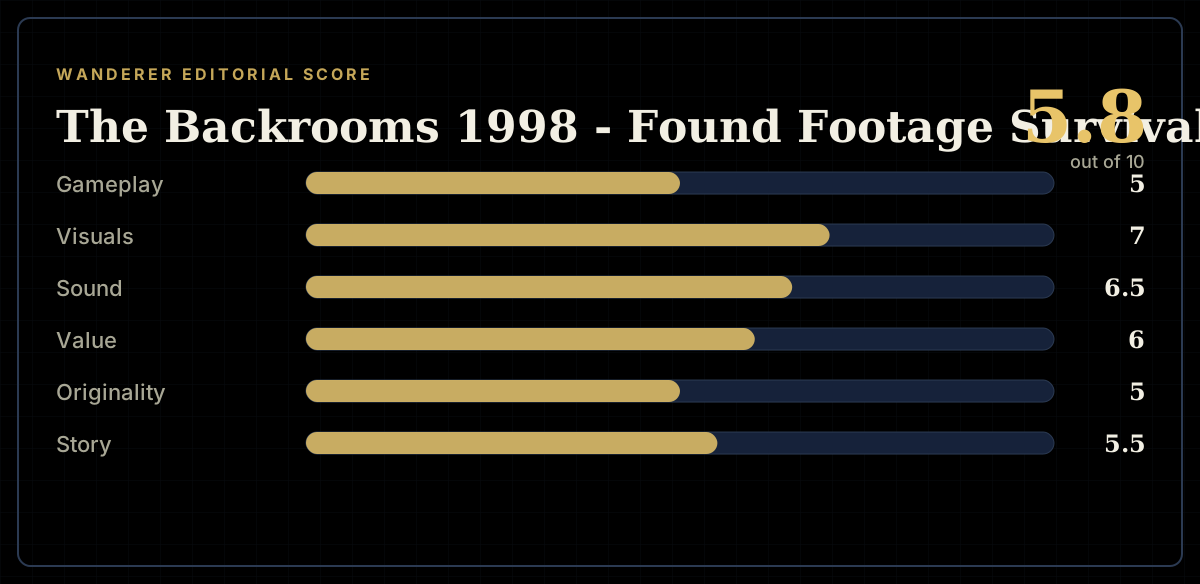
How the review scores each part of the gameWanderer Editorial -
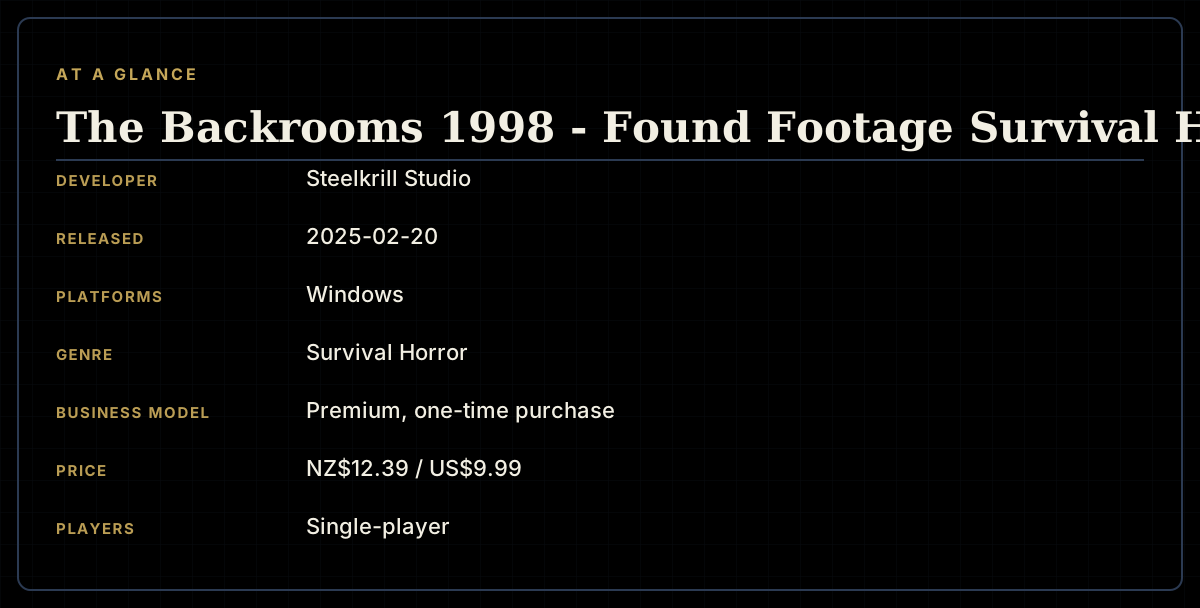
The game at a glanceWanderer Editorial -
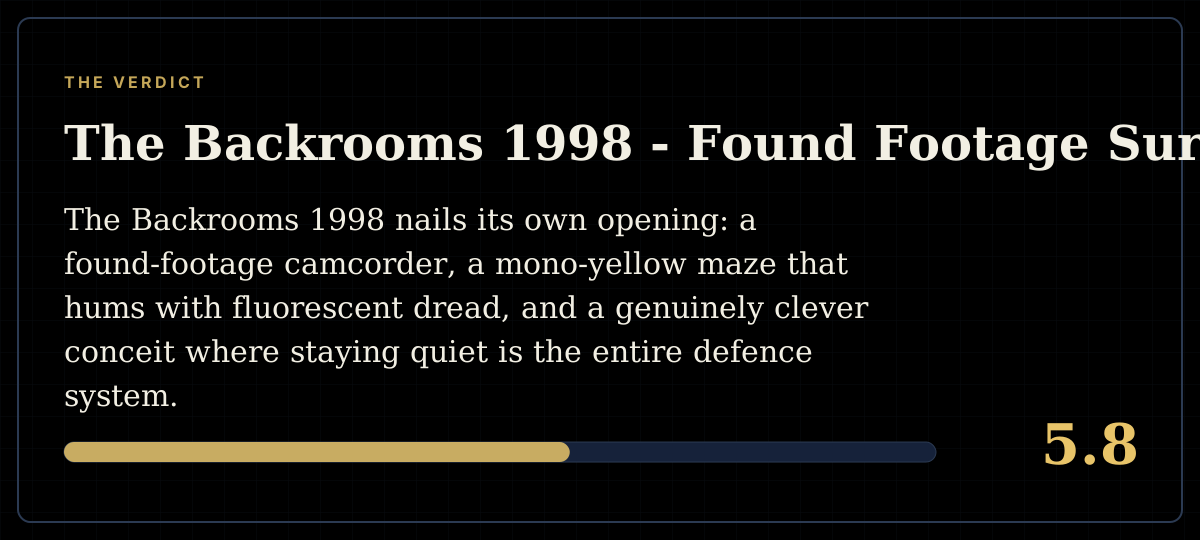
The short versionWanderer Editorial